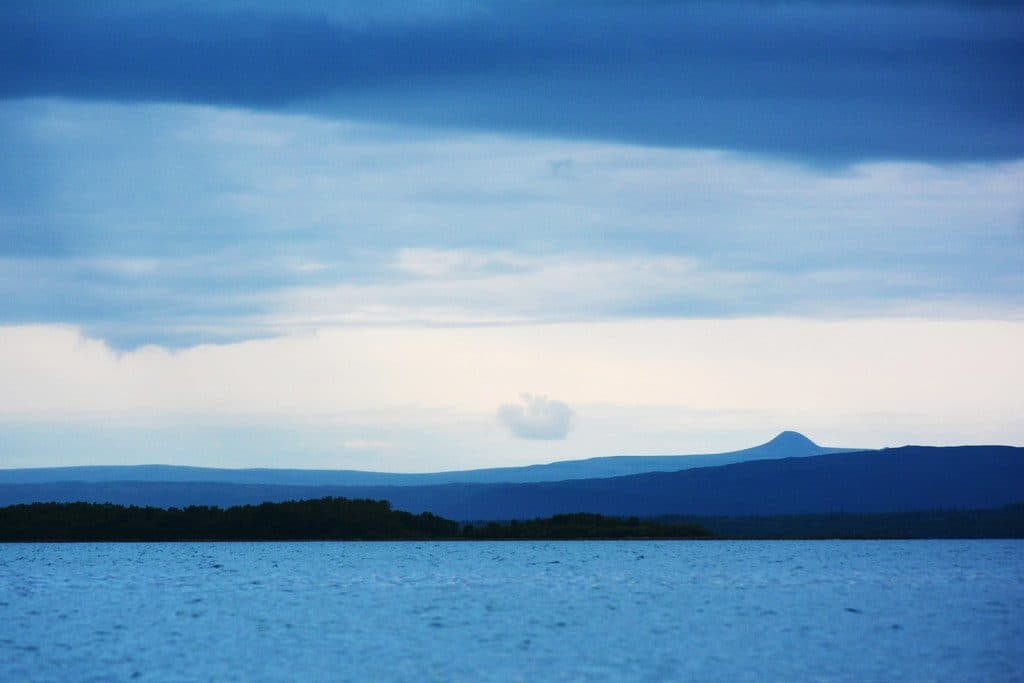
Mount Katolinat

Remote, undeveloped peak you stage for from Brooks Camp
Mount Katolinat, Katmai National Park
InsideKatmai National Park

Overview

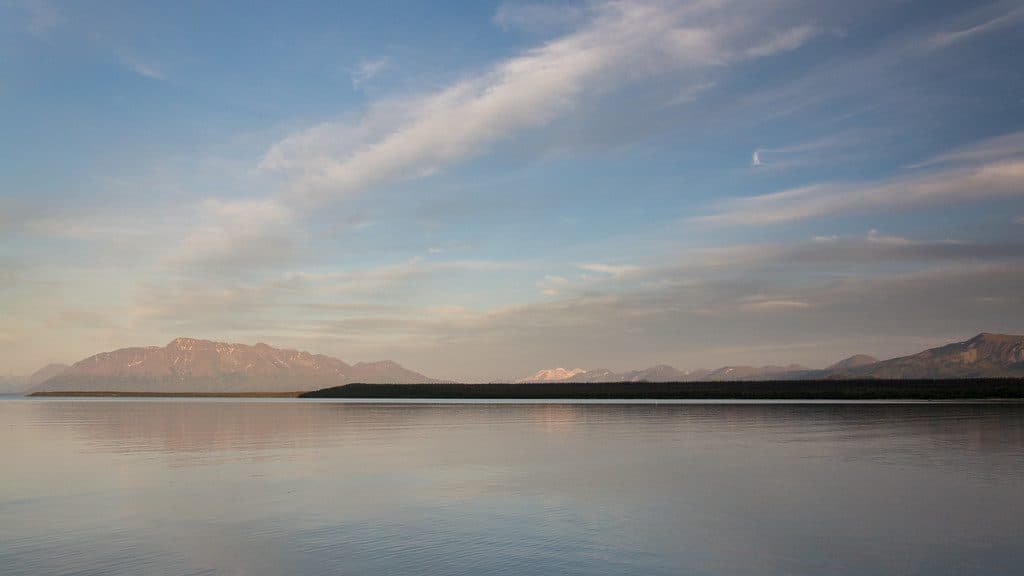
Mount Katolinat sits in Katmai’s wild, volcanic-and-glacial landscape, but it’s not among the park’s named active cones. Expect a remote, undeveloped peak experience—no platforms, no signage, just big country shaped by ice and the ashfall of the 1912 Novarupta–Katmai eruption.

Getting There & Logistics

There are no roads into this part of the park. Most trips stage from Brooks Camp on Naknek Lake, reached by floatplane or boat. If you’re passing through Brooks Camp, you’ll follow the park’s bear management practices (including the ranger orientation commonly called Bear School) before heading into the backcountry. All travel here is weather‑dependent—build slack into your floatplane schedule and have a Plan B.

Terrain & Hazards

Away from the active volcanoes, Katmai’s slopes mix tundra, brush, and surfaces mantled in 1912 tephra that can be loose and erosive. Navigation and footing require care. There are no developed amenities at Mount Katolinat—carry all water and a treatment method, and practice backcountry sanitation.

Wildlife

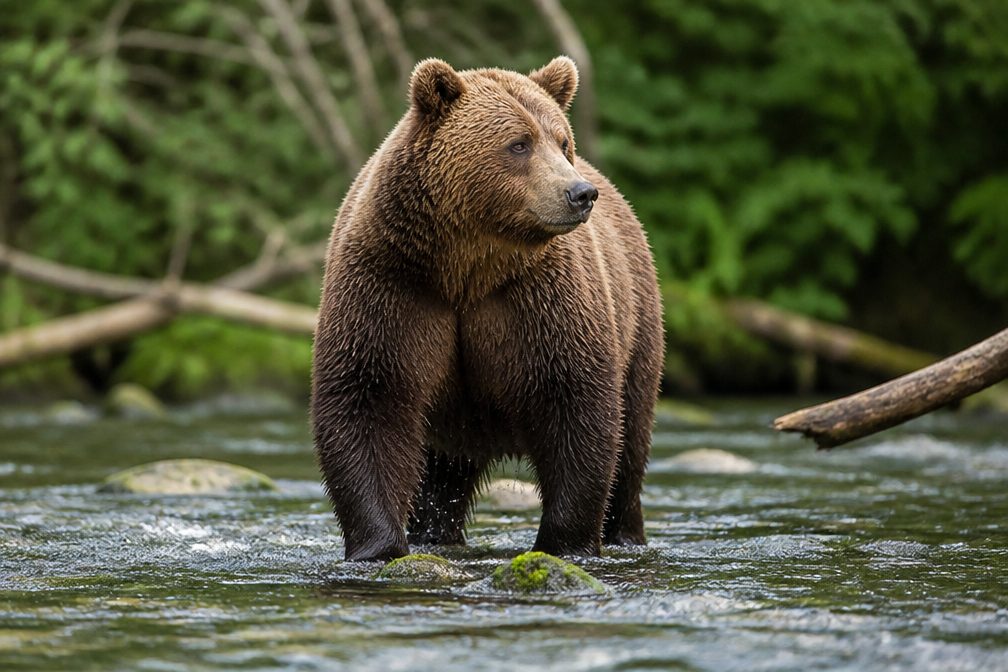
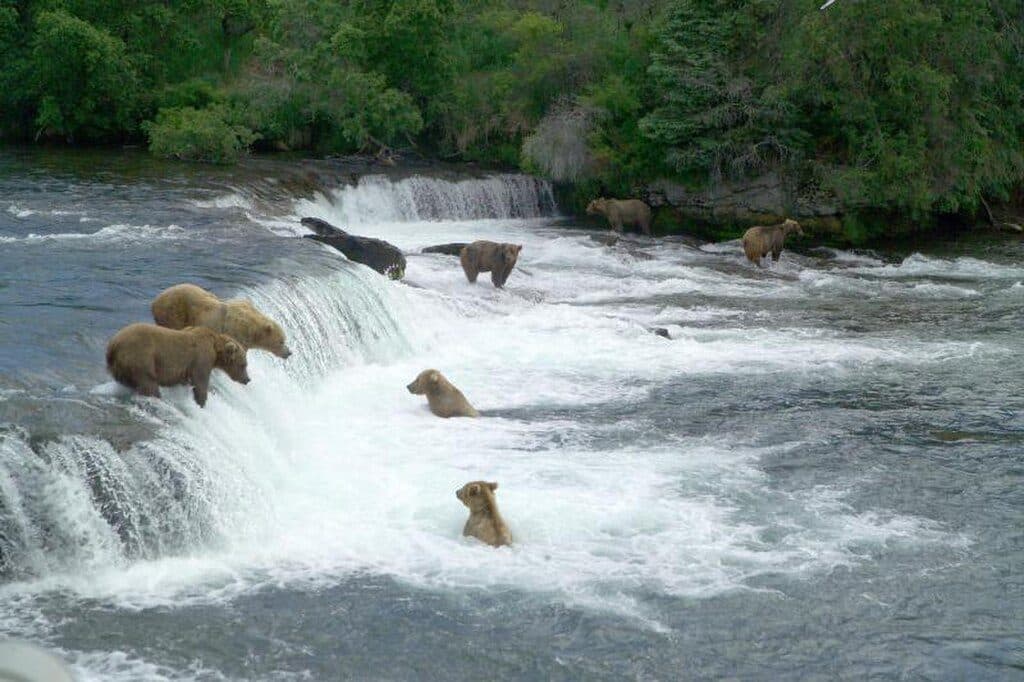
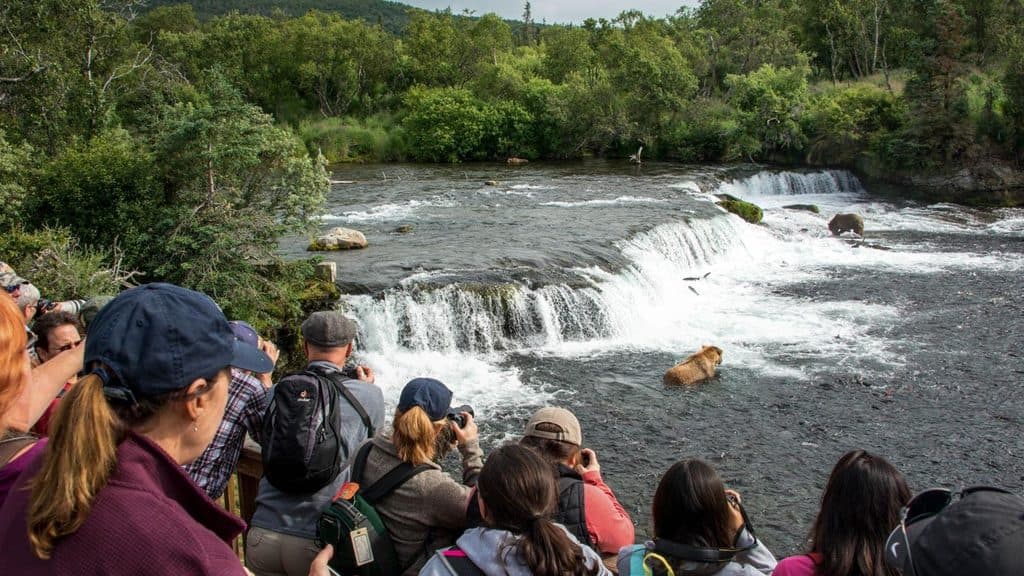
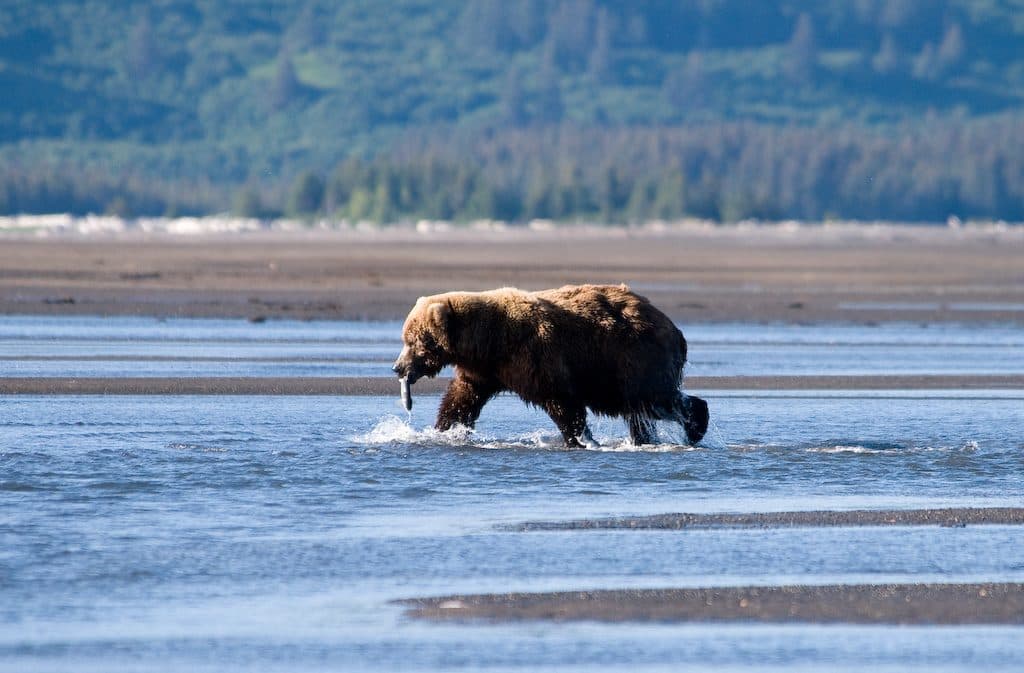
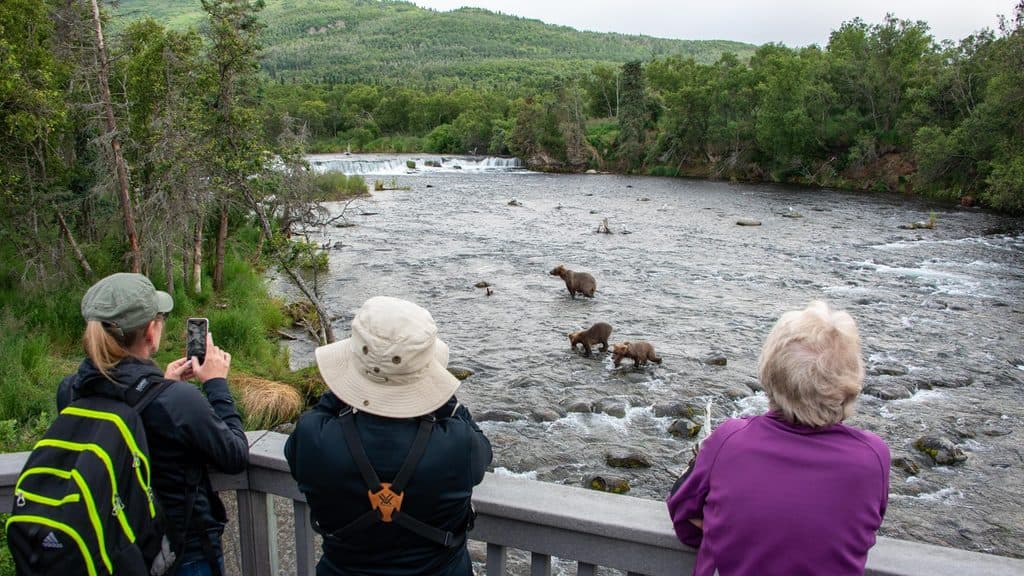
This is prime brown bear country, especially near salmon waters like the Brooks River corridor. Follow park guidance: give bears space (at least 50 yards—100 from sows with cubs), make noise when moving through brush, and manage food and odors meticulously.

Nearby Services

Use Brooks Camp as your service hub before and after the climb. That’s where you’ll find restrooms, food service, a campground with vault toilets, potable water in season, covered cooking shelters, food/gear caches, and an electric fence around the campground. There are no such services at Mount Katolinat itself.

Best Time to Visit

Summer is the practical window. Brooks Camp services (including potable water at the campground) typically run early June through mid‑September, and bears are commonly active June–September. Crowds aren’t the issue here—weather, bears, and logistics are. Start early, keep plans flexible, and check current park conditions before you commit.


Pros

  • True backcountry peak with zero development or crowds
  • Logical staging from Brooks Camp, the park’s main hub

Cons

  • No facilities or road access; logistics rely on floatplanes/boats
  • High bear density demands strict precautions and flexibility

Tips

  • Stage from Brooks Camp and use its facilities before heading out—there’s nothing at the mountain.
  • Attend the ranger bear orientation at Brooks Camp and follow food storage rules.
  • Carry all water plus a treatment method; plan for fully self‑sufficient travel.
  • Build buffer time into floatplane schedules—weather delays are common.
  • Check current conditions and any advisories with the park before committing.
The Parkwolf tour guide sitting on a phone mounted in a car

Parkwolf Tour Guide

Like a tour guide in your car.

Save the places you found around Katmai, then let Parkwolf guide the drive between them.Download Parkwolf on the App Store