
Place · 0 mi away
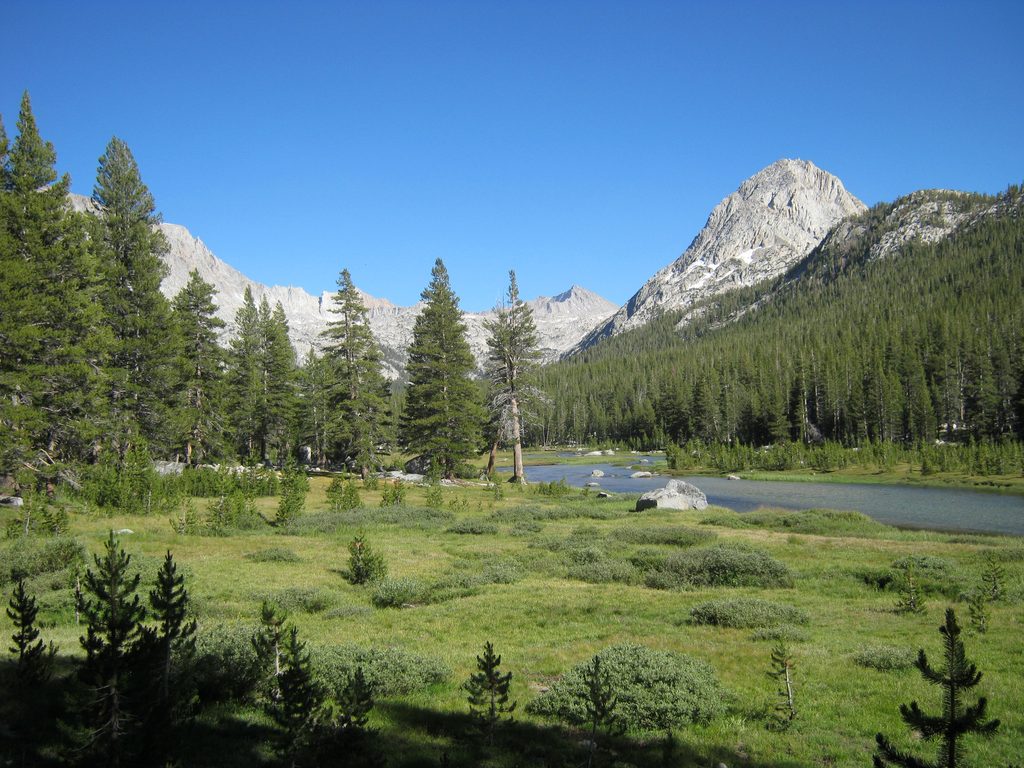
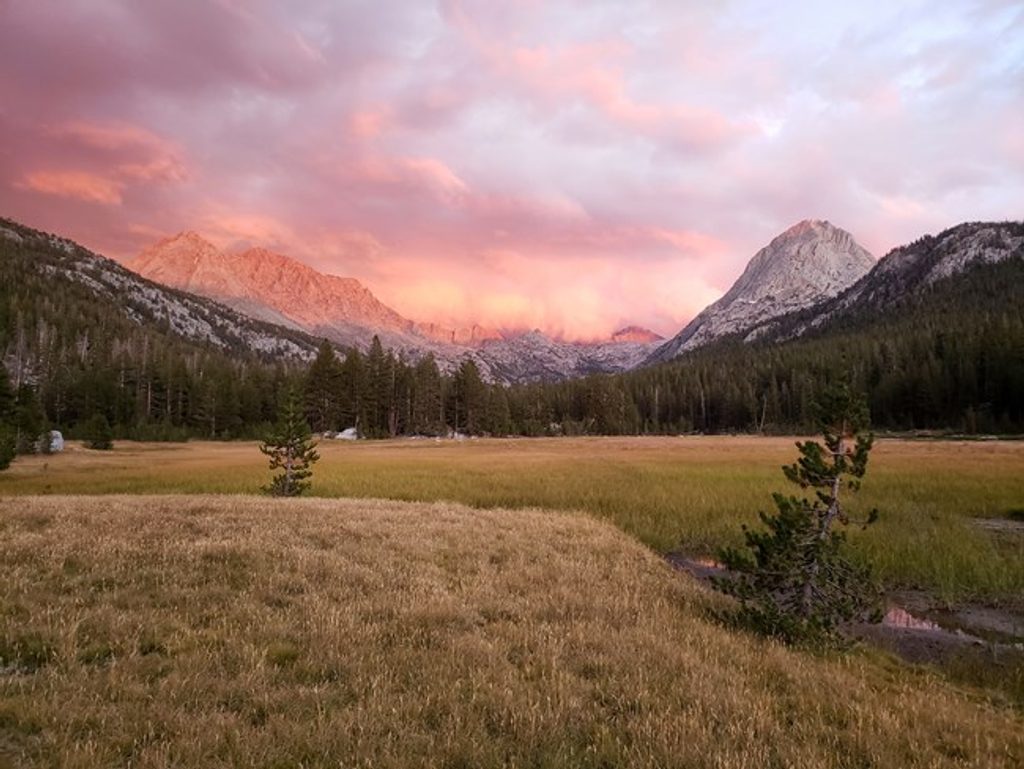
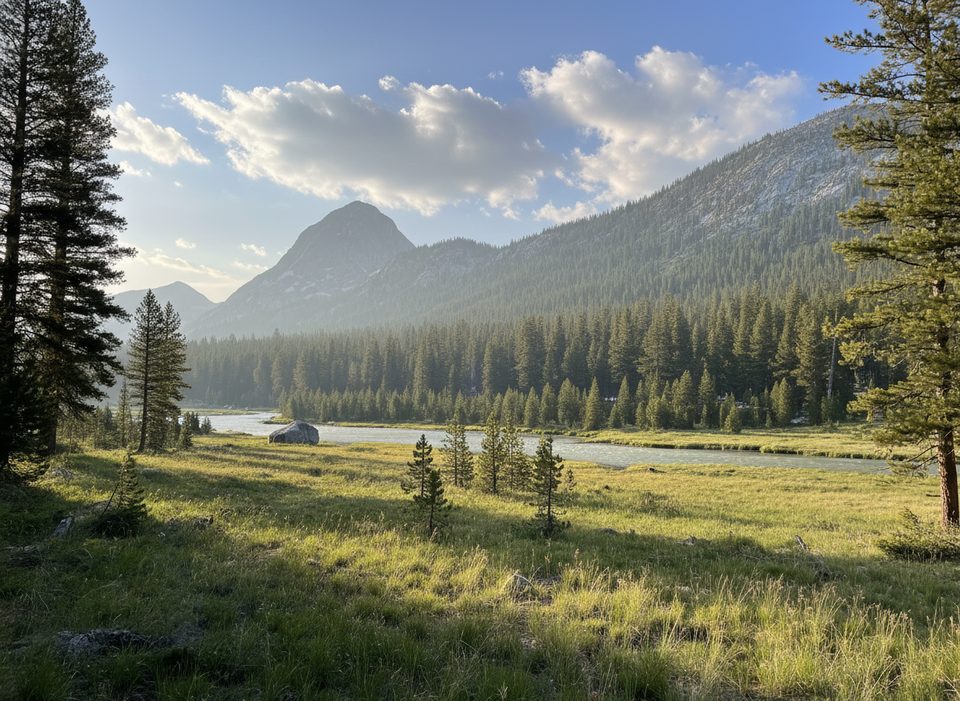
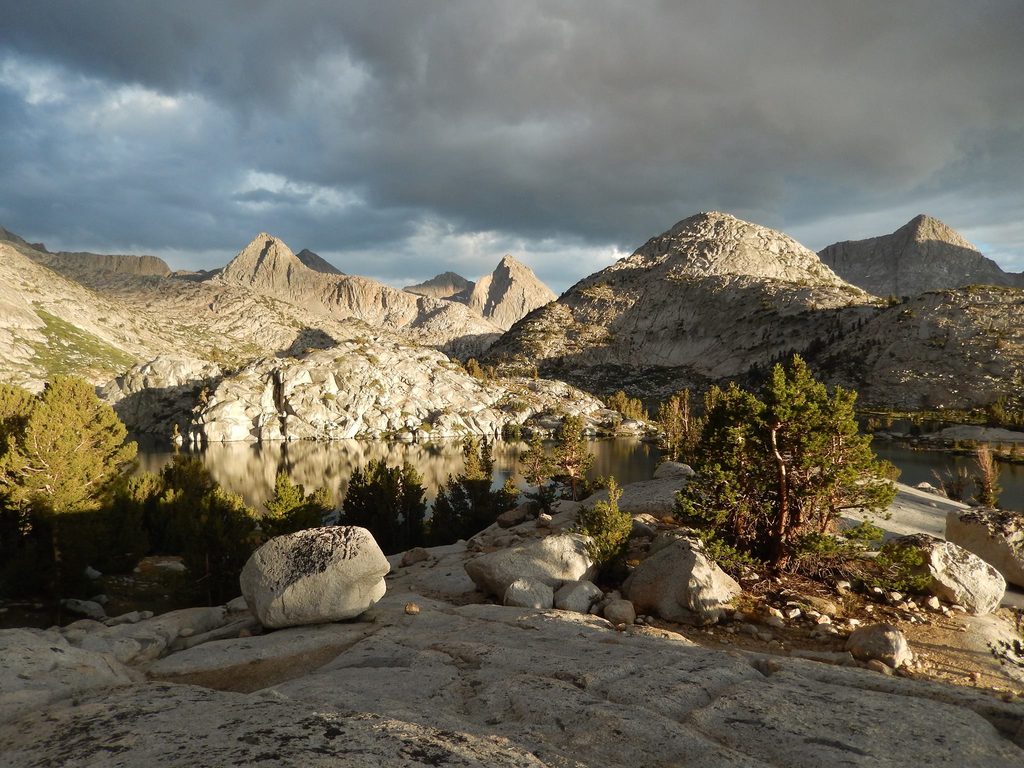
Evolution Valley is the High Sierra as you imagine it: broad glacial meadows stitched by Evolution Creek, turquoise lakes on granite benches, and the Evolution peaks towering above. It sits along the John Muir Trail/Pacific Crest corridor, so the scenery is blockbuster but still feels wild once you leave the main tread. The valley’s name traces back to late 19th‑century explorers and the nearby Evolution Group of peaks—Darwin, Wallace, Huxley, and more.
Most backpackers reach the valley via eastern Sierra passes in Inyo National Forest (popularly Piute Pass from North Lake), then join the JMT to descend into Evolution Valley. Strong parties sometimes continue to Evolution Basin and exit cross‑country over Lamarck Col, which is unmaintained and can hold snow. Another approach comes from the west via Florence Lake; skipping the ferry adds extra miles each way. If Lamarck Col isn’t safe, a conservative plan is to backtrack over Piute Pass.
Expect a textbook U‑shaped glacial valley, polished granite slabs, hanging side canyons, and a chain of lakes stepping up toward Evolution Basin and Darwin Canyon. Wildlife is part of the show: mule deer in meadows at dusk, marmots on talus, raucous high‑country birds, and trout in cold creeks. Black bears do roam the meadows—keep a clean camp and store all food properly.
Water is plentiful from creeks and lakes—always treat before drinking. You’ll find established (primitive) campsites throughout the valley and near Evolution Lake. There are no toilets or developed amenities; practice Leave No Trace. A seasonal backcountry ranger may be based at McClure Meadow, but don’t count on services. There are no bear boxes in the valley—use a bear‑resistant canister.
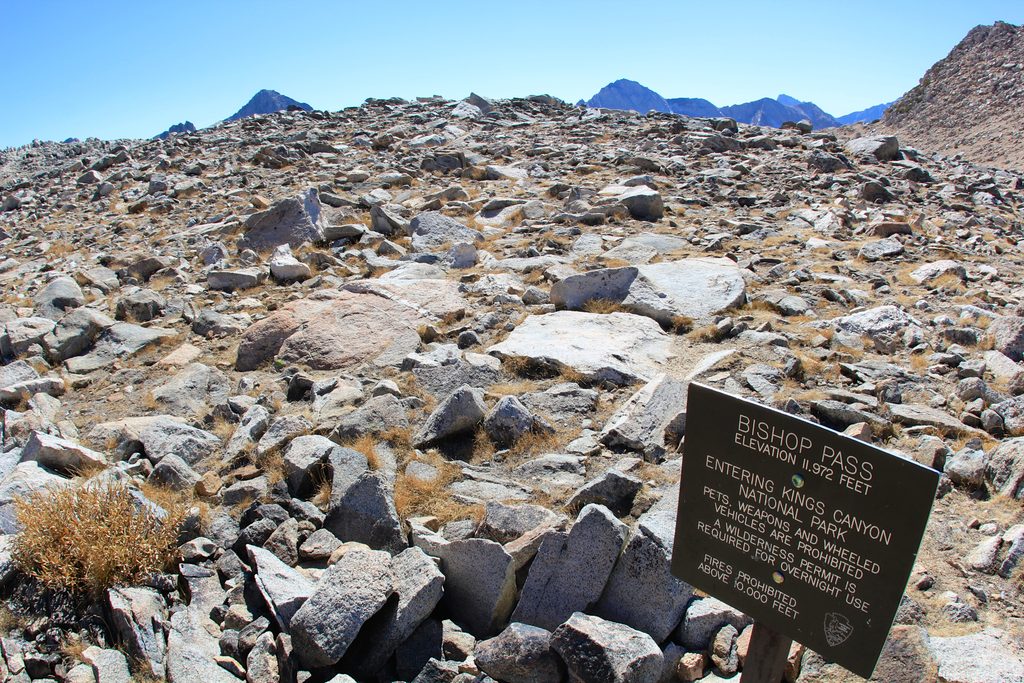
Overnight trips require a wilderness permit with trailhead quotas. Fires are prohibited at higher elevations within the park; know and follow current fire regulations, and note that campfires are not allowed above 10,000 feet inside the park. Evolution Creek can run high early season—use established fords and assess conditions before crossing. Bear spray isn’t needed or allowed here; give wildlife space and secure all scented items.
Prime time is summer into early fall, once high passes melt out and creek levels drop—think late July through September in typical years. Early season can mean chilly nights, afternoon thunderstorms, firm morning snow on high routes like Lamarck Col, and tricky fords. Sun exposure is intense at altitude; bring layers for cold evenings and strong UV.
You’re walking across the Sierra Nevada batholith—resistant Cretaceous granite sculpted by ice into domes, benches, and cirques. Evolution Valley’s broad floor, perched benches like around Evolution Lake, and the stair‑stepped basins leading toward Darwin Canyon are all glacial signatures worth slowing down to notice.
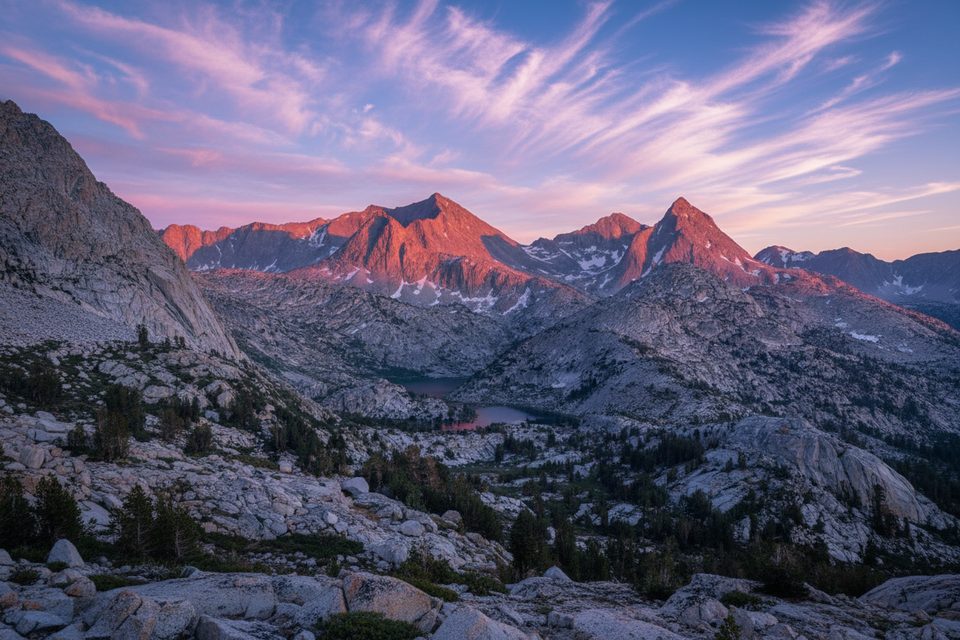
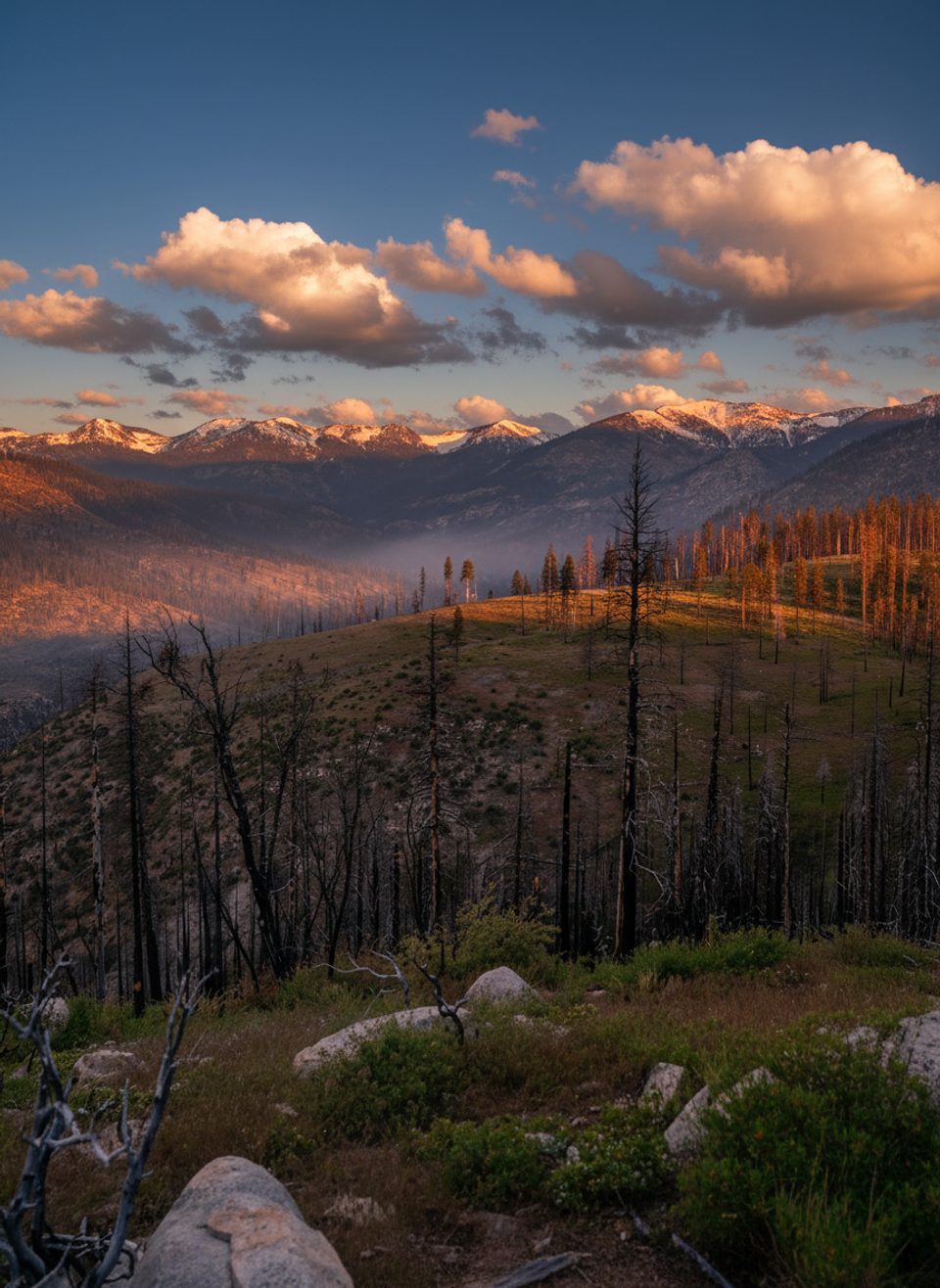
If you’re up for a real backcountry trip with a significant approach, Evolution Valley delivers. It’s not a quick stroll; it’s a commitment—rewarded by some of the Sierra’s most photogenic meadows and lakes, with sunrise/sunset alpenglow that will haunt you in the best way.
Place · 0 mi away
Place · 0.2 mi away
Place · 2.2 mi away
Place · 3.2 mi away
Challenging · 10 mi away
Challenging · 26.6 mi away
Challenging · 27.6 mi away
Challenging · 27.6 mi away

Parkwolf Tour Guide
