Overview
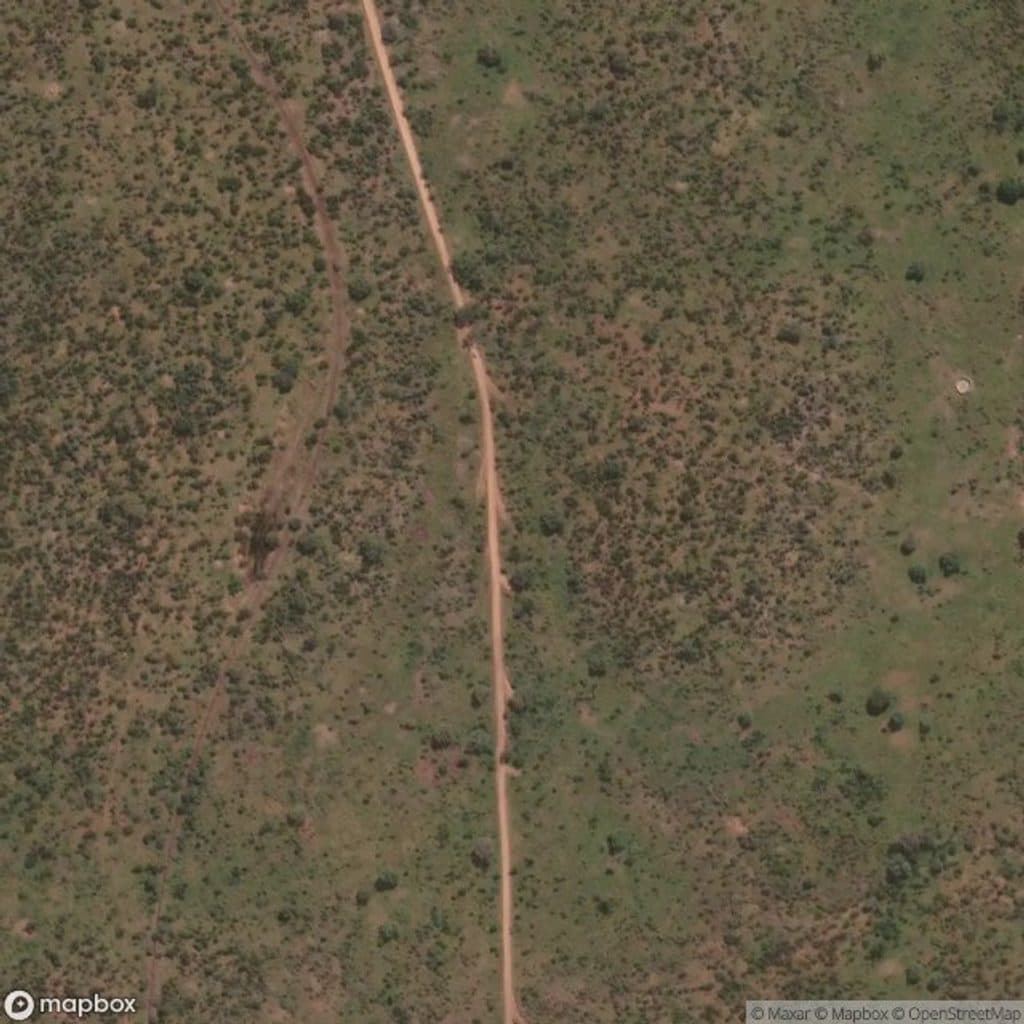
A classic roadside stakeout between Crocodile Bridge and Lower Sabie on the H4‑2, Gomondwane Waterhole sits in thorn thickets that open onto small pans and vleis. It’s one of the drier parts of the south—known locally as Gomondwane Bush—so water draws attention. Think sit-and-wait, not drive-and-hope.
What You’ll See
- Predators: The broader Gomondwane/H4‑2/S130 loop is well-regarded for lions (prides in this area are seen regularly). Big cats are never guaranteed, but this corridor produces consistent predator traffic.
- General game: Zebras, giraffes, and wildebeest frequent the open patches, with predators tailing the herds.
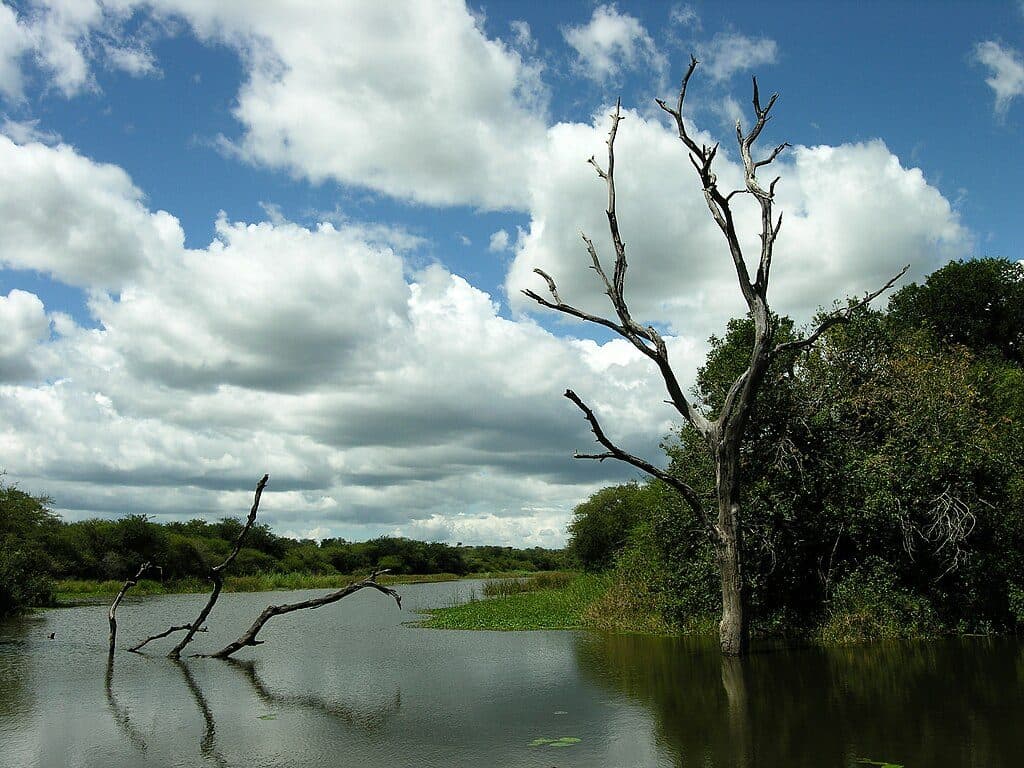
- Birding: After good summer rains, these pans hold water (helped by the underlying basalt), attracting waterbirds and a busy thornveld mix—rollers, hornbills, shrikes, bee‑eaters, even crakes. Occasional black rhino are reported in surrounding thickets.
Setting & Landscape
The H4‑2 cuts through Delagoa thorn thickets with localized pans linked to the Vurhami Spruit system. It’s notably dry here—roughly half of the park’s average rainfall—so any standing water becomes a magnet.
Best Times to Visit
- Time of day: Be here at gate opening or late afternoon. Cooler hours boost predator movement and gather grazers at water.
- Time of year: Dry season (May–September) concentrates mammals at remaining water. Wet season (Nov–Mar) spreads game in taller grass but supercharges birding.
- After rains: Work the whole H4‑2 chain of small pans—Gomondwane is one of several that can switch on dramatically.
Logistics
- Access: Tar road pull-off; no need for a special vehicle. Remain in your car.
- Facilities: None—no toilets, food, shade, or seating. Plan bathroom and snack stops at Crocodile Bridge or Lower Sabie. There’s only a small roadside lay-by, not a formal lot.
How to Work It
- Go slow, stop often, and give the water a fair sit—this stretch rewards patience.
- Pair it with the S130 (Gomondwane Loop), and if activity is quiet, check nearby water bodies like Duke Waterhole or Nhlanganzwani Dam.
Photography & Etiquette
- For sharper shots, switch off the engine and use a window beanbag. Early and late light is gold for cats and silhouettes at the water.
- Stay in your vehicle, keep noise down, don’t block the sighting, and always leave an escape gap—especially if lions or elephants are close.