Place · 0 mi away

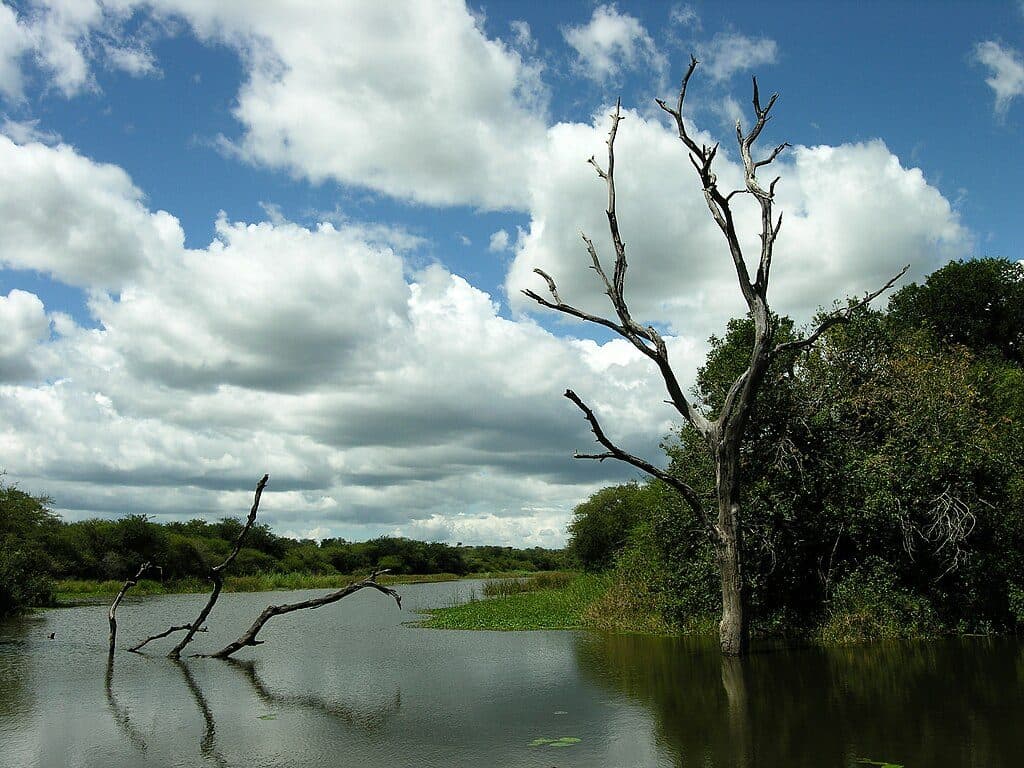
Letaba Rest Camp sits on a bend of the Letaba River in the quieter north‑central reaches of the park. Think big shade trees, a relaxed, old‑school bush vibe, and a river outlook that regularly pulls in elephants, waterbuck and buffalo. It’s a superb base if you want calmer days than the south, with the bonus of genuinely dark skies for stargazing.
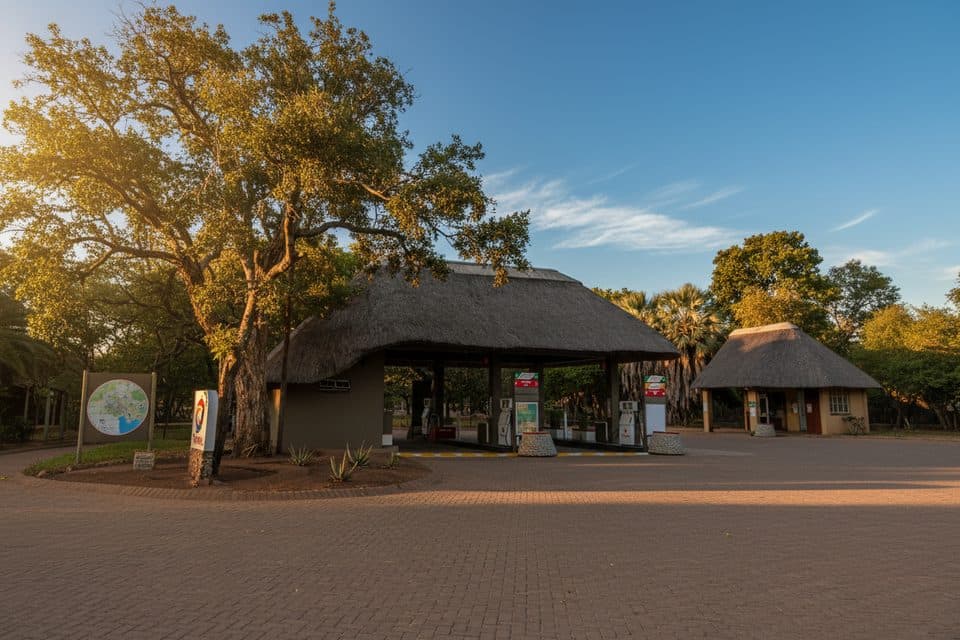
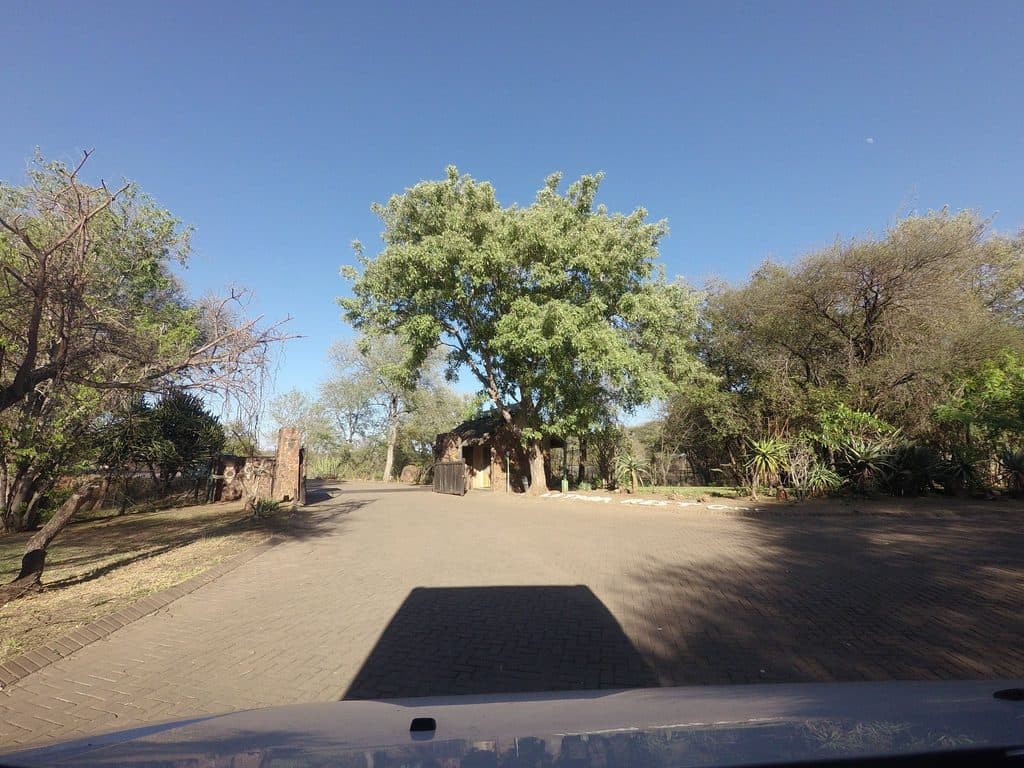
Two things set Letaba apart: the river frontage (great for lazy game viewing from camp) and the Elephant Hall, Kruger’s dedicated elephant museum with the famous Magnificent Seven tusks and engaging exhibits. The camp itself is a true hub: accommodation ranges from campsites and basic huts to rondavels, cottages and two river‑view guest houses. There’s a proper shop (rebuilt after the 2020 fire), a Tindlovu restaurant overlooking the river, a filling station, laundromat, and a swimming pool, plus a second pool in the day‑visitor area.
This is mopane country. Overall game densities are lower than the southern camps, but the river and waterholes concentrate animals—especially in the dry winter months. Expect regular elephants (tuskers still roam here), buffalo, waterbuck and bushbuck. Ground birds are a highlight: keep an eye out for secretary birds, kori bustards and southern ground hornbills in the open flats.
Don’t miss the Elephant Hall. It’s the best place in the park to understand elephant biology, history and the story of Kruger’s legendary big‑tusked bulls—beautifully modernized and easy to digest for all ages. If you photograph big tuskers, you can even contribute to the Emerging Tuskers Project.
Accommodation spans serviced safari tents (using communal kitchens and ablutions), basic huts, air‑conditioned bungalows (many en‑suite), family cottages and the Fish Eagle and Melville guest houses on the river. There’s a TV lounge, good mobile reception, and communal kitchens/ablutions for units without private facilities. The shop carries fresh bread and essentials; the filling station accepts petrol/garage cards and cash. Note that the on‑site ATM can be unreliable.
Letaba sits by the junction of the H1‑5 north‑south artery and the H9 toward Phalaborwa Gate, making it a handy springboard for both northern and central routes. The geology transitions here from granite/gneiss to basalt—one reason the vegetation and birdlife feel distinct as you explore in different directions.