Masorini Archaeological Site

Rebuilt Iron Age hilltop village with tours and a shady picnic stop
Masorini Archaeological Site, Kruger National Park
InsideKruger National Park

Overview

A short hop from Phalaborwa Gate, Masorini is a reconstructed Ba‑Phalaborwa hillside village that brings Kruger’s Iron Age story to life. It’s not flashy—think authentic, hands-on history rather than a big museum—but it’s one of the park’s most rewarding cultural stops if you’re curious about who lived and worked here in the 1800s.

What You’ll See

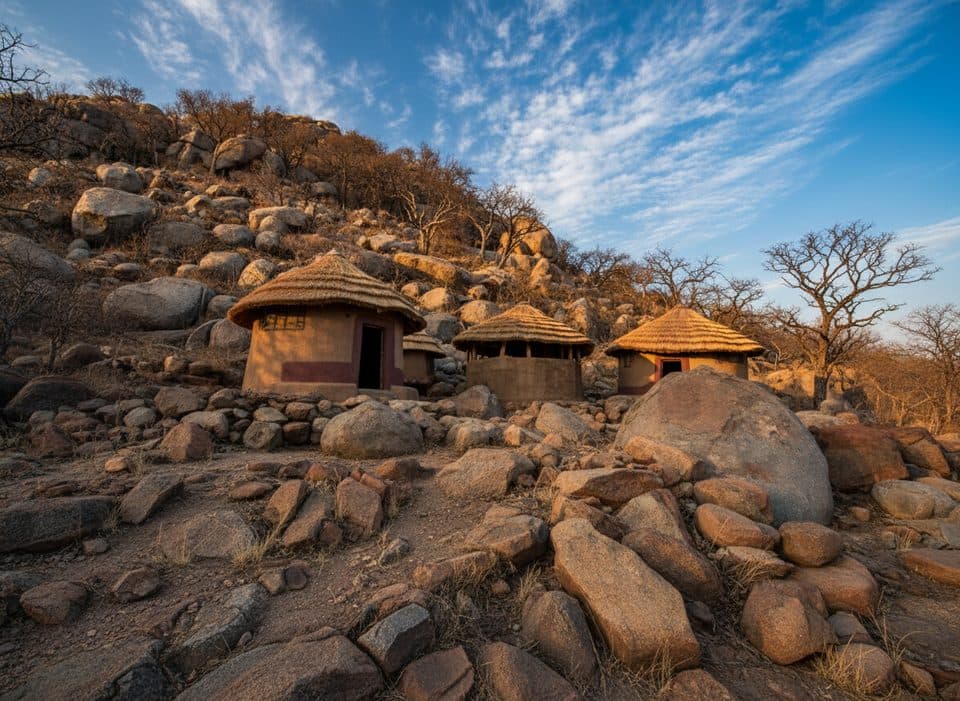
At the base, a small museum sets the stage. Join a guided walk up the hill to reconstructed circular huts, stone walling, and a dome-shaped clay smelting furnace. Guides break down how ore was smelted with clay pipes and skin-bag bellows, then forged into tools, spears and arrowheads for local use and trade. From the upper terrace you’ll get views across to Shikumbu Hill, where the chieftain lived.

Why It’s Interesting

Masorini shows a stratified ironworking community: smelters lived on the lower terrace, while higher-status forgers occupied the upper terrace. Trade networks stretched far beyond the Lowveld, and the settlement eventually fell quiet amid early 19th‑century regional upheavals. The current village was reconstructed based on archaeological and ethnographic research, with local community involvement.

Facilities

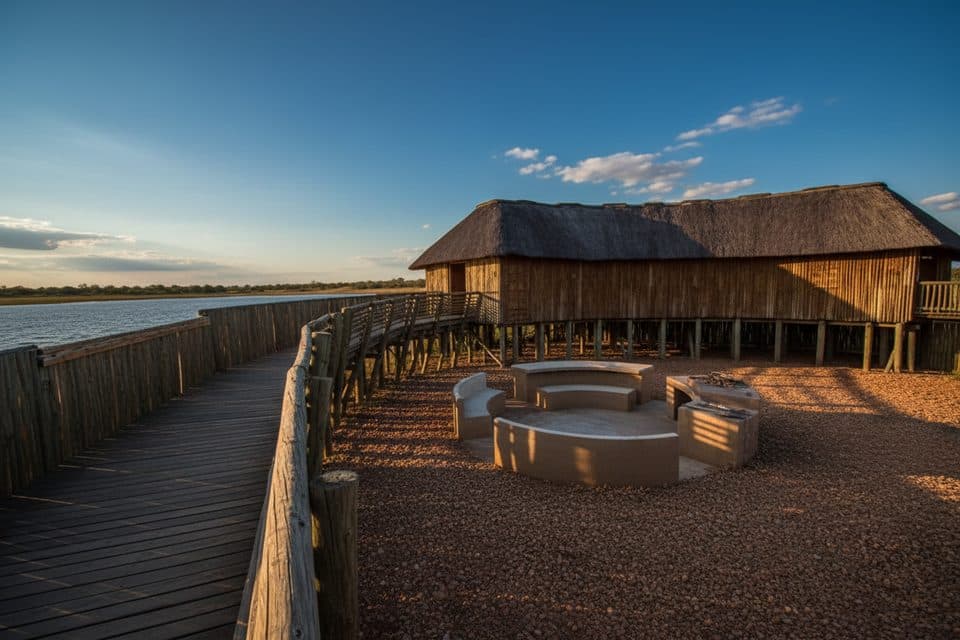
There’s a shaded picnic area with tables and toilets at the foot of the hill—perfect for a coffee break or sandwiches between drives. Expect a simple setup: no shop, no restaurant, and no need for more than an hour unless you linger over the tour.

Wildlife While You’re Here

This is a heritage site first, but keep your eyes open—visitors often spot klipspringers on rocky outcrops and raptors overhead. General game can drift past the picnic area too.

Best Time to Visit

Drop in mid‑morning or late afternoon for cooler temps and softer light on the huts and furnace. If you’re entering via Phalaborwa Gate, it’s an easy first stop; if you’re transiting to Letaba, it’s a natural leg-stretcher. For overall comfort and game viewing in the park, April–June and September–October are sweet spots.


Practical Notes

Guided tours run from the museum at the base and are well worth it for the context. Bring your own food and plenty of water. Dusk and dawn can be buggy—long sleeves and repellent help. Use the restrooms here; facilities can be far apart elsewhere in the park.

Pros

  • Insightful guided walks through a reconstructed Iron Age village
  • Shaded picnic area with toilets and hilltop views
  • Small museum explaining smelting furnaces and daily life

Cons

  • Modest, low-key stop compared to headline wildlife drives
  • Some structures occasionally reported as needing maintenance
  • No shop or food on site—bring your own

Tips

  • Bring your own food and water—there’s no shop or restaurant on site.
  • Time your stop between Phalaborwa Gate and Letaba to break up the drive.
  • Join the guided walk from the museum; it makes the smelting furnaces click.
  • Plan about 30–60 minutes here, longer if you picnic.
  • Carry insect repellent and use the restrooms before you move on.
The Parkwolf tour guide sitting on a phone mounted in a car

Parkwolf Tour Guide

Like a tour guide in your car.

Save the places you found around Kruger, then let Parkwolf guide the drive between them.Download Parkwolf on the App Store