Ngwenyeni Waterhole Viewpoint

Roadside waterhole that often rewards patient watching
Ngwenyeni Waterhole Viewpoint, Kruger National Park
InsideKruger National Park

Overview

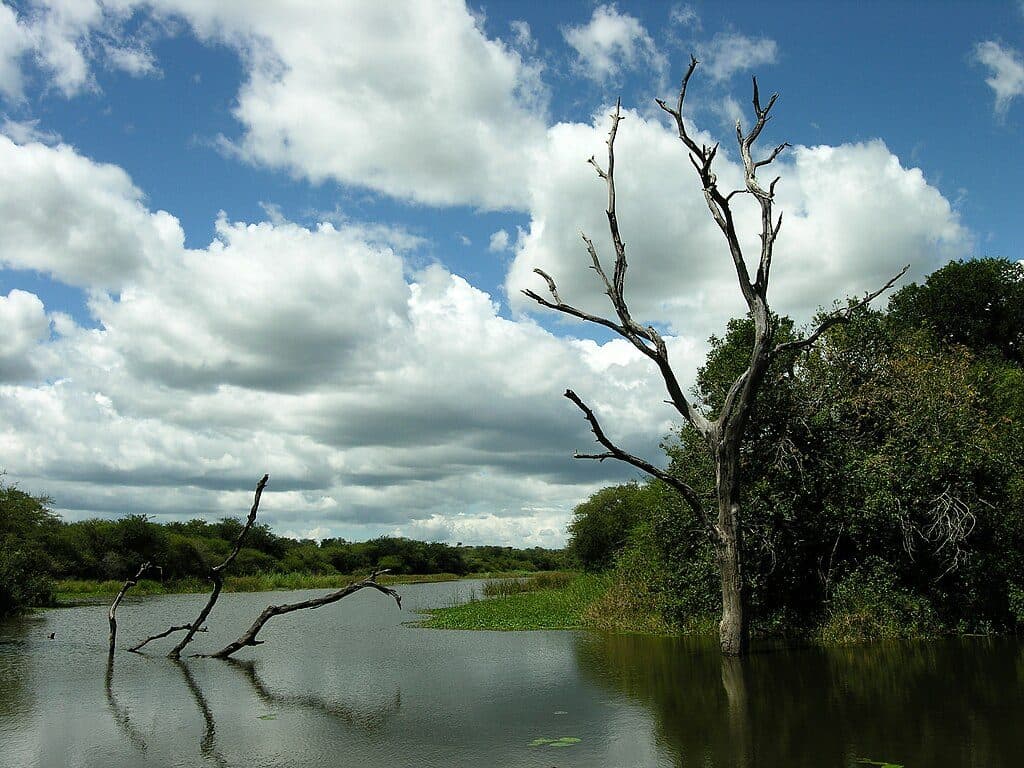
Ngwenyeni Waterhole Viewpoint is a simple roadside pull-off aimed squarely at wildlife watching. Like most water sources in the park, it can draw a rotating cast of animals through the day, and the best strategy here is to park, switch off, and let the scene unfold rather than rush on.

What You’ll See

Waterholes in this region can pull in elephants, buffalo, zebra, wildebeest, giraffe, and impala. Predators (lion, leopard, hyena) often shadow these herds, and if there’s permanent water you may encounter hippo and the occasional crocodile. Birding is strong around the water’s edge—think storks, herons, egrets, kingfishers, bee-eaters, and patrolling raptors.

How to Watch Like a Pro

Approach slowly and park with a clear line of sight; switch off the engine and give it 10–20 minutes. Scan the fringes and downwind thickets, and listen for alarm calls from impala or baboons—often the first hint a predator is near. Keep a respectful distance from elephants and never get between hippos and the water.

Practicalities

This is a view-from-vehicle stop with no built facilities. Don’t alight unless a sign explicitly allows it, and don’t picnic here—use official picnic sites and main camps for bathrooms and food. Speed limits apply as you move between stops (generally 50 km/h on tar, 40 km/h on gravel). Space is limited, so be courteous and avoid blocking the turnout.

Why Waterholes Work

In Kruger, geology, soils, and water availability shape where animals move. Waterholes concentrate life, especially in the dry months, which is why patient time in a spot like this can beat a fast lap of the roads.

Best Time to Visit

Sunrise to about 9:30 and late afternoon from roughly 15:30 to gate closing offer the most movement and the best light. The dry season (about May–October) concentrates game at water and improves visibility; summer brings lusher vegetation, dramatic skies, and a boost in bird diversity.


Pros

  • Good chance of wildlife activity, especially in the dry season
  • Simple stop-and-watch from your vehicle

Cons

  • No facilities on site (no restrooms, shop, or picnic area)
  • Small roadside turnout; limited space and you must remain in your vehicle

Tips

  • Park, switch off the engine, and give it 10–20 minutes before moving on
  • Dry season is best for concentrated game; summer is great for birding
  • Never alight here; use official picnic sites and camps for facilities
  • Listen for alarm calls and watch the thickets on the waterhole’s edges
  • Obey 50 km/h (tar) and 40 km/h (gravel) limits between stops
The Parkwolf tour guide sitting on a phone mounted in a car

Parkwolf Tour Guide

Like a tour guide in your car.

Save the places you found around Kruger, then let Parkwolf guide the drive between them.Download Parkwolf on the App Store