Ngotso South Waterhole

Roadside waterhole for rewarding dry-season game viewing
Ngotso South Waterhole, Kruger National Park
InsideKruger National Park

Overview

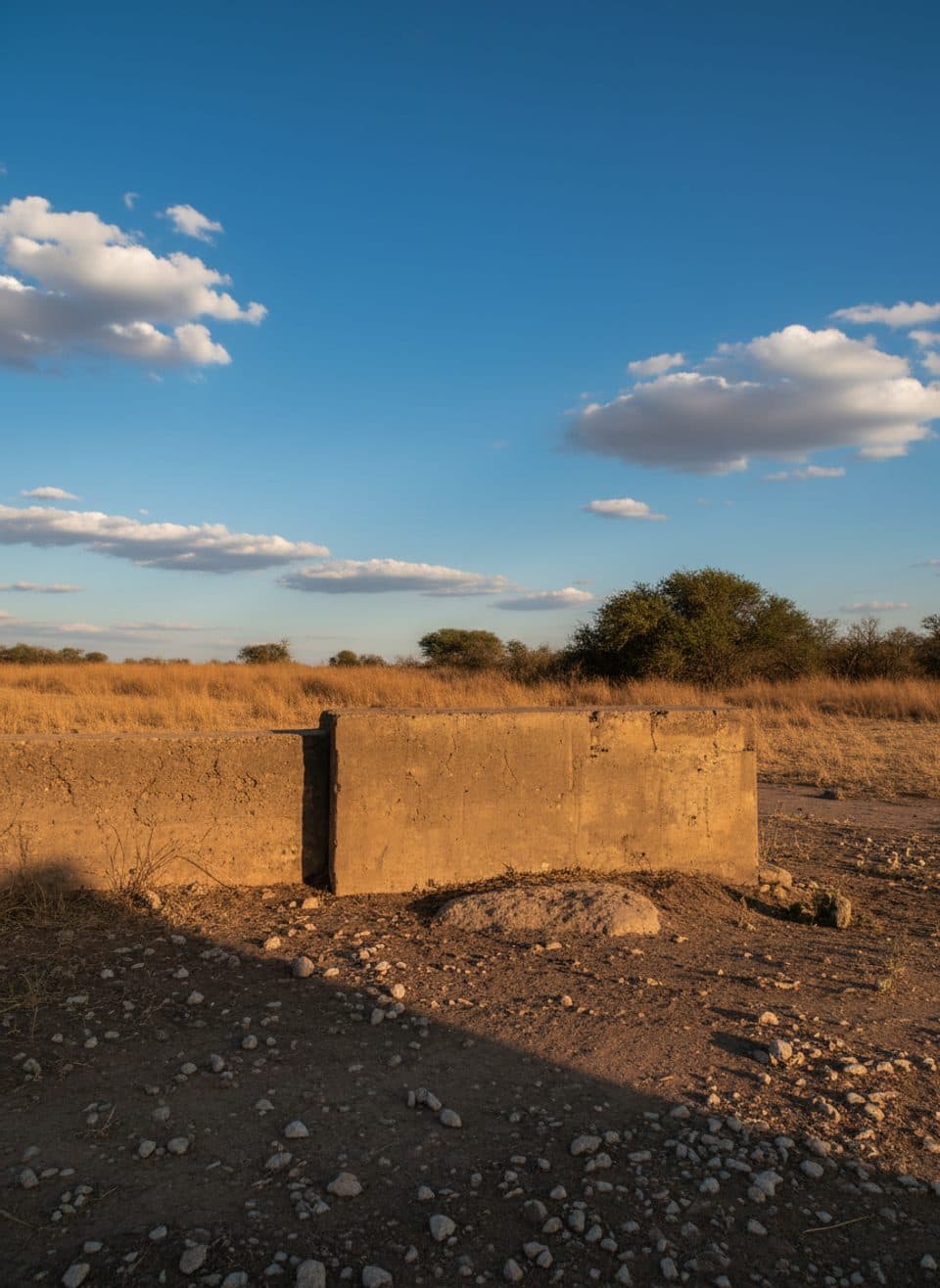
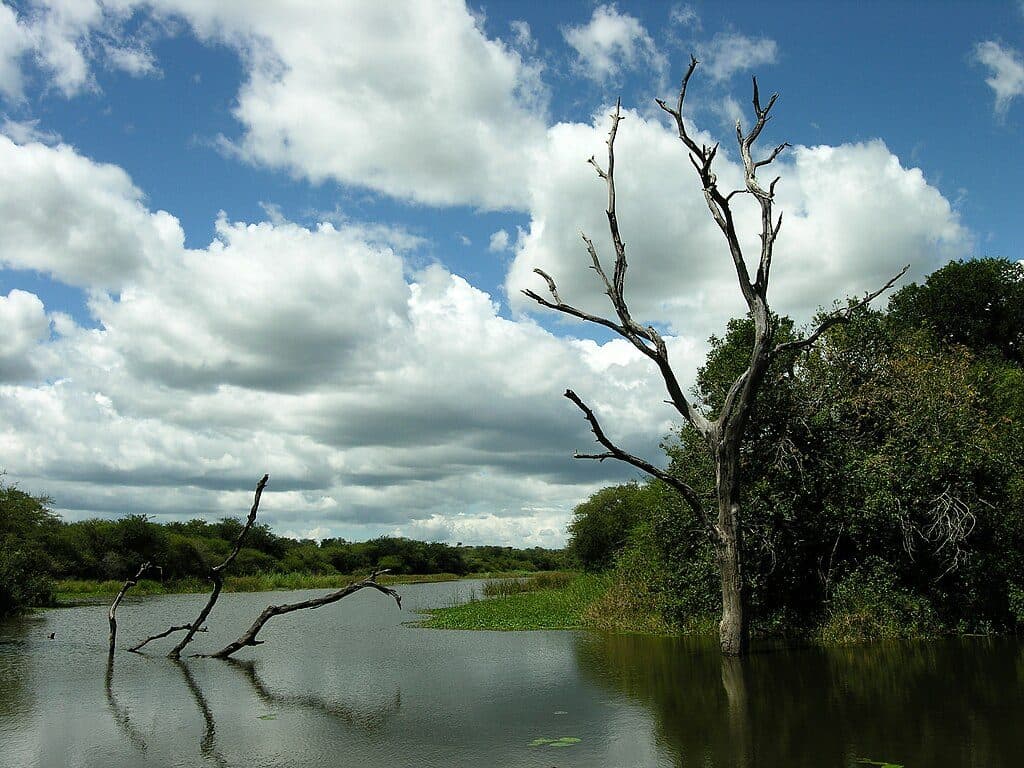
Ngotso South Waterhole is a classic roadside stop: pull over, switch off, and let the bush come to you. Set in the park’s granite-and-gneiss northern zone, the landscape here funnels a mix of plains game and predators to water—especially when the surrounding veld dries out.

What You’ll See

Expect a revolving cast of elephants, giraffe, zebra, kudu, wildebeest and impala, with regular hyena activity and periodic appearances by lions. Leopards and wild dogs do move through, though they’re never guaranteed. Birders can scan for raptors riding thermals and a variety of waterbirds working the edges.

Facilities and Setup

Don’t expect amenities. This is a simple pull-off with a view of the water—no toilets, no picnic site, no hide, no shop. Plan your comfort stops at rest camps or designated picnic areas, and remain in your vehicle while viewing.

Seasonal Realities

Water distribution in this zone has shifted in recent years as artificial structures were removed (the Ngotso and Bangu weirs were demolished in 2016). The result: more natural, more seasonal water. In practical terms, Ngotso South tends to shine in the dry months when it holds water and surrounding pans fade.

Best Time to Visit

  • Time of day: Be here early or late—cooler hours draw the most traffic to water and give you the best light for photos.
  • Time of year: Late winter into the dry season (roughly May–October) is most reliable for concentrations of game.
  • Crowds: It’s a quick stop, not a hotspot for congestion, but prime light can pull a few vehicles—arrive a bit earlier and pick your angle.

How to Work It

Linger. Give it 20–30 minutes with the engine off and binoculars up. Watch the behavior of prey species—bunched impala or all eyes staring one way can tip you off to predators. Vultures or jackals in the periphery can signal a nearby carcass.

Pairing Ideas

A popular loop from Olifants is down the tar to Ngotso and back via the low-level Olifants River bridge. By day you get river vistas; near dusk, bats emerge from roosts under the bridge—an atmospheric add-on if gate times permit.

Road and Safety Notes

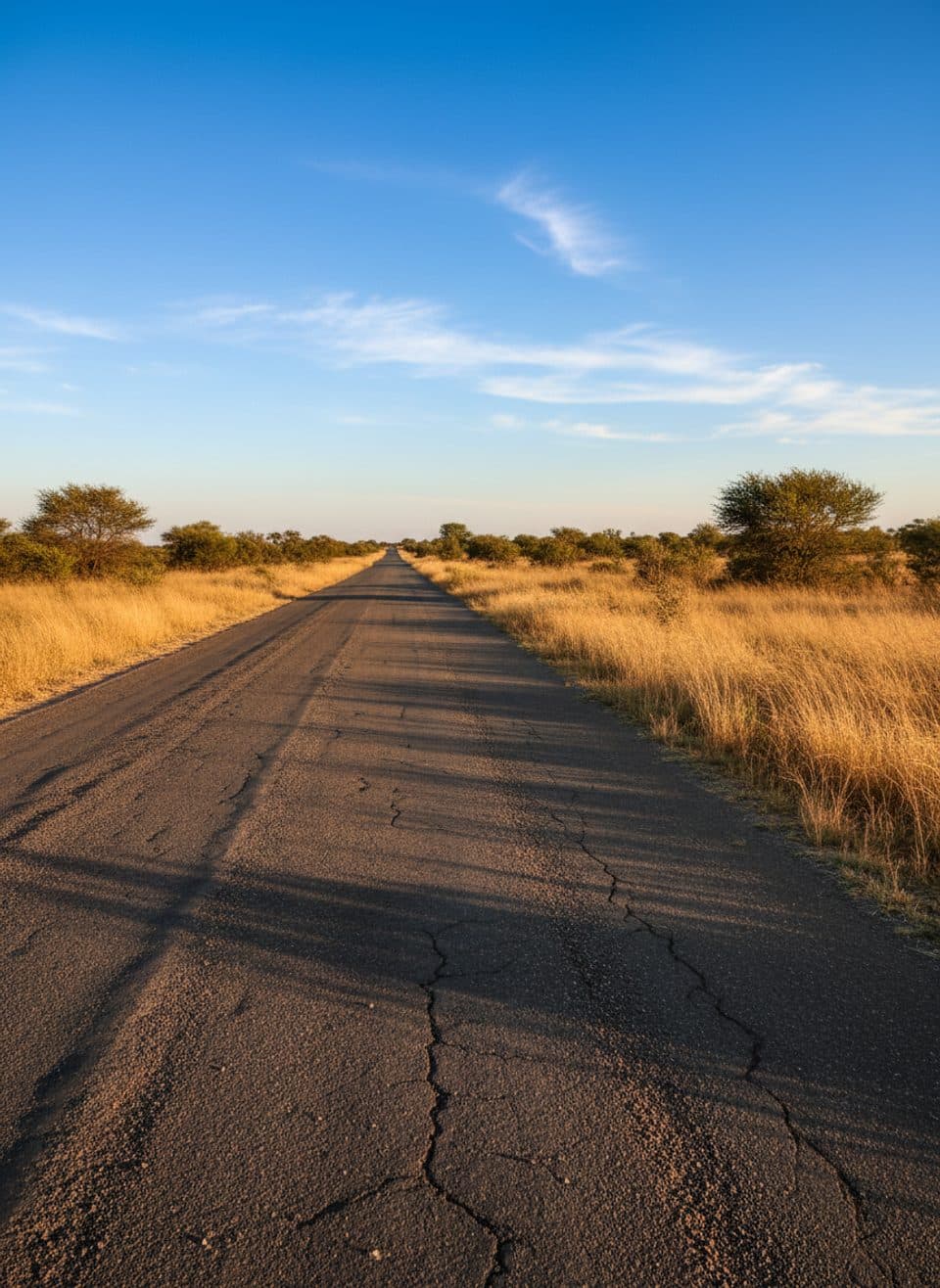
Access is straightforward, but after rain, expect sections that can be sandy or muddy. Drive slowly, keep a respectful distance, and resist the temptation to reposition constantly—patience pays more than cruising here.

Pros

  • Easy roadside stop with broad views over the water
  • Often productive in the dry season when animals concentrate at water

Cons

  • No on-site facilities
  • Sightings can be seasonal and hit-or-miss after nearby weirs were removed

Tips

  • Give it at least 20–30 minutes with the engine off and windows open to listen.
  • Pair with the low-level Olifants River bridge for river views and dusk bats.
  • Plan bathroom and food stops at camps or picnic sites—there are no facilities here.
  • After rain, check road conditions; sections can be sandy or muddy.
  • Bring binoculars and a zoom lens; action often happens across the water.
The Parkwolf tour guide sitting on a phone mounted in a car

Parkwolf Tour Guide

Like a tour guide in your car.

Save the places you found around Kruger, then let Parkwolf guide the drive between them.Download Parkwolf on the App Store