Place · 0 mi away

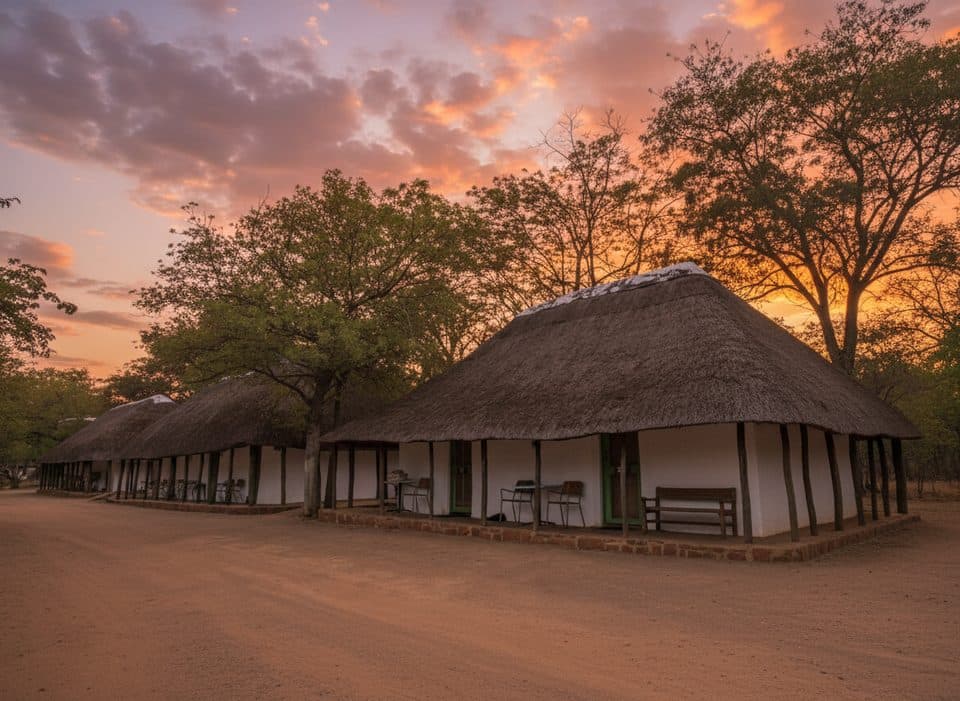
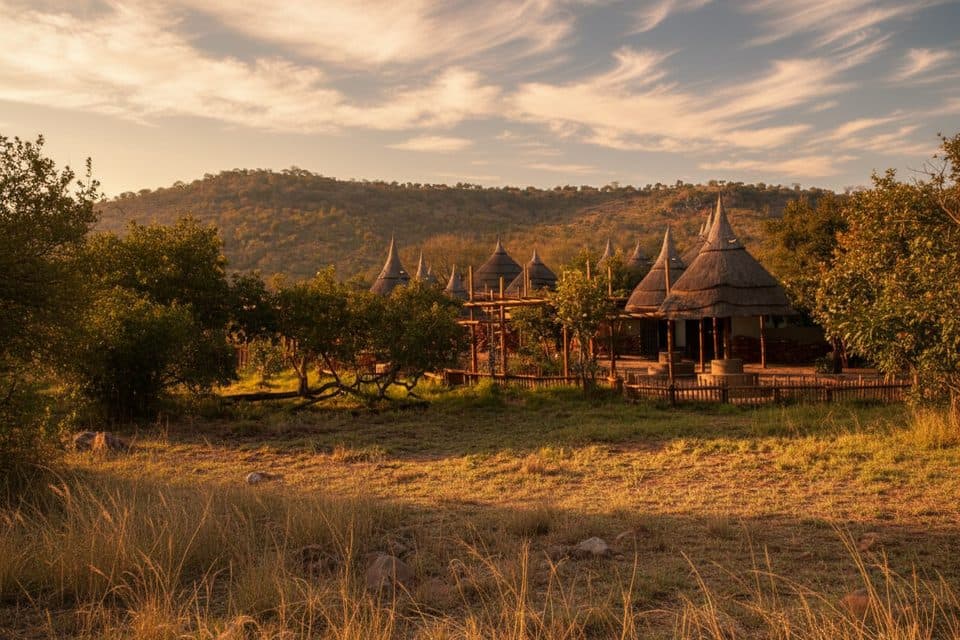
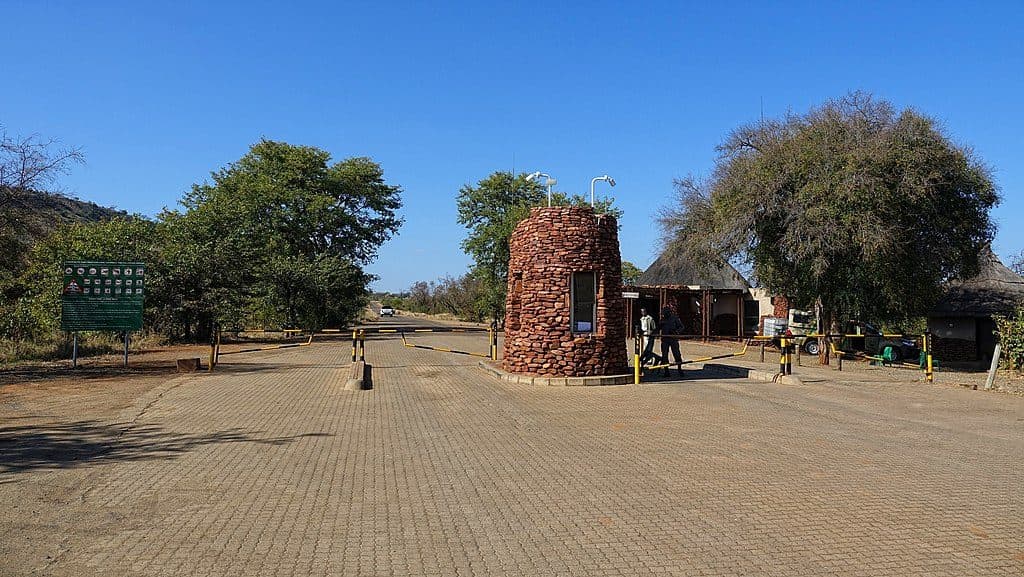
Punda Maria sits in the far‑northern sandveld, about 10 km from the Punda Maria Gate. It’s a quieter, more old‑school corner of the park: fewer traffic jams, more focus on birds and “specials” rather than big herds. If you like a true bush vibe and the thrill of finding nyala, Sharpe’s grysbok, or even wild dog, this is your camp.
This camp shines for birding and northern rarities. The Mahonie Loop (S99) is celebrated for suni and regular wild dog reports, while nearby Pafuri and the Luvuvhu River area add nyala, bushbuck, hippo and Nile crocodile to the mix. Around camp you can also encounter kudu, buffalo, elephant and, with luck, lion. Early risers on Nyala Drive have even picked up bush pig.
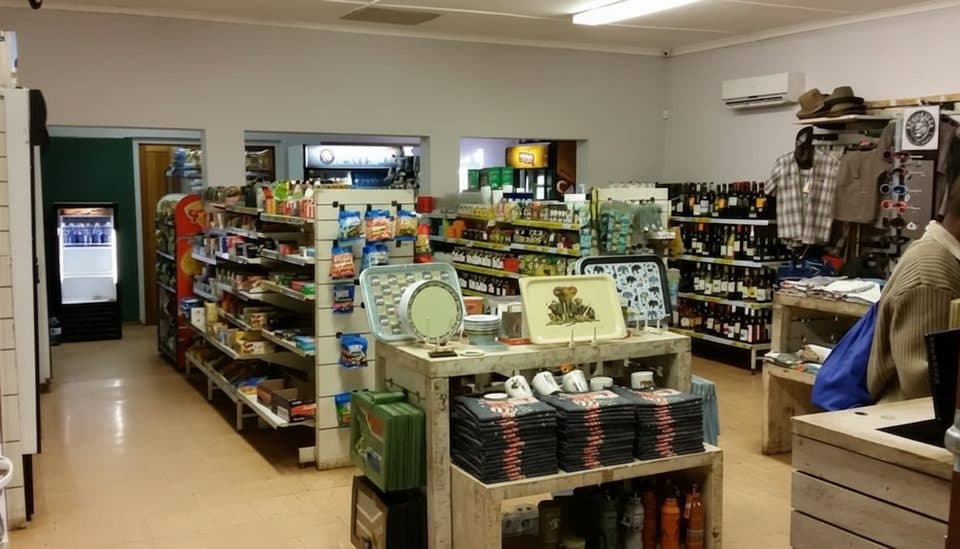
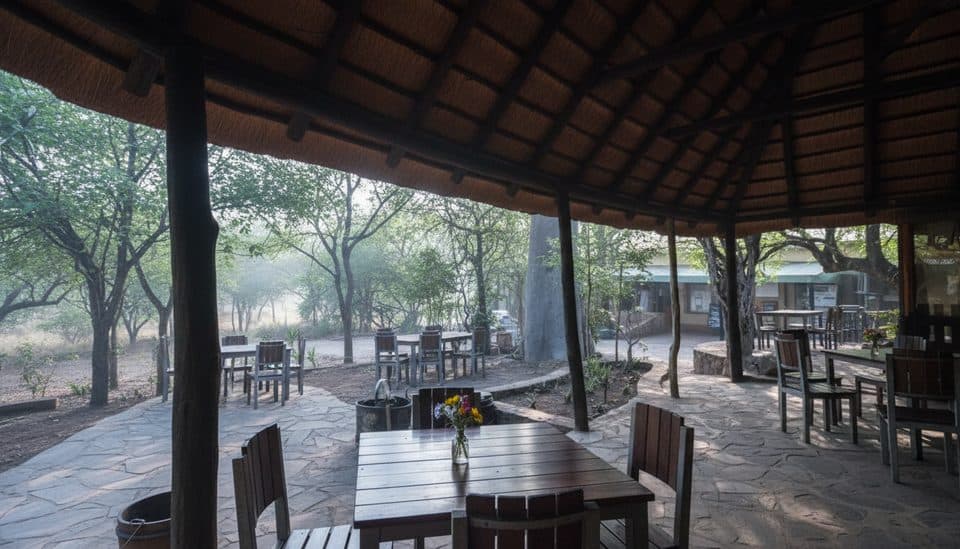
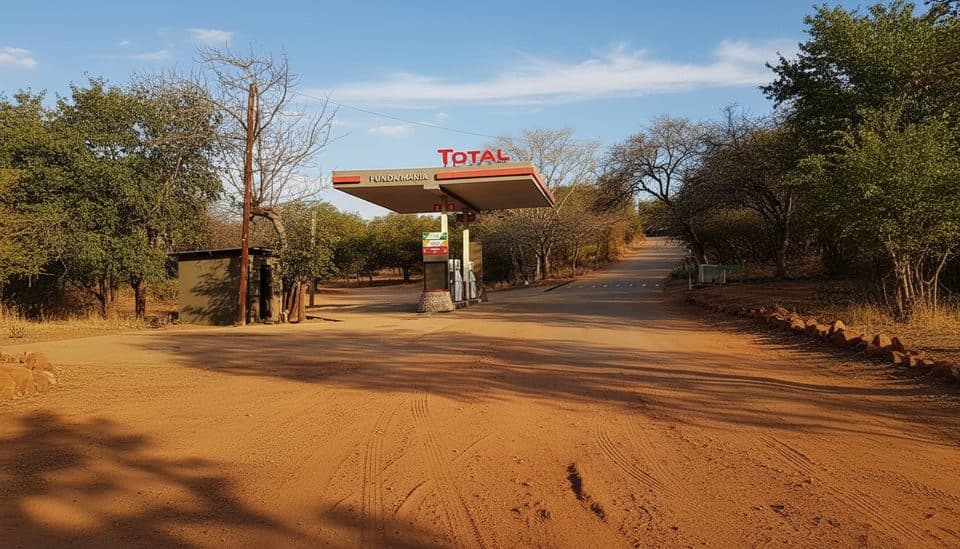
You’ve got the essentials: reception, a shop and cafeteria/restaurant, mini‑ATM, fuel, laundromat, communal kitchens and ablutions for campers, basic first aid, and cellphone reception. Family bungalows offer TVs with limited channels. There’s a day‑visitor picnic area about 8 km outside the camp near the gate.
Note the current caveats: the swimming pool is closed for major renovations, and the waterhole by the fence (normally watched from a handy hide and great after dark) is being upgraded—so in‑camp wildlife viewing may be limited for now. There’s no Wi‑Fi.

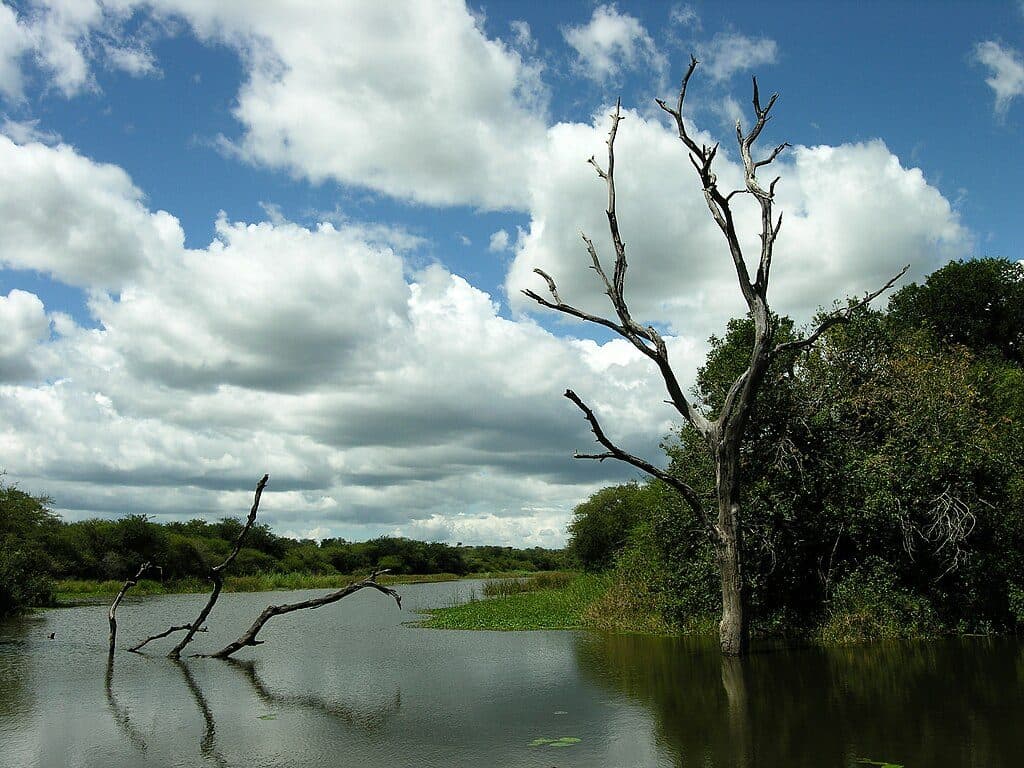
Expect quality over quantity. Around Punda Maria, look for nyala, kudu, buffalo, Sharpe’s grysbok and elephant; lions are recorded too. The Mahonie Loop is your suni hotspot. A day up to Pafuri/Luvuvhu almost guarantees nyala and superb birding, with hippo and crocs along the rivers.
This is classic northern sandveld: sandy soils, natural springs, and a fascinating plant mix including bushwillows, silver cluster‑leaf, baobab and more. It feels different from the open savannas down south—denser, greener, and great for birdlife.
Punda Maria is one of Kruger’s early rest camps. Its first huts (built in 1932) were simple wattle‑and‑daub, and creature comforts arrived slowly in those days. The camp’s name stems from an early ranger’s mistaken belief about the word for “zebra”—he kept it in honor of his wife, Maria. The wider far north is steeped in lore too: Crooks Corner once drew smugglers and poachers where three countries meet, and Baobab Hill served as a historic outspan on labor routes.