Overview
About Alaska Bear Camp
Why stop
- Guided bear viewing from a raised platform at camp
- Bay-facing cabins and resident-chef meals
Heads up
- Charter flight and guest-only access make this a major trip, not a casual stop
Map
Where it is
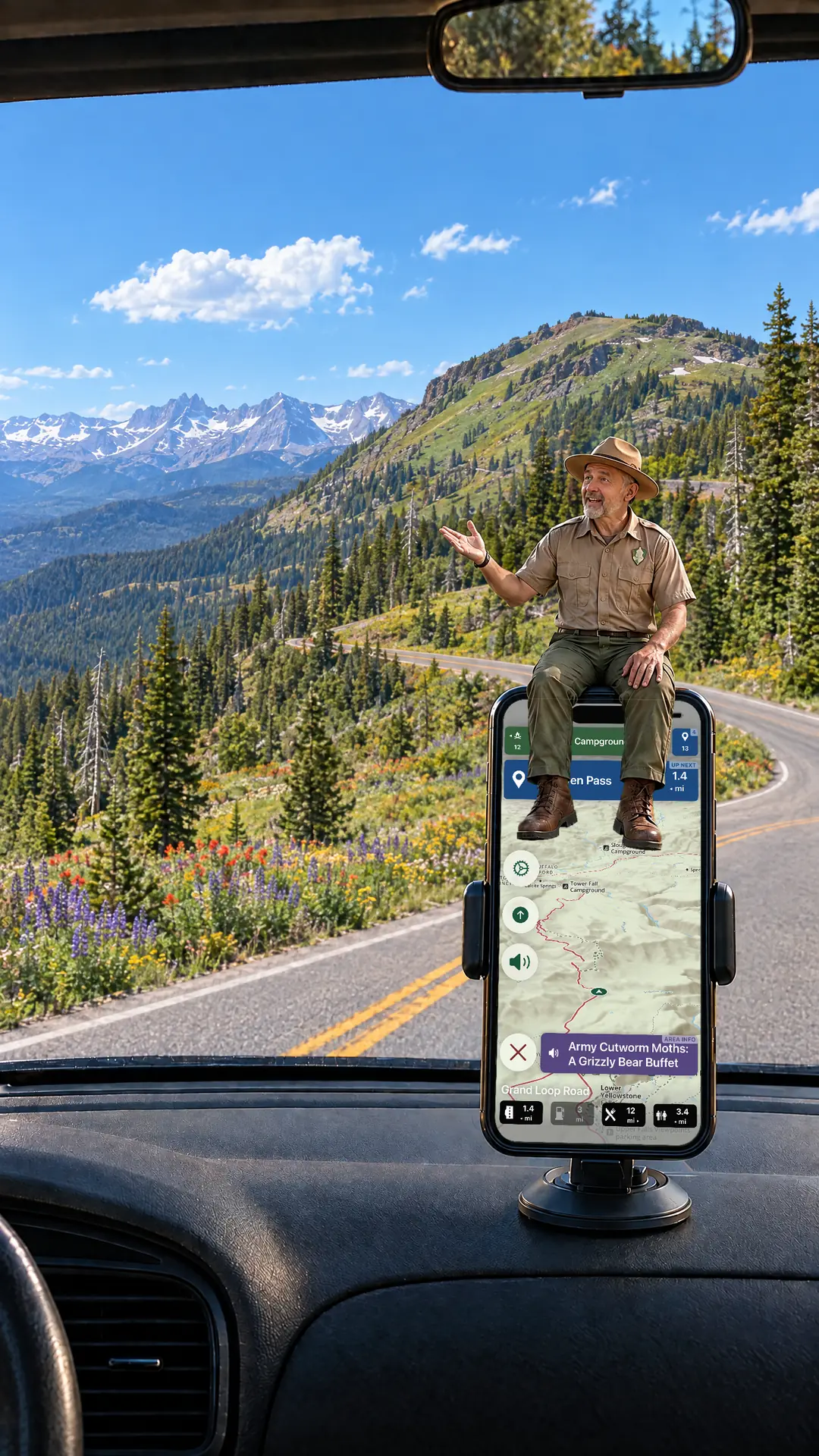
The highest, rockiest slopes around here are a summer buffet for grizzly bears.
Lake Clark Tour Guide
Your drive to Alaska Bear Camp, narrated.
Parkwolf is a GPS audio tour guide for Lake Clark National Park. As you drive, it chimes in with what’s ahead: hidden gems, upcoming stops, history, geology, and wildlife, right through your car’s speakers.
See the Lake Clark audio tour- 18 audio storiesacross Lake Clark’s roads, triggered by GPS as you drive
- Wildlife heatmapsfor Brown Bear, Bald Eagle, Common Merganser
- Works offlinemaps, 5 trails, 34 places, and audio download before you lose signal
- CarPlay readysimple controls built for the drive
“Fantastic app with many points of information… It’s great to just turn on while you’re driving and it gives you an audio tour of the national Park. We love it!!!!”


Guide
More about Alaska Bear Camp
A trip, not a drop-in stopAlaska Bear Camp is a private, ten-cabin wilderness lodge on a 15-acre inholding at Chinitna…
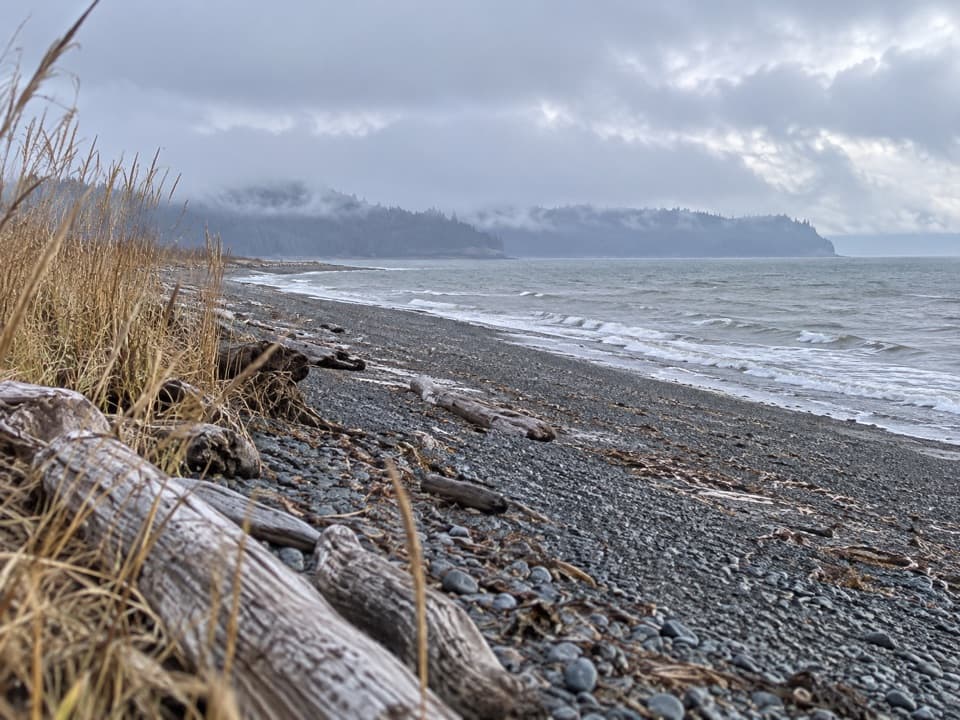
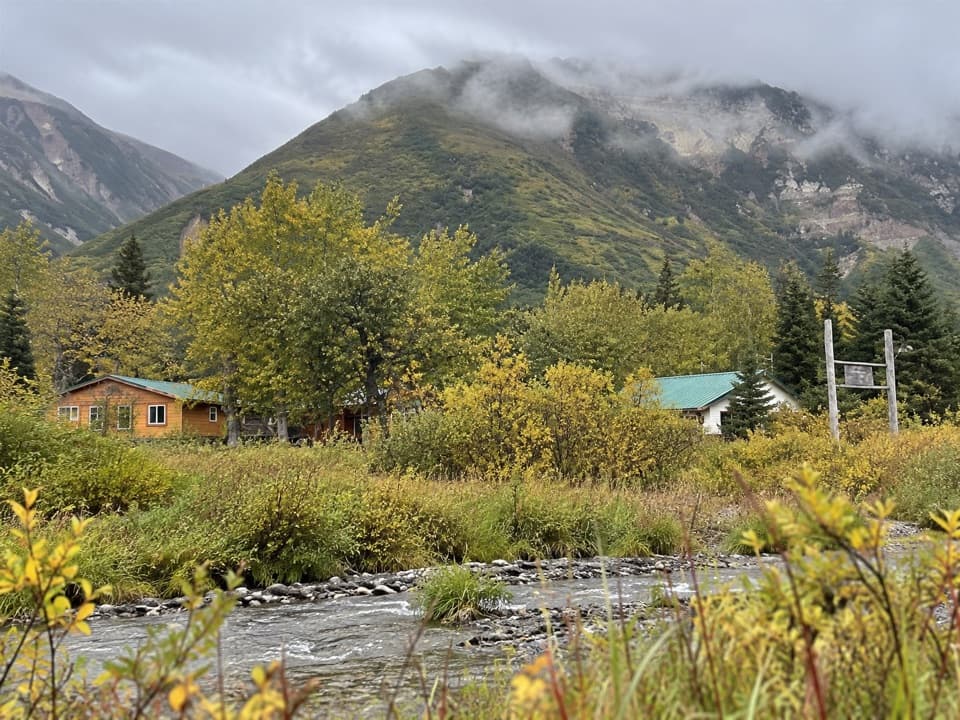
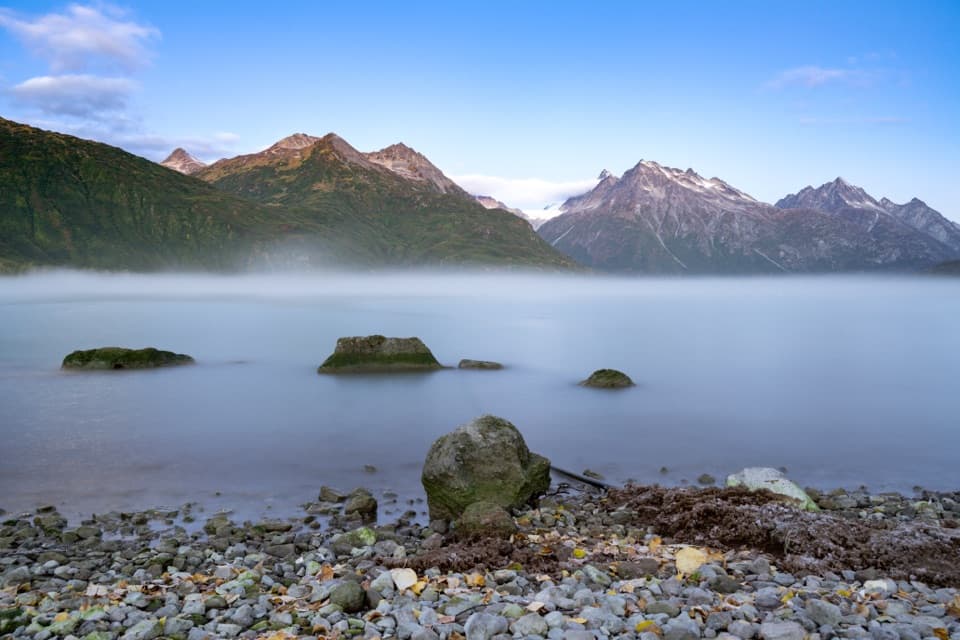
Alaska Bear Camp is a private, ten-cabin wilderness lodge on a 15-acre inholding at Chinitna Bay, inside Lake Clark National Park. It is a booked, guided bear-viewing stay for Natural Habitat Adventures guests, not an independent hotel or public day stop. A chartered bush plane from Homer crosses Cook Inlet and lands on the beach at camp. The advertised itinerary is six days, with trips listed from May through August, so plan this as a summer journey rather than a roadside detour.
Cabins and mealsThe handcrafted cabins face the bay and have twin beds, propane heat, an en-suite flush toilet…
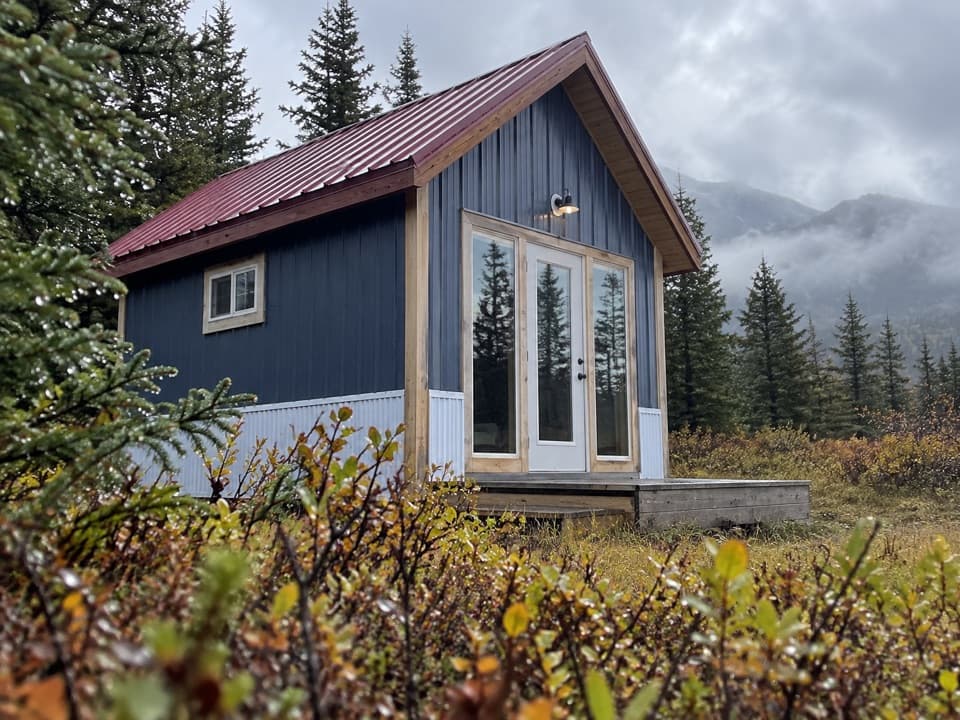
The handcrafted cabins face the bay and have twin beds, propane heat, an en-suite flush toilet and a sink with hot running water. Hot showers are in a nearby bathhouse. Meals are prepared by a resident chef in the dining hall; the camp describes locally sourced food including wild-caught fish, but does not publish a fixed menu.
Watch from campThe point of the stay is looking for coastal brown bears with guides.
The point of the stay is looking for coastal brown bears with guides. A raised platform gives guests a place to watch and photograph from camp; bears forage for clams on the nearby tide flats, and also feed seasonally on sedge grasses, berries and spawning salmon. Sightings are never guaranteed, but you do not have to hike out to reach the viewing area. Leave the flats to the bears and use the platform.
A homestead with a second lifeWayne Byers obtained this homestead land in the early 1960s and later leased a small portion…
Wayne Byers obtained this homestead land in the early 1960s and later leased a small portion for bear viewing. The camp's history traces back to the early 1980s; Byers continued living on the homestead and died in 2014. That private inholding is why a remote piece of the park became a hosted bear-viewing camp.
Wildlife
Wildlife in Lake Clark
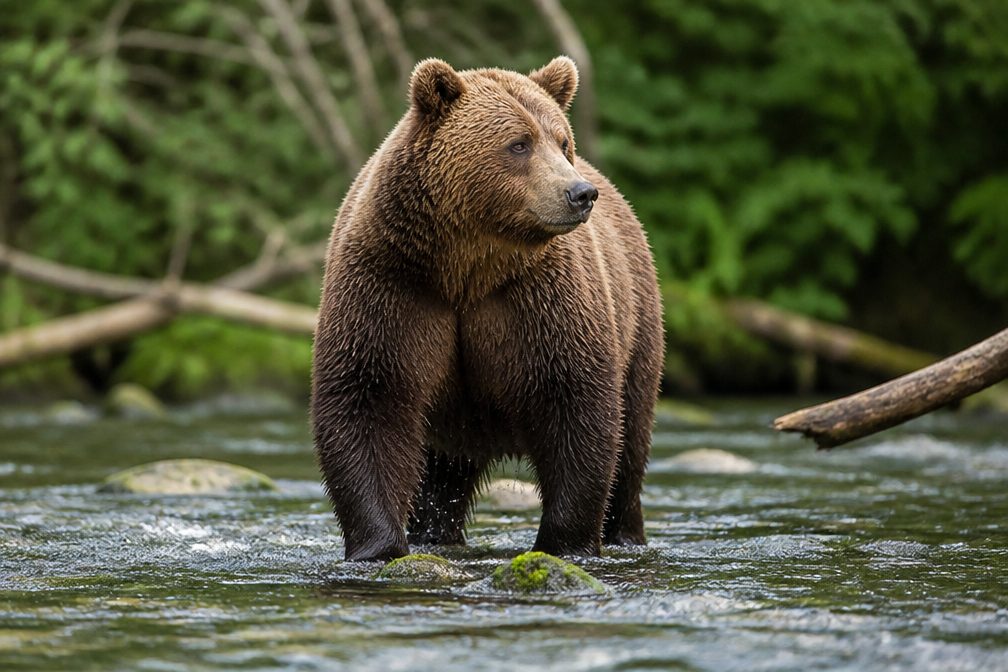 142 sightingsBrown BearMost seen around 8 AMSighting map
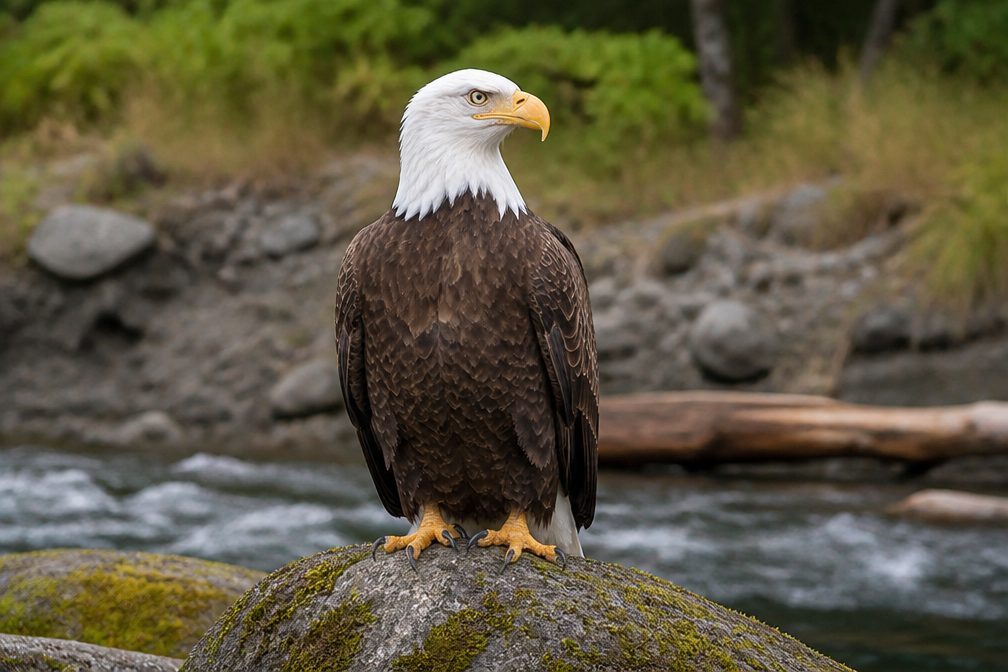 11 sightingsBald EagleMost seen around 6 PMSighting map
 13 sightingsCommon MerganserMost seen around 8 AMSighting map
Sighting maps show where each species has been reported across Lake Clark. Wildlife moves, so no sighting is guaranteed.