Overview
On the Cook Inlet coast, Silver Salmon Creek is the park’s go-to spot for close, respectful encounters with coastal brown bears, framed by tidal marshes, saltwater flats, and volcanic peaks. It’s remote and wild, but surprisingly approachable with the right logistics and a guide.
What You’ll See
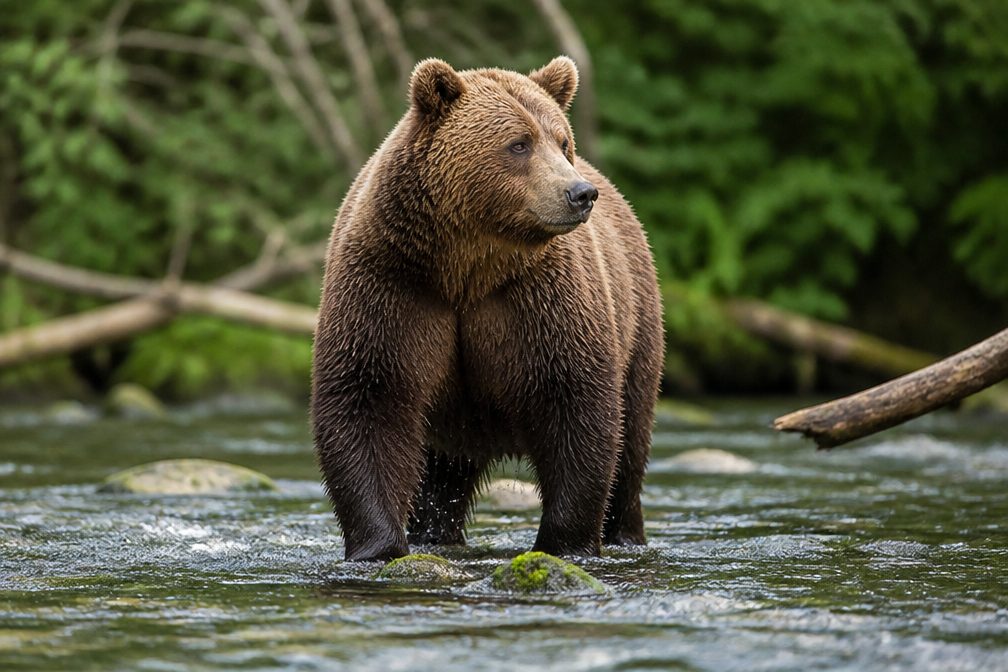
- Brown bears are the headliners. In early summer they graze sedge meadows and dig clams at low tide; by mid–late August they pivot to salmon in the creek. Sows with cubs, subadults, and occasional big boars make the rounds.
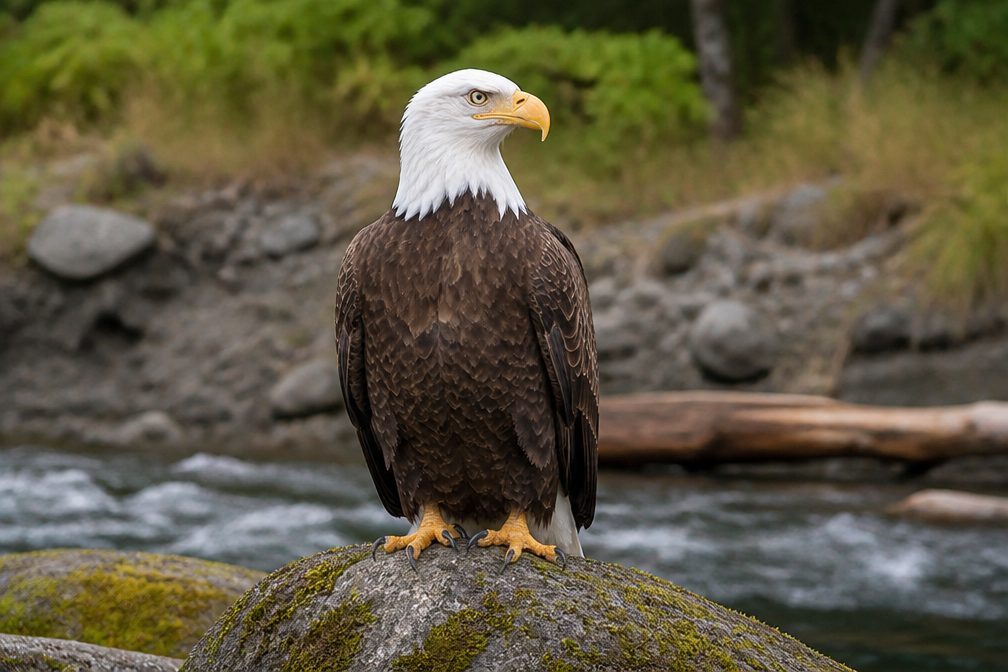
- Expect more than bears: moose, wolves, red foxes, and ermines turn up, plus marine mammals offshore. Birders score shorebirds, dabbling ducks, seabirds, loons, raptors, songbirds, and plenty of bald eagles.
- Some operators add a midday boat hop to nearby Duck Island for horned and tufted puffins—great variety if you’re building a photo-forward day.
Best Time to Visit
- Early July: Meadows are lush, clamming is productive at low tide, and late breeding season can keep big males around the coast.
- Mid–late August: Salmon runs usually peak and bears concentrate at the creek mouth. Heavy rain can push action upstream—build in flexibility.
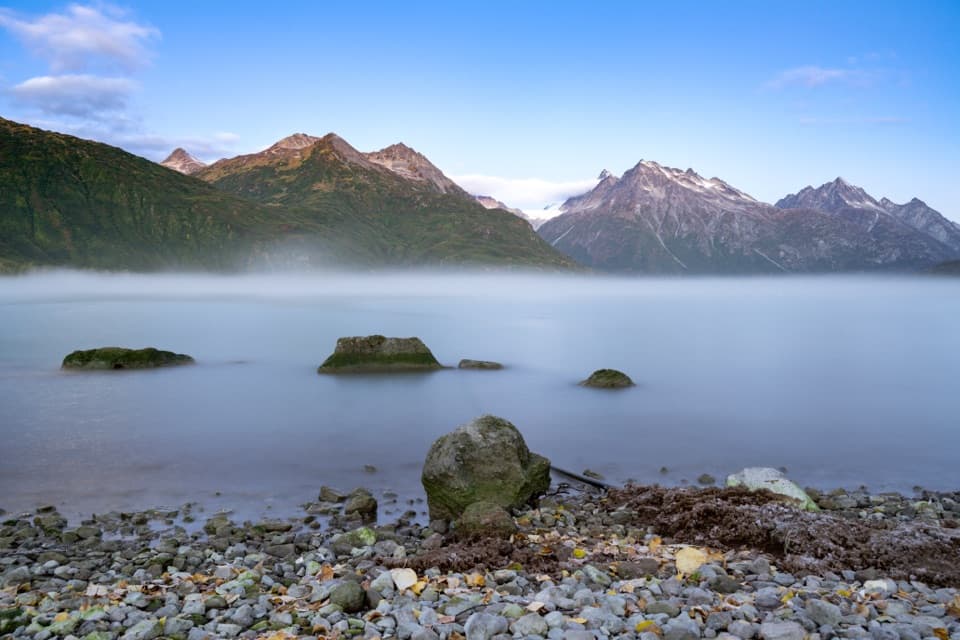
- For light and crowds: Dawn and late-day give the best color and calm; low-tide mornings can produce mirrorlike flats and even bear silhouettes. There’s no “busy weekend” here—weather and tides dictate the rhythm more than the calendar.
Getting There & Getting Around
- Most visitors fly in by small wheeled plane (typically under an hour from Homer, Kenai, or Anchorage) and land on the beach. Boat access across Cook Inlet is possible, but rough seas and extreme tides are common.
- Once on the ground, you’ll move mostly on foot. Area lodges use ATVs with trailers for their guests; general public ORV use is restricted to the beach corridor.
- Seasonal closure: The sedge meadow between Sargent Creek and Silver Salmon Creek is closed June 15–September 15 for habitat restoration.
- Tides are serious here—plan aircraft and shoreline travel around them to avoid getting stranded.
Fishing & Clamming
- Anglers target coho (silver) and pink (humpback) salmon and Dolly Varden in late summer. Follow all Alaska fishing regulations and secure fish immediately in bear-resistant containers.
- Razor, littleneck, and butter clams are present on the flats, but the beach isn’t monitored for Paralytic Shellfish Poisoning. If you dig, you assume the risk.
Safety & Rules
- A Ranger Station sits on the south side of the creek. Keep food packed away or in approved bear-resistant containers, and avoid eating above the beach. The same goes for fish—secure them immediately.
- Bears here are tolerant of humans because people behave predictably. Stay with your guide, give bears the right-of-way, and keep clear escape paths if bears are moving through.
Photography Pointers
- Lenses: Mid-range zoom for bears-in-habitat; 400mm+ for behavior and portraits.
- Low-tide clamming: Patience—wait for the brief reveal when paws lift.
- Windy surf days make dramatic backdrops; get low and let telephoto compression work.
- Clear dawns can deliver standout reflections and silhouettes on the mudflats.
Lodging & Guides
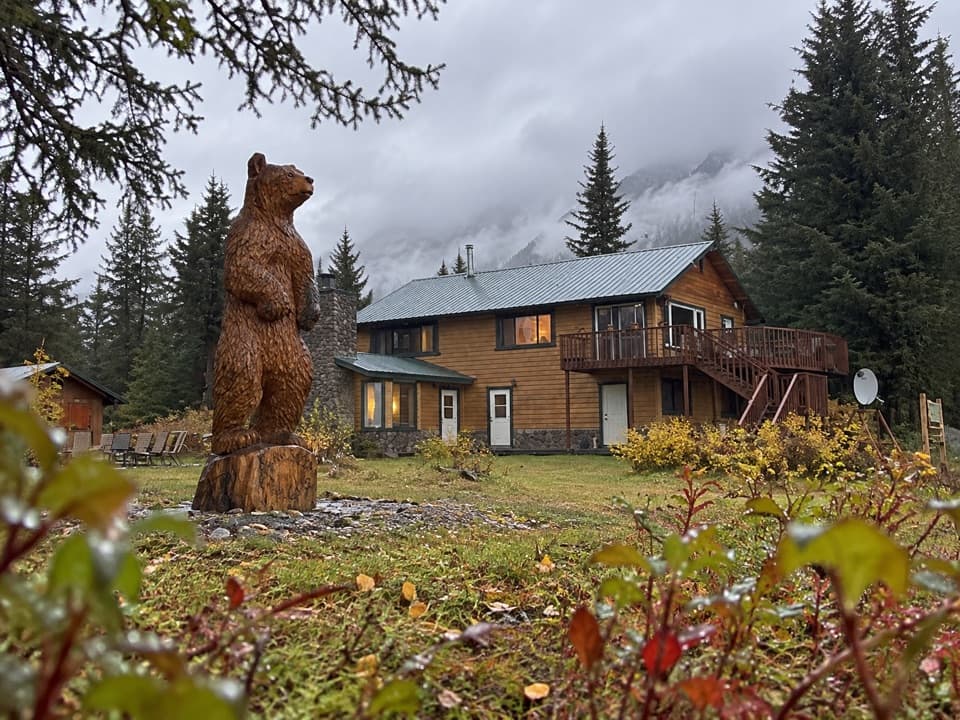
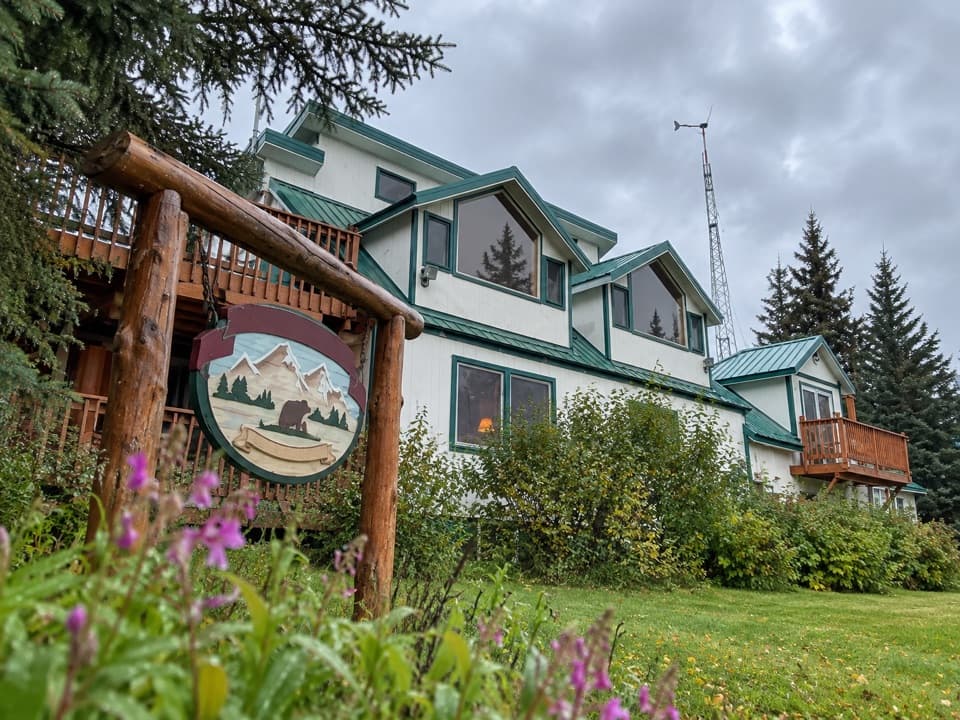
- Several licensed outfitters offer day trips and overnights with guiding for bear viewing, photography, and fishing. Silver Salmon Creek Lodge has operated since 1983 and provides full-service stays with guided field time.