Chinitna Bay Bear Viewing in Lake Clark National Park

#2 of 12 sights in Lake Clark

Sight · Lake Clark National Park

Chinitna Bay Bear Viewing

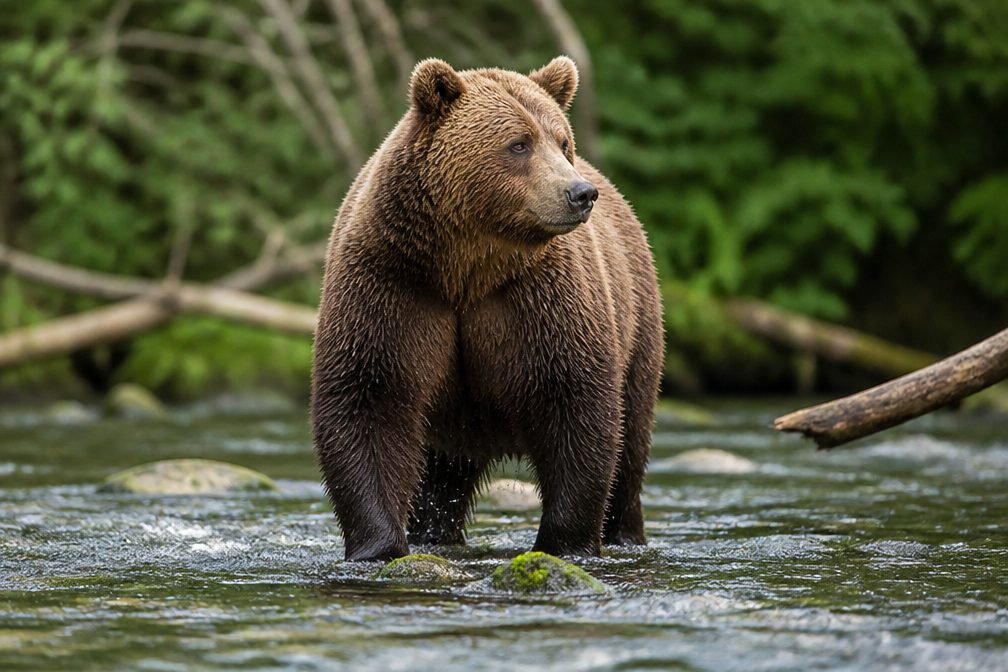
Watch coastal bears feed on sedges, clams, and late-summer salmon.

Photo: Wikimedia Commons

Overview

About Chinitna Bay Bear Viewing

Why stop

  • Bears use several feeding habitats, so the wildlife changes with the season.
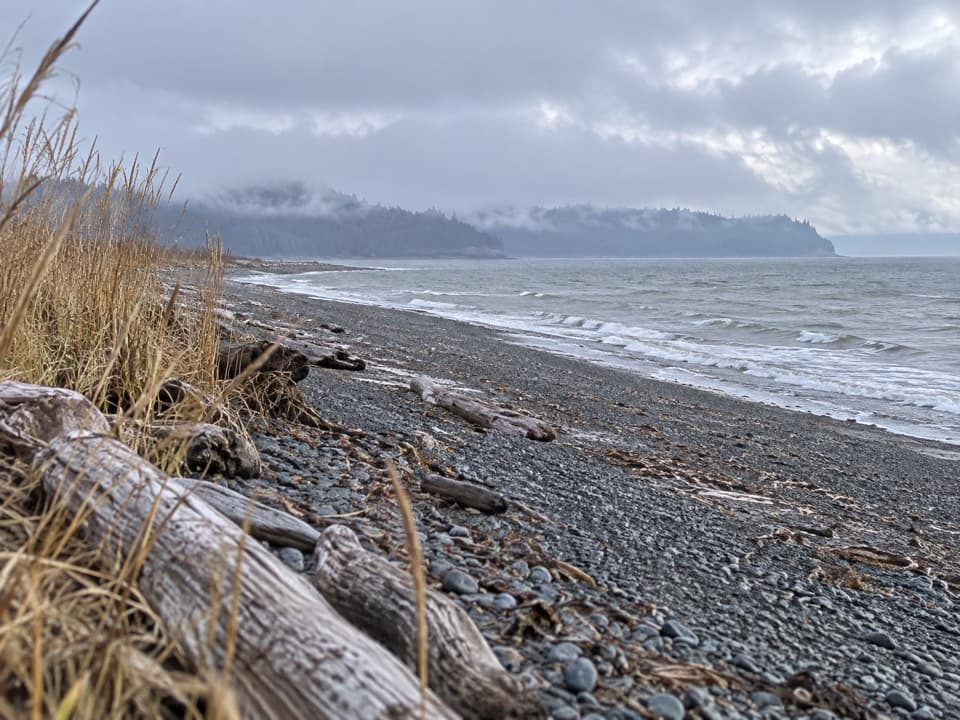
  • Open beaches, marshes, and tidal flats make the coastal setting part of the visit.

Heads up

  • Reaching the bay usually means a charter flight or a long, condition-dependent boat crossing.
  • Searching for bears can add two or more miles over sandy ground, marsh, and tidal flats.

Map

Where it is

Loading the Lake Clark map
Full map
SightChinitna Bay Bear Viewing59.86750, -153.11967
Keep this map with you offline in the Parkwolf app

Plan your stop

Before you go

Best time to go

In late spring through midsummer, bears feed on sedges and other plants in the marsh. Tidal flats provide clams through the year. When salmon runs begin later in summer, bears head toward rivers, where viewing can be harder because private property and fewer safe landing areas limit access.
A park ranger sits on a dash-mounted phone, talking, as Parkwolf’s Tour Guide plays “Army Cutworm Moths: A Grizzly Bear Buffet” on Grand Loop Road below Dunraven Pass in Yellowstone
Parkwolf Tour GuideThe highest, rockiest slopes around here are a summer buffet for grizzly bears.

Lake Clark Tour Guide

Your drive to Chinitna Bay Bear Viewing, narrated.

Parkwolf is a GPS audio tour guide for Lake Clark National Park. As you drive, it chimes in with what’s ahead: hidden gems, upcoming stops, history, geology, and wildlife, right through your car’s speakers.

See the Lake Clark audio tour
  • 18 audio storiesacross Lake Clark’s roads, triggered by GPS as you drive
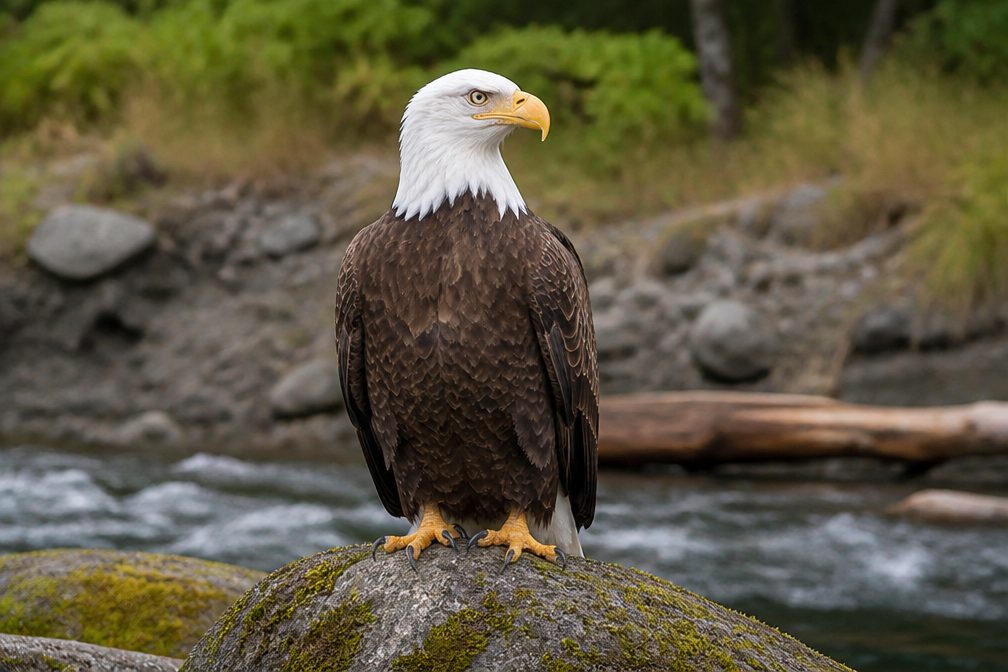
  • Wildlife heatmapsfor Brown Bear, Bald Eagle, Common Merganser
  • Works offlinemaps, 5 trails, 34 places, and audio download before you lose signal
  • CarPlay readysimple controls built for the drive
★★★★★
“Fantastic app with many points of information… It’s great to just turn on while you’re driving and it gives you an audio tour of the national Park. We love it!!!!”
JMJamesApp Store review
Download Parkwolf on the App StoreGet Parkwolf on Google Play

4.7 from 8,600+ ratings

Guide

More about Chinitna Bay Bear Viewing

A remote bear-viewing destinationChinitna Bay is a coastal bear-viewing area on Lake Clark's Cook Inlet shore, with broad…

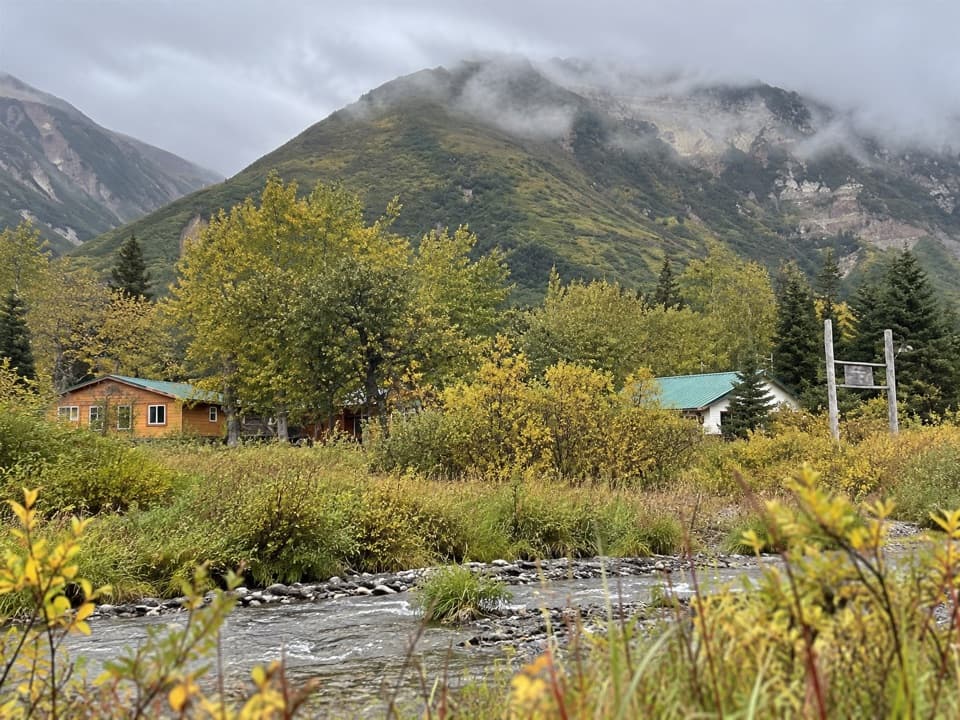
Chinitna Bay is a coastal bear-viewing area on Lake Clark's Cook Inlet shore, with broad beaches, salt marsh, tidal flats, and river estuaries. Make the trip when watching bears is the point of your day: most visitors arrive by plane or boat, then walk to established viewing areas. At times, as many as 20 coastal brown bears may be visible from one site, and the feeding activity changes with the season.

The trip inMost visitors arrive in a small wheeled plane that lands on the beach.

Most visitors arrive in a small wheeled plane that lands on the beach. Floatplanes are legal, but salt water and the bay's extreme tides make them difficult for many operators. A boat trip from Homer is about 60 miles each way and can take four to five hours, depending on sea conditions. Arrange the trip with a permitted operator and leave the landing and tide plan to them.

The walk is part of the visitThe nearest viewing area is a few hundred yards from the landing over sandy ground.

The nearest viewing area is a few hundred yards from the landing over sandy ground. Moving around the viewing area in search of bears can mean two or more miles across salt marsh and tidal flats. The eastern and western viewing sites are about 0.7 miles apart in a straight line. Stay at the established viewing areas, keep out of the closed sedge meadow beyond the river, and do not cross private land near the salmon streams.

A pit toilet is available at the easternmost viewing site. Eating is prohibited above the beach along the two-mile stretch east from Glacier Spit; keep any food with you or in an approved bear-resistant container.

Look for the birds, tooSpring migration brings shorebirds onto the mud and sand flats.

Spring migration brings shorebirds onto the mud and sand flats. Dabbling ducks use the bay through summer, sea ducks peak around mid-August, seabirds nest on nearby Gull Island, and raptors are present year-round.

Include the habitat in your photosIf you photograph a bear, leave some marsh or tidal flat around it so the feeding ground is…

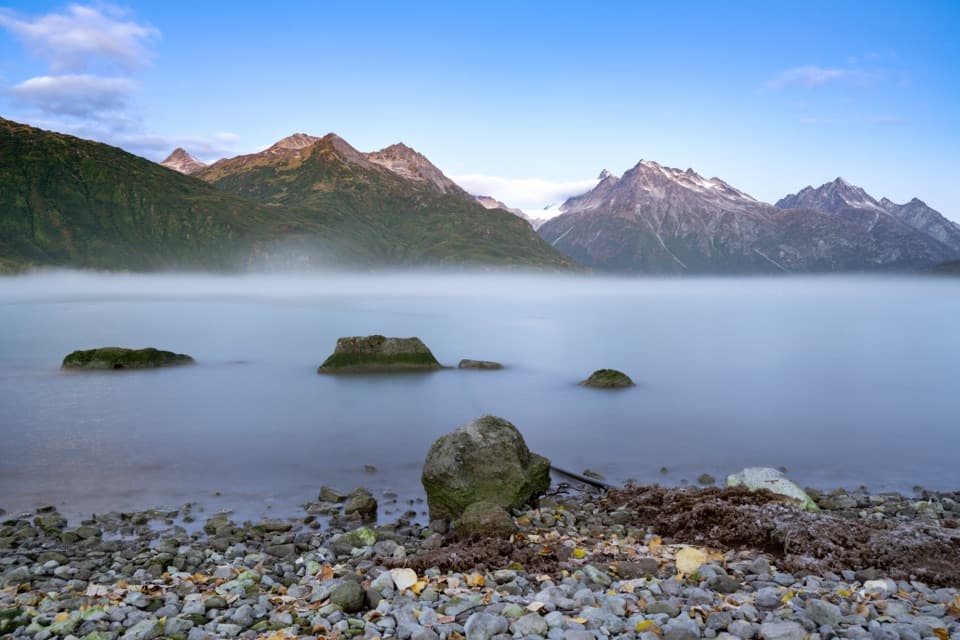
If you photograph a bear, leave some marsh or tidal flat around it so the feeding ground is part of the picture. The open beach, salt marsh, and mountain backdrop give this coast a broader frame than a close wildlife portrait, and the flats change with the tide.

Wildlife

Wildlife in Lake Clark

All Lake Clark wildlife maps

Sighting maps show where each species has been reported across Lake Clark. Wildlife moves, so no sighting is guaranteed.

Parkwolf’s Lake Clark ranking

Top sights in Lake Clark

All 34 places
  1. 1Richard Proenneke CabinSight
  2. 3Silver Salmon CreekSight
  3. 4Crescent LakeSight
  4. 5Tanalian FallsSight
  5. 6Redoubt VolcanoSight
  6. 7Iliamna VolcanoSight

Take Parkwolf to Lake Clark.

The audio tour guide for the drive, plus offline maps, trails, and wildlife heatmaps for when the signal drops.

4.7 from 8,600+ ratings

Download Parkwolf on the App StoreGet Parkwolf on Google Play