Overview
About Richard Proenneke Cabin
Why stop
- The cabin, raised cache, and woodshed show how this small homestead worked.
- Handmade construction details reward a slow look inside.
Heads up
- Getting here usually takes a floatplane or a backcountry hike; interior access is seasonal.
Map
Where it is

The highest, rockiest slopes around here are a summer buffet for grizzly bears.
Lake Clark Tour Guide
Your drive to Richard Proenneke Cabin, narrated.
Parkwolf is a GPS audio tour guide for Lake Clark National Park. As you drive, it chimes in with what’s ahead: hidden gems, upcoming stops, history, geology, and wildlife, right through your car’s speakers.
See the Lake Clark audio tour- 18 audio storiesacross Lake Clark’s roads, triggered by GPS as you drive
- Wildlife heatmapsfor Brown Bear, Bald Eagle, Common Merganser
- Works offlinemaps, 5 trails, 34 places, and audio download before you lose signal
- CarPlay readysimple controls built for the drive
“Fantastic app with many points of information… It’s great to just turn on while you’re driving and it gives you an audio tour of the national Park. We love it!!!!”


Guide
More about Richard Proenneke Cabin
Why make the tripRichard Proenneke Cabin is a small 12 by 16 foot spruce-log home on the south shore of Upper…
Richard Proenneke Cabin is a small 12 by 16 foot spruce-log home on the south shore of Upper Twin Lake, with its raised cache and woodshed still standing beside it. It is a nationally recognized example of an Alaskan bush cabin, known for the skill of its construction and the 30 years its builder lived here. I’d make the trip if the handmade cabin and Proenneke’s wilderness life are the point of your visit; getting here takes planning, so this is a deliberate stop in the Twin Lakes backcountry.
Getting to Twin LakesThere are no roads to the site.
There are no roads to the site. Most visitors arrive by small plane that lands on Upper Twin Lake; in summer, that means a floatplane. You can also backpack in from elsewhere in the park. Flights take just over an hour from Anchorage and typically about 30 minutes from Port Alsworth.
The cabin interior usually opens from late May through late September. It’s locked in winter, although the surrounding area can be explored year-round. If going inside matters to you, plan around that seasonal window and check the current opening dates and hours before traveling.
Make the visit workTreat the buildings as a historic site, not lodging.
Treat the buildings as a historic site, not lodging. Camping is prohibited within the National Register boundary, and sleeping in or occupying the cabin, cache, or woodshed is prohibited. Stay on trails to protect the fragile tundra and leave objects where they are. The handmade door hinges and lock are fragile and have needed repair, so handle the door gently.
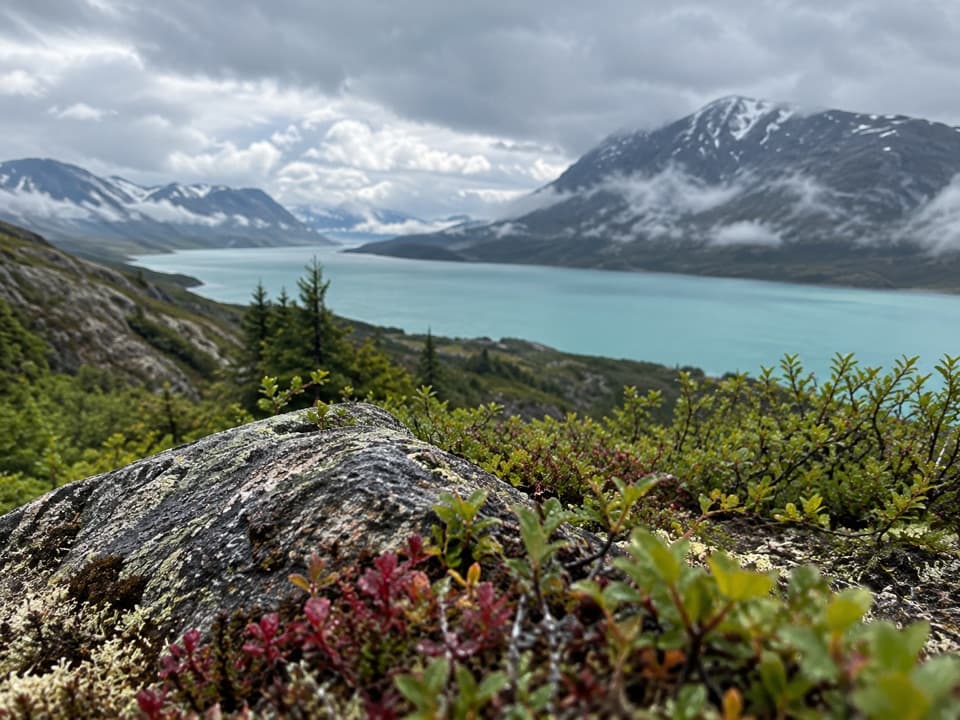
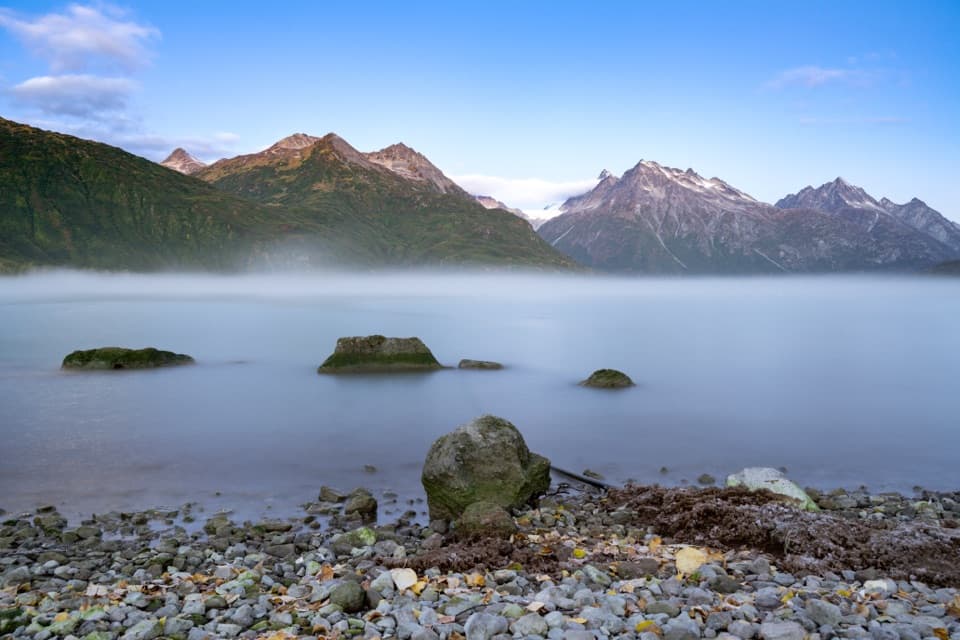
A pit toilet is down the trail behind the cabin. Food lockers are available nearby. Keep food out of sight and with you or in an approved bear-resistant container; store caught fish in an approved container. Eat and prepare food outside the historic structures. The beach in front of the cabin is a common lunch spot, and it gives you a view across Upper Twin Lake. Include some of the lake when you photograph the cabin so the setting stays in the picture.
A cabin built by handThe cabin is only about 12 by 16 feet, but its details are the point.
The cabin is only about 12 by 16 feet, but its details are the point. Proenneke peeled local spruce logs and fitted them with saddle-notched corners. Spruce poles support a gable roof covered with sod and moss. Three thin plastic windows admit light, while a beach-stone fireplace and a handmade Dutch door with wooden hinges and a wooden lock show the care in the construction. Slow down for the door and the joints if the interior is open.
Thirty years in the wildernessProenneke first visited Upper Twin Lake in 1962.
Proenneke first visited Upper Twin Lake in 1962. He returned in 1967, at 51, to choose a cabin site, then built this one over the summers of 1967 and 1968. He brought some steel tool parts, made their handles from local wood, and repaired tools instead of replacing them. He also filmed the construction.
He lived here for 30 years without electricity, running water, or a telephone. His journals record weather, wildlife, and the people who visited. The cabin and outbuildings were added to the National Register of Historic Places in 2007 for their craftsmanship and their connection to Proenneke’s influence on wilderness conservation in Alaska.
Why the cache stands so highThe raised cache is just 11 feet south of the cabin.
The raised cache is just 11 feet south of the cabin. It is a small, six by four foot log store on nine-foot poles, reached by a ladder Proenneke made from local materials. The height helped keep bears from getting at stored food; tin around the poles deterred small rodents. Regional Athabascan caches traditionally stood on shorter poles, often in villages where people and dogs helped keep wildlife away. Proenneke built higher because he expected to live alone in the wilderness.
The woodshed had two jobsAbout 45 feet east of the cabin, a combined woodshed and outhouse held Proenneke’s tools and…
About 45 feet east of the cabin, a combined woodshed and outhouse held Proenneke’s tools and woodpile. The eastern third is a narrow privy, with a half-moon cut into its door. It’s part of the historic site, separate from the visitor pit toilet behind the cabin.
Keeping a moss roof aliveTwin Lakes is dry enough that the moss Proenneke first gathered near the cabin would not thrive…
Twin Lakes is dry enough that the moss Proenneke first gathered near the cabin would not thrive on the roof. Over three decades, he added more moss, dirt, and grass seed, making a thin mixed covering over the spruce poles. It’s a small detail that says a lot about the work of keeping a home going in this climate.
Wildlife
Wildlife in Lake Clark
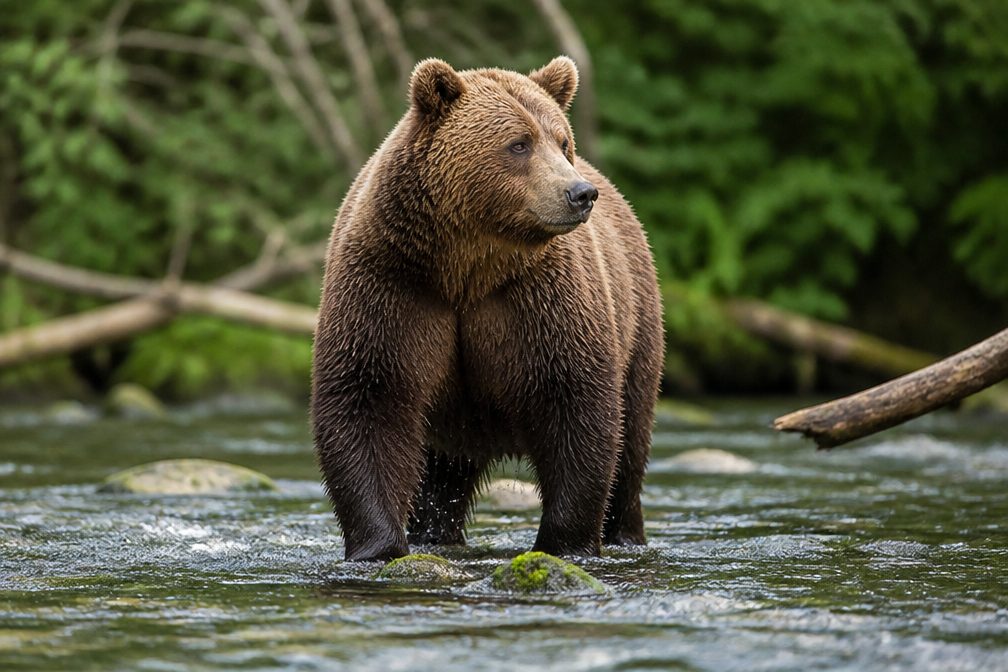 142 sightingsBrown BearMost seen around 8 AMSighting map
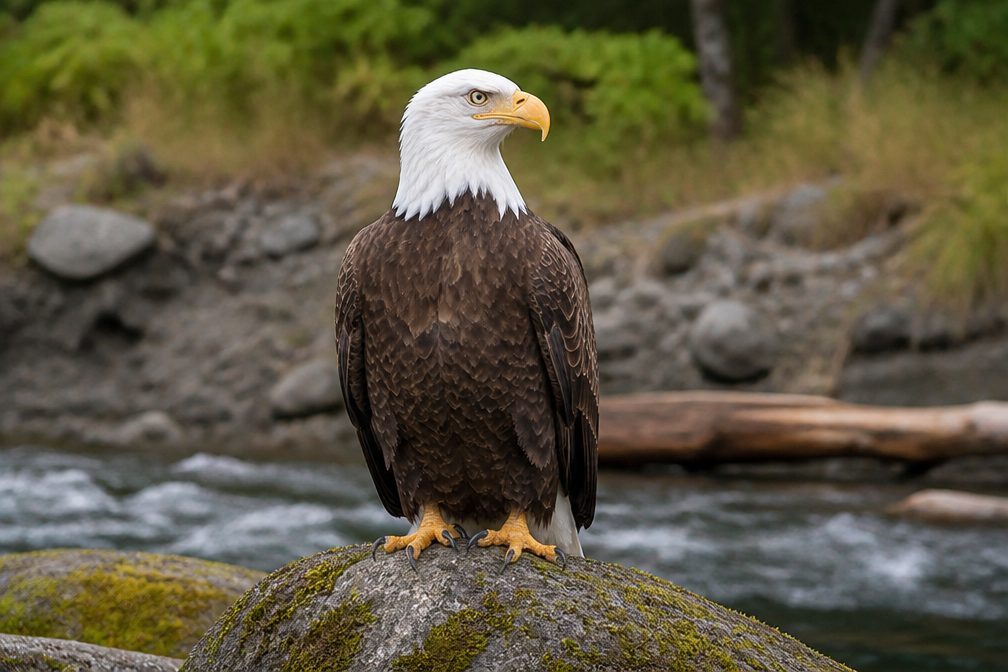 11 sightingsBald EagleMost seen around 6 PMSighting map
 13 sightingsCommon MerganserMost seen around 8 AMSighting map
Sighting maps show where each species has been reported across Lake Clark. Wildlife moves, so no sighting is guaranteed.