Overview
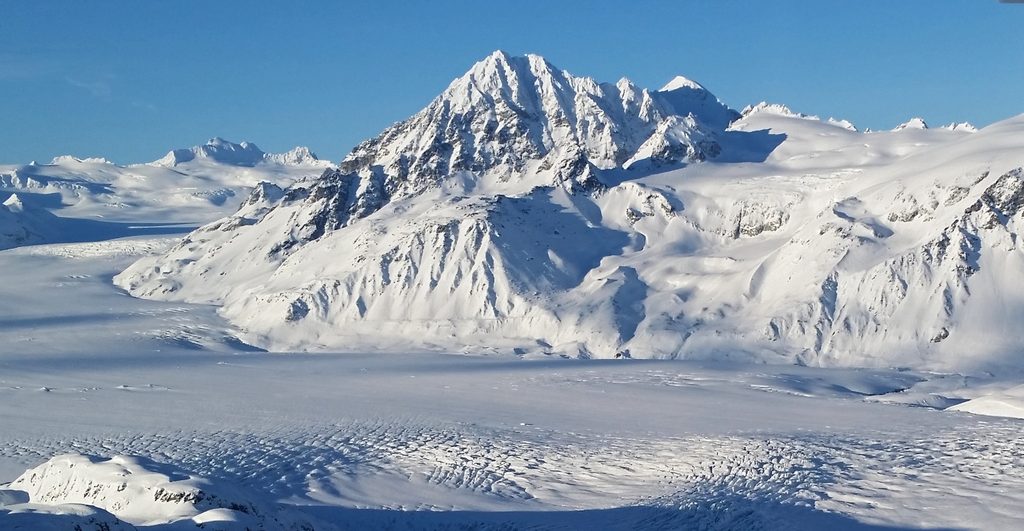
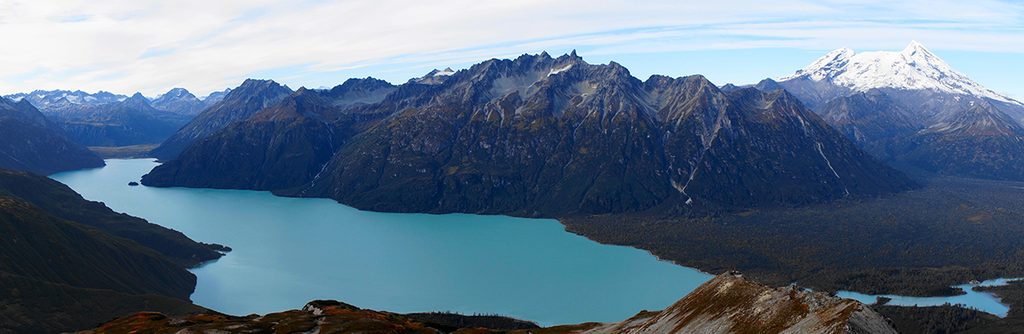
Double Glacier is a sprawling valley glacier complex tucked into the rugged Chigmit/Aleutian Range. From the air you’ll read the landscape like a geology textbook: braided outwash, medial and lateral moraines, and ice flowing toward Cook Inlet. One prominent branch, the Drift River lobe, feeds the Drift River on the park’s inlet side.
What You’ll See
- Vast river(s) of ice etched with dark moraine stripes and crevasse fields.
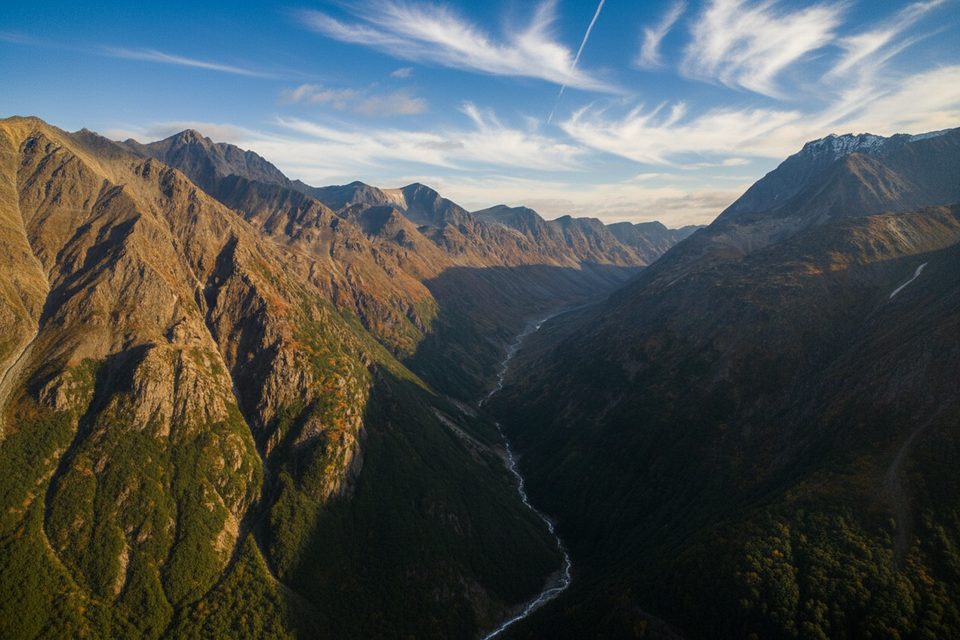
- Classic U‑shaped and hanging valleys carved by repeated glacial advances and retreats.
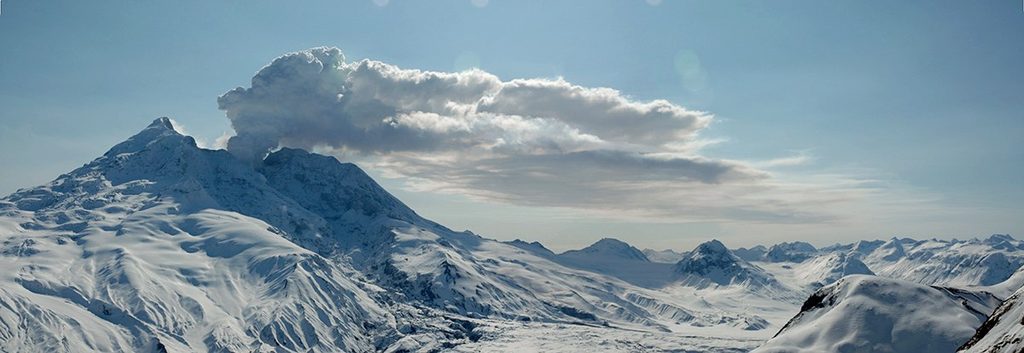
- A living geologic setting with nearby active stratovolcanoes (like Redoubt and Iliamna) and major faulting that shaped these straight, dramatic valleys.
How to See It
- Flightseeing is the move. Scenic overflights commonly include Double Glacier and the Alaska Range between Cook Inlet and Lake Clark. Anchorage‑based operators and air taxis in the region run 60–90 minute flights; ask specifically for Double Glacier/Drift River lobe views.
- There are no roads and virtually no maintained trails here. On‑the‑ground access typically means a chartered floatplane or wheeled plane to lakes or gravel bars, followed by off‑trail travel.
- Regular air taxi routes through Lake Clark Pass often deliver glacier views en route, offering context similar to Double Glacier’s setting.
Safety & Logistics
- This is undeveloped backcountry: no toilets, no shelters, no signage. If landing, plan to be fully self‑sufficient and coordinate pickup windows and contingencies with your pilot.
- Weather changes fast; clouds and wind can ground small planes. Build buffer days into your itinerary and confirm weight limits, seating, and route options in advance.
- Brown bears are common across the park. If camping near lakeshores, expect strict food storage: bear‑resistant containers are required/strongly recommended within a half‑mile of lakes. Pack out all waste; WAG bags are smart when soils are thin or near water/ice.
Best Time to Visit
- Summer brings long daylight and the most reliable flight conditions and visibility.
- Shoulder seasons can mean low ceilings and frequent delays—great light when it opens, but don’t cut it close on timing.
- For photography, mid‑morning or late‑day light can add definition to the ice and moraines; polarized sunglasses help with glare.
Pair It With
- A day of coastal bear viewing at Chinitna Bay if you’re already chartering a plane.
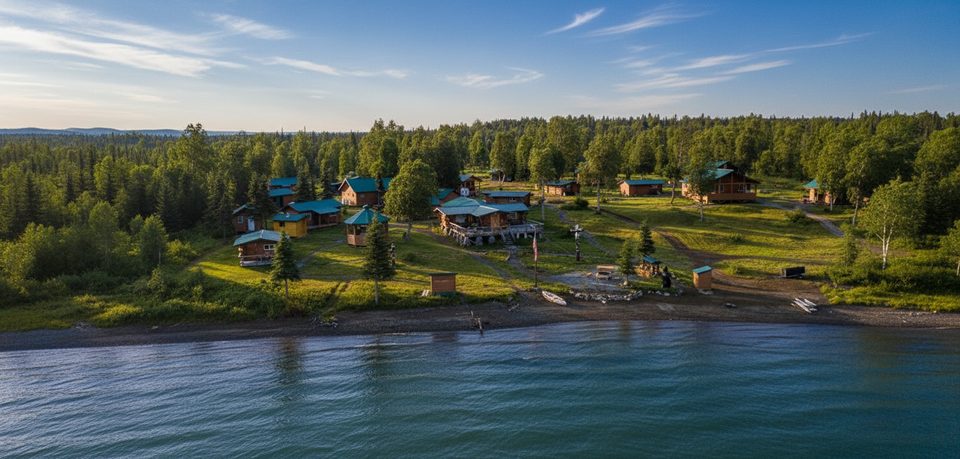
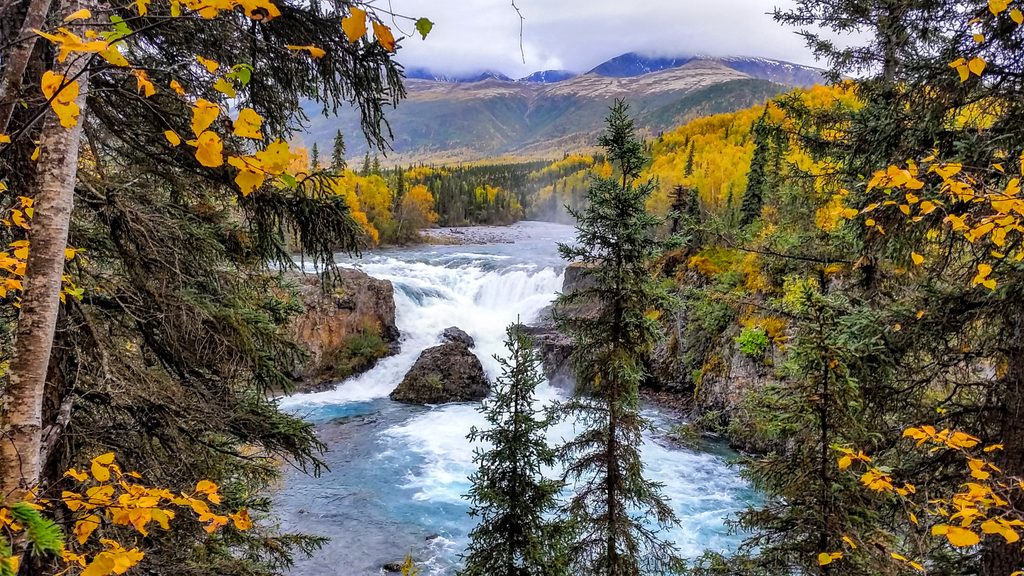
- Easy-to-moderate day hikes from Port Alsworth (Beaver Pond, Tanalian Falls, Kontrashibuna Lake; or the bigger Tanalian Mountain) if you base in the park between flights.
Bottom Line
If you’re up for flightseeing, Double Glacier delivers outsized drama with minimal effort on the ground—and unforgettable context for how ice built this landscape.