
Place · 7.3 mi away
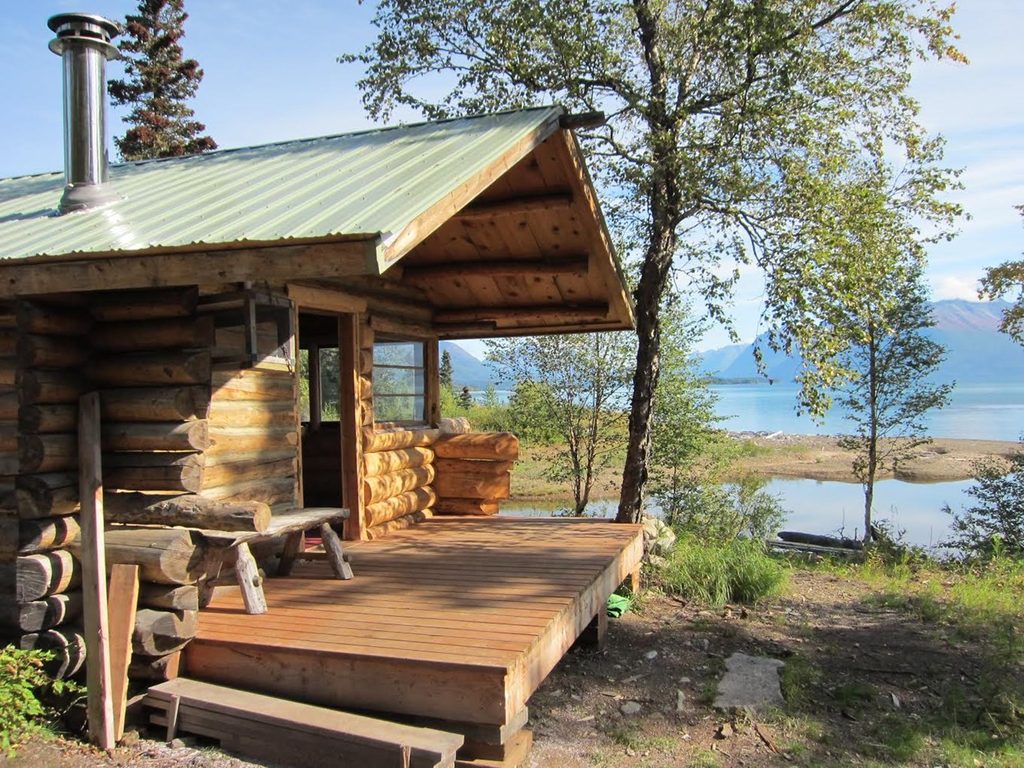
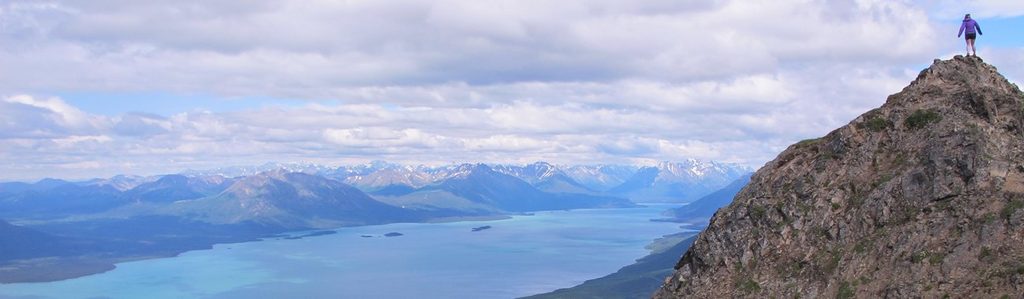
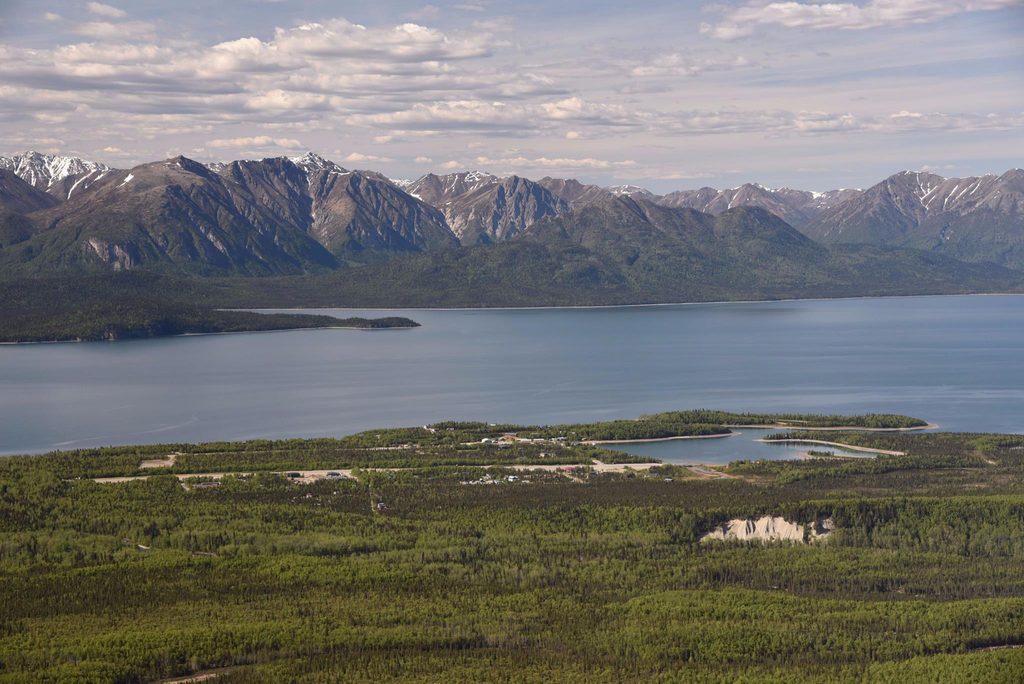
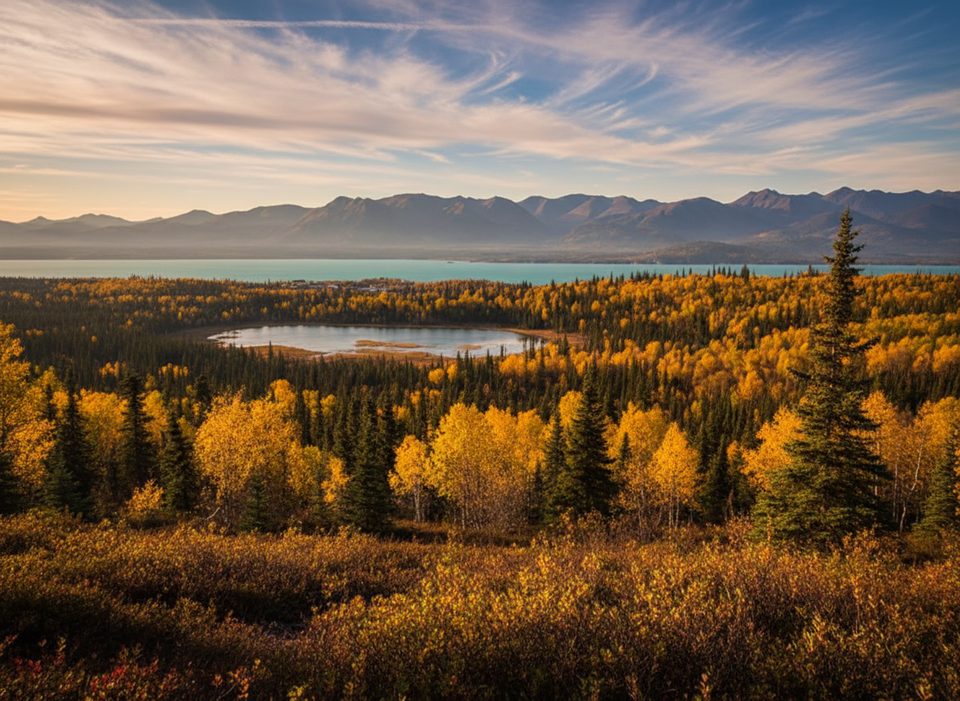
Set on the north shore of Lake Clark about 8 miles from Port Alsworth, the Priest Rock Public Use Cabin (also known as the Woodward Cabin) is classic, off‑grid Alaska. It’s perched above a small creek with big lake-and-mountain views and sits beside its namesake monolith, a 35‑foot lakeshore rock important to the Dena’ina people.
Allen Woodward—a long‑time Alaskan and veteran naval aviator—built and lived here seasonally for decades. After flood damage to his original place in 1971, he completed this spruce‑log cabin in 1978. The property was later conserved and opened for public use, letting visitors experience the same quiet summers the Woodwards enjoyed. The nearby rock is known in Dena’ina as Hnitsanghi’iy, “the rock that stands alone,” with the name “Priest Rock” first recorded in 1902.
Inside are three single bunks and one queen bunk (sleeps up to six), a wood stove, table, and chairs. There’s no electricity, no running water, and no cell coverage. An outhouse sits nearby. Lake water is your source—filter, boil, or treat it. The cabin is equipped with smoke detectors and a fire extinguisher, and dogs are allowed.
There’s no road access. Arrive by floatplane or by boat/water taxi from Port Alsworth; experienced paddlers sometimes kayak from town. There are no mooring buoys. Weather regularly disrupts transport, so build flexibility into your plan and carry a communication device. Reservations are required and the cost is about $65 per night, with a maximum of 5 consecutive nights (21 nights per year).
This is true backcountry: bring your own cook stove and fuel, cookware/utensils, lighter, sleeping pads, bedding, toilet paper, and trash bags. The cabin isn’t cleaned between groups—wipe surfaces before and after use. Bears are common; store all food, garbage, and scented items inside the cabin at all times. Pack out absolutely everything (there’s no public trash service at the cabin or in Port Alsworth). Use firewood sparingly for heat only. No smoking inside. Be respectful of nearby private and Native corporation lands.
From the porch you’ll spot birds and the occasional cruising mammal along the shoreline, and anglers and paddlers will find plentiful water to explore. It’s a stellar base for kayaking, boating, fishing, and general wildlife viewing—just be sure your licenses and regulations are squared away before you go.
Summer typically brings the mildest conditions (around the mid‑60s°F) but also bugs and sudden storms; shoulder season weather can be colder and windier. Winter can be severe (around 10°F). For photos and calmer paddling, early morning and evening tend to deliver the best light and lighter winds. Given its remoteness, crowds aren’t an issue; the bigger constraint is aircraft and boat availability—reserve well ahead.
If you want a quiet, historically rich lakeside base with serious views—and you’re comfortable being fully self‑reliant—this is one of the park’s most rewarding overnight experiences.
Place · 7.3 mi away
Place · 8.3 mi away
Place · 9 mi away
Place · 9.2 mi away
Challenging · 9 mi away
Moderate · 9 mi away
Easy · 9 mi away
Easy · 9 mi away

Parkwolf Tour Guide
