Blue Point Spring

Quiet desert spring with oasis vibes and easy birding
Blue Point Spring, Lake Mead National Recreation Area
InsideLake Mead National Recreation Area

Overview

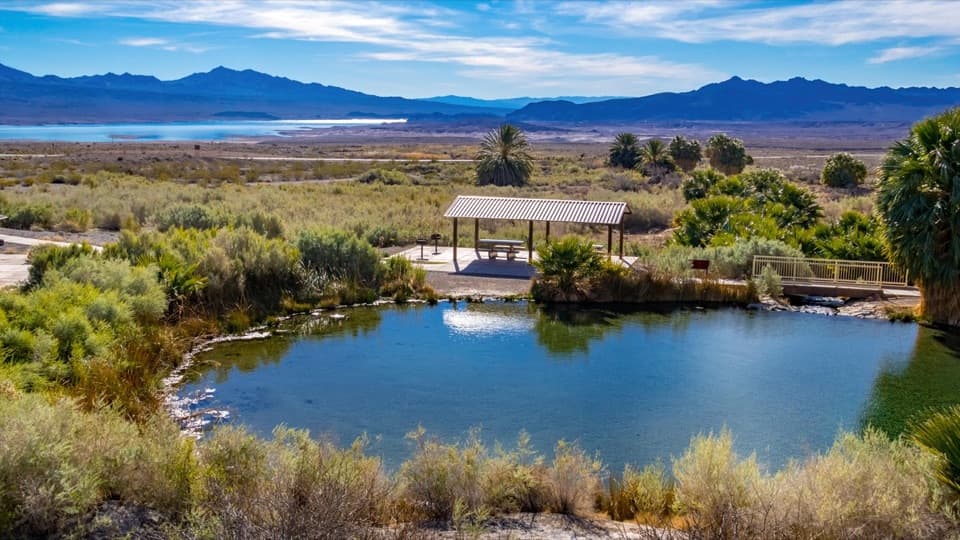
Blue Point Spring is a small, year‑round desert stream that feels like a Mojave oasis—think reeds, saltgrass patches, and a palm‑fringed creek rather than a soakable pool. It’s low‑key but rewarding if you like quiet nature stops and wildlife. Treat the waterway as sensitive habitat, not a swimming hole.

What You’ll See

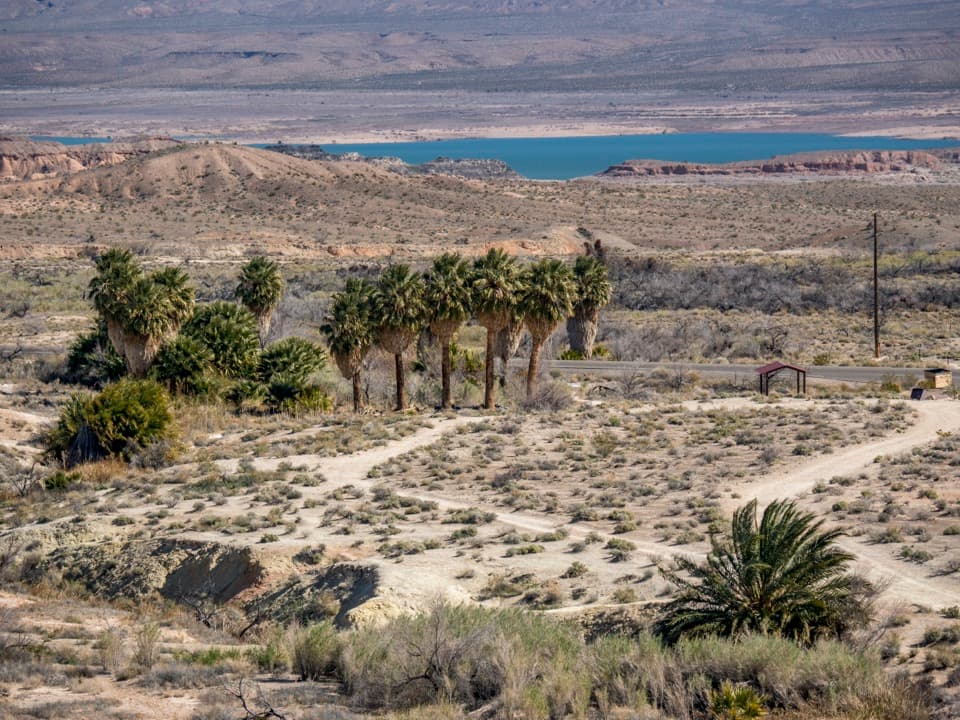
Expect marshy vegetation, a narrow meandering creek, and good chances for birds and dragonflies. Plants documented around the spring include Mojave thistle, Nevada goldenrod, alkali goldenbush, iodine bush, and native reeds/saltgrass. Desert fan palms were historically planted here; they’re not native and can spread, but they add to the “oasis” look.

Geology & Backstory

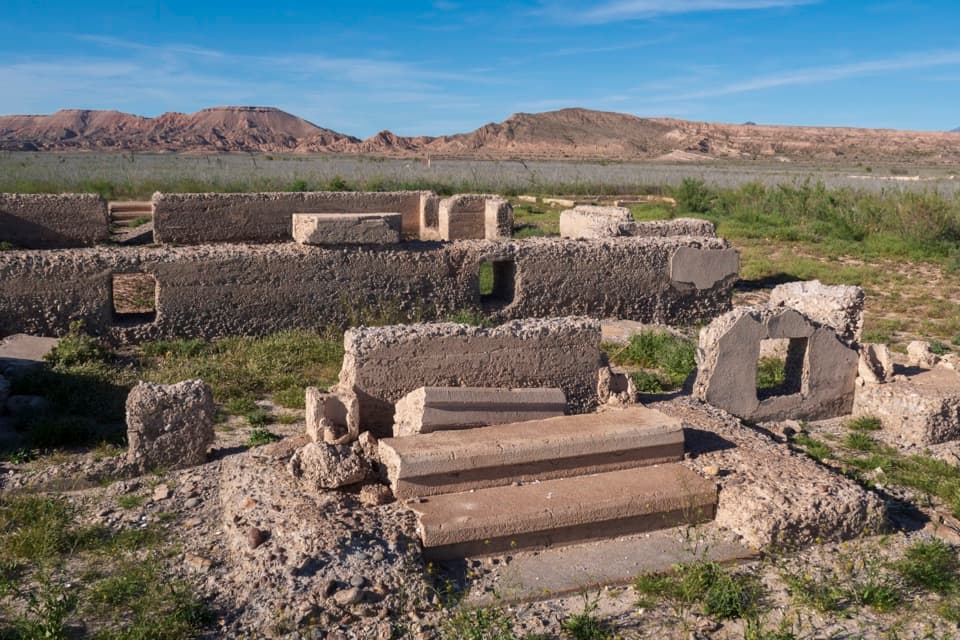
Hydrologically, the spring likely taps a regional carbonate‑rock aquifer whose waters travel south—on the order of hundreds of miles—before faults and pressure push them to the surface. People have tried to harness these waters for more than a century: an early‑1900s canal plan aimed to irrigate farmland; a 1938–43 waterfowl refuge and a 1950s tropical fish hatchery at Blue Point also fizzled out. Today it remains a modest, natural stop.

Getting There & On‑Site Logistics

It’s along Northshore Road near Overton and roughly a mile from Rogers Spring. From the roadside pullout, it’s about a quarter‑mile, mostly flat walk to the spring via informal/social paths. Expect damp or muddy footing near the creek. Facilities are minimal: a single picnic table, no restrooms, no drinking water, and very limited parking. Standard recreation area entry rules/fees apply.

How to Do It

Keep it simple: park at the pullout, stroll to the springhead, and wander the creek margins without trampling wet meadows. Bring sun protection and more water than you think you need. In warm months, be snake‑aware and watch for algae‑slick or muddy spots.

Best Time to Visit

Year‑round works, but fall through spring offers the mildest temps for walking and lingering. Summer heat can be harsh. Go early or late in the day for softer light and a quieter feel.

Nice Pairing

Rogers Spring sits just down the road and makes an easy add‑on. The two together are a pleasant 30–90 minute nature break.

Pros

  • Oasis-like setting with reeds, palms, and seasonal birdlife
  • Quick, flat walk from a small roadside pullout

Cons

  • Very limited parking and no restrooms or drinking water
  • Not a soaking spot; fragile, sometimes muddy marsh

Tips

  • Bring plenty of water and sun protection—there’s no shade or services.
  • Use the small roadside pullout and expect a short, informal path to the spring.
  • Stay off the wet meadows and don’t wade; the marsh is fragile habitat.
  • Pair it with nearby Rogers Spring if you need restrooms or want a longer stop.
  • Visit in fall through spring for comfortable temps and better wildlife activity.
The Parkwolf tour guide sitting on a phone mounted in a car

Parkwolf Tour Guide

Like a tour guide in your car.

Save the places you found around Lake Mead, then let Parkwolf guide the drive between them.Download Parkwolf on the App Store