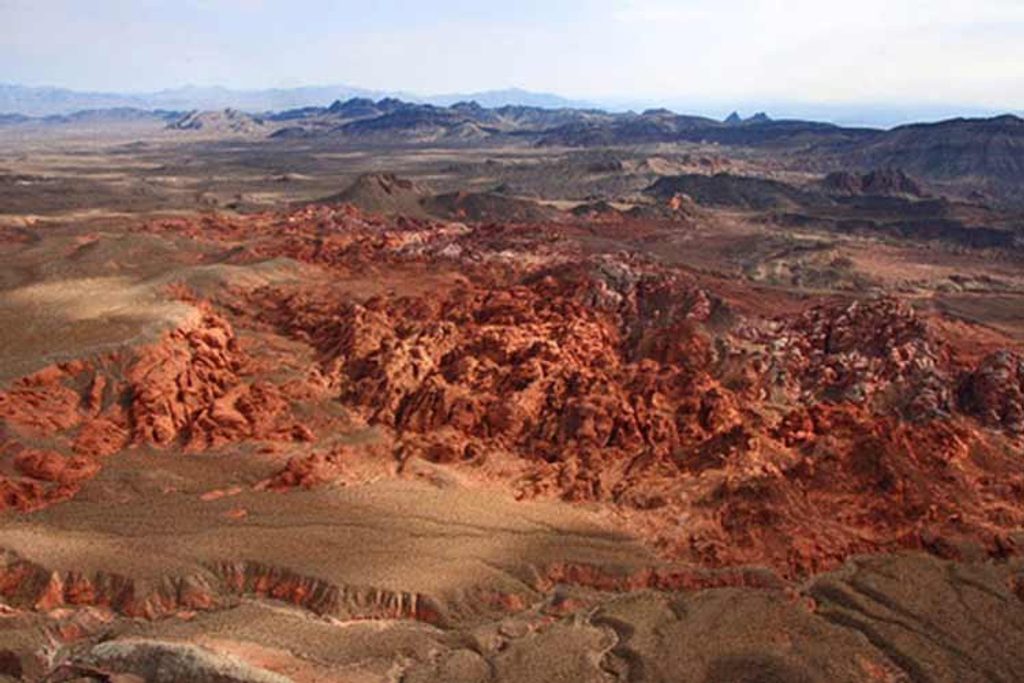
Bowl of Fire

Fiery Aztec sandstone playground reached by faint desert routes
Bowl of Fire, Lake Mead National Recreation Area
InsideLake Mead National Recreation Area

Overview

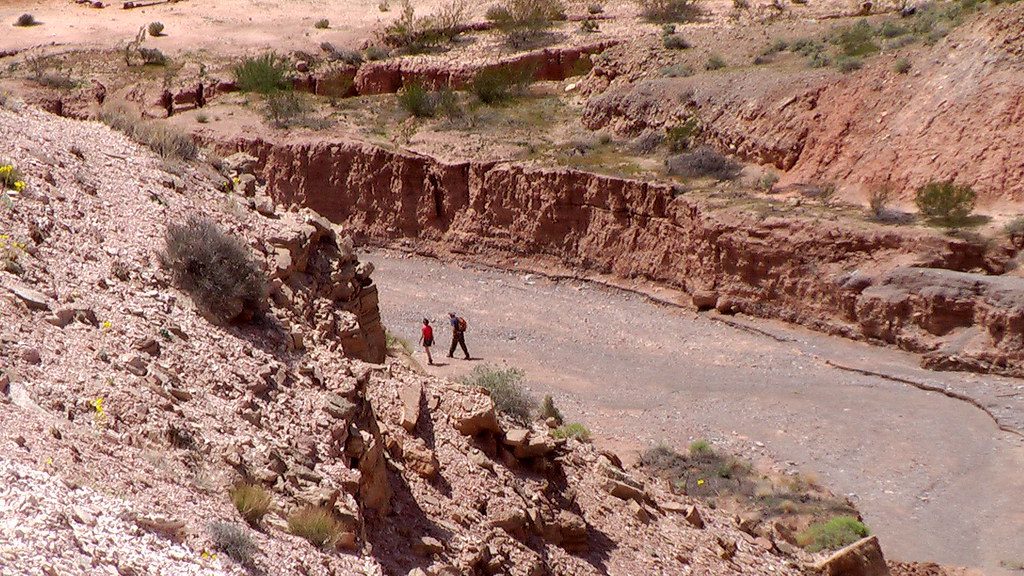
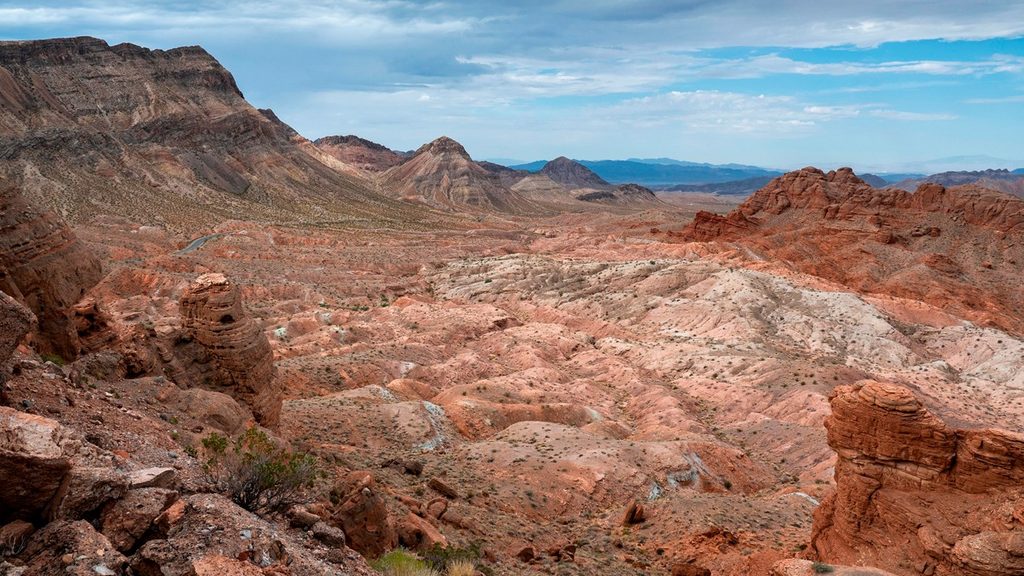
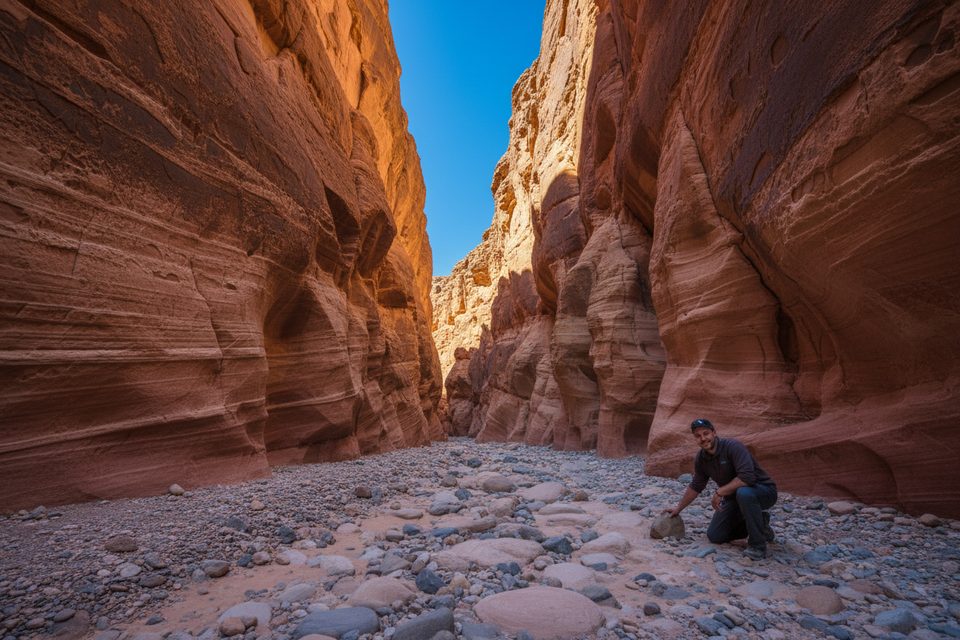
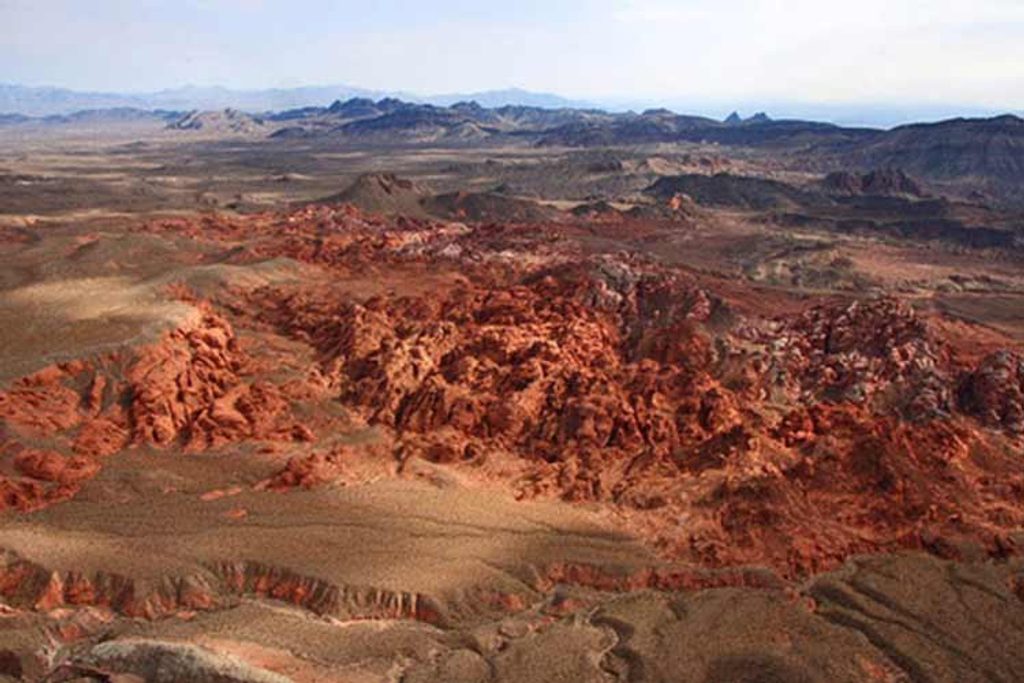
If you want Lake Mead’s wild side, Bowl of Fire delivers: a compact labyrinth of blazing orange Aztec sandstone tucked against gray limestone mountains. It feels off‑the‑map, with alcoves, honeycombed rock, potholes, and slickrock ramps that beg for a ramble. Don’t confuse it with the state park up the road; this one sits inside Lake Mead National Recreation Area and stays blissfully uncrowded.

Geology in Plain Sight

Those fiery layers are Jurassic‑age Aztec Sandstone, exposed where older limestone was shoved over younger rock along the Muddy Mountain Thrust. Erosion tore open “windows” that reveal the bright orange cliffs—think sculpted domes and crunchy, highly eroded blocks.

Getting There

You’ve got two main approaches:

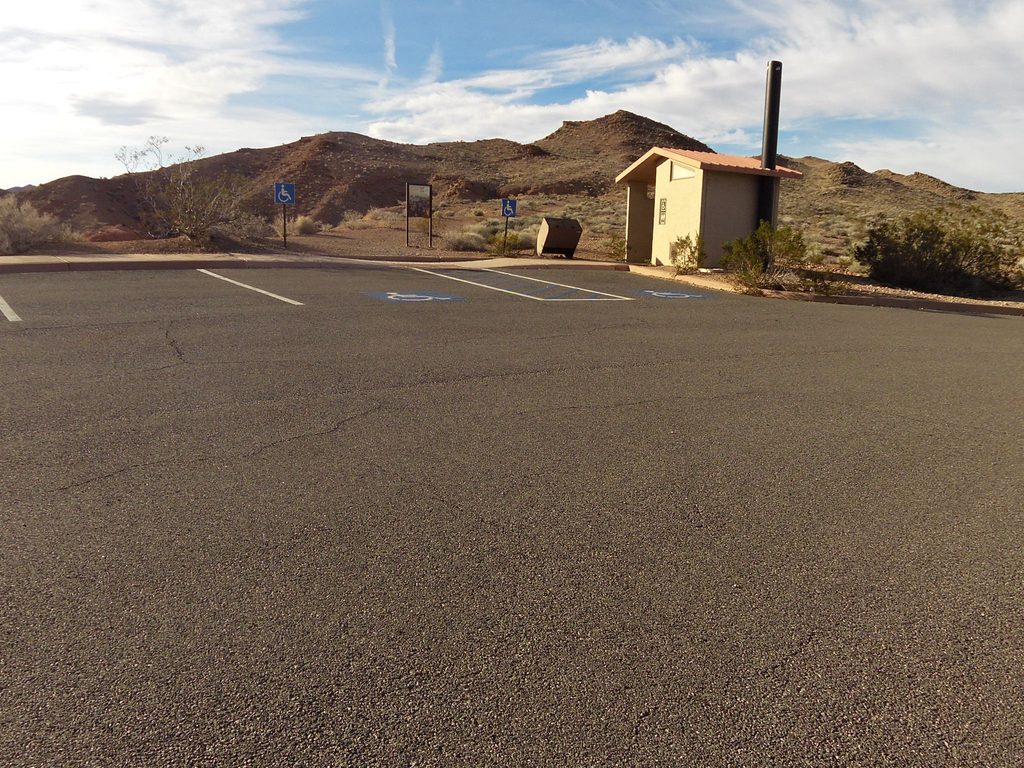
  • Northshore Road: Park at an unsigned roadside pullout near about milepost 18 and hike in on faint social paths and washes. The closest developed facilities are the Northshore Summit Trailhead (between mileposts 20–21; pit toilets, trash; no water) and Redstone Picnic Area (around milepost 27; restrooms, picnic tables; no water).
  • Callville Wash/Bowl of Fire Road: From roughly mile 16 on Northshore Road, a rough dirt wash leads closer to the formations. Conditions vary—after storms it can be a mess. High‑clearance 4WD is often the right call.

Routes and What to Expect

  • Quick sampler: A popular out‑and‑back is about 4.2 miles with roughly 410 feet of gain to reach and wander the main formations.
  • Bigger day: Another established line runs about 9.2 miles with around 1,138 feet of gain.
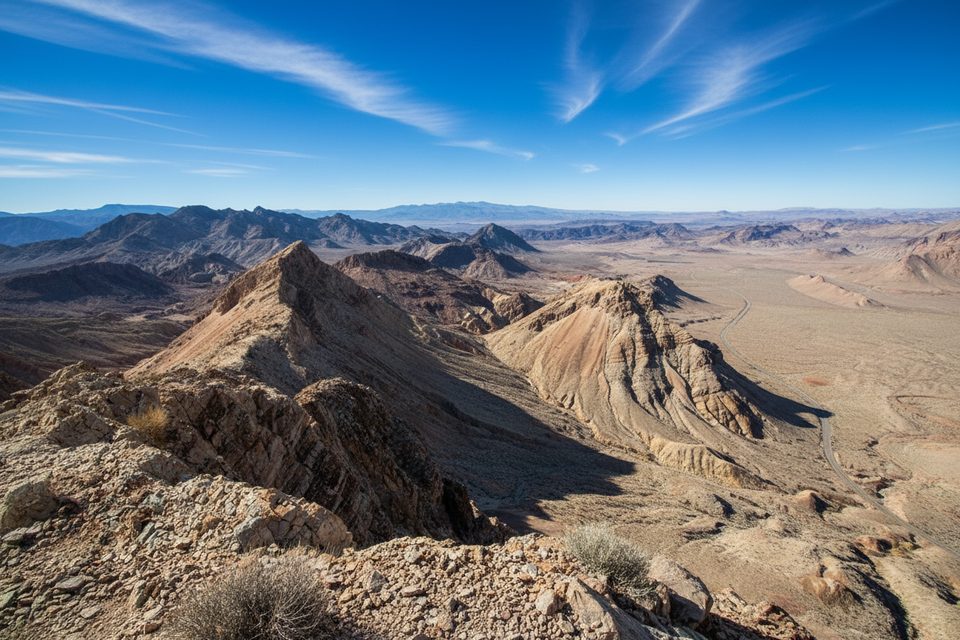
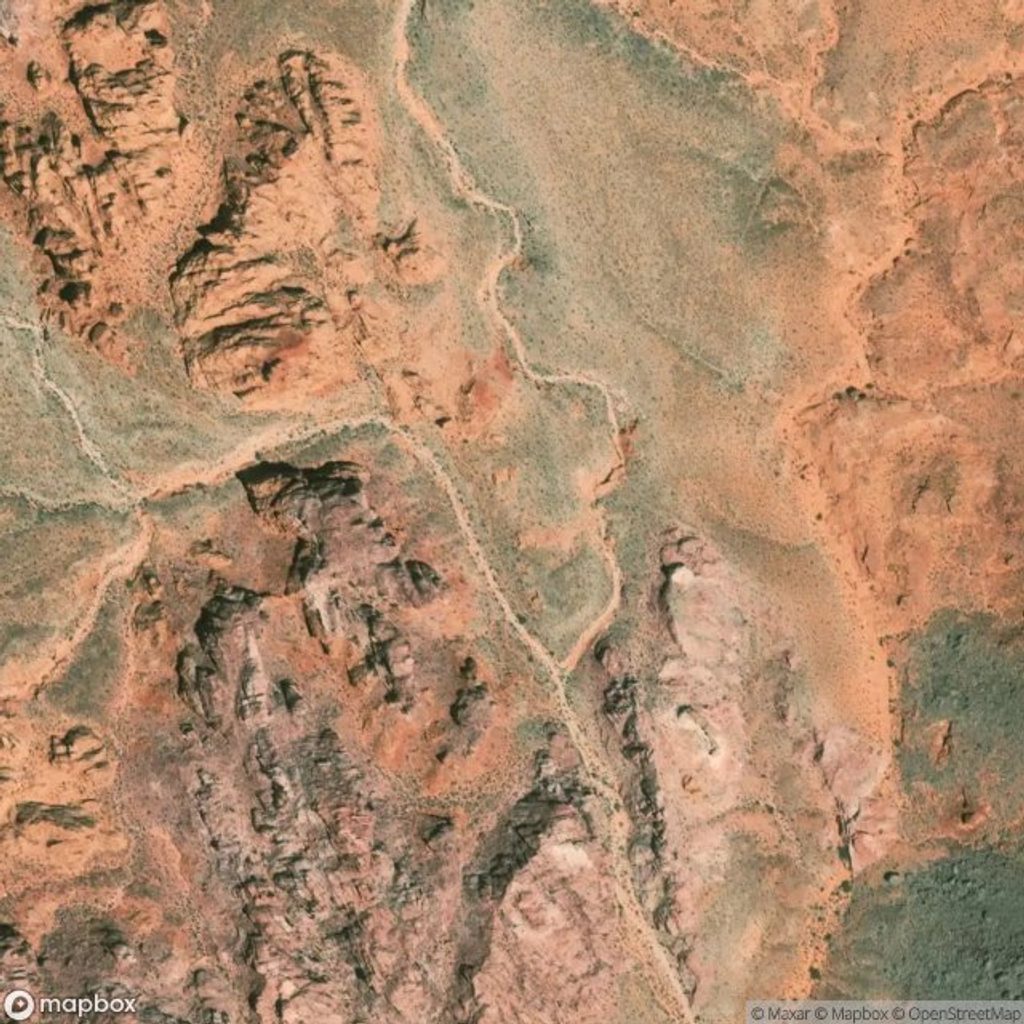
  • Terrain notes: Expect unmarked travel in washes, faint cairns, and short Class 2 to 2+ scrambles around dryfalls. Once among the rock, shady alcoves offer relief. Ambitious explorers can tag viewpoints on the surrounding fire‑cliff high points.

Best Time to Visit

Prime season is December through April when temperatures are pleasant. In warmer months, start very early; the approach has almost no shade. Weekdays see very light traffic either way, and dawn or late‑day light makes the colors pop while temps are friendlier.

Practicalities

  • Navigation: Bring offline maps/GPX—cell service is spotty and the route is not signed.
  • Water and sun: Carry plenty; there’s no water on route and exposure is constant until you hit the alcoves.
  • Fees: Lake Mead NRA charges an entrance fee (private vehicle $25 for 1–7 days) and is cashless—bring a card.
  • Dogs: Allowed on leash.

Wildlife

Trip reports focus on scenery, but typical Mojave desert life is around—reptiles and birds for sure, with rattlesnakes possible in warm months. Step carefully near rock cracks and warm slabs.

Is It Worth It?

If you love exploratory hiking and sandstone playgrounds, this is a gem—underrated, photogenic, and far from the crowds. If you want a signed, straightforward trail, pick another stop.

Pros

  • Vivid Aztec sandstone cliffs, alcoves, and wide slickrock to roam
  • Quiet, uncrowded backcountry feel with choose‑your‑own exploration

Cons

  • Unmarked routes with tricky navigation and occasional Class 2 scrambling
  • Little shade until the formations; intense sun and heat on approach
  • Dirt access via Callville Wash is rough and often needs high‑clearance 4WD

Tips

  • If you only have 2WD, start from Northshore Road rather than the wash.
  • Download an offline GPX—routes are unmarked and cairns are sparse.
  • Start in the cool season (Dec–Apr) or at sunrise to beat the heat.
  • Carry extra water and sun protection; shade begins among the formations.
  • Expect dryfalls and brief Class 2 scrambles in the drainages.
The Parkwolf tour guide sitting on a phone mounted in a car

Parkwolf Tour Guide

Like a tour guide in your car.

Save the places you found around Lake Mead, then let Parkwolf guide the drive between them.Download Parkwolf on the App Store