Place · 0.5 mi away

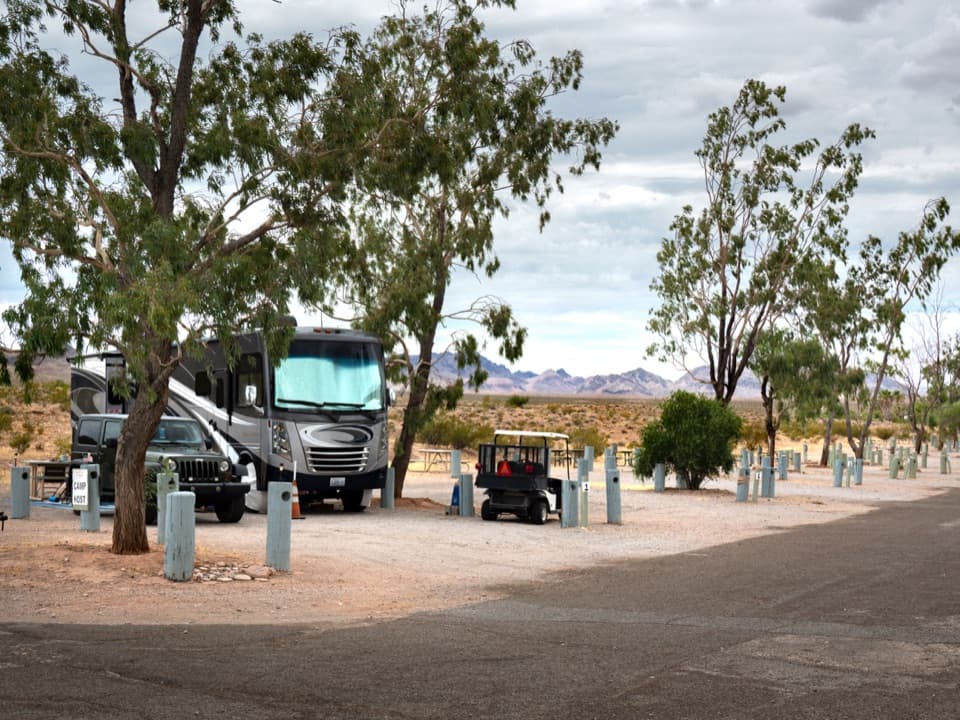
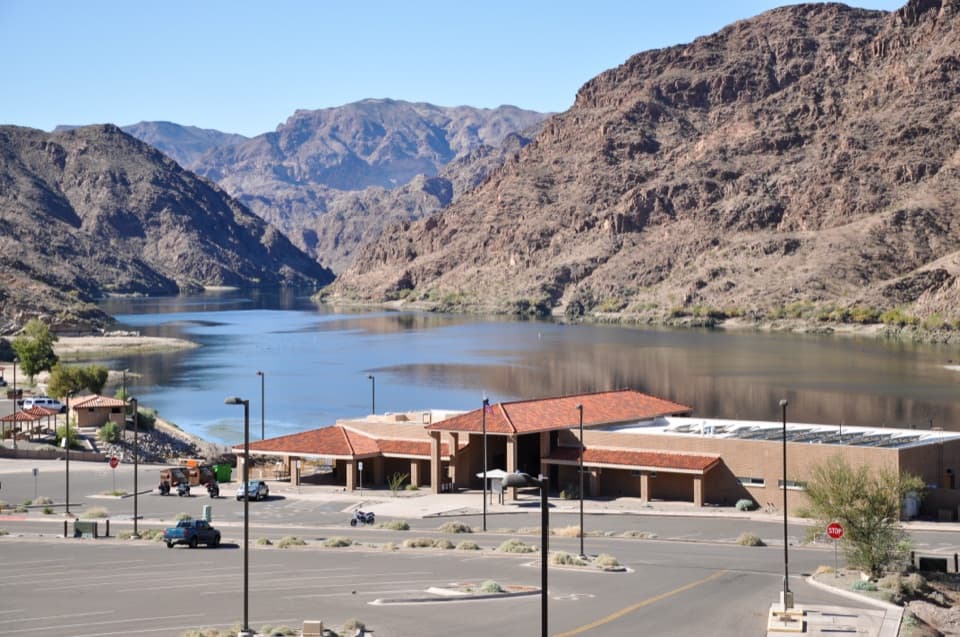
Echo Bay Campground is a no‑frills base on the Overton Arm, great if you want quiet nights, big skies, and easy access to the lake’s shoreline. There are two dry campgrounds (Upper and Lower) with paved pads that fit tents or RVs. Expect picnic tables and fire rings/grills at sites, multiple water spigots, and restrooms (flush and vault)—but no showers and no hookups. An RV dump and water refill sit near the Upper Campground entrance.
The Lower area is more open and generally a better fit for larger rigs; some sites elsewhere run small and shade is limited. A small day‑use picnic area, a basic mini‑mart, and a fish‑cleaning station round out the developed zone. Pets are allowed on a leash (6 ft). Quiet hours run 10 p.m.–6 a.m.
Campsites are cashless and reserved/paid through Recreation.gov, with same‑day booking possible. There’s also a separate park entrance fee. The turnoff is Echo Bay Road on Northshore Road; the campground is several miles from the turn.
The Echo Bay launch ramp is closed due to low water. If you’re boating, plan to launch at Callville Bay (about 30 miles away) and be wary of deceptively firm, muddy shorelines near Echo Bay. Maintenance can be hit or miss, and free‑roaming burros sometimes leave droppings that attract flies—bring patience and a good campsite mat.
There’s no campground Wi‑Fi. Cell coverage varies—often best near the Echo Bay Ranger Station/Upper area. Recent camper reports suggest generally good AT&T/T‑Mobile and fair Verizon, but expect dead zones.
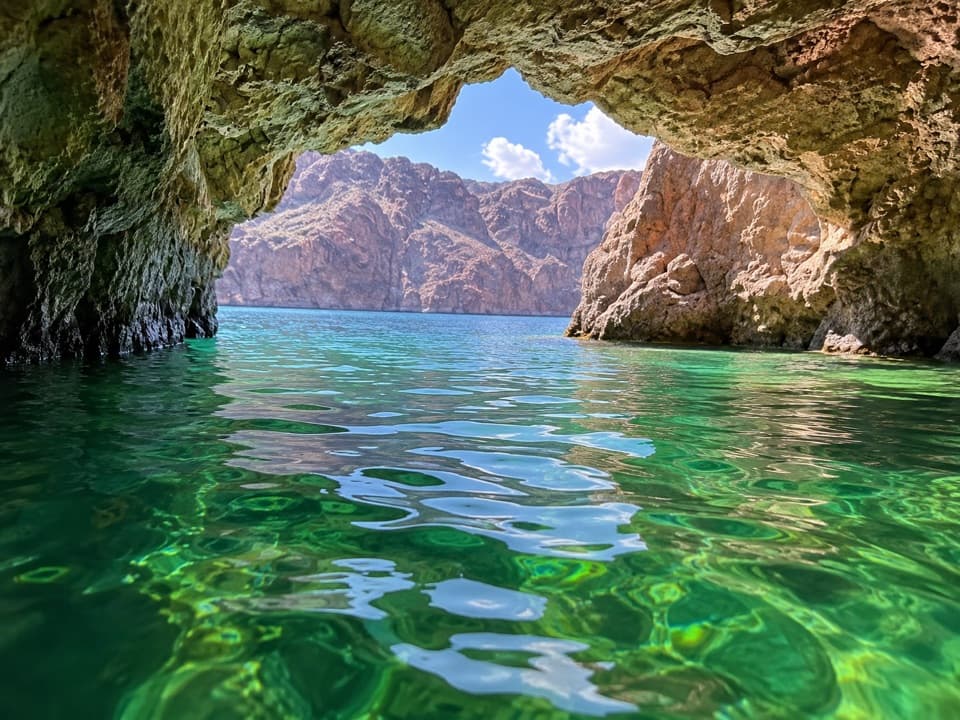
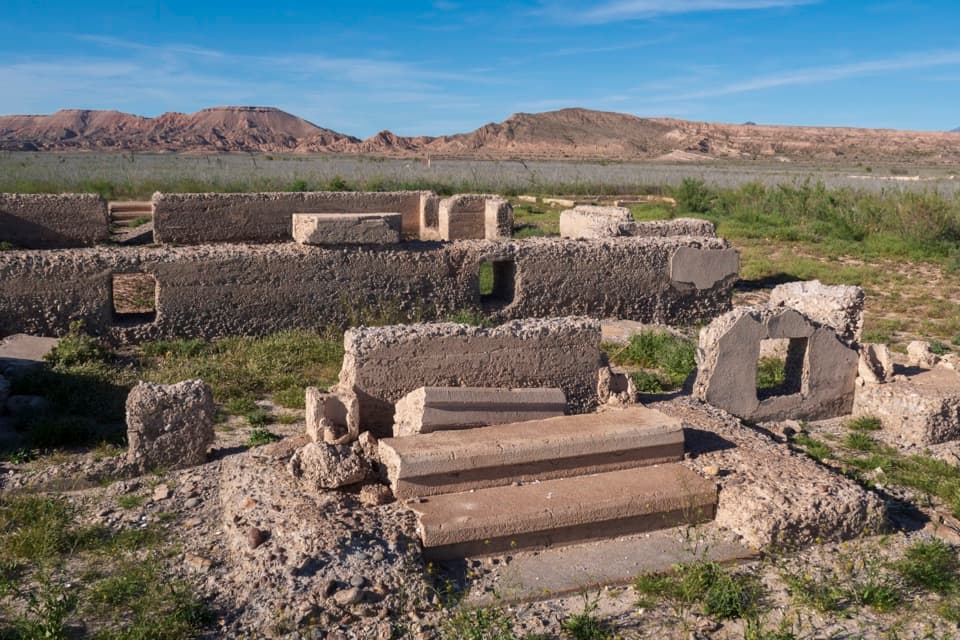
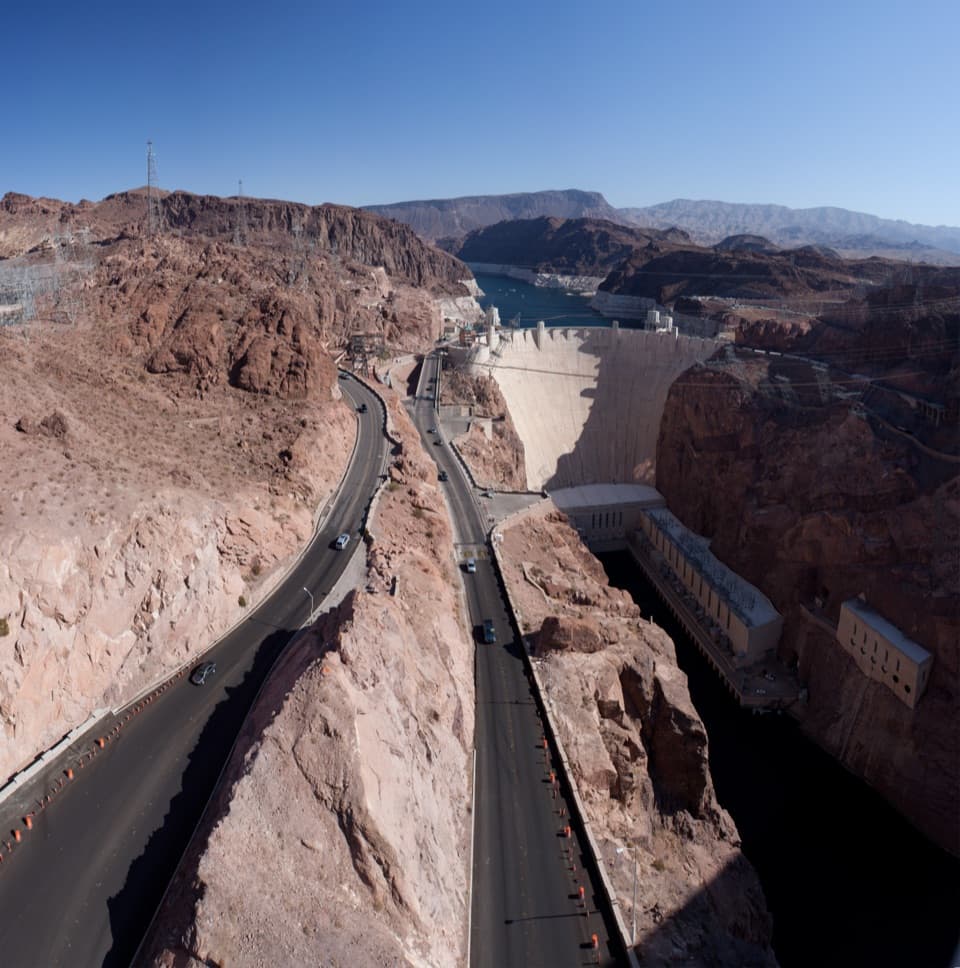
Shore fishing and cove exploring are the easy wins here; nights are excellent for stargazing thanks to the remote setting. Scenic drives on Northshore Road deliver red‑rock geology. Nearby side trips include Redstone Picnic Area, St. Thomas, Rogers and Blue Point Springs, and Valley of Fire State Park.
You’re camped amid a story that spans a billion years: ancient seas that left limestone and shale, winds that stacked dunes into today’s vivid Aztec sandstone, and later volcanism that capped mesas with basalt. Farther south, the Colorado River cut the canyons that ultimately shaped this basin.
Spring and fall are the sweet spots—warm days, cool nights, and fewer maintenance hiccups. Summer regularly tops 100°F; if you come then, bring serious shade and water. Winter is quiet and often wide‑open for site selection. Aim for weekdays to have more breathing room, and save dusk through night for sky watching.