
Place · 0.4 mi away
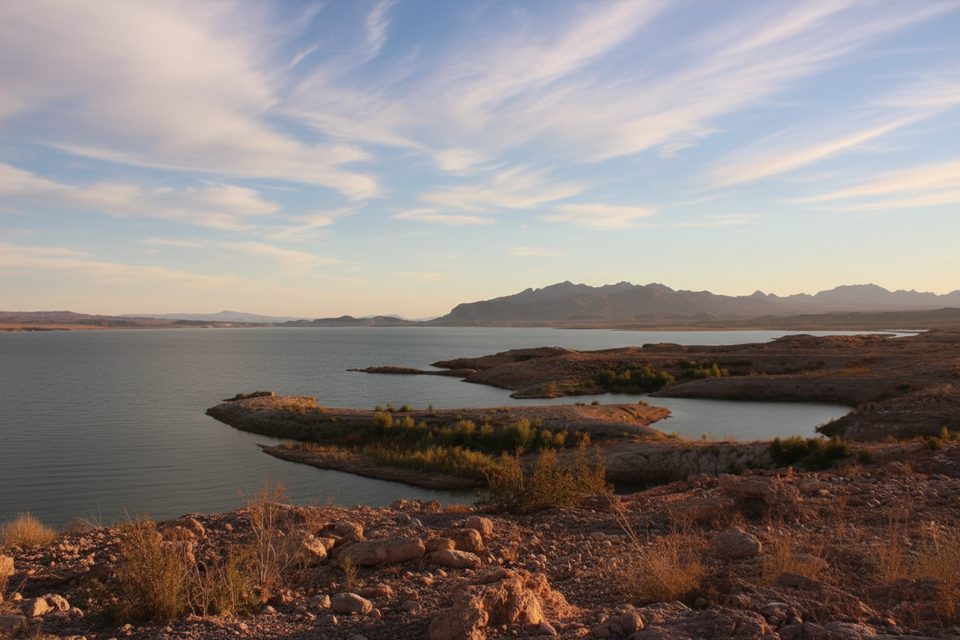
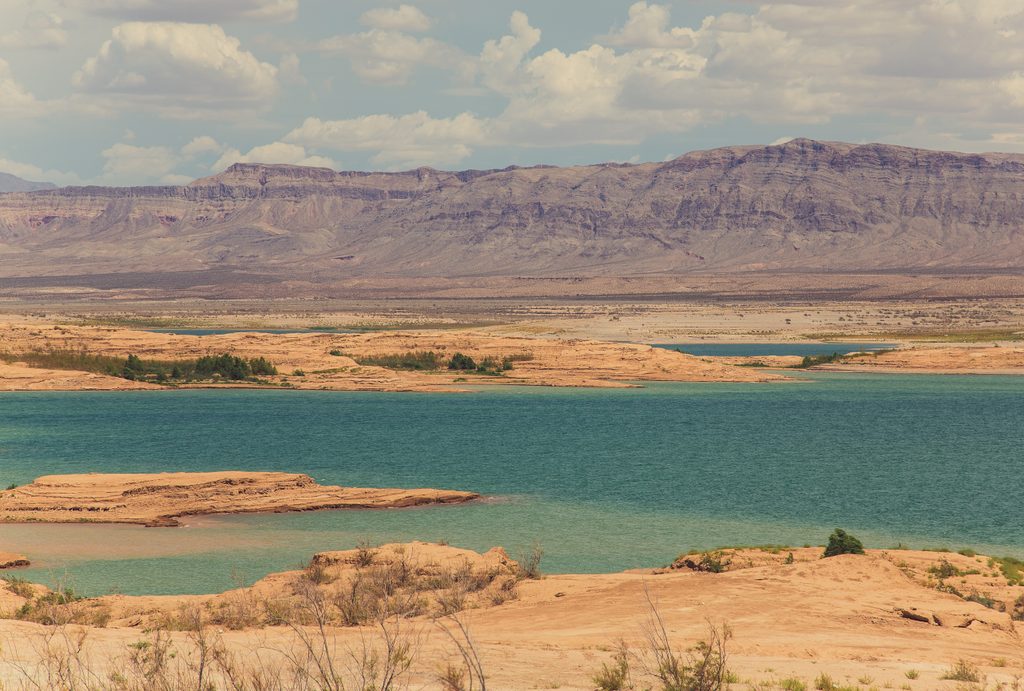
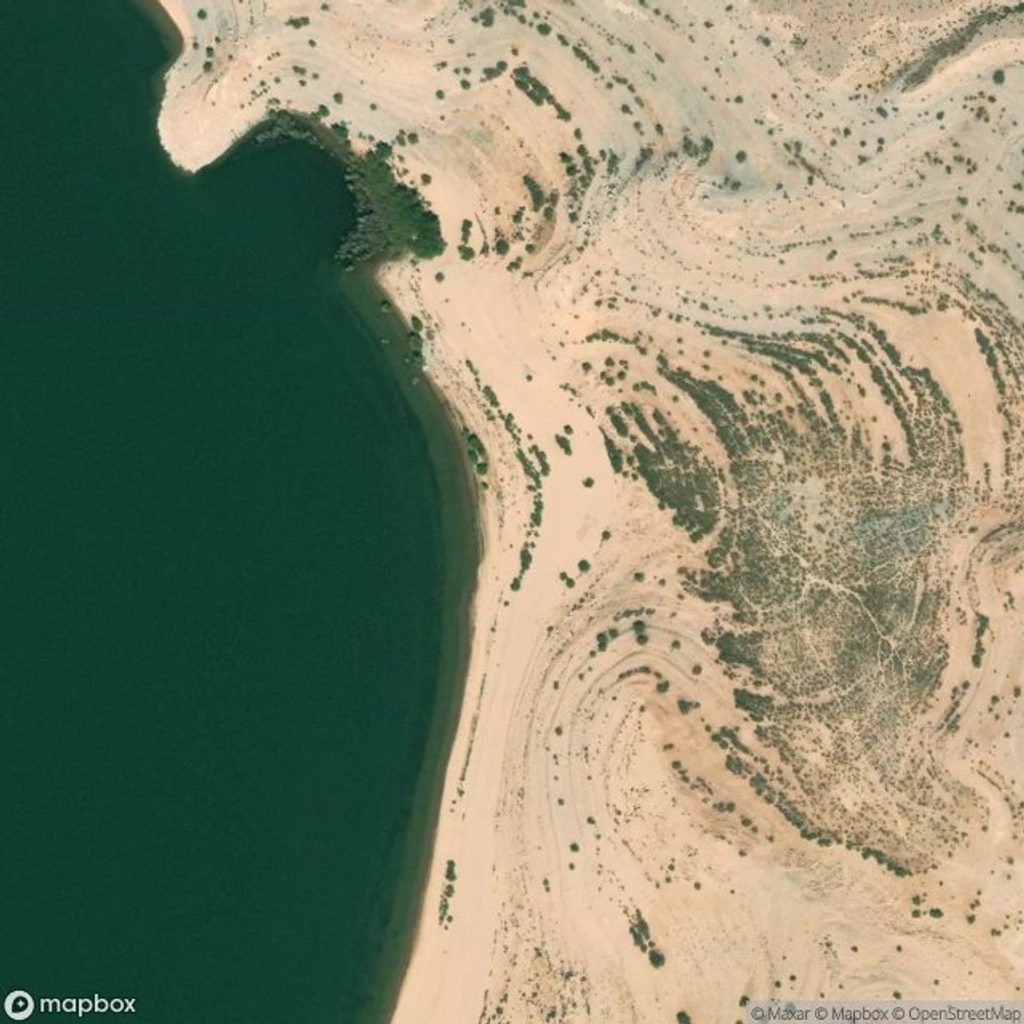
Stewart's Point is designated, primitive vehicle camping with expansive views over the Overton Arm. It’s quiet and spacious, with room to spread out and pick your own spot. Camping is free here, but you’re inside a national recreation area where entrance fees may apply. Expect wind at times and hot conditions in warmer months.
Reach it via Northshore Road (NV‑167) and Stewarts Point Road; the final stretch is unpaved. Roads are generally passable when dry but can be washboarded or rutted. The sand gets softer closer to the water—scout first, stay on established/signed routes, and avoid the soft playa. If rain is in the forecast, favor higher, graveled spots because parts of the route can be susceptible to flash flooding. Much of the shoreline sits atop low cliffs, so getting to the water can be steep in places. Weekends can draw more campers, but there’s a lot of space.
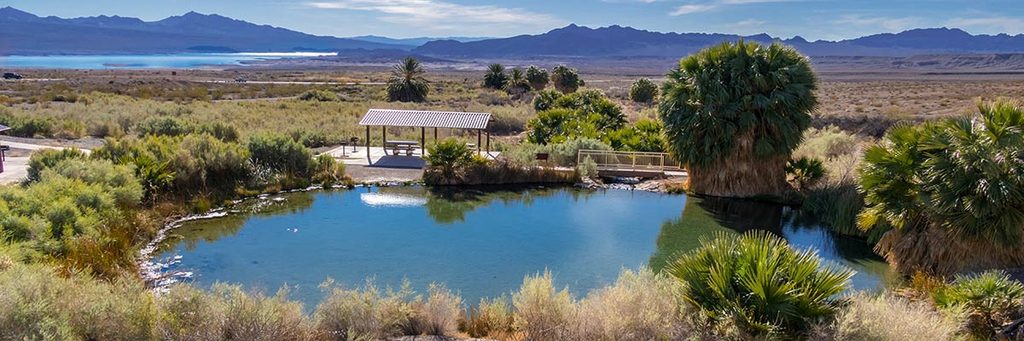
Amenities are intentionally minimal. There’s one vault toilet near the entrance to the camping area; otherwise it’s full pack‑in/pack‑out. No on‑site water, trash, or dump. For services, use Echo Bay (about 10 miles south) for a dump station with potable water; Blue Point Spring has trash bins roughly a mile away. Propane and groceries are in Overton (about 15 miles). Cell service varies by carrier and exact location—reports range from weak to usable, with dead zones possible.
This is a designated NPS backcountry vehicle‑camping area; stay on approved/signed backcountry roads. A 15‑day stay limit is posted for the area, and camping is free within that limit. Within a quarter mile of the lake (or springs), you must have a human‑waste containment method unless you’re at a constructed toilet. Practice strict pack‑it‑in, pack‑it‑out.
Expect a generally peaceful scene with wide horizons. Coyotes and wild burros are common, and campers sometimes note occasional cattle and flying insects (few mosquitoes reported). Keep food secured and pets close—especially because of coyotes. Winds are common; plan your campsite orientation accordingly.
Cooler seasons are the most comfortable given the heat in warmer months. Aim for calmer, less‑windy days when possible, and target weekdays for more solitude. Arrive with daylight to walk your preferred spur road and choose a firm, higher‑ground pad before committing a heavy rig.
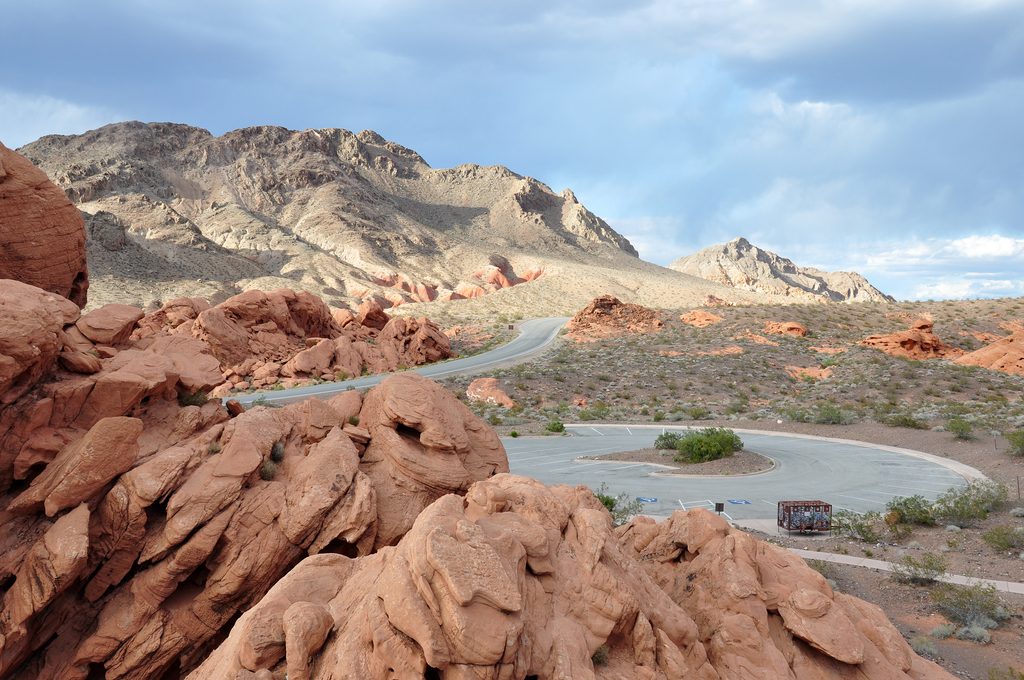
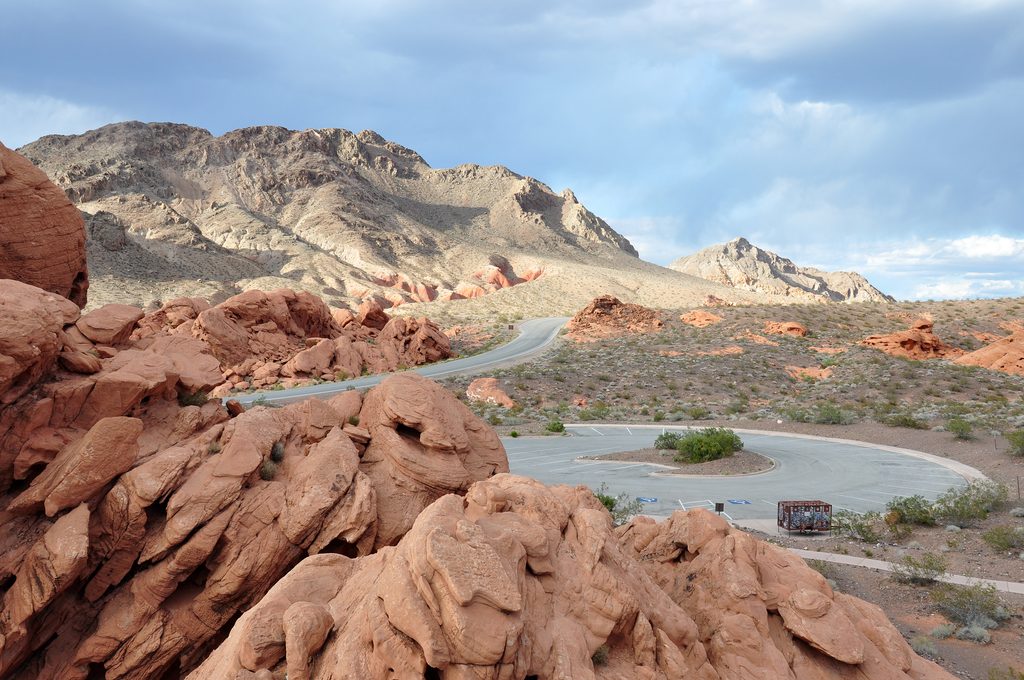
Echo Bay is the closest place for water and dumping, and Overton covers basic supplies. Valley of Fire State Park is an easy day trip for hiking and sightseeing.
Place · 0.4 mi away
Place · 1.9 mi away
Place · 2.4 mi away
Place · 2.5 mi away
Easy · 2.4 mi away
Easy · 6.3 mi away
Easy · 11.4 mi away
Easy · 11.5 mi away

Parkwolf Tour Guide
