
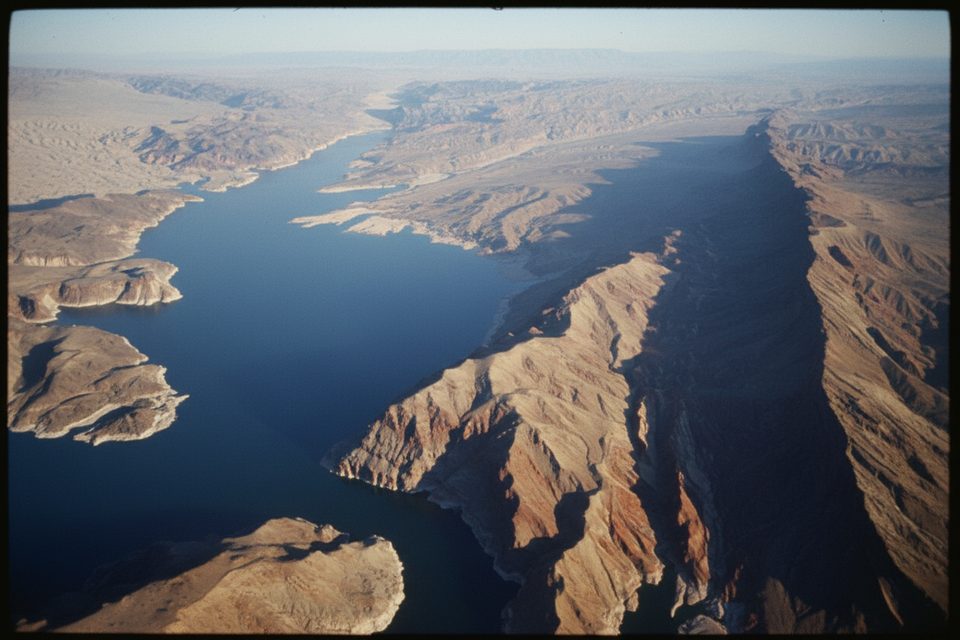
Place · 4 mi away
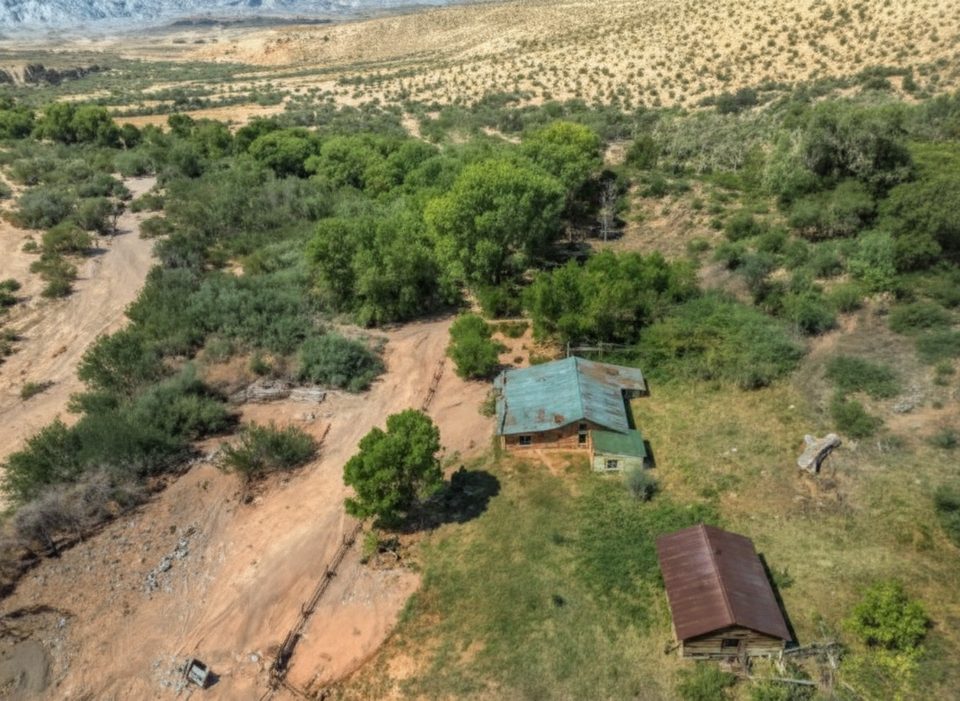
Tassi Ranch is a remote, historic oasis set in the Pakoon Basin—an old ranch compound with a 1930s stone house, barn, corrals, irrigation ditches, and a shaded cottonwood grove beside Pigeon Wash. It sits within Grand Canyon–Parashant National Monument and is managed to protect both the cultural landscape and fragile spring ecosystems. Expect solitude, big skies, and the surreal contrast of green shade and running water in the middle of stark desert.
This is true backcountry. Access typically involves Mohave County roads 111/113 and NPS 1213. High‑clearance 4x4 is required; expect rough, occasionally sandy tracks and changing conditions from winter storms and summer monsoons. There’s no developed parking, and flooding can reshape the wash. Cell service is unreliable—bring detailed maps, ample water and food, extra fuel, and at least two spare tires.
People have used these springs for millennia. The modern ranch era took shape in the late 1930s when Ed Yates developed the reservoir, ditches, and the stone house, creating a permanent stock‑raising base in an otherwise unforgiving landscape. Subsequent ranchers kept the place running for decades; today it’s preserved as a rare example of early 20th‑century ranching at a Mojave Desert spring complex. The house remains closed due to structural and health hazards.
The spring complex supports sensitive species including the threatened relict leopard frog, as well as native fish and abundant birdlife. Snakes are possible, and bees may be active seasonally on nearby cliffs. Desert tortoises occur in the area—watch your step and give all wildlife space. Stay off the wet spring margins to avoid trampling habitat.
Do not enter the stone house or outbuildings; view from outside the fence openings. Walking is rough—rocky outside the fence, with tall grass inside. Water from the springs is not safe to drink unless properly treated. This landscape is beautiful but unforgiving: be fully self‑sufficient and prepared for weather shifts, impassable roads, and long distances from services.
Plan for cooler seasons and early starts. Avoid the peak summer heat, and be mindful that winter storms and summer monsoons can flood washes and make roads impassable. For photography, morning and late‑day light flatter the stonework and cottonwoods. Crowds are minimal any day—this is a quiet, back‑of‑beyond stop.
Place · 4 mi away
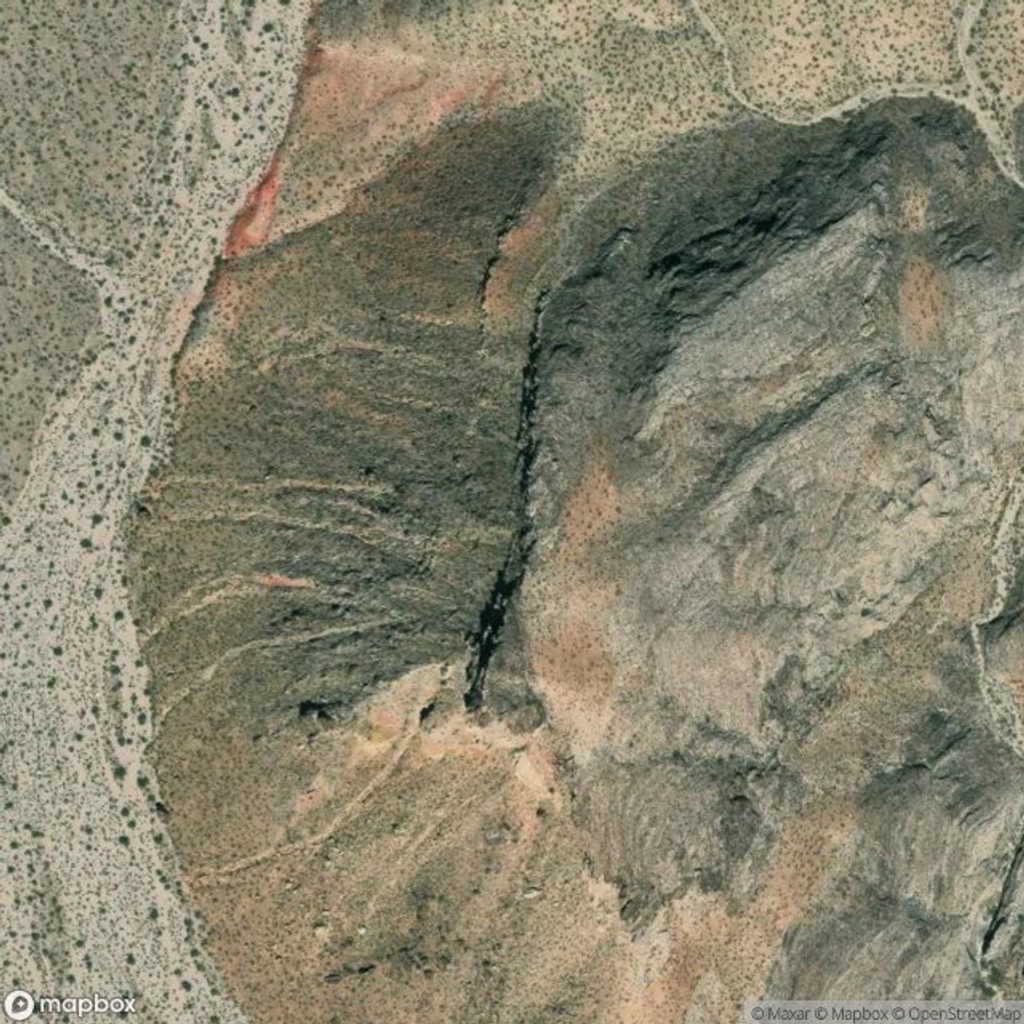
Place · 5.6 mi away
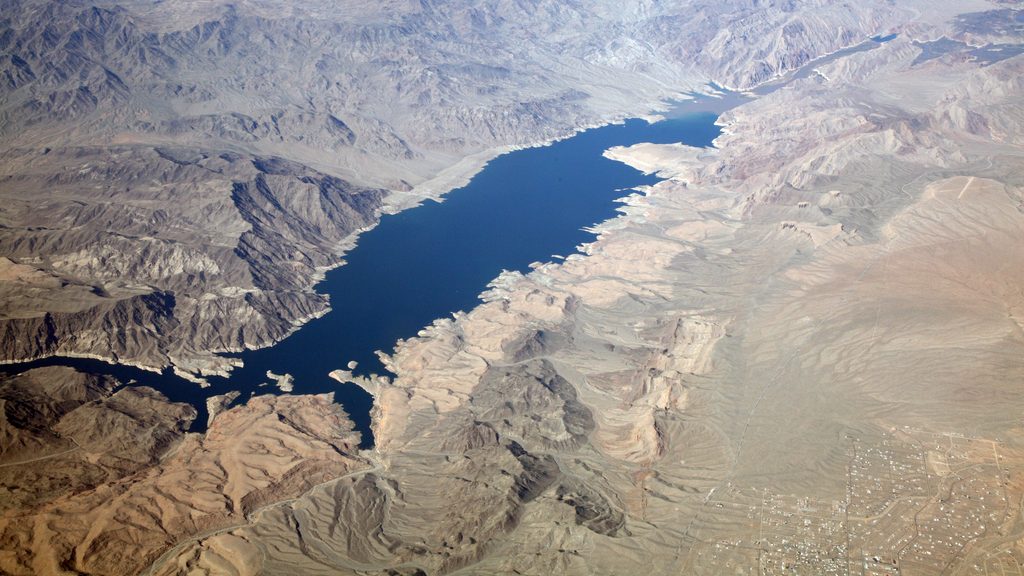
Place · 9.1 mi away
Place · 13.9 mi away
Easy · 27.9 mi away
Easy · 28.3 mi away
Easy · 31.1 mi away
Easy · 31.1 mi away

Parkwolf Tour Guide
