
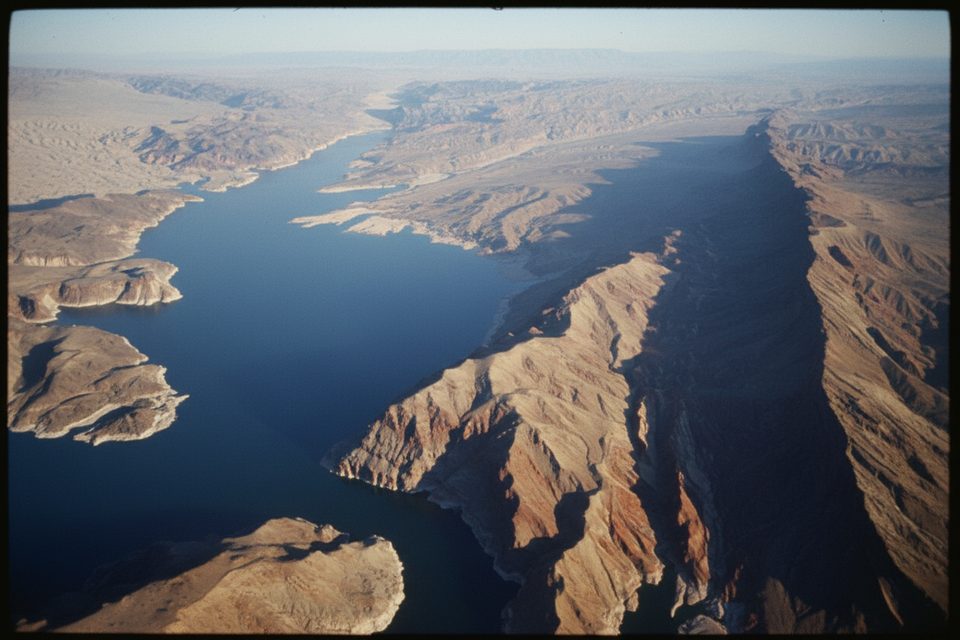
Place · 3 mi away
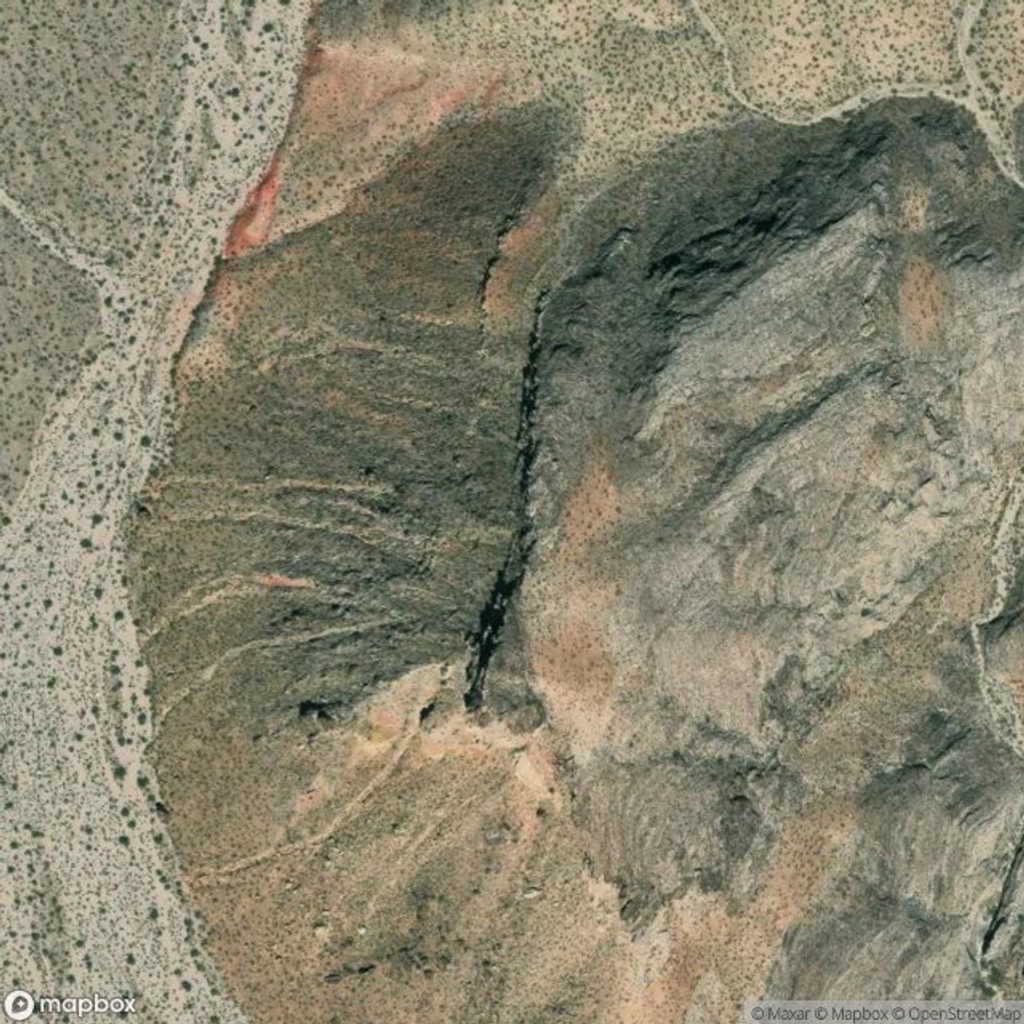
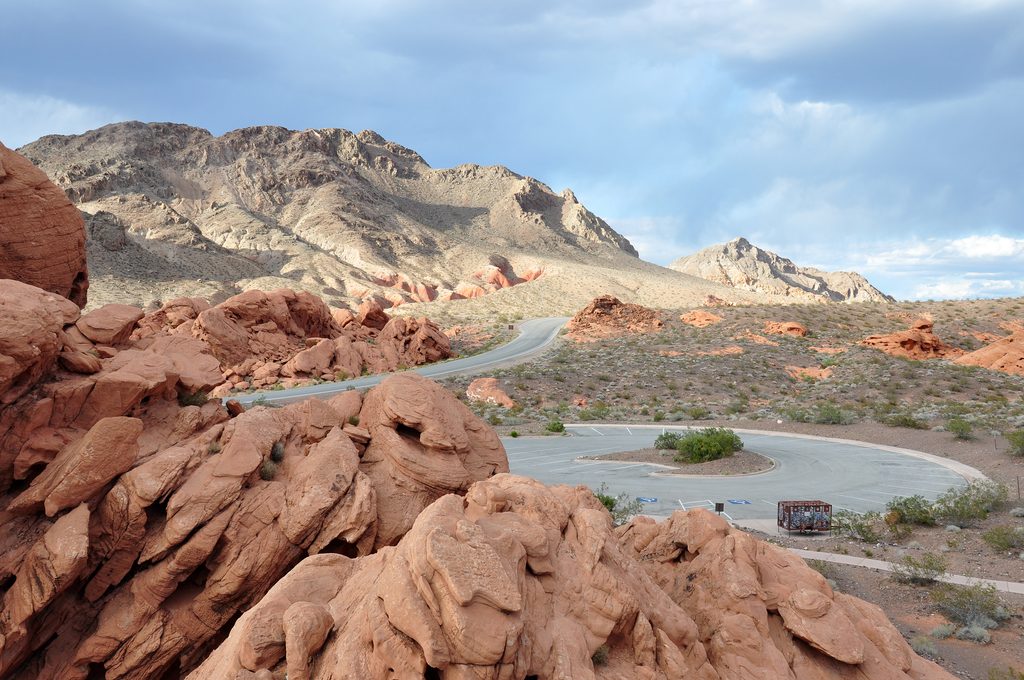
Thumb Knob is a small, backcountry summit on the far eastern side of the lake near the Temple Basin/Iceberg Canyon area. It’s inside the recreation area but completely undeveloped—no signs, no built trail, no facilities. The draw here is quiet desert country and a choose‑your‑own line to a lonely high point overlooking the surrounding basin.
Most parties reach the area by water, launching from Temple Bar or South Cove, then hike cross‑country from shore. Expect a pathless approach over gravel benches and low hills cut by shallow washes. There’s no designated trailhead at Thumb Knob itself. Nearest services are at Temple Bar (marina, campground, fuel, store, lodging) and at South Cove (vault toilets, trash). Once you leave those hubs, you’re on your own.
Travel is classic Lake Mead desert: firm gravel flats, rolling rises, and plenty of wash crossings. Route‑finding is constant. Alongshore, lake‑level “bathtub ring” terraces can make for faster walking when they exist, but cliffy fingers and dryfalls can force detours. Occasional short sections of hands‑on scrambling may be needed around small cliffs or dryfalls depending on your line.
Water is scarce and unreliable; plan to carry what you need. Springs in the region can be fouled by burros, and shoreline water requires careful treatment if you resort to it. Flash‑flood risk exists in washes even when it isn’t raining overhead. Heat is the big hazard here—summer travel can be dangerous. In winter, nights are long and ground cold, so bring adequate insulation.
This corner of the desert supports typical Mojave fauna, and desert bighorn sheep are occasionally seen on ridges and benches. Give wildlife space and choose durable surfaces to minimize impact.
Aim for the cool season—late fall through early spring—when mileage and water carry are more manageable. Start at dawn for cooler temps and calmer winds, and build extra time for micro‑route decisions. Crowds aren’t the issue here; access and conditions are. Before you go, check current park updates and launch conditions, and remember that changing lake levels can alter shoreline options from one trip to the next.
Temple Bar is the most complete service hub on this side of the lake, while South Cove offers a simpler launch with basic amenities. Either works as a staging point depending on your boat, weather, and plan.
Place · 3 mi away
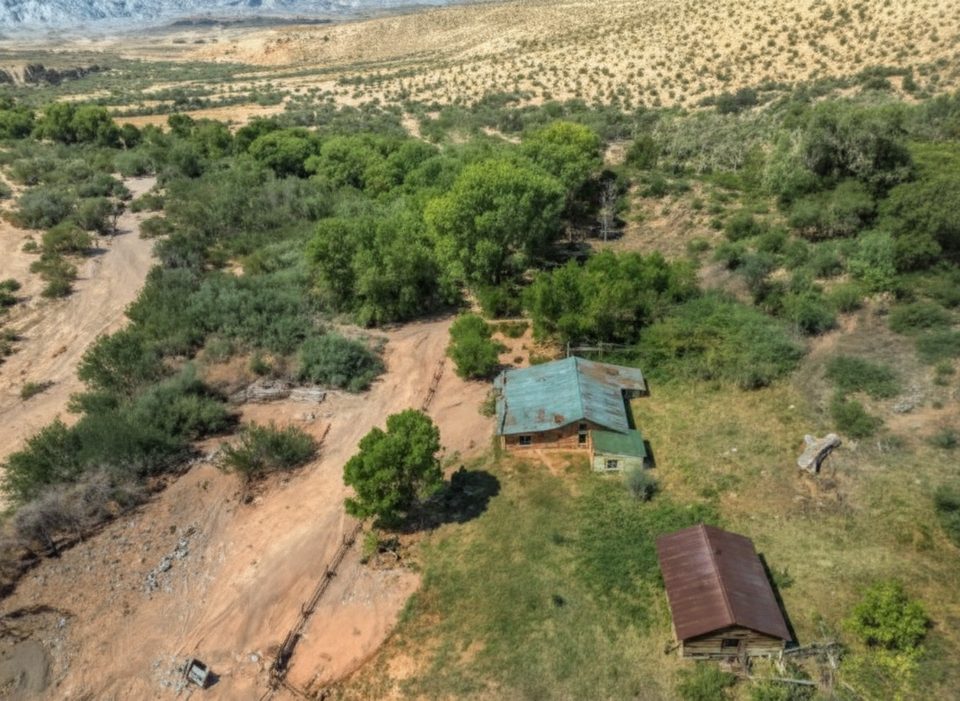
Place · 5.6 mi away
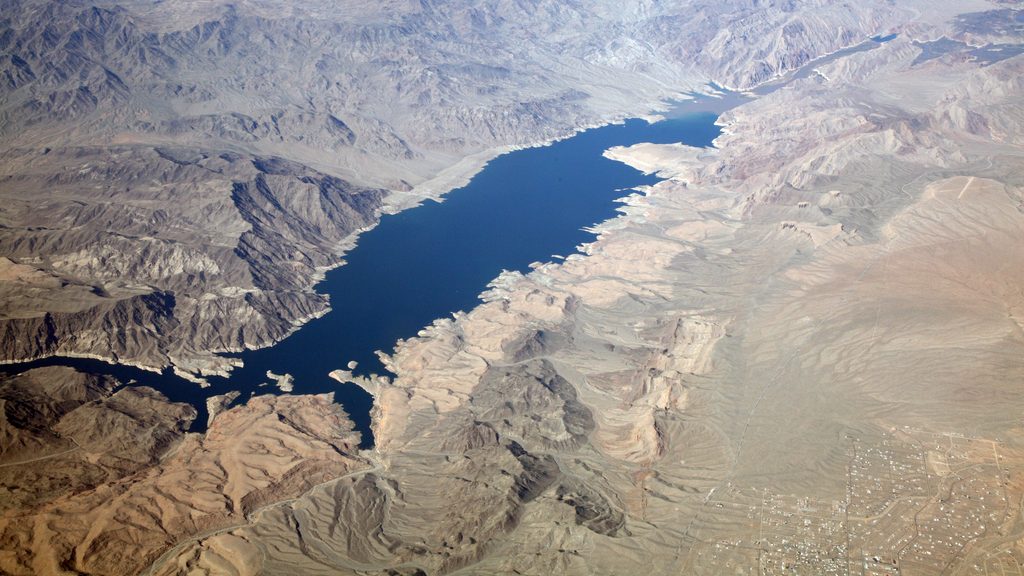
Place · 8.2 mi away
Place · 9.6 mi away
Easy · 24 mi away
Easy · 24.8 mi away
Easy · 25.8 mi away
Easy · 25.8 mi away

Parkwolf Tour Guide
