
Place · 0.1 mi away
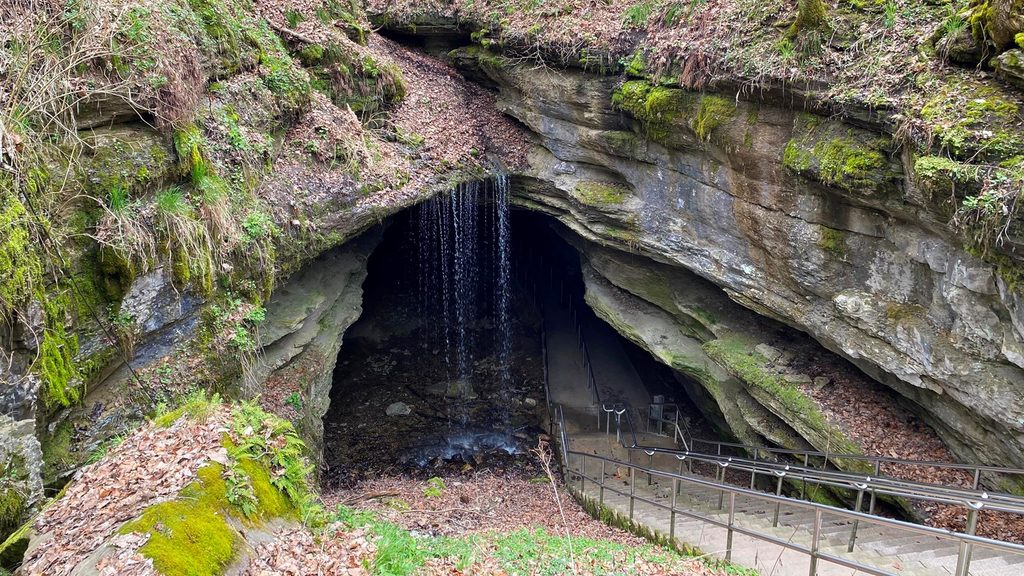
The Historic Entrance is the dramatic, natural mouth of Mammoth Cave—a broad collapse opening that exhales cool air year‑round. It’s the park’s most storied doorway underground and the staging point for marquee cave routes led by rangers. You’ll feel that temperature drop the moment you approach, even on a steamy Kentucky day.
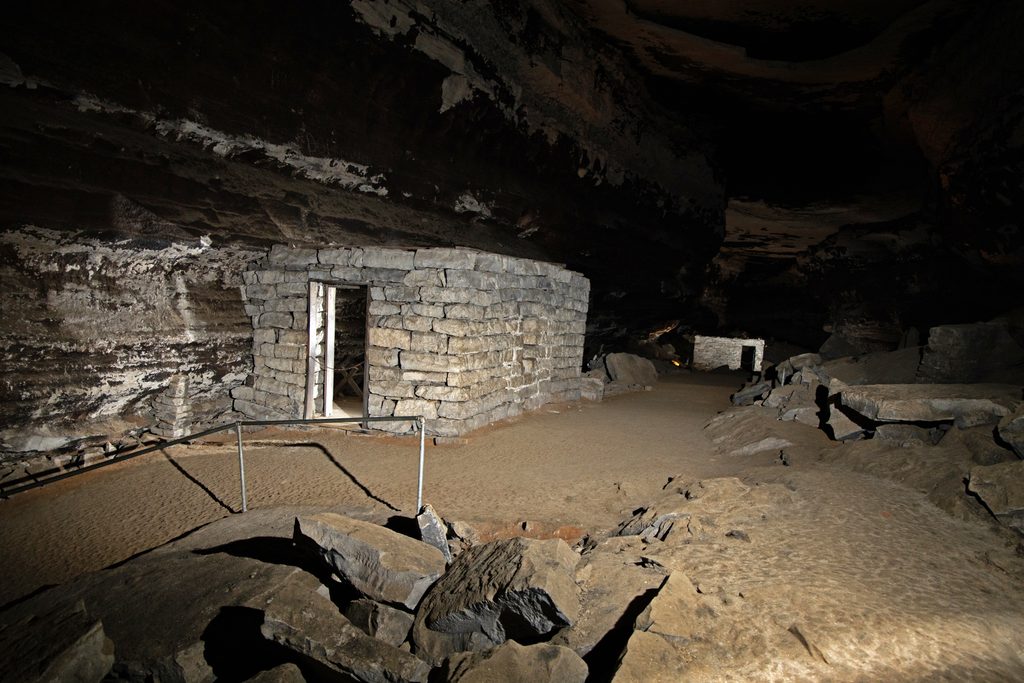
People have been entering here for thousands of years. Indigenous peoples explored these passages long before Euro‑American visitors. In the 1800s, saltpeter mining and early tourism flourished, with enslaved guides such as Stephen Bishop shaping the world’s understanding of Mammoth Cave. That layered human story is a major focus of tours that begin at this entrance.
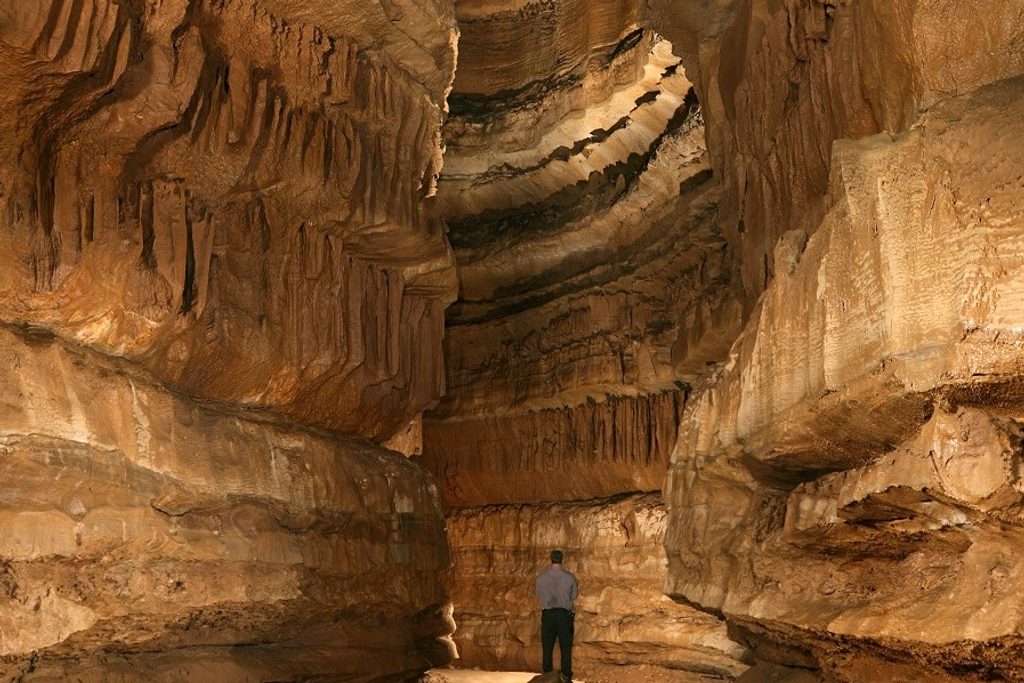
Historic Entrance routes typically descend steeply into large, dry passages—think big rooms and broad corridors rather than dripstone “decor.” The Historic Tour and Gothic Avenue Tour commonly start here, highlighting mineral extraction sites, early tourism, and historic inscriptions in soot in Gothic Avenue. Other formation‑heavy tours (like Frozen Niagara or Domes & Dripstones) use different entrances and feel very different.
Important: you must be on a cave tour to enter the cave. Tours can sell out—especially spring through fall, holidays, and weekends—so lock in reservations ahead of time. Expect stairs, slopes, low light, and occasional stooping on routes from this entrance.
This is classic karst country: thick limestone carved by underground rivers, then opened by collapse. The cave keeps a steady mid‑50s °F climate, so bring a layer even in summer. The horizontal levels you travel on correspond to ancient river levels out in the Green River valley.
In the entrance’s “twilight zone,” keep an eye out for cave crickets, spiders, salamanders, and the occasional bat. Keep voices low and never touch wildlife. After tours, follow decontamination steps to help protect bats from white‑nose syndrome.
For a calmer look into the mouth of the cave and lighter tour crowds, aim for weekday mornings outside peak spring–summer and holiday periods. During busy seasons, groups may funnel through every few minutes, so arrive early and build buffer time around your scheduled tour.
Place · 0.1 mi away
Place · 0.1 mi away
Place · 0.1 mi away
Place · 0.1 mi away
Easy · 0 mi away
Easy · 0 mi away
Easy · 0.1 mi away
Moderate · 0.1 mi away

Parkwolf Tour Guide
