
Place · 0 mi away
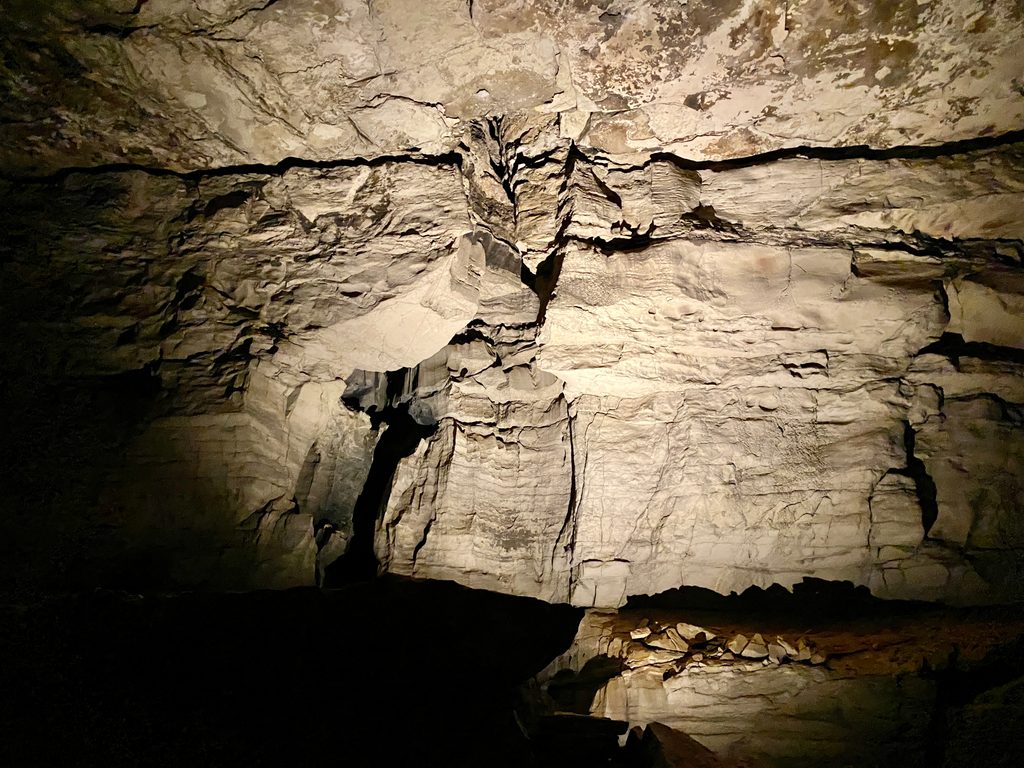
Tall Man’s Misery is exactly what it sounds like: a short, tight, low‑ceiling corridor inside Mammoth Cave that makes taller visitors stoop and shuffle. It commonly shows up on the Historic Tour, often right after the famous Fat Man’s Misery, and it’s one of those spots the guides love to point out because it’s both challenging and a good laugh for the group.
Expect a brief stretch—think minutes, not an ordeal—of ducking, twisting, and “scrunch walking.” Even average‑height folks report needing to crouch, and it’s easy to bump your head if you stand up too early. If you’re not severely claustrophobic, most people find it tight but manageable, and many call it a highlight of the route.
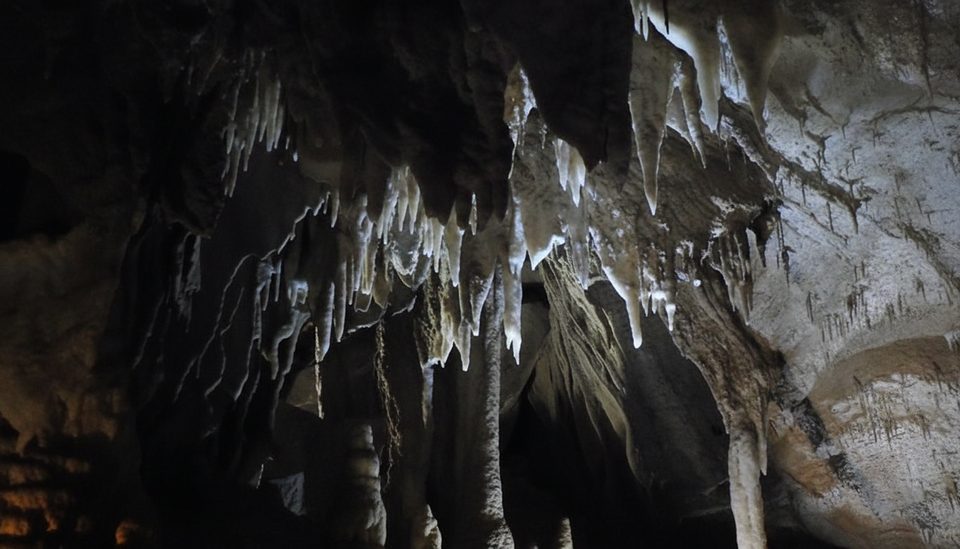
Mammoth Cave’s passages formed as groundwater dissolved Mississippian‑age limestone. Where water flow was limited, it left behind narrow, low corridors like this one; big flows carved the enormous tunnels elsewhere in the cave. Because a thick sandstone/shale caprock shields much of Mammoth Cave, you won’t see the classic drapery of stalactites and stalagmites here—this cave impresses with size and sculpted passage shapes instead of dripstone.
Named features like Tall Man’s and Fat Man’s Misery are part of a long tradition of storytelling underground. Indigenous peoples explored Mammoth Cave for millennia, the cave supplied saltpeter during the War of 1812, and guided tourism took off in the 1800s—legendary guide Stephen Bishop mapped miles of passages. Near sections of the Historic Route, you can even spot old visitor graffiti from more than 150 years ago.
You may occasionally see bats and other cave life. Keep voices down, don’t touch the walls, and follow any decontamination guidance to help protect bat populations.
The Historic Tour routinely features Fat Man’s Misery followed by the “tall man” squeeze, and some other routes may include similar tight spots. Tour lineups change seasonally—always check current descriptions and difficulty ratings before you book.
Since it’s underground, weather hardly matters—cave air stays cool year‑round. What does matter: demand. Tours sell out and stage large groups, so book ahead and arrive early at the Visitor Center to park, use restrooms, and meet your ranger. If you’re nervous about tight spaces, chat with rangers about which tour fits you best.
Wear grippy, closed‑toe shoes; keep packs tight and your hands free for balance. Move slowly, follow the ranger’s lead, and mind your head at the end of the squeeze where people often pop up too soon.
Place · 0 mi away
Place · 0.1 mi away
Place · 0.1 mi away
Place · 0.1 mi away
Challenging · 0 mi away
Easy · 0.1 mi away
Easy · 0.1 mi away
Easy · 0.1 mi away

Parkwolf Tour Guide
