Dart Hut

Backcountry hub hut for Rees–Dart and Cascade Saddle adventures
Dart Hut, Mount Aspiring National Park
InsideMount Aspiring National Park

Overview

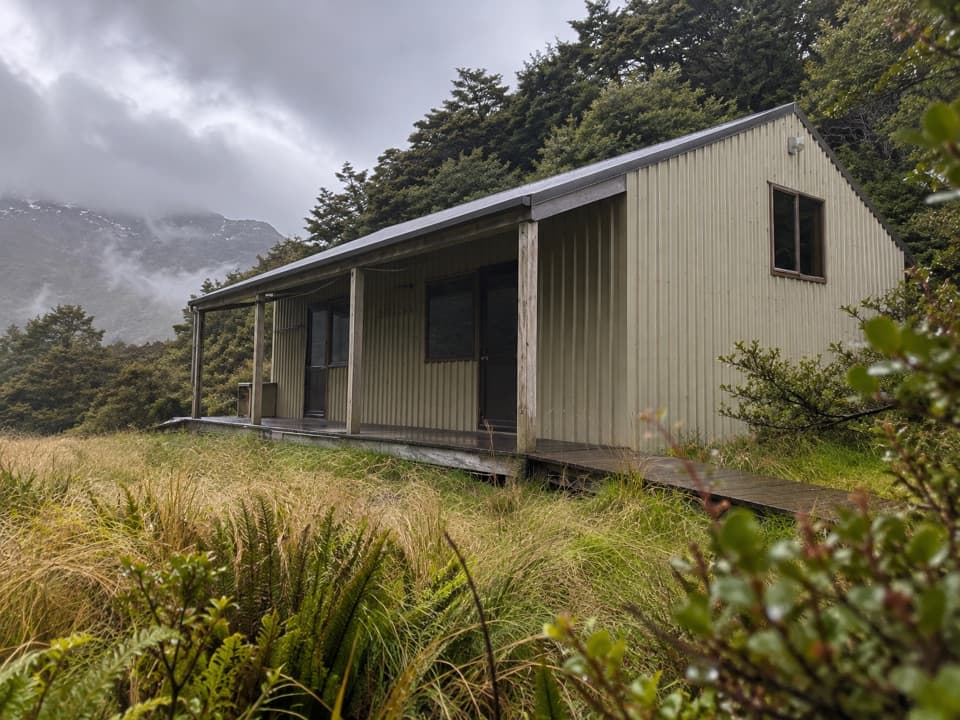
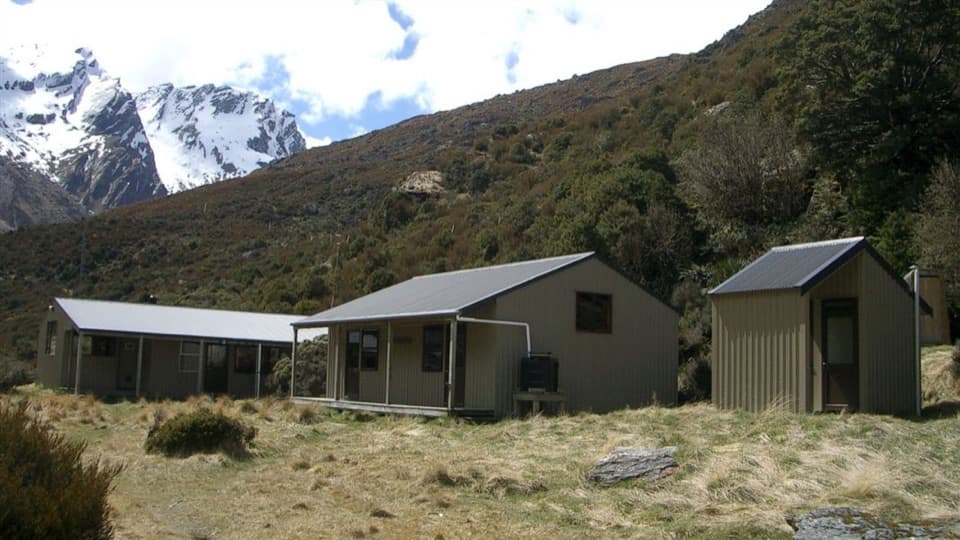
Dart Hut is the backcountry nerve center at the head of the Rees and Dart valleys—a 32‑bunk serviced hut set at about 933 m. The current “No. 3” hut went up in 2004 to replace an older, smaller version and has since been extended. It’s here that trampers catch their breath after Rees Saddle or stage big missions toward the Dart Glacier and Cascade Saddle.

Facilities & Fees

Inside you’ll find mattresses, heating via a closed fire/wood stove, and a spacious communal area that spills onto a sunny deck. There’s a hut water supply (from a bore) and on‑site toilets. It’s first‑come, first‑served: no bookings, but fees still apply—use serviced hut tickets and drop them in the honesty box. Camping is permitted near the hut; campers pay the standard camping ticket and may use the hut’s water and toilets. Backcountry Hut Passes are valid 1 May–30 September and not accepted 1 October–30 April.

Getting There

Dart Hut anchors multi-day travel on the Rees–Dart Track and also links to the Cascade Saddle Route. Navigation-wise, it sits on NZTopo50 sheet CA10 (NZTM2000 E1246716, N5060574), so it’s well mapped for parties carrying proper topo and nav tools.

Side Trips

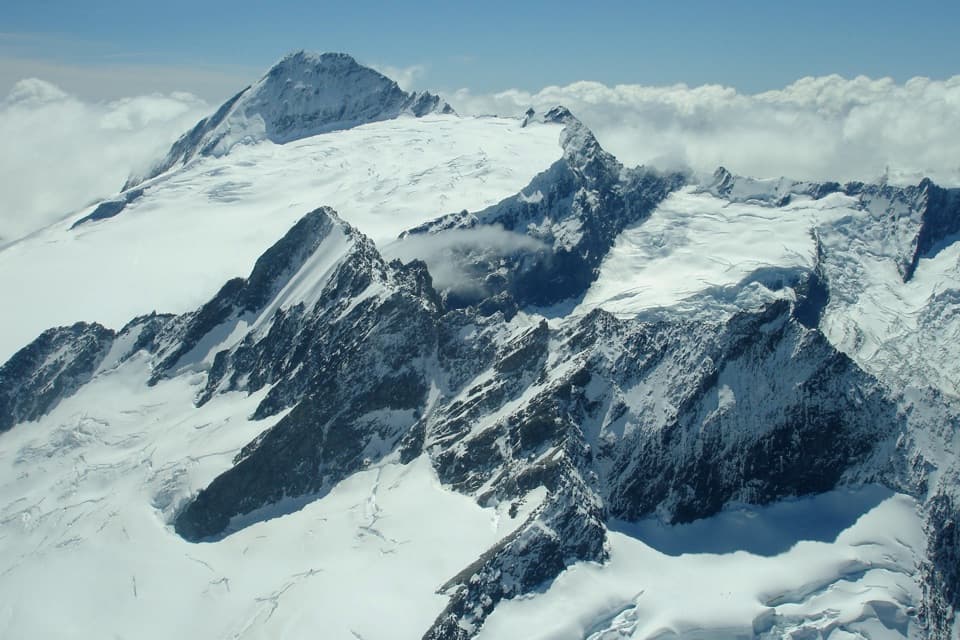
On clear, settled days, trampers often push up toward the Dart Glacier for glacial scenery and big valley views. The Cascade Saddle connection toward Raspberry Creek is a marquee route—but a committing alpine undertaking.

Hazards & Safety

Campers should treat the surrounding beech forest with respect: extreme wind events here can cause branch drop and treefall. The Cascade Saddle Route involves steep, exposed terrain with sections where a slip can be fatal; in icy conditions or early summer, ice axe and crampons are required, and avalanches are a risk, particularly in winter and spring. Carry layers and solid boots, and treat or boil hut water as potability isn’t guaranteed.

Best time to visit

Most parties target the typical Rees–Dart walking season of December–April for steadier weather and longer daylight. Shoulder and winter seasons demand more experience and judgment; a Backcountry Hut Pass can cover hut fees between 1 May and 30 September. If you’re eyeing Cascade Saddle, wait for a clear, settled forecast and alpine-friendly conditions. Policies can change—check the latest DOC notes before you leave.

Pros

  • 32-bunk serviced hut with wood stove, mattresses, and a roomy communal area with a deck
  • Simple first-come system with honesty-box tickets; campers may use hut water and toilets
  • Prime base for side trips to the Dart Glacier and the Cascade Saddle route

Cons

  • Campsite near the hut is exposed; strong winds and treefall are real risks
  • Routes over Cascade Saddle are serious alpine travel suitable only for experienced parties

Tips

  • Carry serviced hut tickets (or standard camping tickets) and use the hut’s honesty box.
  • Campers can use the hut’s water supply and toilets; treat or boil water.
  • Expect serious exposure on Cascade Saddle; in icy conditions bring ice axe and crampons.
  • If camping near the hut, avoid wind-prone trees and watch the forecast for strong gusts.
  • Backcountry Hut Pass is valid only from 1 May to 30 September here.
The Parkwolf tour guide sitting on a phone mounted in a car

Parkwolf Tour Guide

Like a tour guide in your car.

Save the places you found around Mount Aspiring, then let Parkwolf guide the drive between them.Download Parkwolf on the App Store