Shelter Rock Hut

Big serviced hut in the Rees with a takahē bonus
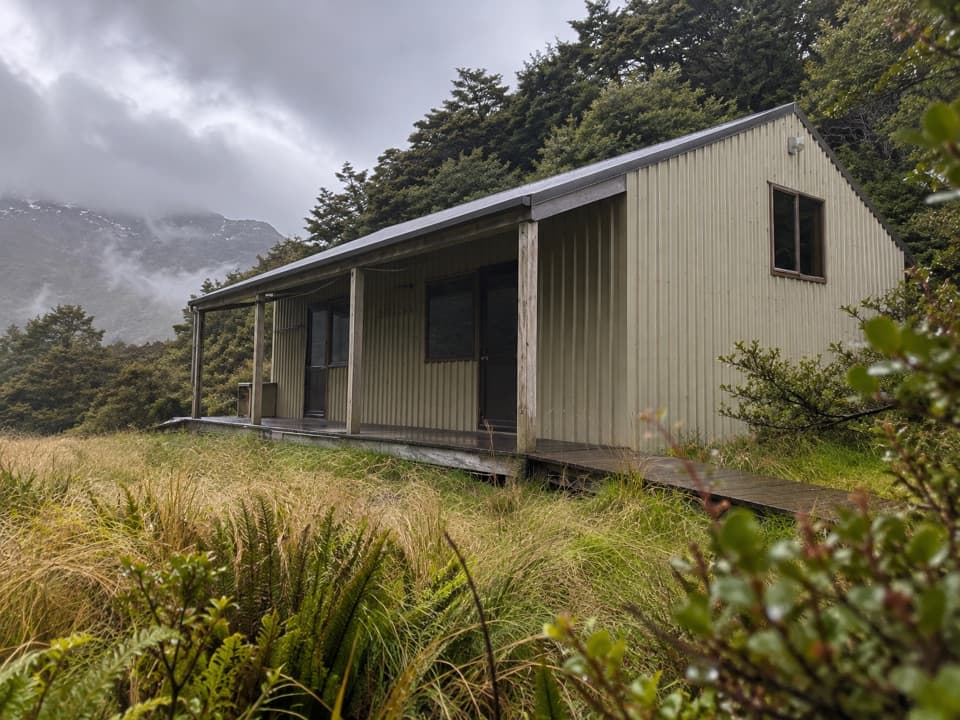
Shelter Rock Hut, Mount Aspiring National Park
InsideMount Aspiring National Park

Overview

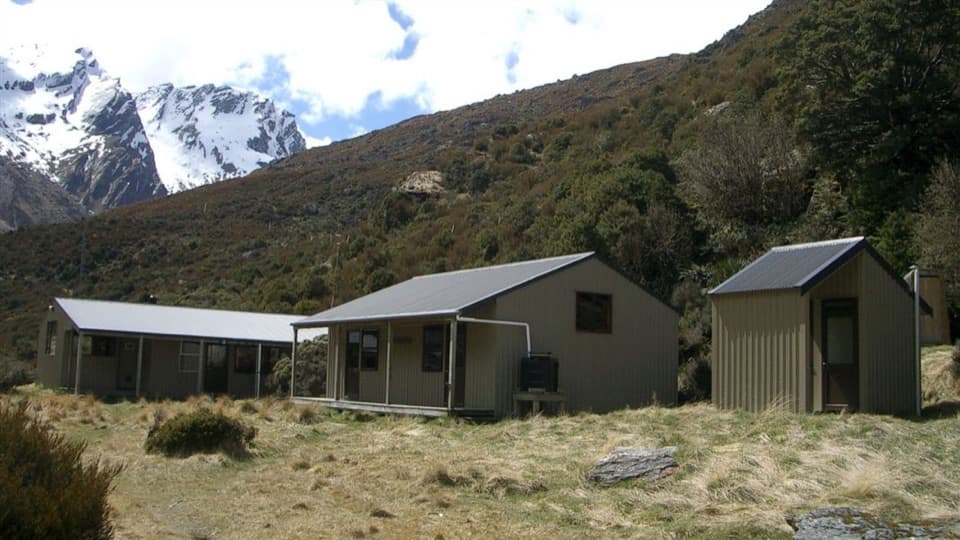
Shelter Rock Hut sits high in the Rees Valley on the Rees–Dart circuit, an ideal break between Rees Saddle and the Rees road end at Muddy Creek. It’s the kind of backcountry stop that feels earned: remote, practical, and a welcome roof after a long valley day.

Hut details

This is a serviced hut with 22 mattresses, a firebox (firewood supplied), two flush toilets, and a rainwater tank feeding a tap at the sink—boil or treat before drinking. Wardens are on the track much of the year. The current hut is the third incarnation on this site and was built in 2012.

Route context and conditions

Hikers typically use the hut while traversing the Rees–Dart. Expect highly variable weather above the bushline; even in February parties have reported cold rain and frost around 1500 m. Water is plentiful down in the valley but limited near Rees Saddle (small tarns), so carry enough for the tops and treat what you take. Valley travel is straightforward but long; many parties plan an early start for the exit day.

Wildlife

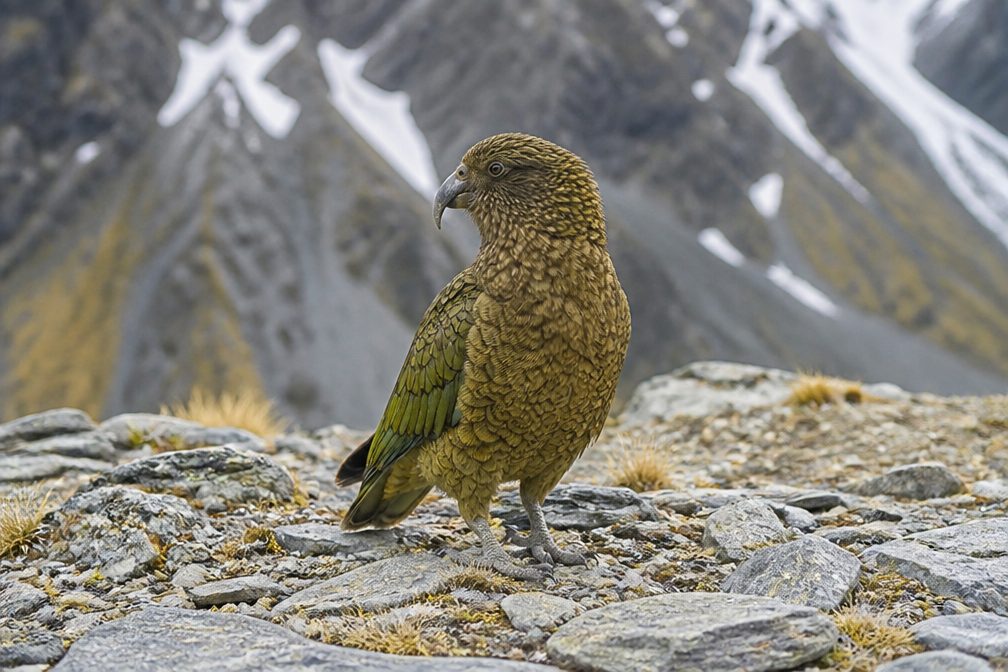
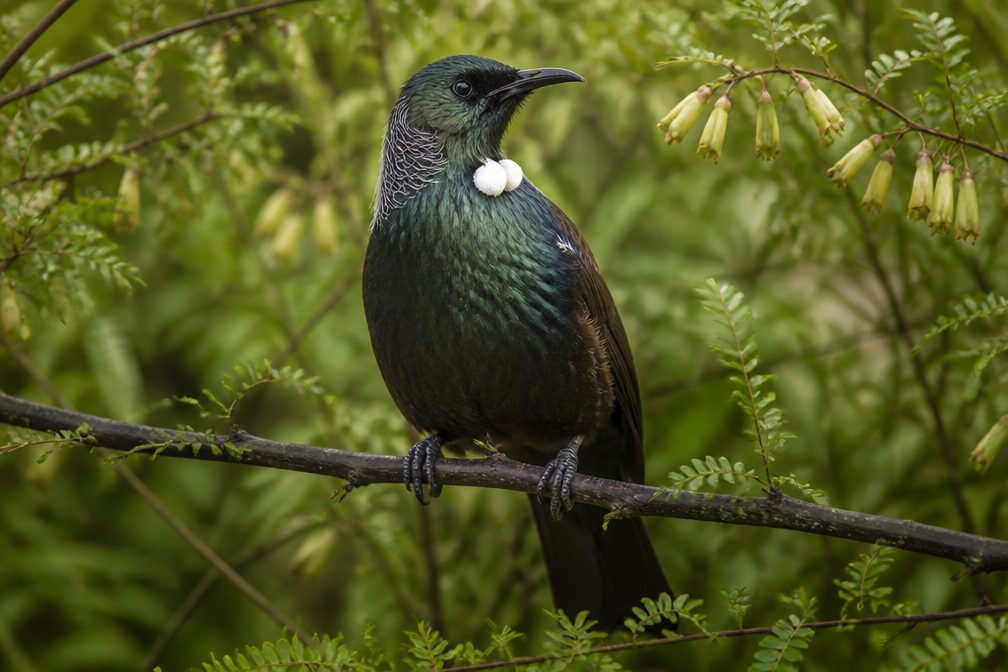
In February 2025, 18 takahē were released into the Rees Valley. You may see these large, deep blue‑green birds with sturdy red legs and beaks around the hut or track. Give them space, don’t feed them, and report sightings to DOC with the location, number of birds, and any leg‑band colors. Kea also frequent the area—admire, don’t feed, and keep gear secured.

Fees and seasons

It’s a serviced hut with set fees: Adult $25/night, Youth (11–17) $12.50, and children 0–10 free. The Backcountry Hut Pass cannot be used from Oct 1 to Apr 30, but it’s valid from May 1 to Sept 30.

Best time to visit

Aim for a settled forecast and start early on big days. Summer brings longer daylight but still volatile conditions on the saddles; shoulder seasons can be quieter but colder. Morning departures make the long Rees Valley travel more pleasant and help you secure your preferred bunk space.

Pros

  • Serviced 22-bunk hut with firebox and supplied firewood
  • Two flush toilets and a rainwater tap (treat before drinking)
  • Real chance of seeing recently reintroduced takahē in the valley

Cons

  • Backcountry Hut Pass not valid Oct 1–Apr 30; fees apply
  • Long, exposed approach on the Rees–Dart route with rapidly changing weather

Tips

  • Start early for the long Rees-out day; valley travel is lengthy.
  • Pack for wind and cold rain even in midsummer; weather flips fast.
  • Carry enough water for the tops and treat all sources, including tank water.
  • Store food securely—mice can be active around the hut and camps.
  • Backcountry Hut Pass isn’t valid Oct 1–Apr 30 here; budget for fees.
The Parkwolf tour guide sitting on a phone mounted in a car

Parkwolf Tour Guide

Like a tour guide in your car.

Save the places you found around Mount Aspiring, then let Parkwolf guide the drive between them.Download Parkwolf on the App Store