Rob Roy Glacier

Hanging glacier and waterfalls reward a classic valley‑to‑alpine hike
Rob Roy Glacier, Mount Aspiring National Park
InsideMount Aspiring National Park

Overview

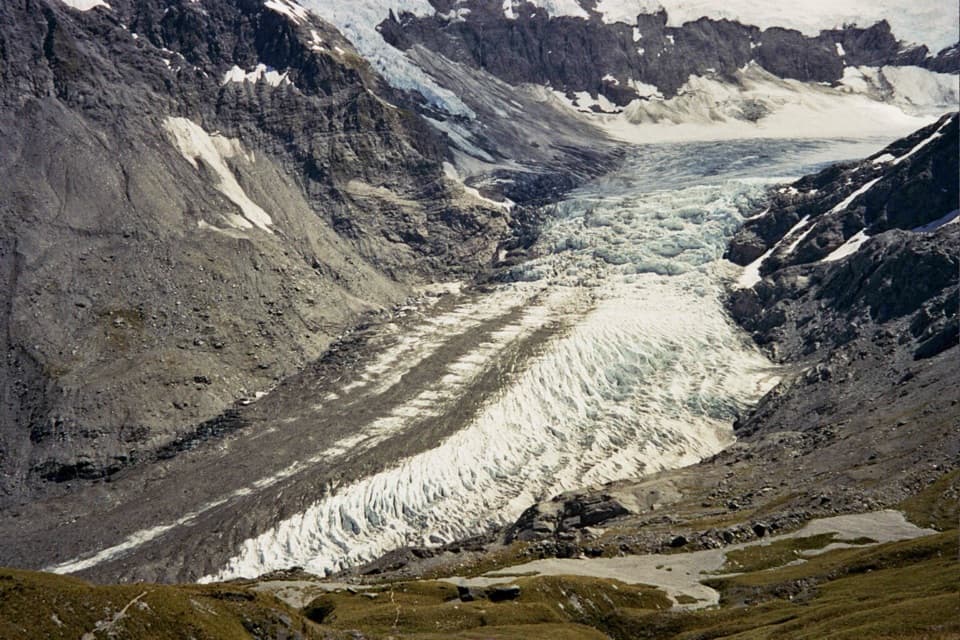
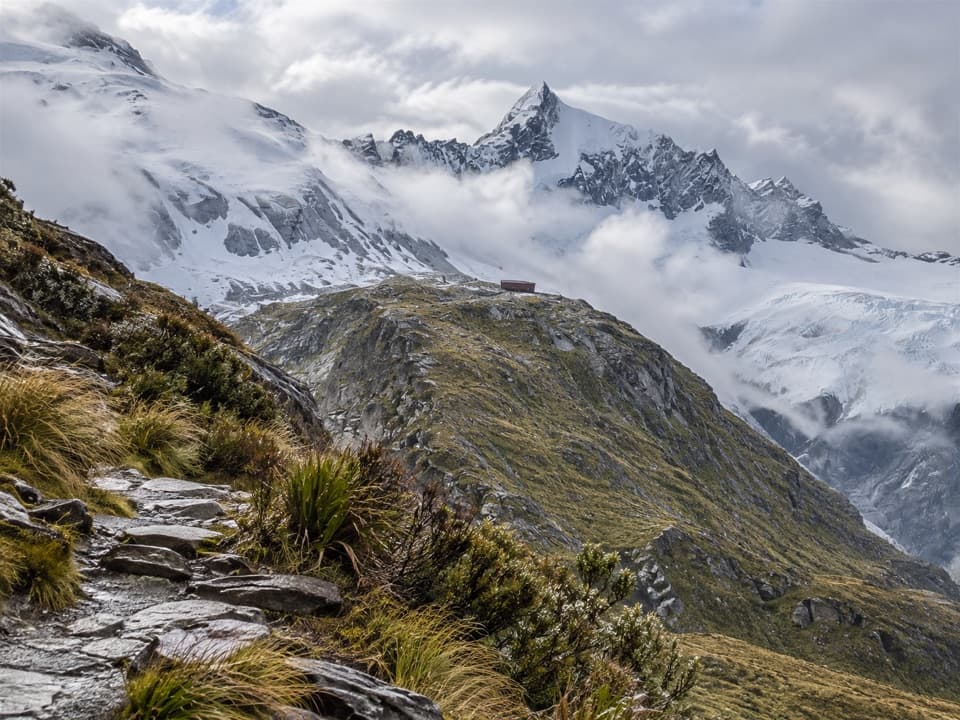
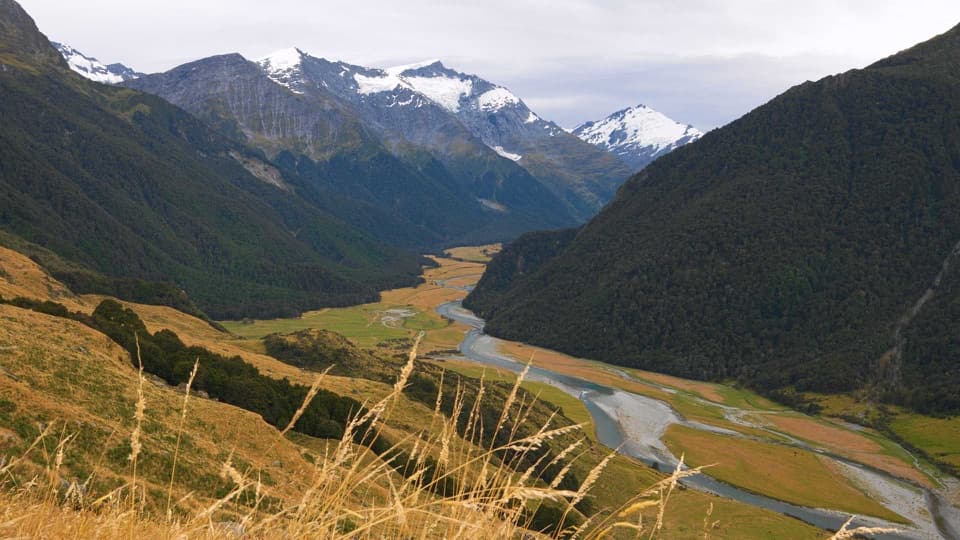
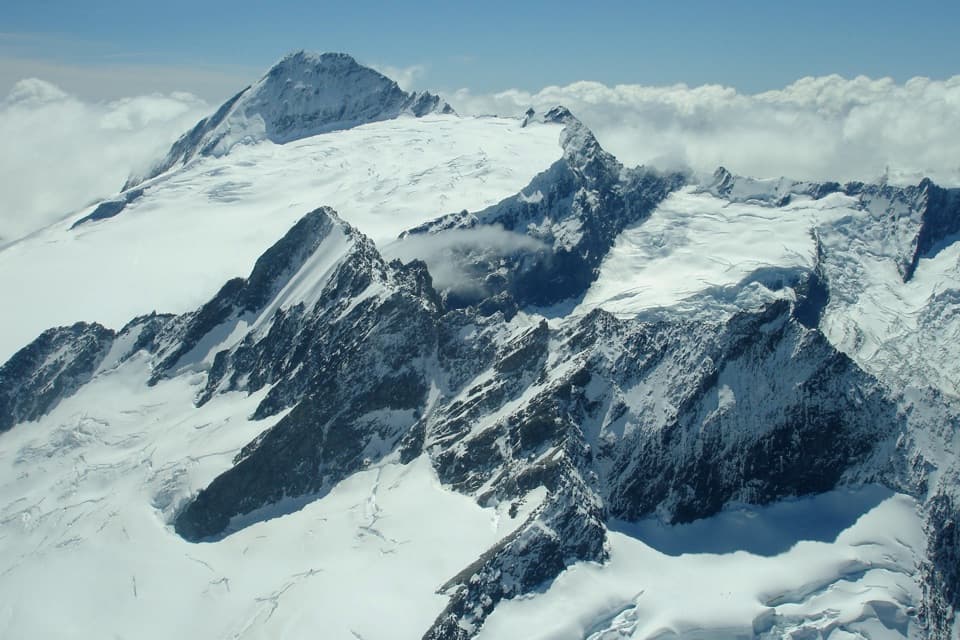
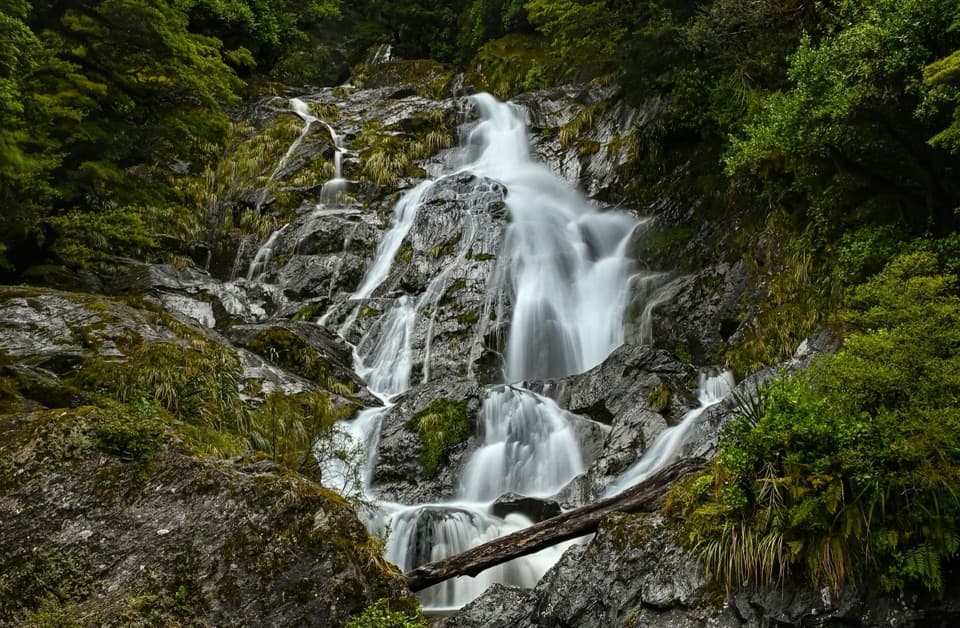
Rob Roy Glacier is the headline day hike here: a valley‑to‑alpine walk that trades pasture and beech forest for a front‑row seat to a hanging glacier and a curtain of waterfalls. It’s popular for good reason—big scenery for a moderate effort.

The Walk

  • Distance/time/elevation: about 10 km return, typically 3–4 hours, with roughly 495 m of ascent.
  • Route: From the Raspberry Creek (also called Raspberry Flat) car park, an easy warm‑up leads to a swing bridge over the West Matukituki River (~15 minutes from the car park). From there the path climbs through a small gorge and cool beech forest before breaking into alpine tussock and out to glacier views. There are two lookouts; the track officially ends at the upper lookout—going beyond is not recommended due to steep, unstable terrain.

Getting There

It’s 54 km west of Wānaka on the Wānaka–Mount Aspiring Road (about 1 h 20 min). The final 30–33 km are unsealed gravel with livestock on the road, and the last 10 km include several creek fords. After heavy rain, fords can be impassable to 2WD and sometimes 4WD, and the road can wash out. After ~24 hours of little or no rain the fords are usually OK for 2WD—still, check depth and drive slowly. Some rentals restrict unsealed roads and water crossings; a shuttle or guided trip from Wānaka solves the driving if you’re unsure. Car break‑ins have been reported at the car park—do not leave valuables.

Seasonal & Safety Notes

  • Avalanche risk: From May to November the section between the lower and upper lookouts crosses active avalanche paths. In that period it’s strongly recommended to stop at the lower lookout unless you’ve checked conditions and carry avalanche gear and know how to use it.
  • Weather: This is alpine country; conditions change fast. Pack layers, a waterproof shell, sturdy footwear with good grip, and consider poles—winter and early spring can be icy.
  • Bridges: Swing bridges have user limits—be prepared to wait your turn.
  • Private land: Parts of the approach cross private farmland; stay on the marked track, leave gates as you found them, and use stiles.

What Makes It Special

The upper lookout drops you right in front of the glacier with multiple waterfalls tumbling off the cliffs—a proper amphitheater. On clear days it’s an easy wow; on overcast days low cloud can hide the ice, so aim for a clear forecast if you can.

Wildlife

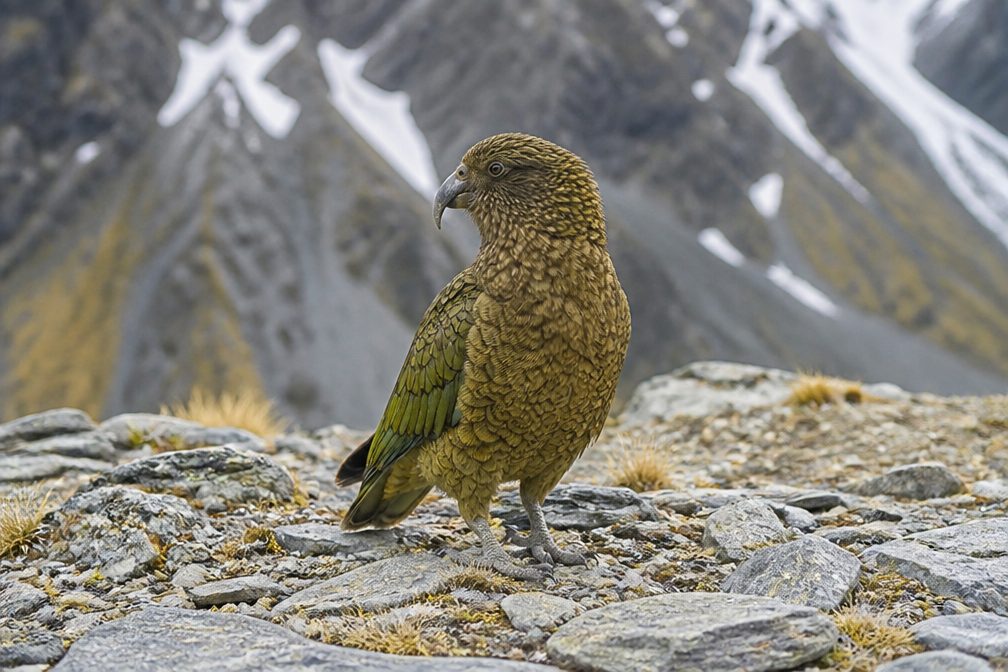
Keep an eye (and ear) out for kea in the valley—curious, clever alpine parrots. Enjoy the encounter, but don’t feed them.

Facilities

Toilets are available at the Raspberry Creek car park. Treat those as your only guaranteed facilities; bring all the water you’ll need and pack out all rubbish. There’s no public transport to the trailhead unless you book a shuttle or guided trip.

Guided Options

Small‑group guided hikes from Wānaka include transport, interpretation, and usually lunch. They typically cater to moderately fit hikers and are a good call if you don’t want to drive the fords or manage conditions yourself.

Best Time to Visit

Start early for softer light, easier parking, and a quieter track. Clear weather is key for glacier views; afternoon light can sit behind the ice and waterfalls, making midday to early afternoon a bit harsh for photos. From May–November, plan to turn around at the lower lookout unless you’re avalanche‑savvy and equipped.

Pros

  • Classic hanging glacier and waterfall views at a dramatic upper lookout
  • Well‑formed 10 km return track that most moderately fit hikers (including older kids) can handle

Cons

  • Long gravel access road with ford crossings that can be impassable after rain
  • Avalanche exposure between lookouts May–November; often best to turn at the lower lookout then

Tips

  • Leave Wānaka early for softer light and easier parking.
  • From May–November, stop at the lower lookout unless you have avalanche training and gear.
  • Check road and ford conditions; assess depth and drive slowly through crossings.
  • Bring all your water plus warm, waterproof layers—weather changes fast.
  • Do not leave valuables in your vehicle; consider a shuttle or guided trip if unsure about the fords.
The Parkwolf tour guide sitting on a phone mounted in a car

Parkwolf Tour Guide

Like a tour guide in your car.

Save the places you found around Mount Aspiring, then let Parkwolf guide the drive between them.Download Parkwolf on the App Store