
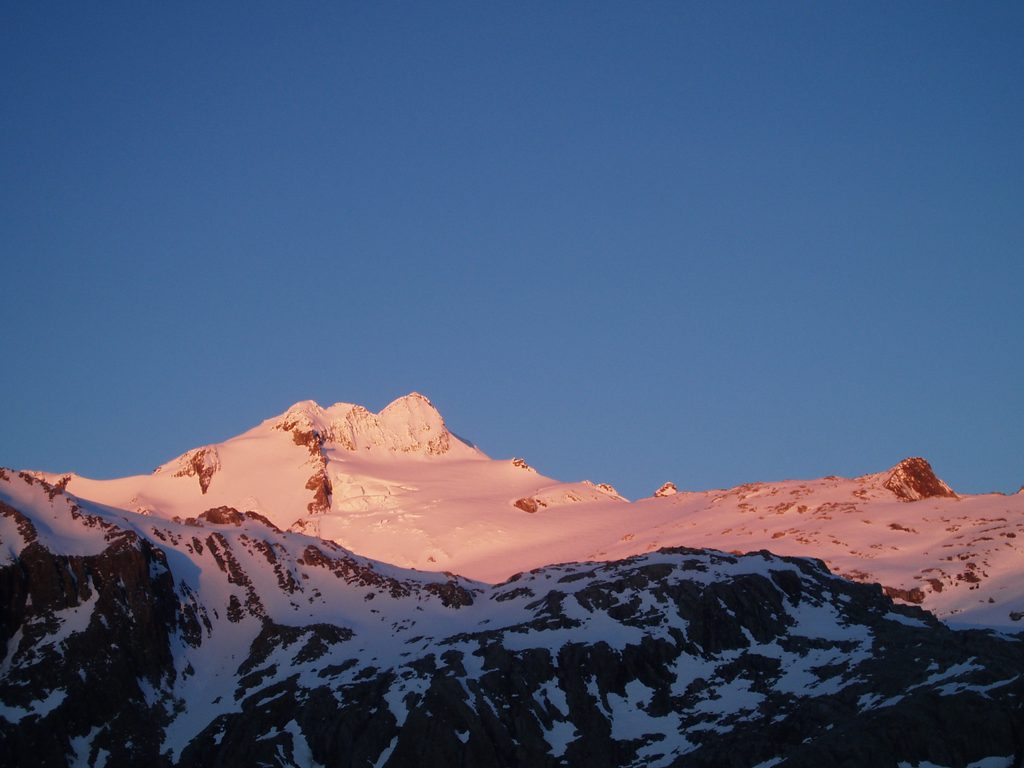
Place · 1.5 mi away
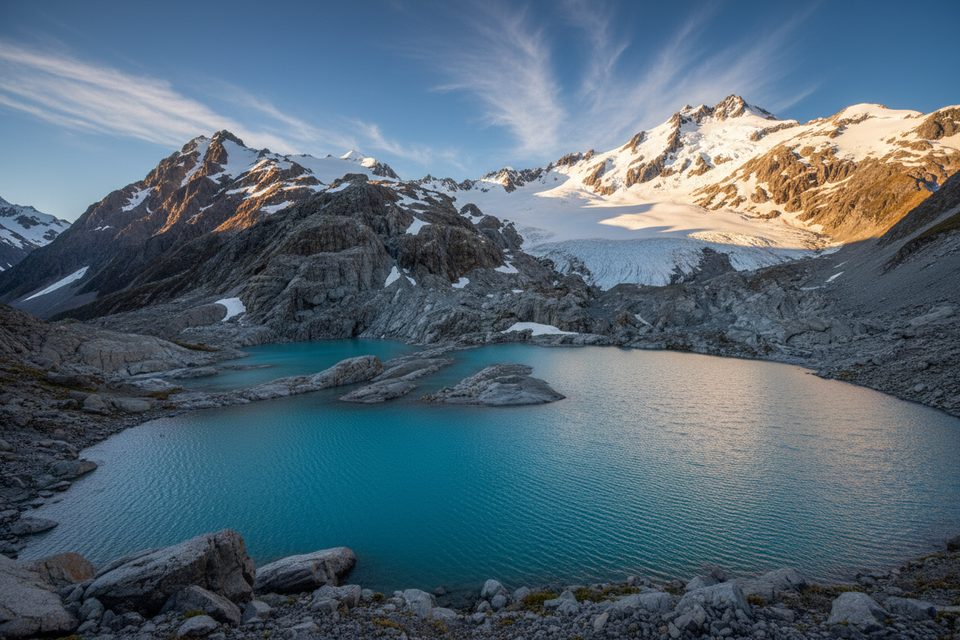
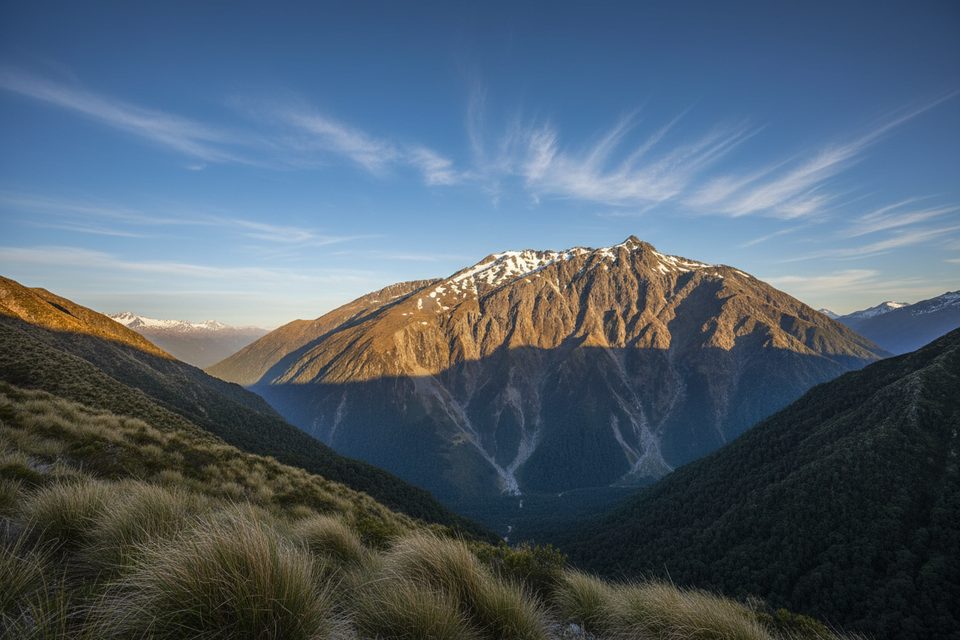
Mount Brewster is a serious alpine objective reached from within a World Heritage–listed landscape. Expect a steep, demanding approach and true mountain conditions rather than a marked, manicured trail. Lower slopes pass through beech forest before giving way to open alpine terrain and typical South Island high-country ecosystems.
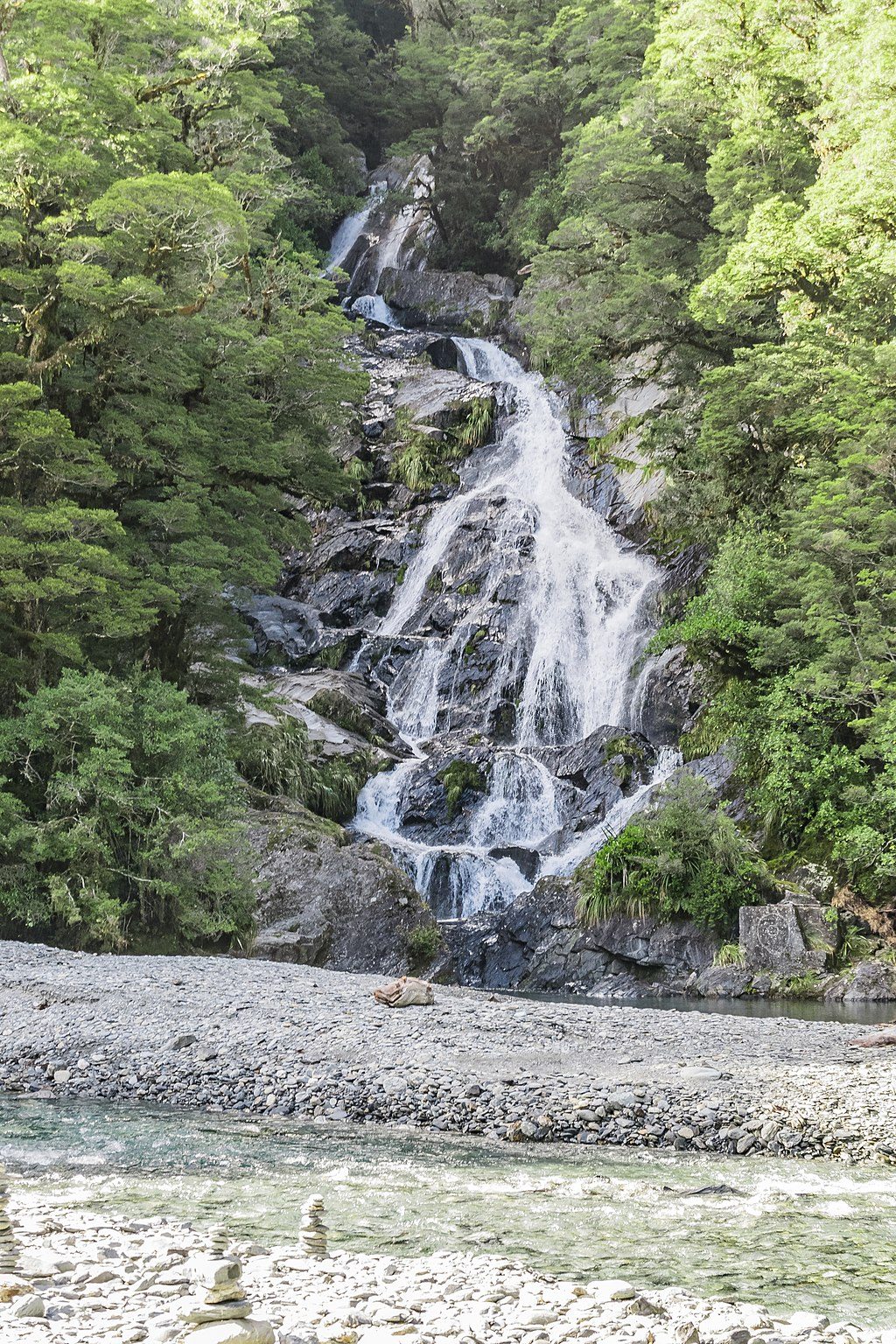
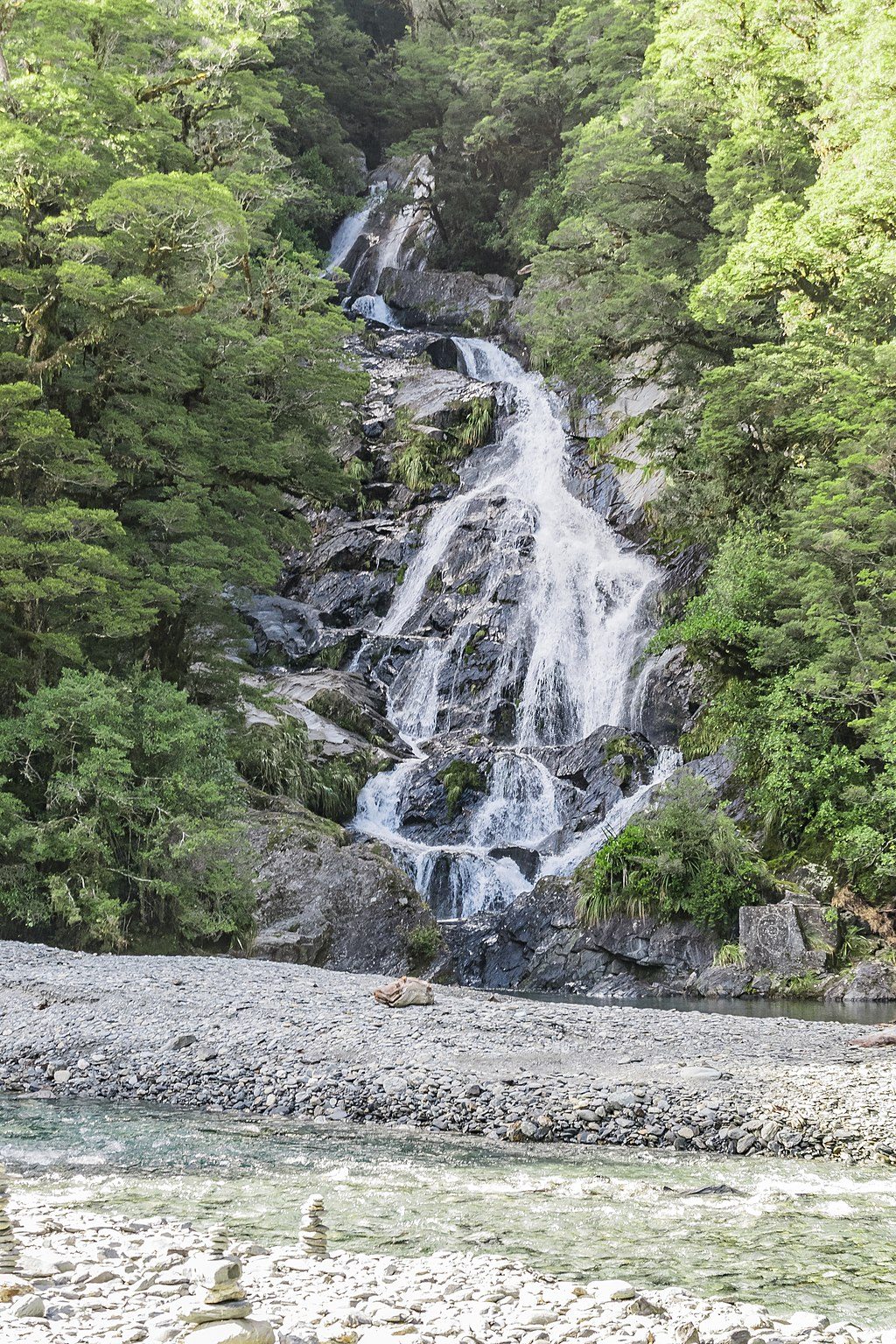
The standard approach is the Brewster Track from Haast Pass/State Highway 6, starting near Fantail Falls. Right out of the gate you must ford the unbridged Haast River; after rain or snowmelt this crossing can be unsafe or completely impassable. The track itself is rough, rooty, and relentlessly steep—recommended only for well-equipped, experienced parties.
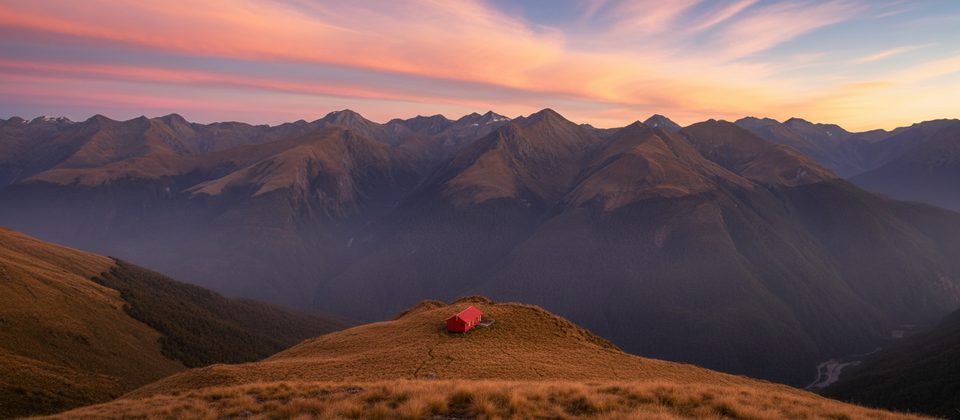
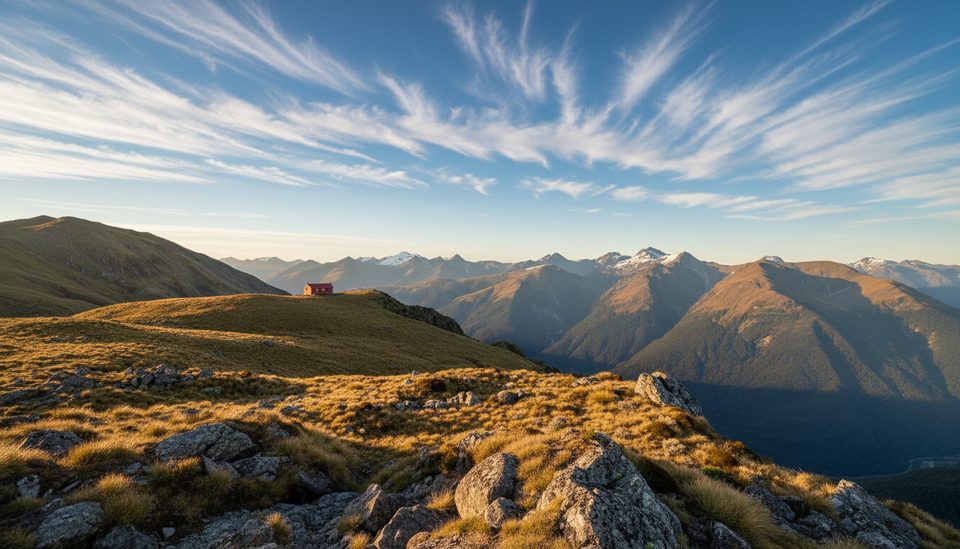
Most teams stage at Brewster Hut before pushing farther toward alpine objectives. Beyond the hut there is no maintained track; navigation is off-trail on exposed terrain where cloud can roll in fast. In poor visibility, even when the hut is close by, nearby ridges and traverses can turn sketchy enough to force a turnaround.
Fast-moving weather off the Tasman Sea can bring whiteouts and rapid swings from clear to claggy. In winter and spring, a deep maritime snowpack and steep slopes add real avalanche potential, and snow/ice can linger into the shoulder seasons. Treat this as full-value alpine travel: map/GPS, spare layers, emergency shelter, extra food, and a distress beacon are not overkill.
Brewster Hut offers basic bunks and a roof-fed tank that can run dry in summer—carry extra and treat what you use. A warden is periodically present in the booking season. Cell reception is generally available at the hut, which helps with weather checks, but don’t rely on it for rescue.
Summer offers the most stable windows for the approach and hut stay, but hot, dry spells can empty the hut tank and storms still spike the river. Winter through spring is only for parties with mountaineering skills, avalanche gear, and the judgment to turn back in a whiteout. Start early to time a safe river crossing, reach the hut in daylight, and give yourself margin for changing conditions. Weekdays typically feel quieter than weekends around the hut.
Strong, self-reliant hikers and climbers comfortable with unbridged river crossings, steep ground, and off-track alpine navigation. If the river is up or the forecast is dodgy, save this one for a better window and pick a lower-risk alternative elsewhere in the park.
Place · 1.5 mi away
Place · 2.2 mi away
Place · 2.4 mi away
Place · 3.2 mi away
Challenging · 3.2 mi away
Easy · 3.2 mi away
Easy · 4.6 mi away
Easy · 10.4 mi away

Parkwolf Tour Guide
