Overview
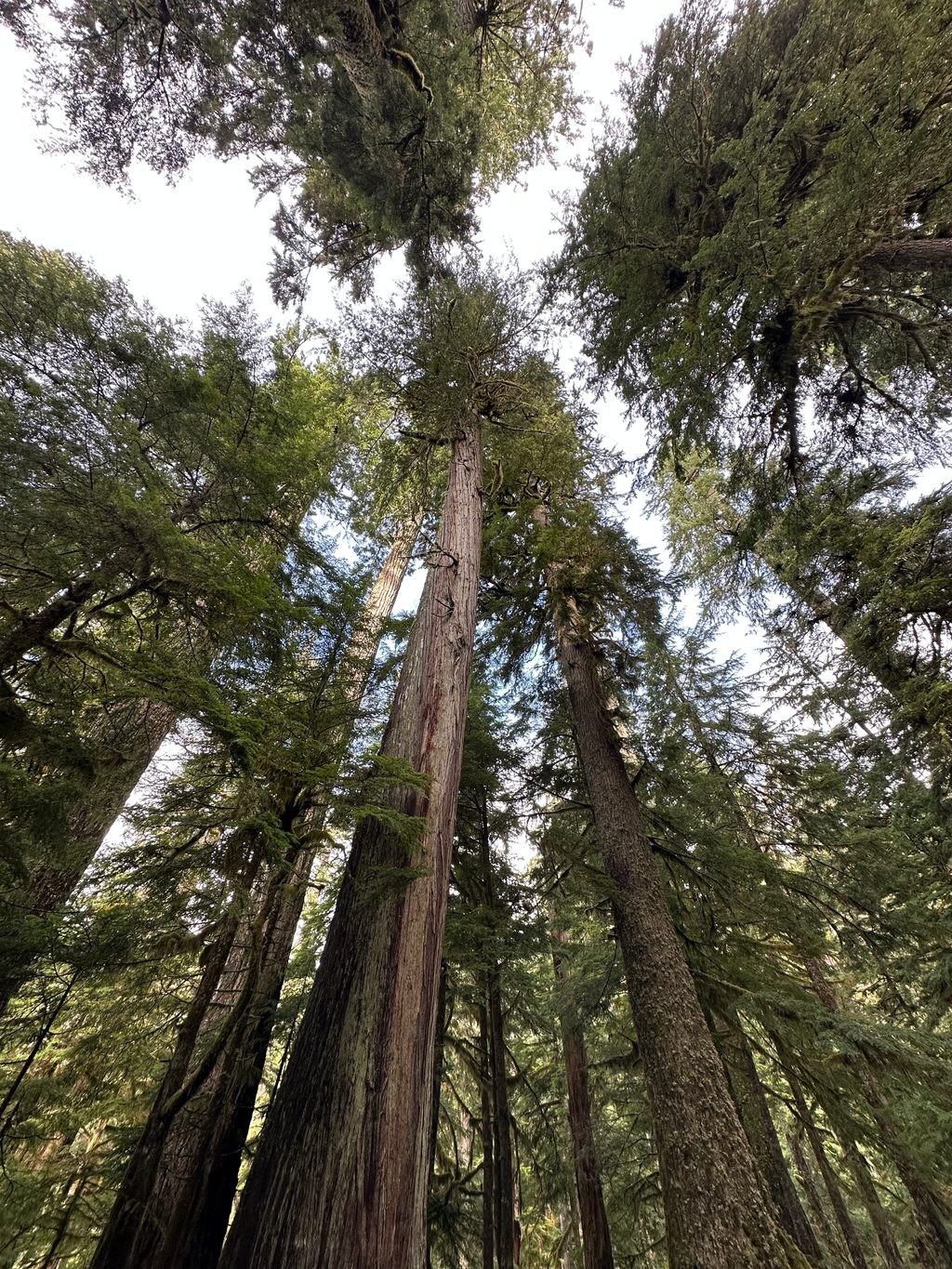
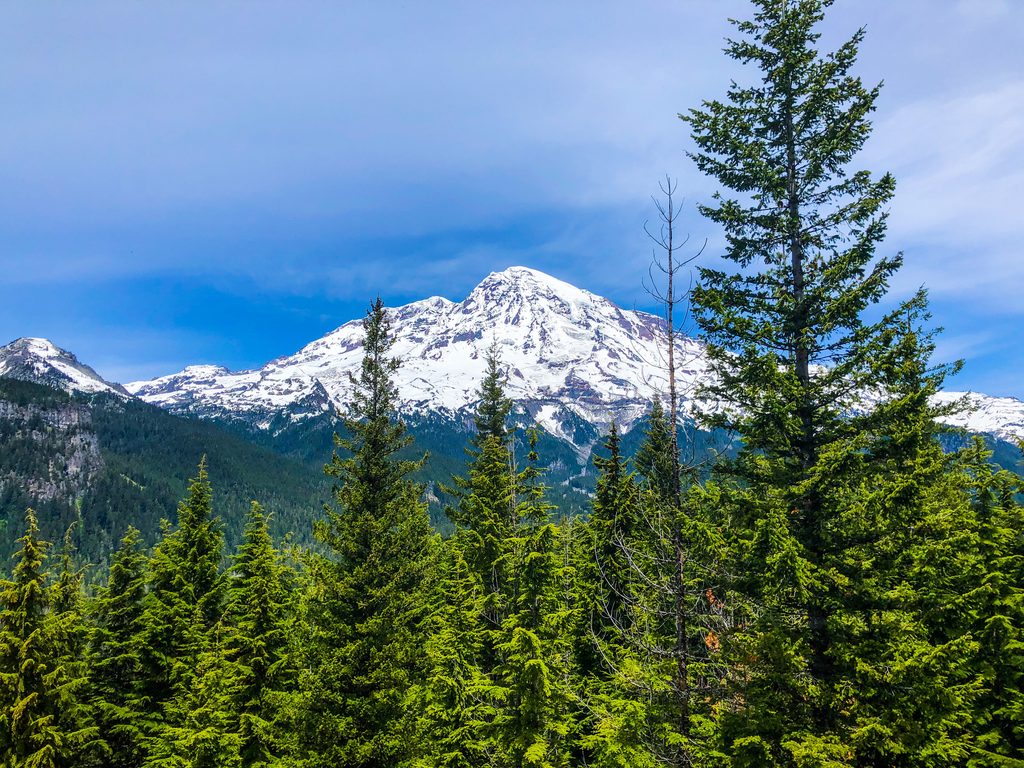
Twin Firs is a tiny, lush loop through low‑elevation old‑growth—think massive Douglas‑fir, hemlock, and cedar, with ferns and moss everywhere. It’s one of the first stops after the Nisqually (west) entrance, so you can be wandering among giants within minutes of entering. The original “twin firs” that named the trail are gone, but the forest still feels primeval.
What You’ll See
- Towering conifers and a rainforest‑green understory of moss and ferns.
- Nurse logs, blowdowns, and root balls that showcase the forest’s life‑and‑decay cycle.
- A few small footbridges over a creek—simple but scenic touches that break up the stroll.
Trail Basics
- Loop distance: about 0.4 miles with roughly 85 feet of gain.
- Surface: dirt and duff with roots, a short steeper bit, and simple plank/wood bridges.
- Pace: most folks finish in 15–30 minutes, but you’ll want to linger and look up.
Why It’s Worth Your Time
This is the no‑sweat way to experience true old‑growth. When the park’s marquee forest trails are busy or closed, Twin Firs stays pleasantly low‑key. It’s ideal for families, first‑timers, or anyone craving a deep‑woods vibe without committing half a day.
Wildlife
Expect a classic forest soundscape—songbirds and the occasional chipmunk or squirrel are common in habitats like this. Sightings aren’t guaranteed, but quiet pauses often pay off.
Best Time to Visit
- Season: Year‑round in concept, but snow can cover the path in winter.
- Daylight: Soft morning or late‑day light makes the greens glow for photos.
- Crowds: Usually mellow; arriving early or later in the day makes parking easier.
- Shoulder seasons: After rains, the forest feels especially vibrant (and the bridges can be slick).
Planning Tips
- Parking is a small roadside pullout near the signed Twin Firs Trailhead—watch for it; it’s easy to miss.
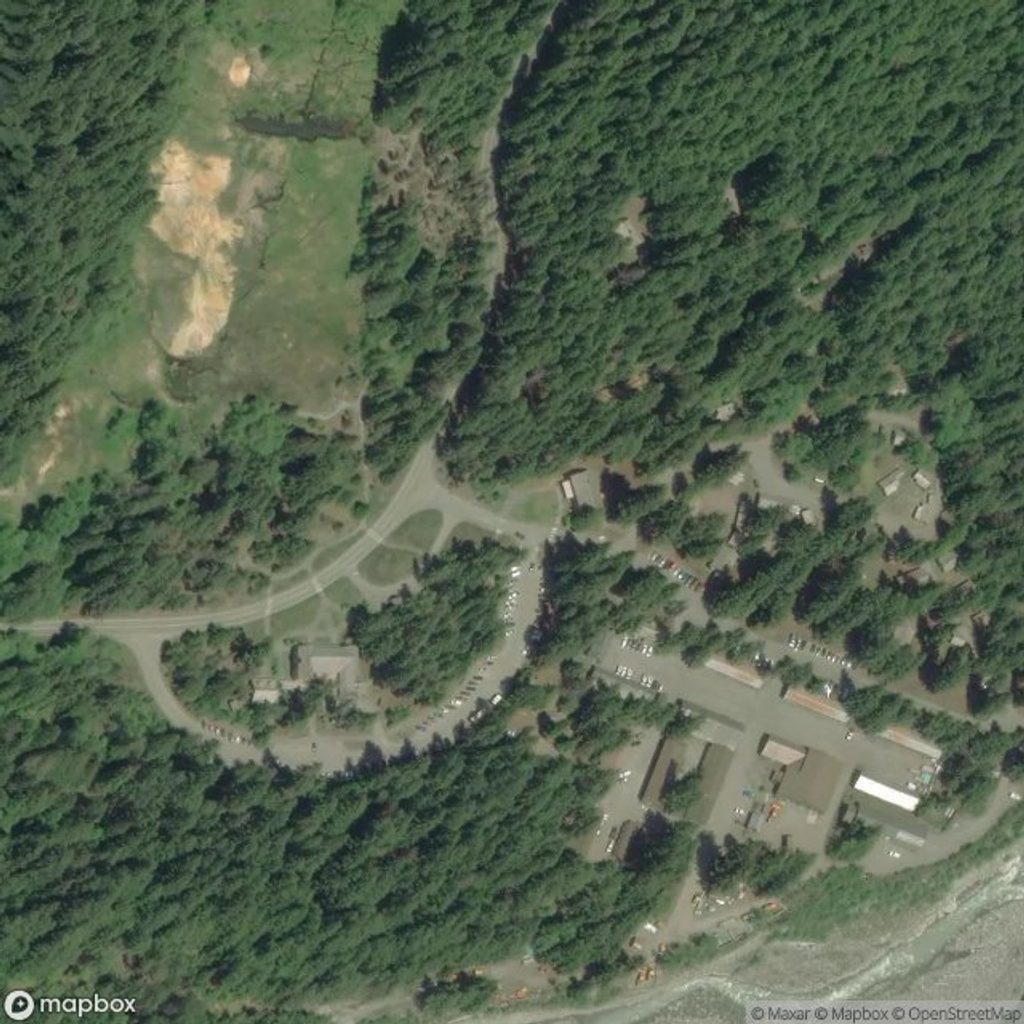
- No facilities at the trailhead; plan restroom and water stops at Longmire or before entering the park.
- In winter or slushy conditions, traction and trekking poles help on roots and narrow planks.
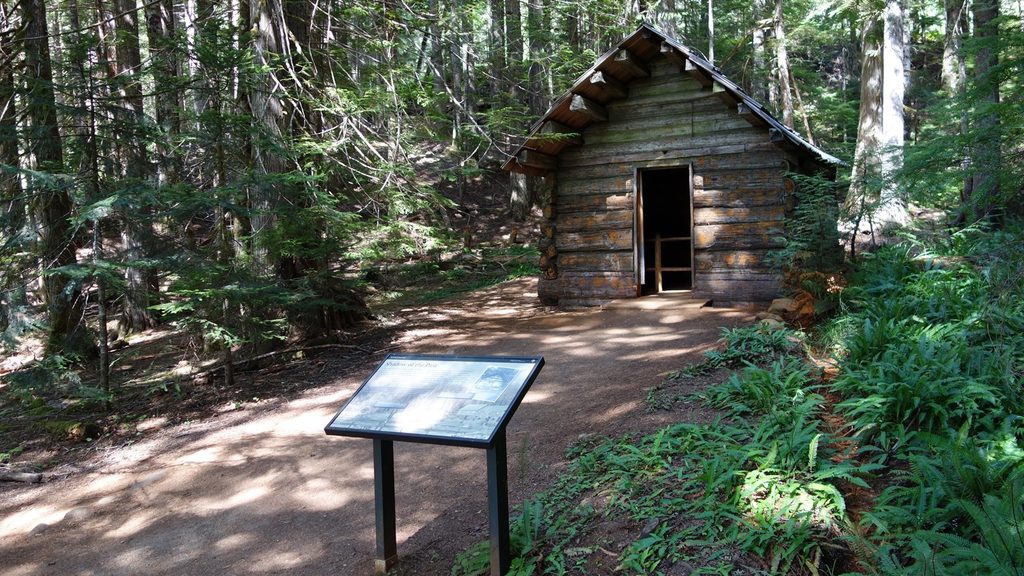
- Pair this with nearby Trail of the Shadows in Longmire for a fuller low‑elevation forest sampler.
- If you’re stacking hikes, bring a paper map (e.g., the Green Trails Mount Rainier set) for the broader area.