
Place · 0 mi away
Challenging
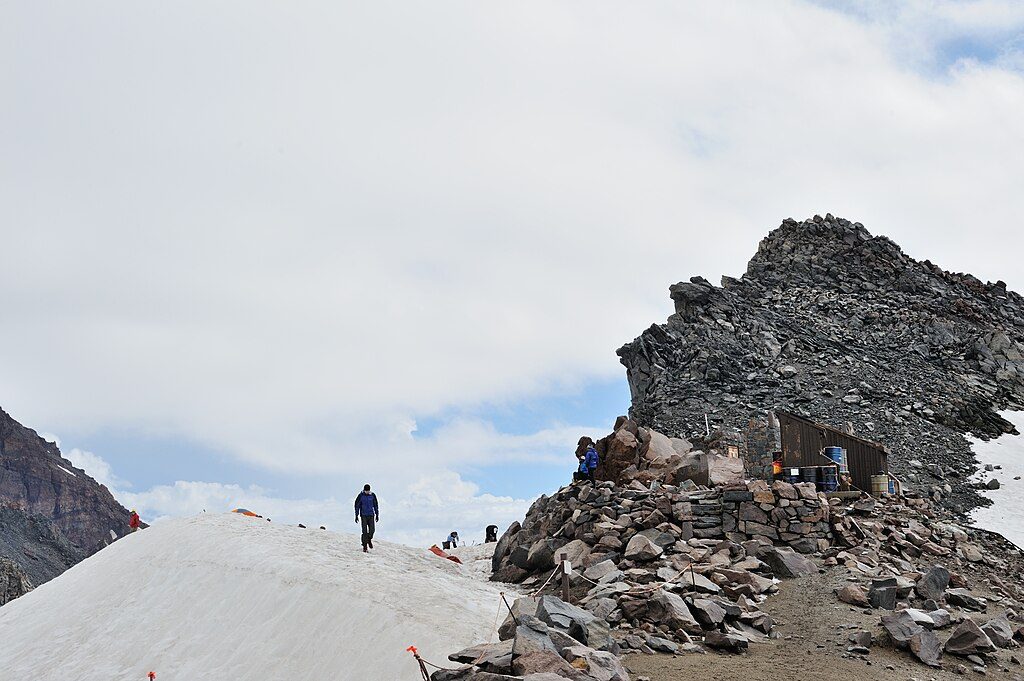
This is Mount Rainier’s classic high‑alpine day push: a demanding out‑and‑back from Paradise to Camp Muir that trades switchback forest for a full-on snowfield ascent and huge glacier views. Expect about 9 miles round‑trip (total) and roughly 4,600 feet of gain to around 10,100 feet—strenuous, sustained, and absolutely rewarding for prepared hikers.
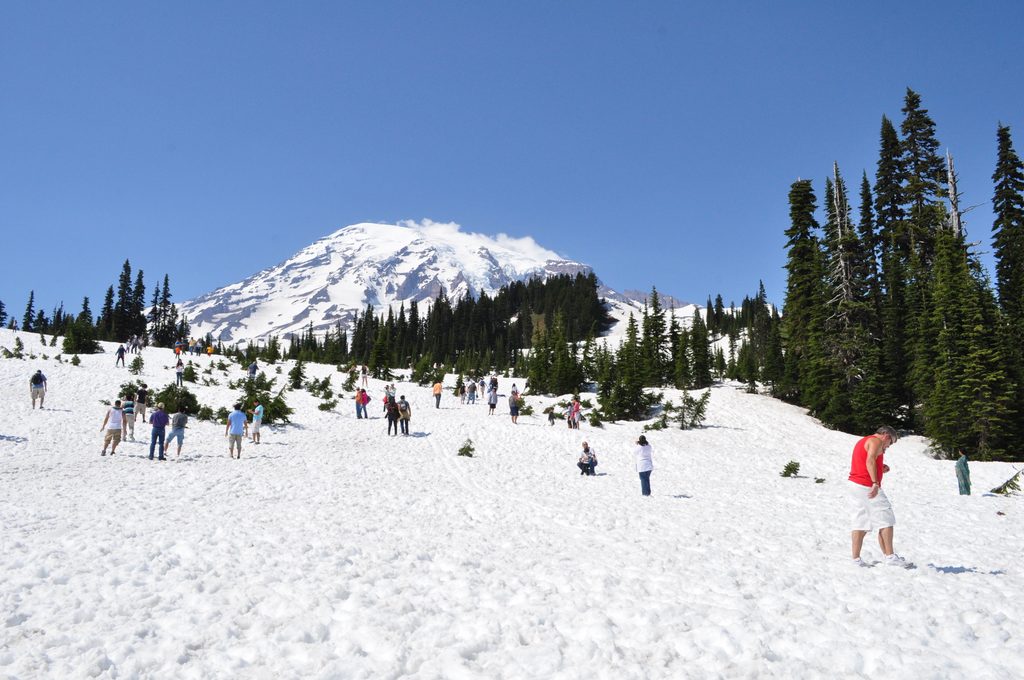
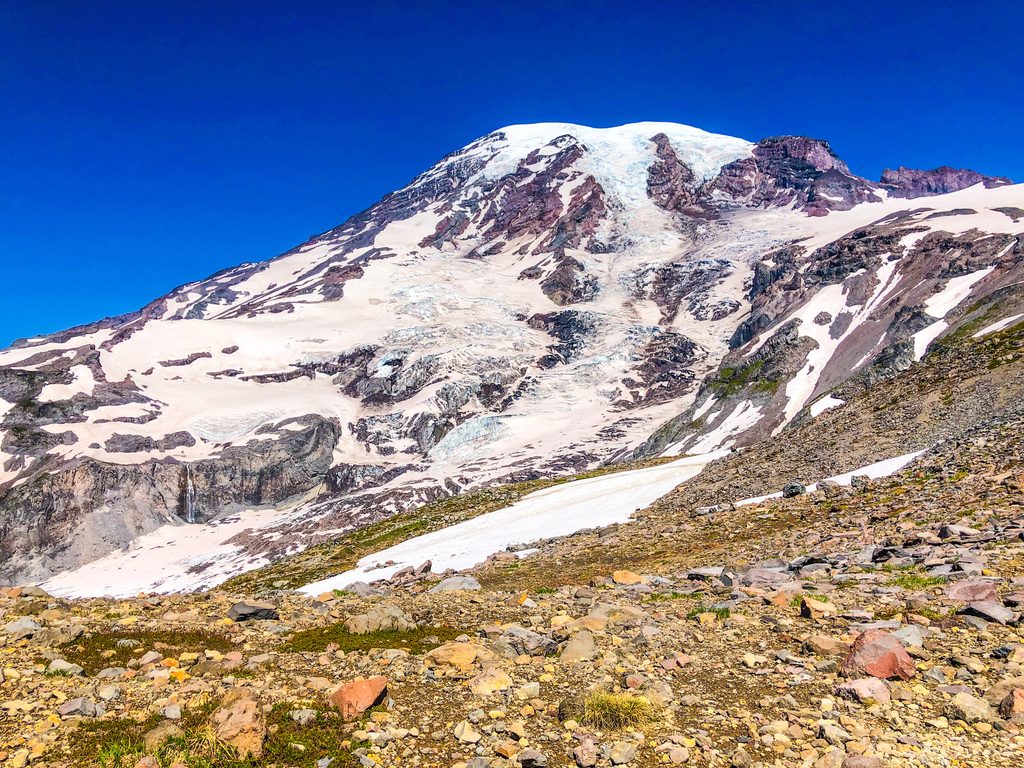
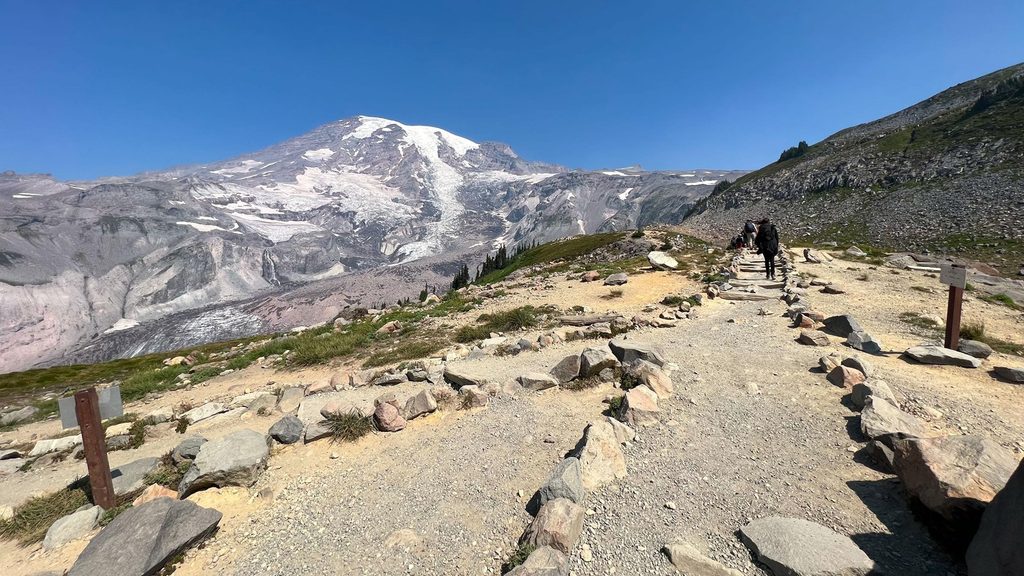
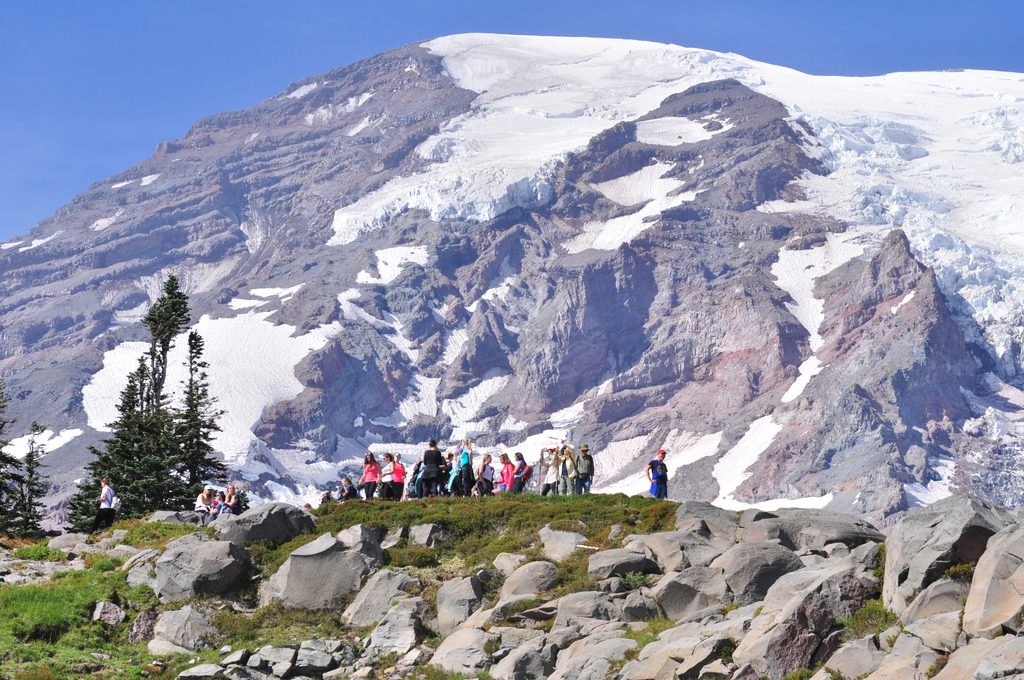
From the Paradise area near the Jackson Visitor Center, follow the Skyline Trail through restored, subalpine meadows where summer wildflowers draw marmots and deer. Around Panorama Point, views explode across the Tatoosh Range and southern Cascades. At Pebble Creek—the last reliable water—the maintained trail ends and you step onto the year‑round Muir Snowfield. From here there are no markers; in clear weather, the stone huts and tents at Camp Muir sit high and obvious, with crevassed glaciers and seracs looming above.
The work starts early and never really lets up. Much of the ascent is on snow, which can be firm and slick in the morning and slushy by afternoon. Altitude adds fatigue near 10,000 feet, and the sun’s reflection off snow is intense—sunglasses and sunscreen are non‑negotiable. This is a popular objective, so expect company, especially on summer weekends. An emergency shelter sits at Camp Muir; otherwise you’re fully exposed to wind and rapidly changing weather.
Above Pebble Creek there’s no marked trail. In whiteouts the featureless snowfield can be disorienting—carry a GPS track and know how to use a map and compass. Weather can flip from bluebird to high wind and low visibility fast. Plan water carefully (last source at Pebble Creek), and bring layers, traction (microspikes or crampons depending on conditions), and trekking poles. Cell service is limited or nonexistent; download maps before you go.
June through September offers the best window for most hikers, though you should still expect extensive snow above Pebble Creek well into summer. Go early for firmer footing, cooler temps, better parking, and clearer morning views. Weekdays are calmer. Photographers get favorable light on Rainier’s face in the morning; afternoons often bring softer snow and building clouds.
If you want a real taste of Rainier’s alpine world without roping up, this is your hike. If you’re mainly after meadows and flowers—or if conditions look unsettled—Panorama Point makes a fantastic, lower‑commitment turnaround with big views and far less risk.
No permit is required for a day hike to Camp Muir. Overnighting at or above Camp Muir requires a wilderness permit, and a climbing permit is required for travel above Camp Muir or onto glaciers. Pets are not allowed on this trail. Stay on established paths in the meadows; they’re fragile and under long‑term restoration.
Park at the Paradise lots near the Jackson Visitor Center; arrive early as parking fills quickly, especially on summer weekends.
No marked route on the Muir Snowfield; whiteouts, strong sun/glare, wind, altitude effects, and limited water. Bring navigation tools, traction, eye protection, layers, and 3+ liters of water (last reliable source is Pebble Creek).
Place · 0 mi away
Place · 0 mi away
Place · 0.1 mi away
Place · 0.1 mi away
Challenging · 0.1 mi away
Challenging · 0.1 mi away
Easy · 0.1 mi away
Challenging · 0.1 mi away

Parkwolf Tour Guide
