
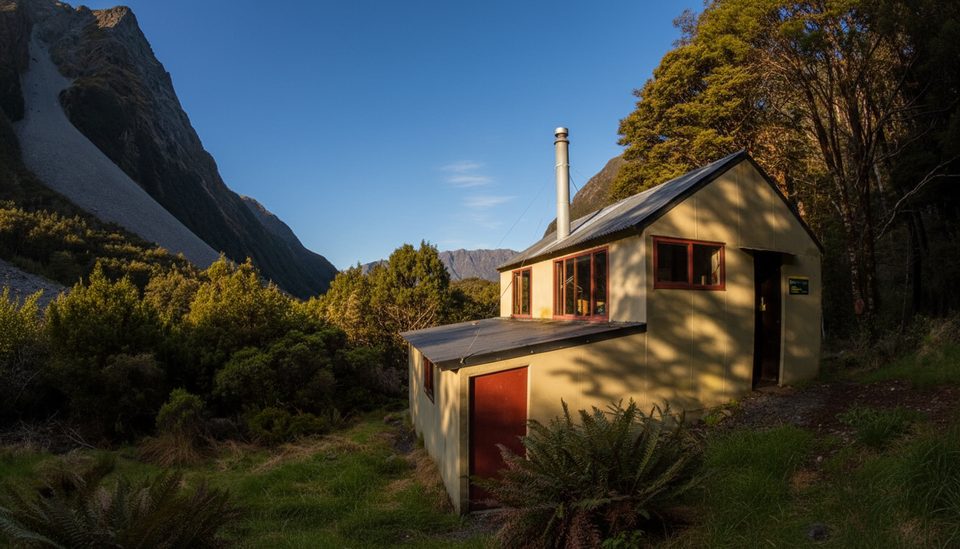
Place · 1.4 mi away
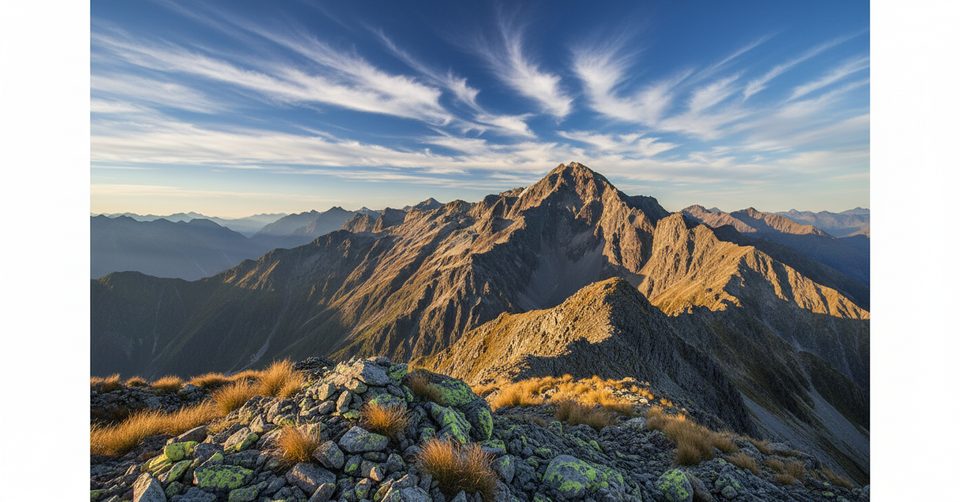
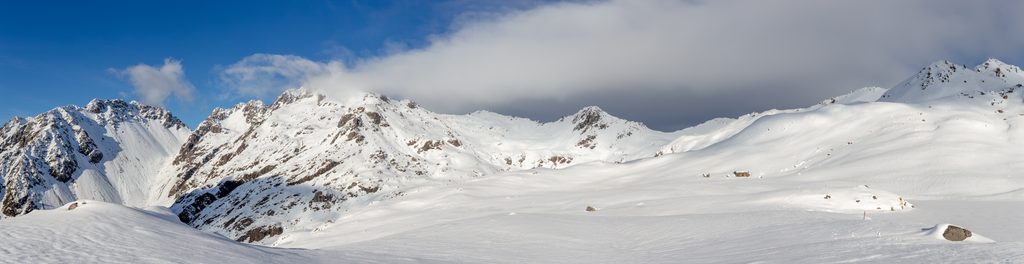
At 2278 m, Mount Hopeless rises above the Travers Valley as a striking, committing alpine objective. It’s best known for a couloir‑up, ridge‑down combo that feels big yet achievable for competent parties. Above the bushline nothing is marked, so you’re relying on cairns, judgment, and a cool head.
Most parties come in via the Travers Valley, then branch up Hopeless Creek to 6‑bunk Hopeless Hut (first‑come). Cupola Basin Hut (8 bunks) also makes a superb base with grand views of the peak. You can shave time off the valley approach by taking a water taxi across Lake Rotoiti. On the road end, common parking is at Kerr Bay in St Arnaud; if linking via Angelus/Robert Ridge, the Mt Robert car park is the other logical start.
Avalanche exposure exists on the Hopeless Creek approach and in/near the couloir. Early sun can kick off ice/rock “cannonballs,” so firm, shaded snow is your friend. Expect cornices on ridgelines, loose rock in summer, and psychological exposure even when the moves are moderate. Above the bushline, routes are unmarked—cairns, narrow ribs, and ledge systems demand solid route‑finding.
Bring helmet, crampons, mountaineering axe (two tools if it’s steep/icy), a rope and short‑pitch/crevasse kit for the upper couloir or tricky ridge steps, avalanche kit in winter/spring, and a PLB with robust navigation. Parties have found abseiling useful on the SW ridge; carrying a second rope can be wise.
Hopeless Hut is directly beneath an avalanche path; during winter storms or when snow is down to the valley floor, it may be unsafe—check status with the Department of Conservation before you go. From Lakehead Hut it’s roughly a 5‑hour push to Hopeless Hut, with the Hopeless side trip branching about 1.5 hours from the main Travers track. Cupola Basin is about 2.5 hours from the valley floor and overlooks the peak. Front‑country facilities cluster around Kerr Bay and St Arnaud, with parking, toilets, and a visitor centre for weather, maps, and water‑taxi info.
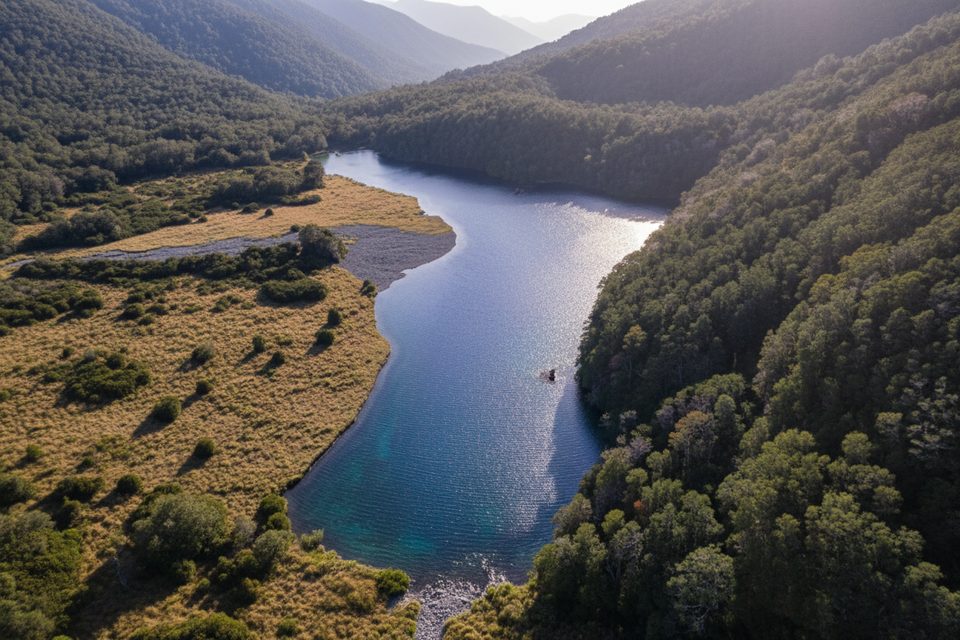
The Hopeless Couloir is a visible remnant of past glaciation. Around Lake Rotoiti you may spot large longfin eels and lively birdlife on approach days. "Lake snow" (lindavia) is present in nearby lakes—dry or disinfect wet gear before entering alpine tarns and avoid contact with the ultra‑clear waters of Blue Lake and Lake Constance.
For the classic experience, aim for spring to early summer when the couloir holds firm snow and mornings stay shaded—start pre‑dawn. In high summer, favor ridge scrambles as the couloir deteriorates and rockfall increases. Winter is for highly experienced parties with avalanche savvy. Weekdays offer quieter huts; align summit bids for early morning freeze and stable weather windows.
Place · 1.4 mi away
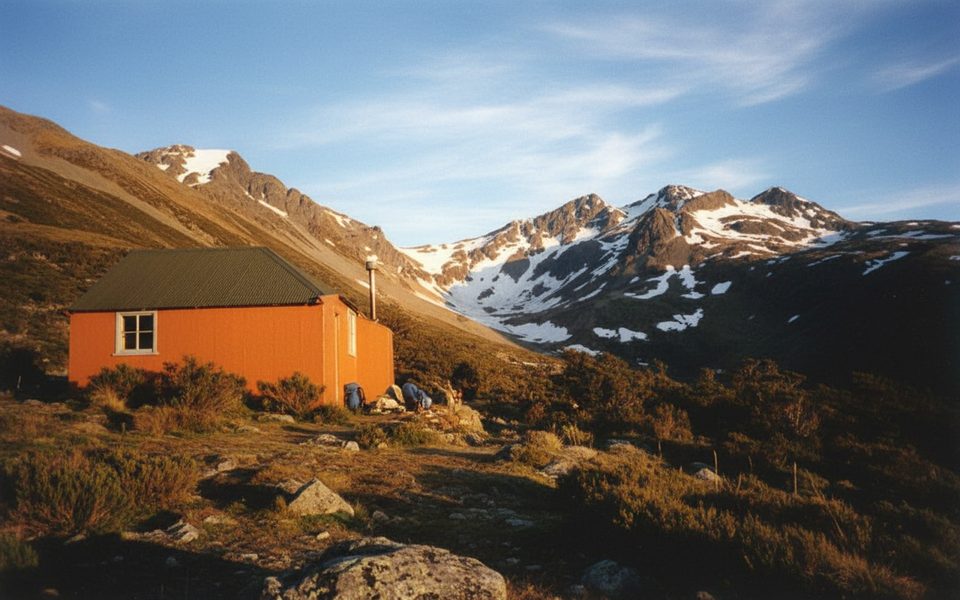
Place · 1.8 mi away
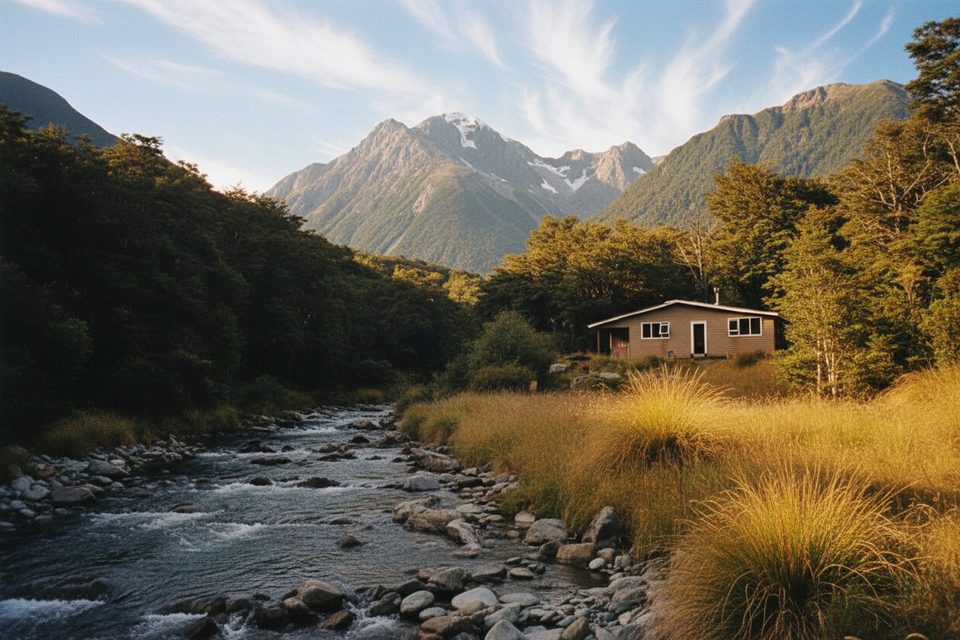
Place · 2 mi away
Place · 2.3 mi away
Challenging · 2 mi away
Challenging · 4.9 mi away
Challenging · 5.2 mi away
Moderate · 5.2 mi away

Parkwolf Tour Guide
