
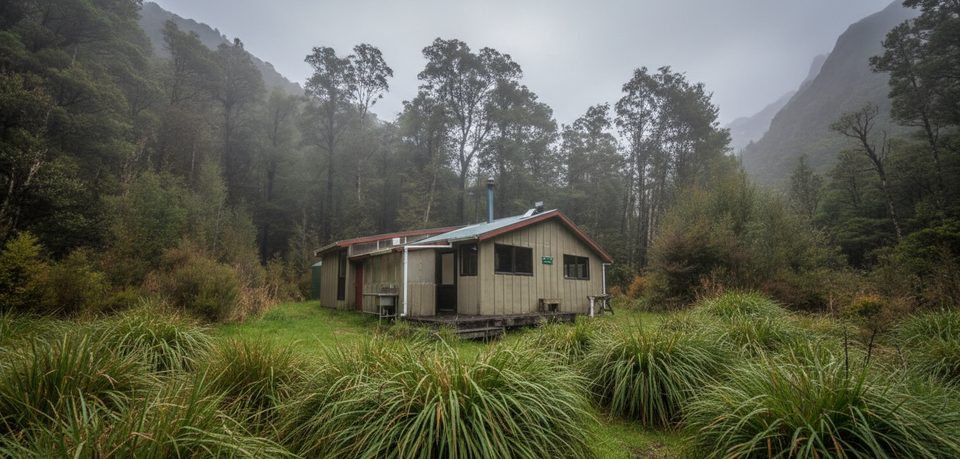
Place · 0 mi away
Moderate
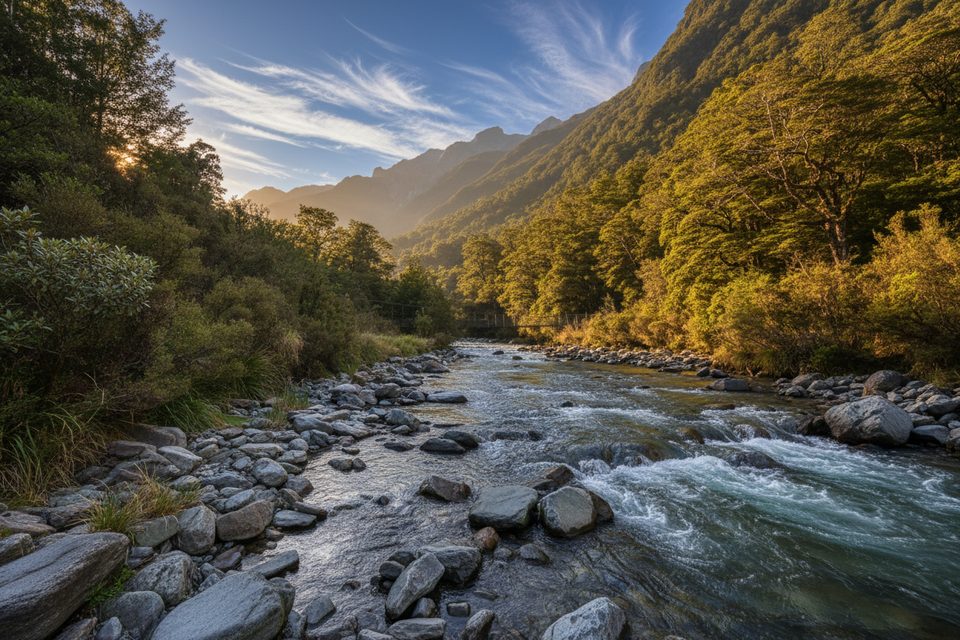
This is the mellow, forested heart of the Travers–Sabine: a river‑hugging traverse from West Sabine Hut down to Sabine Hut on Lake Rotoroa. Expect beech forest, three broad open flats, and a short gorge section on bridges. It’s a great “exhale” day between the big exertions of the alpine saddle and the long exit. Length is about 9.0 miles one way (≈14.5 km), plan on roughly 5 hours.
Leaving West Sabine Hut, cross the swing bridge over the West Branch Sabine River and sidle above the water, popping in and out of forest onto three long open flats. The track then climbs briefly and drops to rejoin the river, crossing a narrow cleft on a bridge before rolling into Sabine Hut with big views over Lake Rotoroa. Underfoot it’s mostly rooty forest tread with occasional mud; after rain, expect slower going and caution at side streams even though many crossings are bridged.
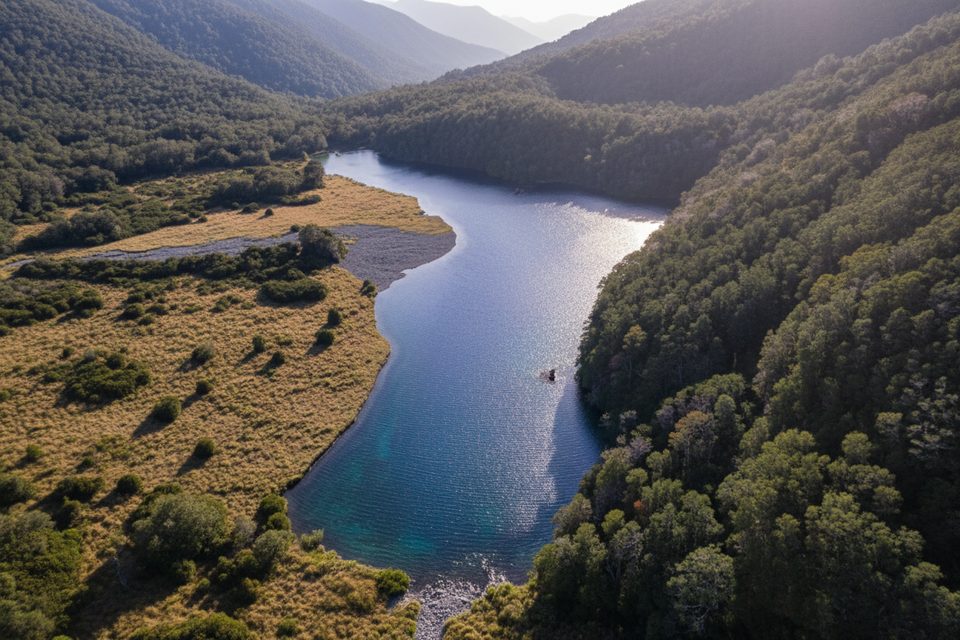
If you base at West Sabine Hut, Rotomairewhenua/Blue Lake is a prized side trip: commonly 2.5–3 hours one way in good conditions (about 5–7 hours return). It’s often done as an overnight to Blue Lake Hut. Do not touch, wash, or swim in Blue Lake (or Lake Constance); treat it as strictly look‑only.
October–May is the sweet spot. Snow can linger on Poukirikiri/Travers Saddle into late November, and freezing conditions can strike anytime on the pass. Wasps are common January–April, and sandflies are lively around the lakes in summer—pack repellent and antihistamines if you’re sensitive. If you’re linking this day with the saddle from Upper Travers Hut, remember the Sabine side is avalanche terrain in winter/spring and sometimes into December; match your skills and gear to the forecast.
Most walkers reach this section by crossing the saddle from the Travers Valley; from Sabine Hut you can boat across Lake Rotoroa to Rotoroa village, or walk out via Speargrass Hut to the Mount Robert car park (then road‑walk or arrange a ride to St Arnaud). The old Rotoroa Route along the east shore is permanently closed, so plan on the boat or the Speargrass exit.
Water is generally available but not guaranteed—boil, filter, or treat. Biosecurity matters here: lindavia (lake snow) is present in Lakes Rotoiti and Rotoroa. Arrive with gear bone‑dry for 48 hours before entering alpine lakes/tarns and use the cleaning stations at Coldwater, Lakehead, and Sabine Huts. Isolated car parks have seen theft—don’t leave valuables; the Rotoiti/Nelson Lakes Visitor Centre offers bag storage.
Park at St Arnaud (Kerr Bay/West Bay) if starting via Lake Rotoiti, at Mount Robert car park if exiting via Speargrass, or at Rotoroa village if you’re boating to/from Sabine Hut. Do not leave valuables; use the Visitor Centre’s bag storage.
If linking from Upper Travers Hut, the Poukirikiri/Travers Saddle involves serious avalanche terrain—conditions can persist into December. After heavy rain, some side streams may be unsafe despite many bridges. Wasps (Jan–Apr) and sandflies are common. Observe biosecurity: dry gear 48 hours and use cleaning stations; do not enter or wash in Blue Lake or Lake Constance.
Place · 0 mi away
Place · 2.6 mi away
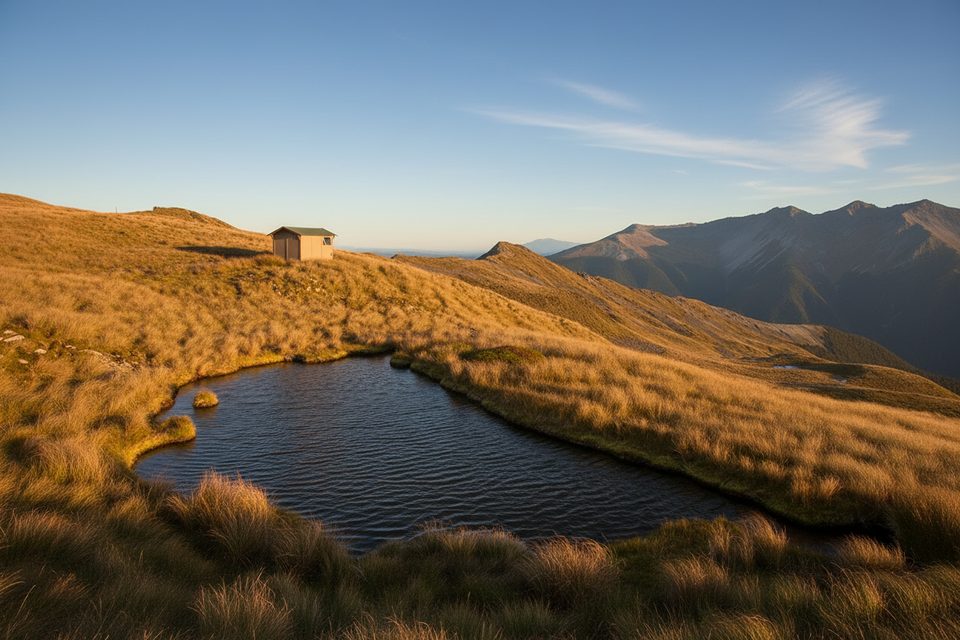
Place · 2.7 mi away
Place · 2.8 mi away
Challenging · 0 mi away
Challenging · 3.5 mi away
Challenging · 4.9 mi away
Easy · 15.1 mi away

Parkwolf Tour Guide
