John Tait Hut

Riverside backcountry hut on the Travers-Sabine Circuit
John Tait Hut, Nelson Lakes National Park
InsideNelson Lakes National Park

Overview

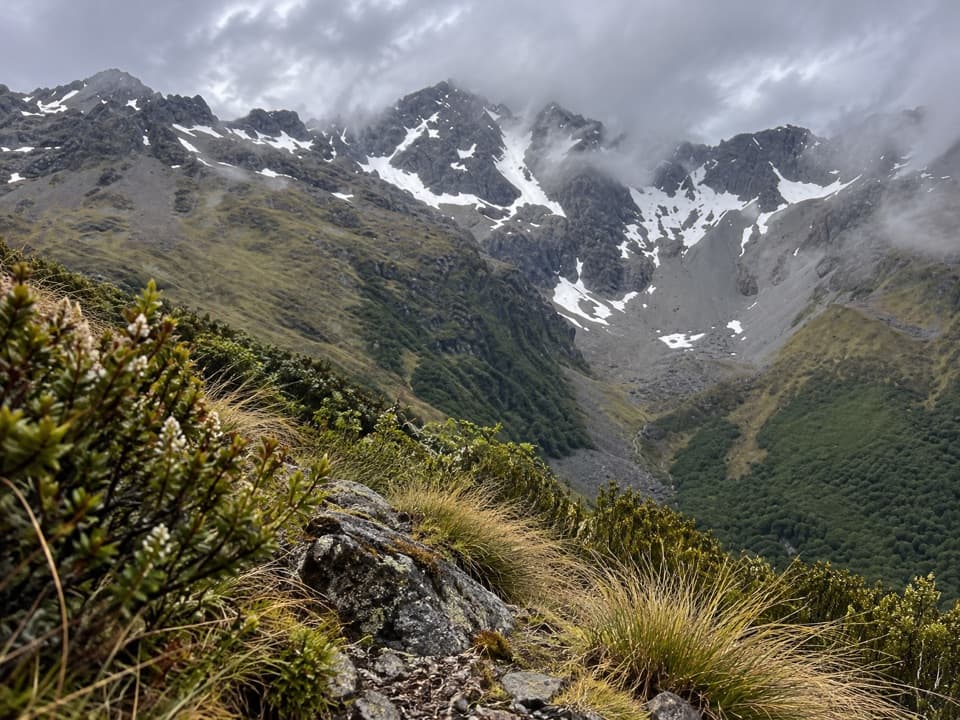
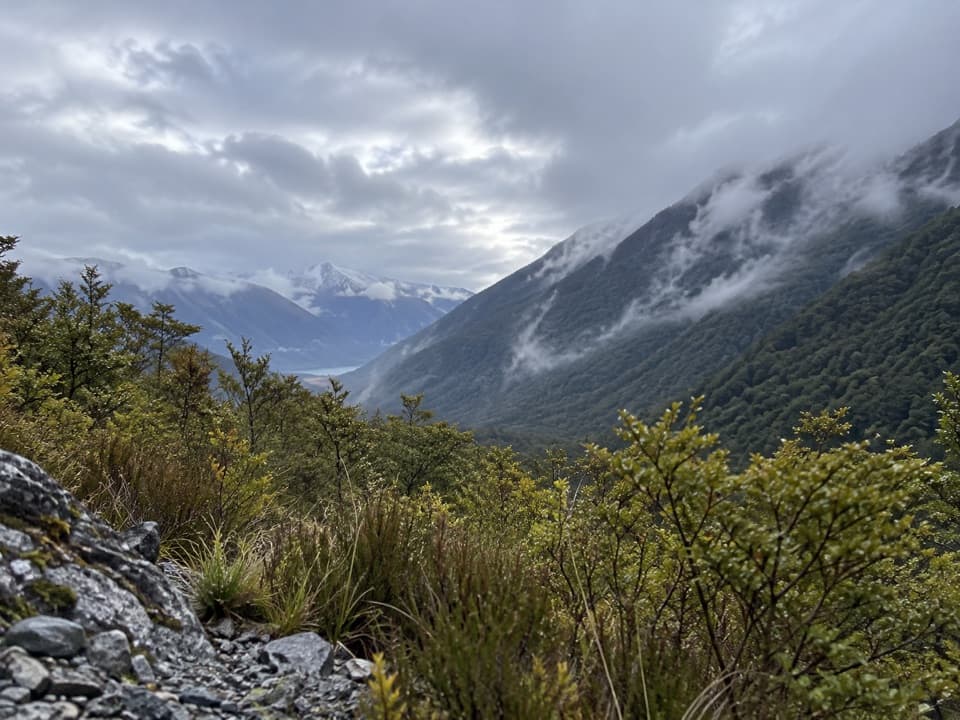
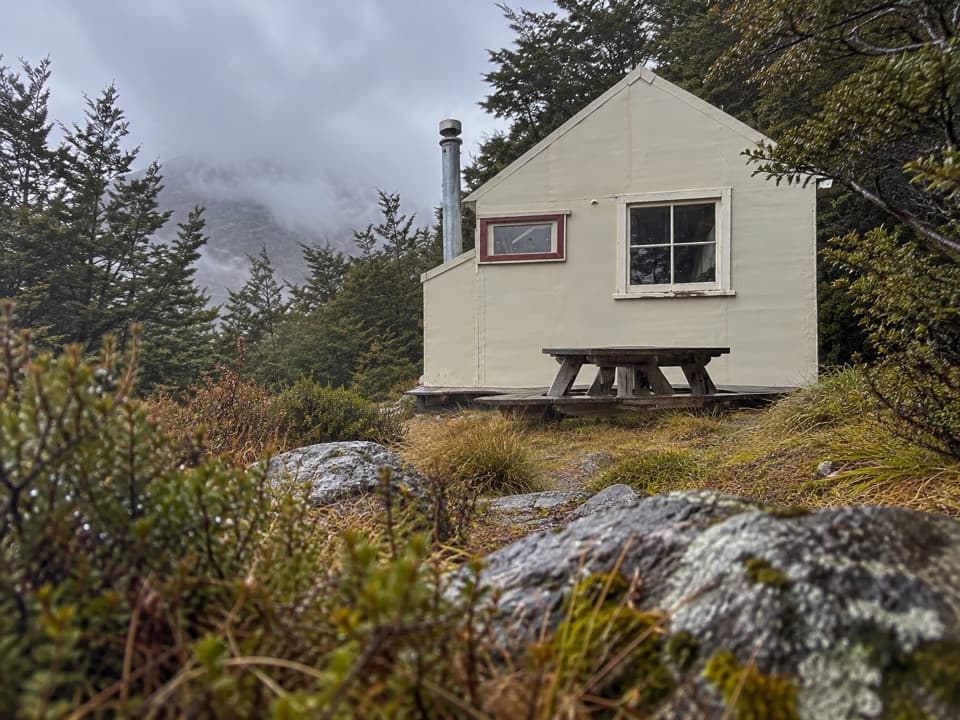
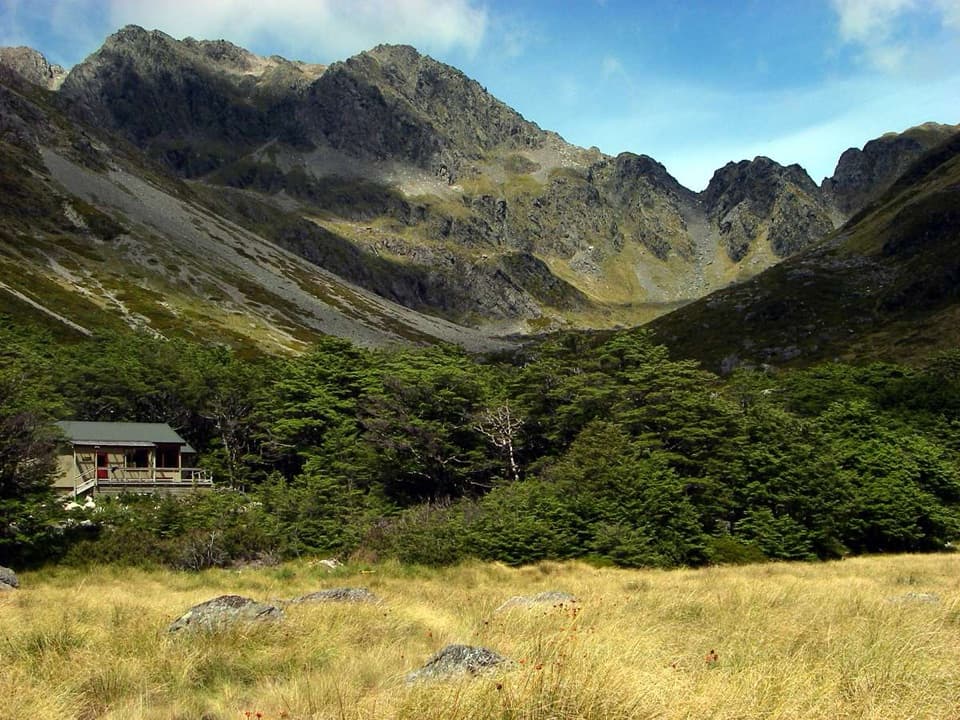
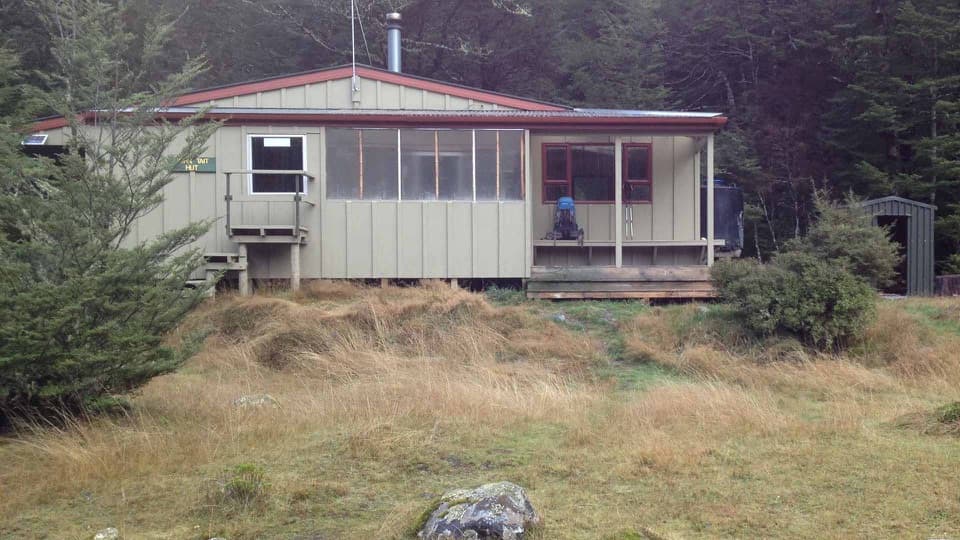
John Tait Hut is the classic mid‑valley stop on the Travers–Sabine Circuit, set in a sunny clearing beside the clear Travers River. At roughly 807 m, it feels tucked into the beech‑forested valley with big‑mountain backdrops of Mt Travers and Mt Cupola. It’s a practical, welcoming overnight for multi‑day trampers rather than a destination hut—worth it if you’re committing to the circuit or pushing higher toward Upper Travers or Cupola.

Facilities & What to Expect

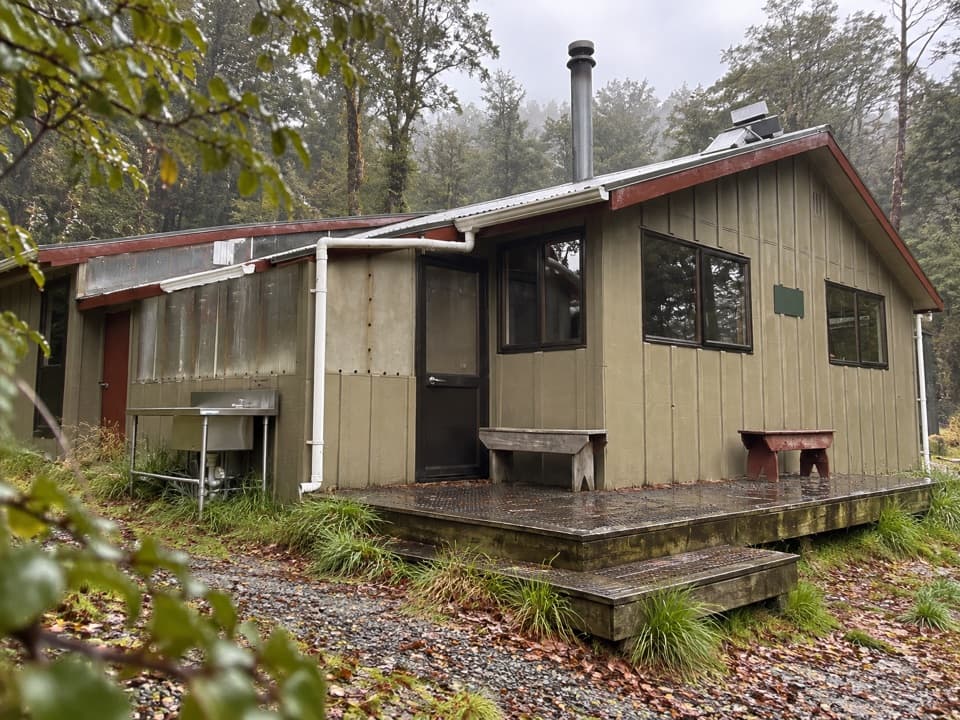
  • 27 bunks with mattresses in a compact interior.
  • Closed fire/wood stove for heating, non‑flush toilets, and an untreated rain‑tank tap for water.
  • The hut is noted as “Serviced,” and it is listed as bookable; check current DOC settings before you go.
  • Right beside the river—great for a breather and views, but expect cool air pooling in shoulder/winter seasons.

Safety: Avalanche and Weather

This hut sits beneath an avalanche path. DOC advises it is not safe to stay here during winter storms that load the upper slopes, or whenever snow has dropped to the valley floor; debris can reach the hut. In such conditions, use alternatives: Upper Travers Hut (about 2 hr 30 min away), or lower‑valley options like Coldwater Hut and Lakehead Hut (about 4 hr 30 min). Avalanche paths are signposted—take them seriously.

Water, Hygiene & “Lake Snow” Biosecurity

Use the hut’s rain‑tank tap for cooking/drinking water and treat it. Do not drink from the toilet cistern. If the tank is low, collect from the Travers River and treat.

Lindavia (lake snow) is present in Lakes Rotoiti and Rotoroa. Dry any gear completely for 48 hours before contacting alpine lakes/tarns. Use the biosecurity cleaning stations at Coldwater, Lakehead, and Sabine Huts for any wet or damp gear. Do not touch the water in Blue Lake (Rotomairewhenua) or Lake Constance.

Getting There & Trail Notes

Approaches typically run from St Arnaud along Lake Rotoiti through beech forest to Lakehead Hut, then up‑valley via swing bridges (including Hopeless Creek) to John Tait. Expect scenic valley walking; in colder months you may find frosty mornings and shaded stretches.

History

The hut is named for John Tait, who led volunteers to build the original 6‑bunk hut in 1951. The current structure dates to 1978 and replaced that original. Discussions have occurred about relocation due to avalanche risk, but the hut remains in use.

Best Time to Visit

Aim for settled, snow‑free periods. In winter or during/after storms that bring snow to the valley floor, do not plan to stay here—use alternative huts or camp lower in the valley away from avalanche paths. It’s popular and can fill; arriving earlier in the day or targeting shoulder‑season weekdays helps.

Pros

  • 27-bunk serviced hut with mattresses, toilets and roof-tank water
  • Riverside clearing with views of Mt Travers and Mt Cupola

Cons

  • Below an avalanche path; unsafe to stay during heavy snow periods
  • Compact and can be very full at peak times

Tips

  • Treat the hut’s rain‑tank water; if low, use the Travers River and treat.
  • If snow reaches the valley floor or winter storms are forecast, do not stay here—head to Upper Travers (~2 h 30 m) or Lakehead/Coldwater (~4 h 30 m).
  • Dry boots and gear for 48 hours before contacting alpine lakes and use the cleaning stations at Coldwater, Lakehead, and Sabine.
  • Arrive early or carry a tent; the compact hut can fill quickly in busy periods.
  • In cold months the hut can be chilly if firewood is scarce—pack extra warm layers.
The Parkwolf tour guide sitting on a phone mounted in a car

Parkwolf Tour Guide

Like a tour guide in your car.

Save the places you found around Nelson Lakes, then let Parkwolf guide the drive between them.Download Parkwolf on the App Store