
Place · 0 mi away
Challenging
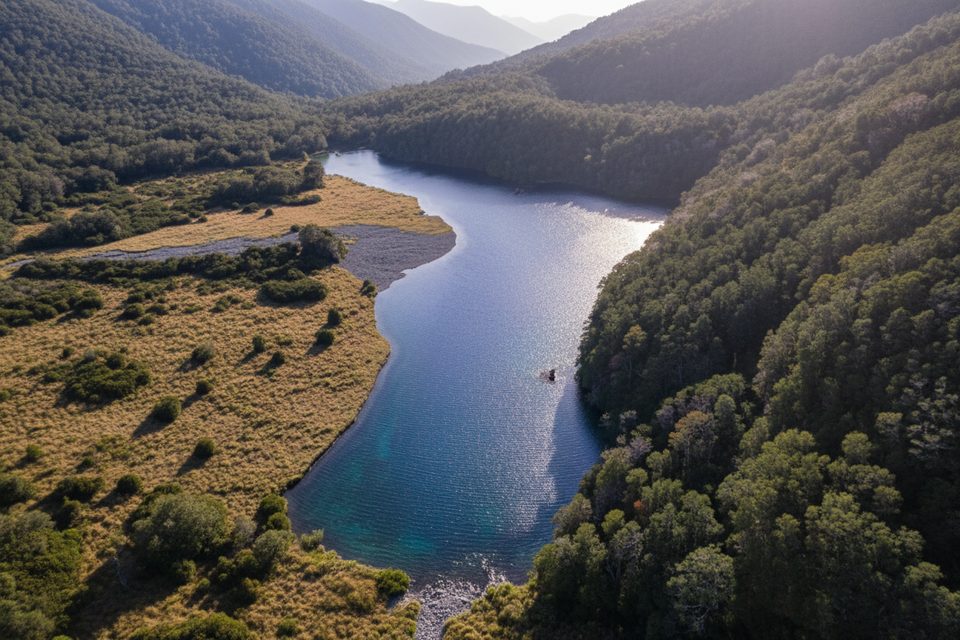
Rotomairewhenua/Blue Lake sits deep in Nelson Lakes backcountry and is famed for astonishingly clear freshwater. It’s also a sacred place (tapu) for local Māori, so this is a look‑don’t‑touch experience—no swimming, washing, filling bottles, or dipping gear in the lake or nearby Lake Constance. The payoff is rare: otherworldly clarity, solitude, and an alpine setting that feels far from the front country.
Most trampers reach Blue Lake as a side trip off the Travers–Sabine Circuit. The simplest approach is to take a Lake Rotoroa water taxi to Sabine Hut, walk about 5 hours to West Sabine Hut, then continue roughly 3.5 hours to Blue Lake Hut. If you’re going entirely on foot, start from the Mount Robert car park near St Arnaud: it’s about 17.5 km (≈7 hours) to Sabine Hut, then onward as above. Either way, plan on at least a couple of days in and out.
From West Sabine Hut to Blue Lake Hut is about 8 km one way with roughly 600 m of climbing. Expect steep, rocky/bouldery sections and a solid workout—most hikers treat it as a challenging day with a heavy pack. If you’re returning the same way, double the distance/time; this is not a quick out‑and‑back.
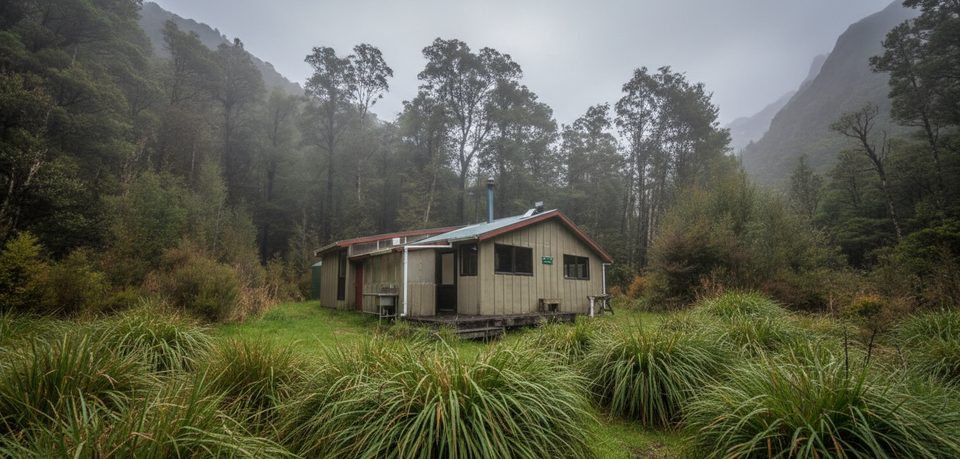
Blue Lake Hut and the other huts on this route are serviced with mattresses, water supply, toilets, and a fireplace. There’s no cooking gas, electricity, or lighting, and toilets typically don’t have toilet paper—bring your stove, fuel, headlamp, and TP. Pay with Backcountry Hut Tickets purchased in advance from a DOC office (typical costs: about NZD $25 per person per night in huts; camping within 50 m of a hut about NZD $10 per person per night).
Carry all food—there’s nowhere to buy supplies on track. Lightweight backcountry meals (e.g., Radix) are popular. Water is generally abundant along running streams, but treat any hut tank water. Never take water from Blue Lake; if you want a dip or to fill bottles, use the Sabine River below the lake’s outlet. To protect these waters from lindavia algae (“lake snow”), clean and disinfect any wet gear at DOC biosecurity stations (e.g., Coldwater, Lakehead, and Sabine Huts) before/after contact with lakes and rivers.
Peak window is New Zealand summer, December–February, with the broader tramping season November–April. Alpine weather changes fast year‑round—pack layers and rain protection. Reception is very limited; download offline maps and carry a personal locator beacon (PLB). This is remote country; travel insurance is a smart call.
Park at Mount Robert car park (St Arnaud) or Kerr Bay; for the water taxi approach, start at Lake Rotoroa to reach Sabine Hut.
Blue Lake and Lake Constance are tapu—no swimming, washing, filling bottles, or putting gear in the water. Use DOC biosecurity cleaning stations (e.g., Coldwater, Lakehead, Sabine Huts) to prevent lindavia algae. The West Sabine to Blue Lake section is steep and rocky; weather is changeable; mobile reception is limited. Treat hut water and carry a PLB.
Place · 0 mi away
Place · 2.6 mi away
Place · 2.7 mi away
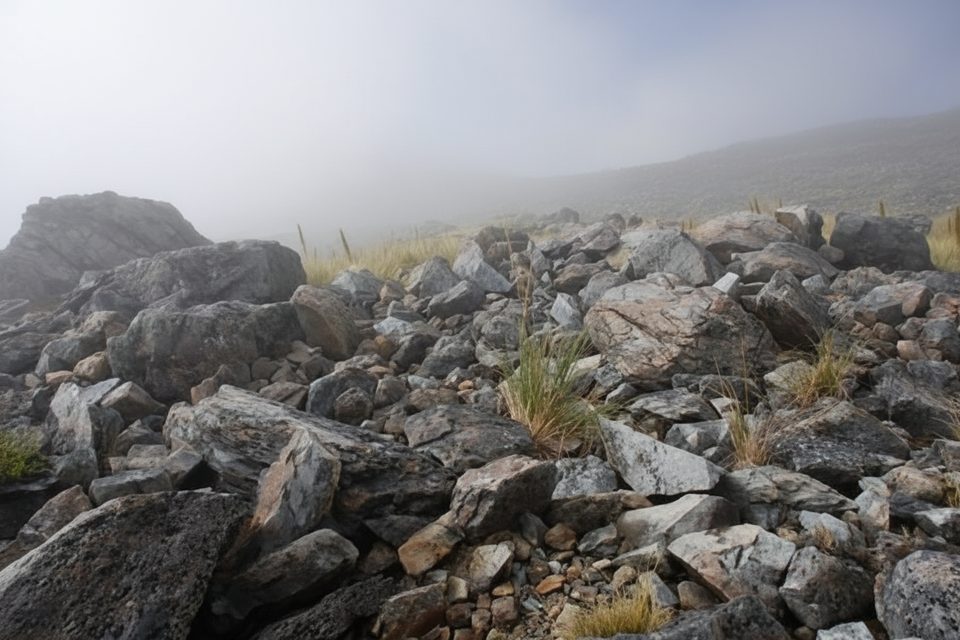
Place · 2.8 mi away
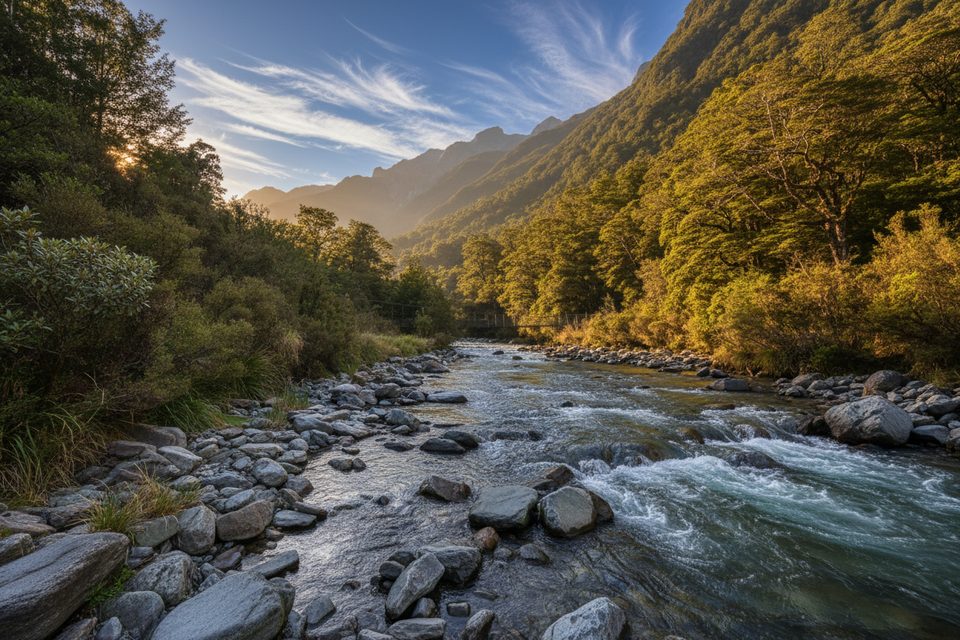
Moderate · 0 mi away
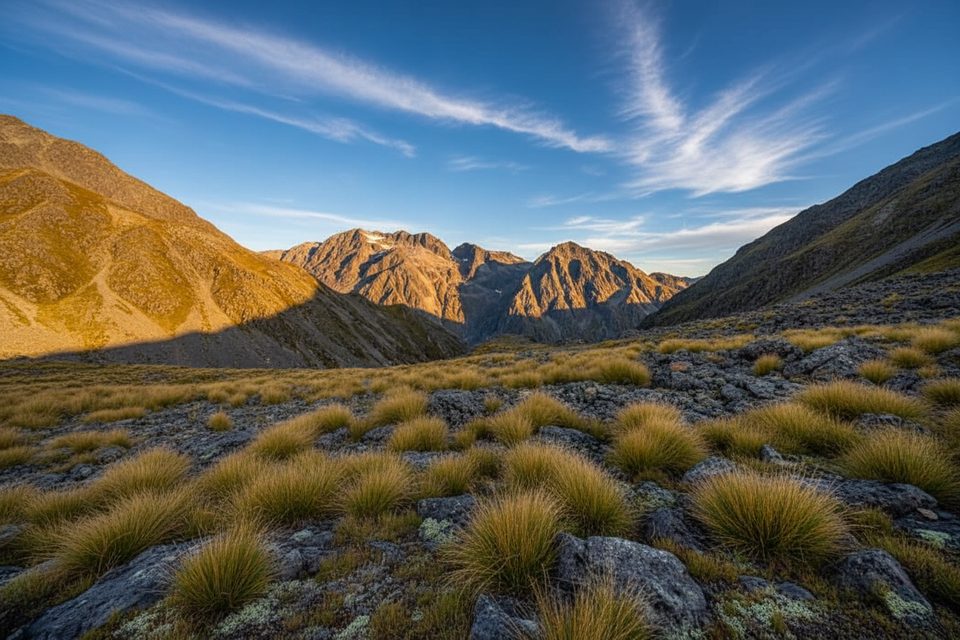
Challenging · 3.5 mi away
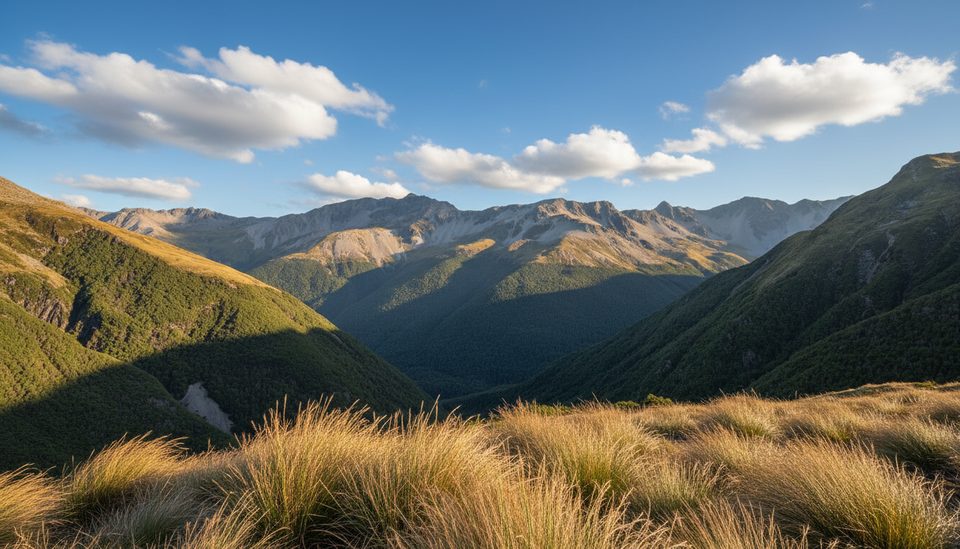
Challenging · 4.9 mi away
Easy · 15.1 mi away

Parkwolf Tour Guide
