
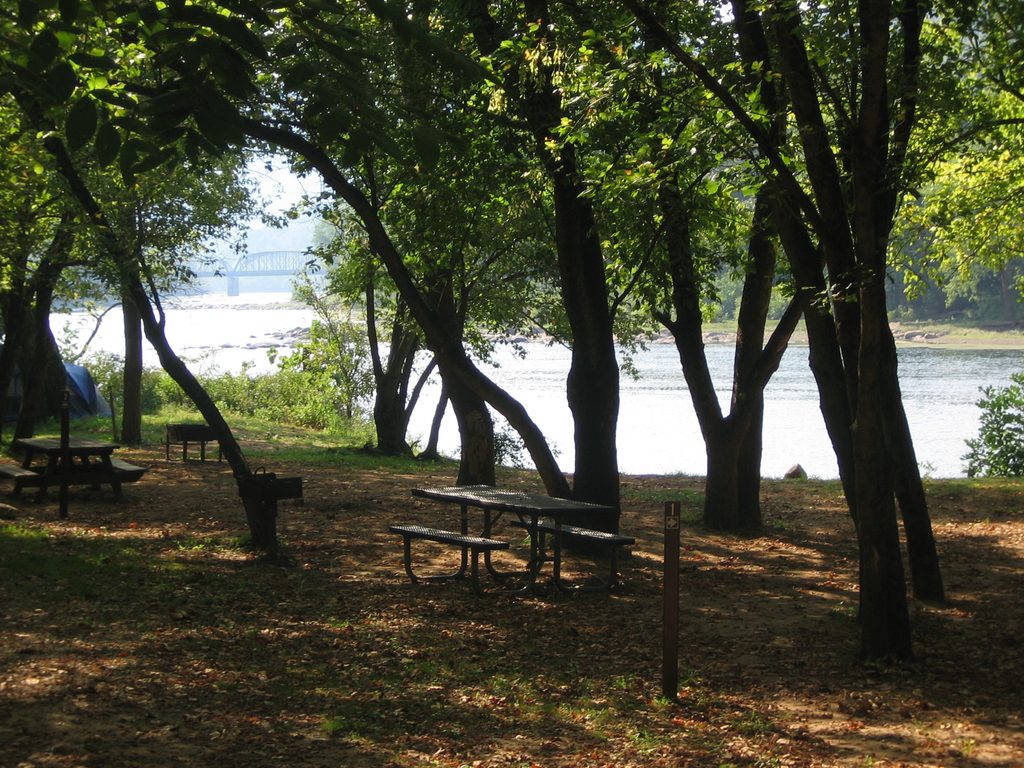
Place · 0.3 mi away
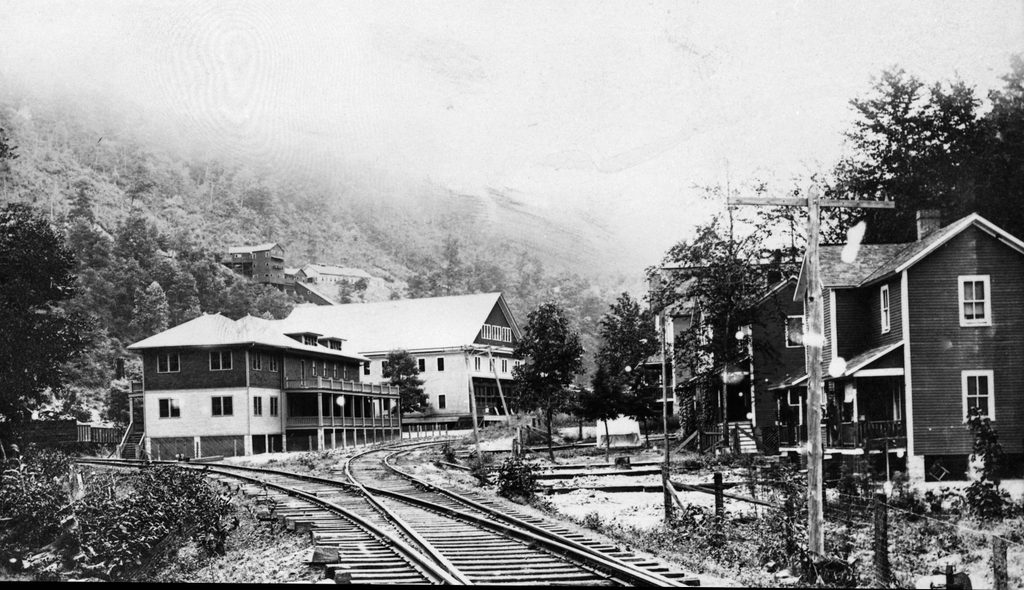
Quinnimont is one of the gorge’s oldest settlements, a riverside remnant where the New River’s geology and West Virginia’s coal-and-iron story intersect. Settled by Europeans in 1827, it later boomed with an 1870s iron furnace and the first New River coal shipments after the main rail line opened in 1873. The name nods to the “five mountains” that cradle the site. Today it’s quiet, evocative, and very low-frills—best for history-minded travelers who like to poke around the bones of a place.
Roll along WV‑41 to spot the landmarks. This is a drive‑by, make‑short-stops kind of place: small pull‑offs, minimal signage, and no formal visitor infrastructure. It pairs well with other historic stops in the gorge if you’re building a themed day around coal and rail history.
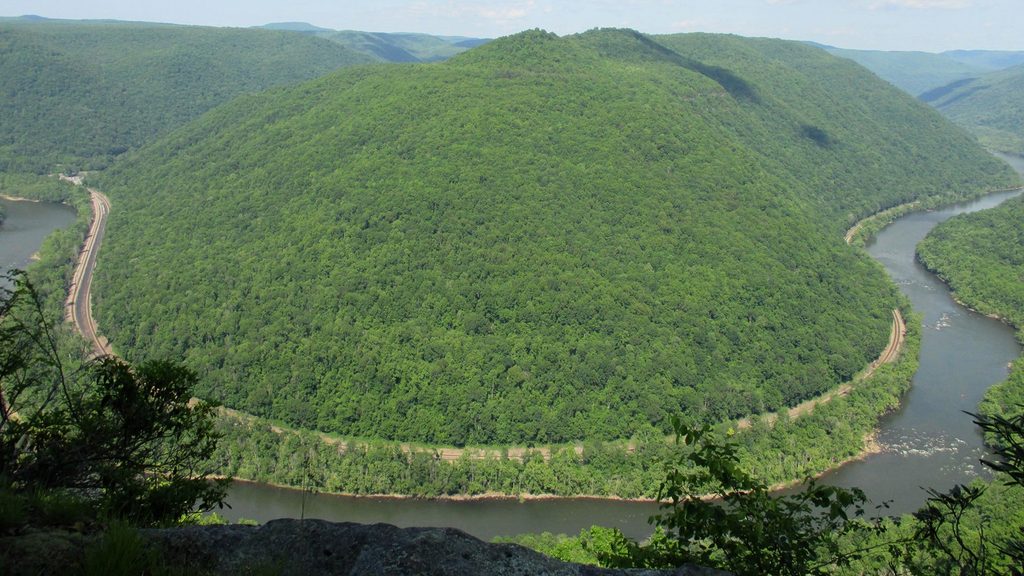
The “New” River is ancient, and over millions of years it sawed a deep V‑shaped gorge through roughly 4,000 feet of sandstones, shales, and coal seams laid down over 300 million years ago. Those very layers powered the furnace and mines at Quinnimont—so you’re standing where the landscape literally became industry.
You’re in lush Appalachian river‑gorge forest. Expect dense greenery in warm months, good birdlife, and typical riparian wildlife. Bring bug spray in summer.
Facilities are essentially nonexistent here. Expect no restrooms or water and very limited parking. Roads along the river can be narrow and winding; allow extra time and don’t tow down the tightest backroads. Primitive camping in the park exists nearby (e.g., Grandview Sandbar and Glade Creek), but those campgrounds have vault toilets only and no drinking water or hookups.
Place · 0.3 mi away
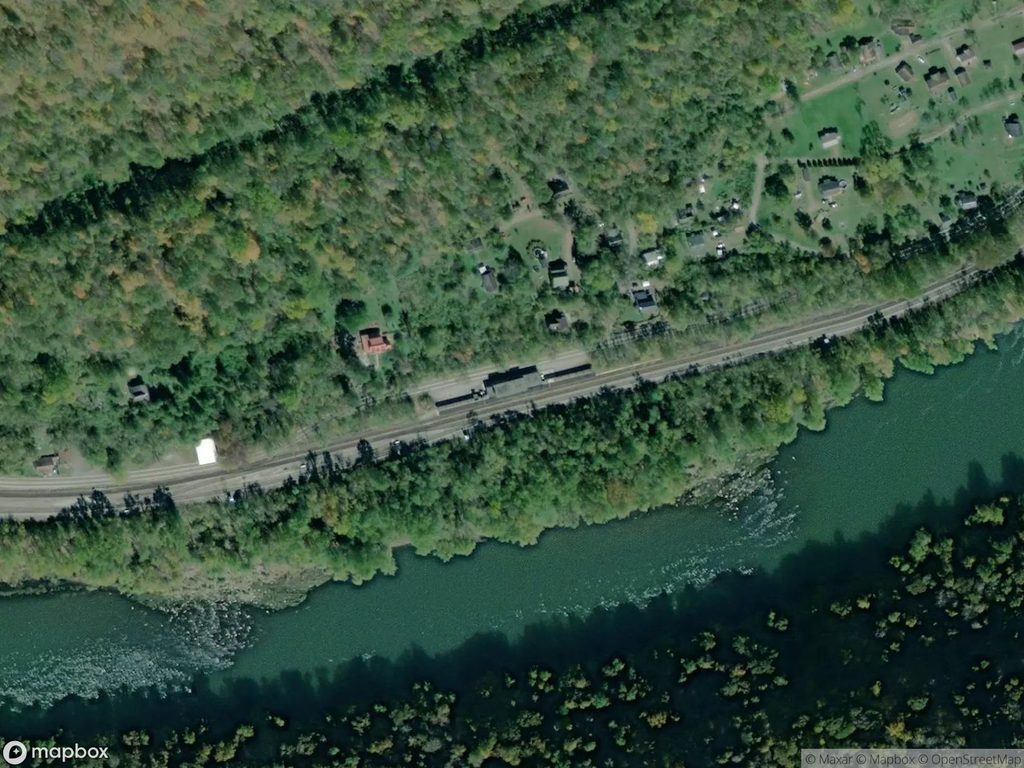
Place · 0.8 mi away
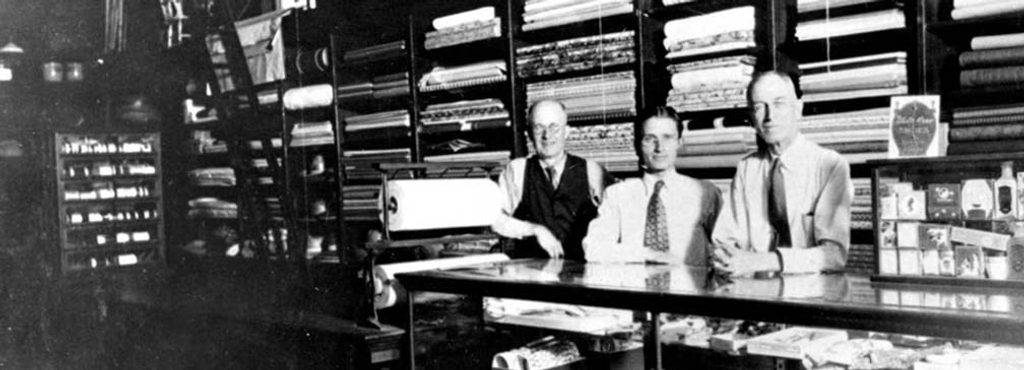
Place · 0.9 mi away
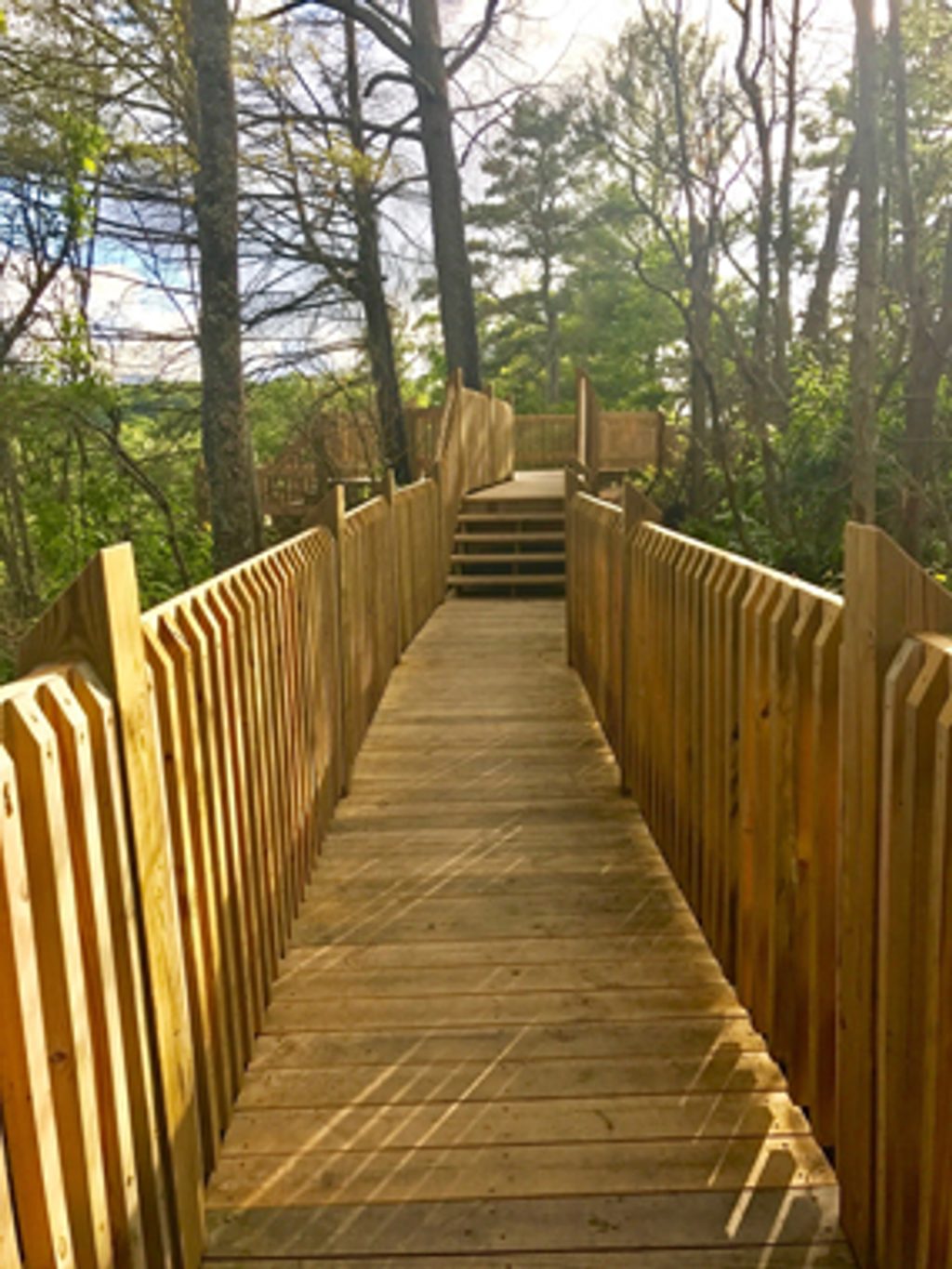
Place · 0.9 mi away
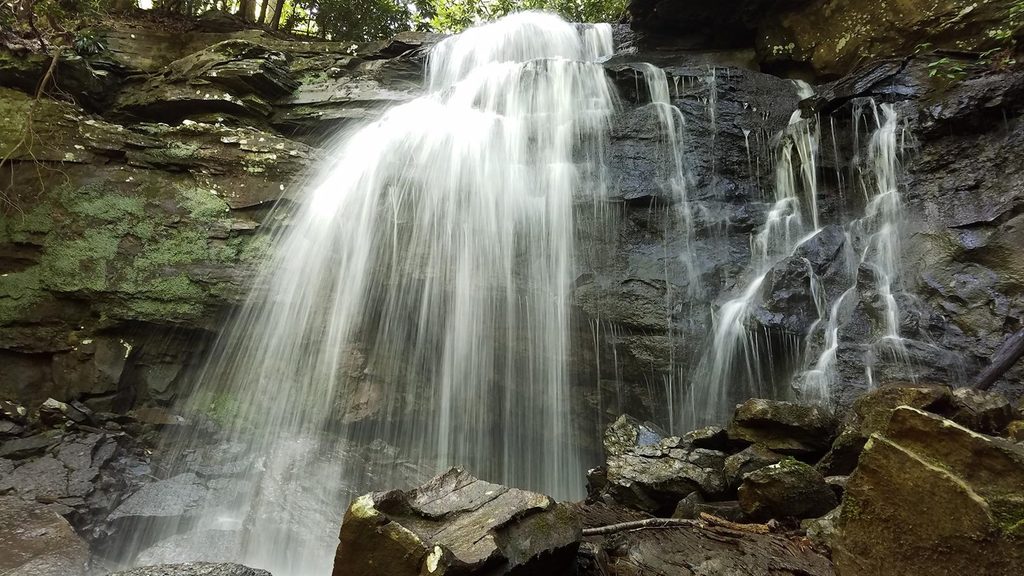
Challenging · 0.3 mi away
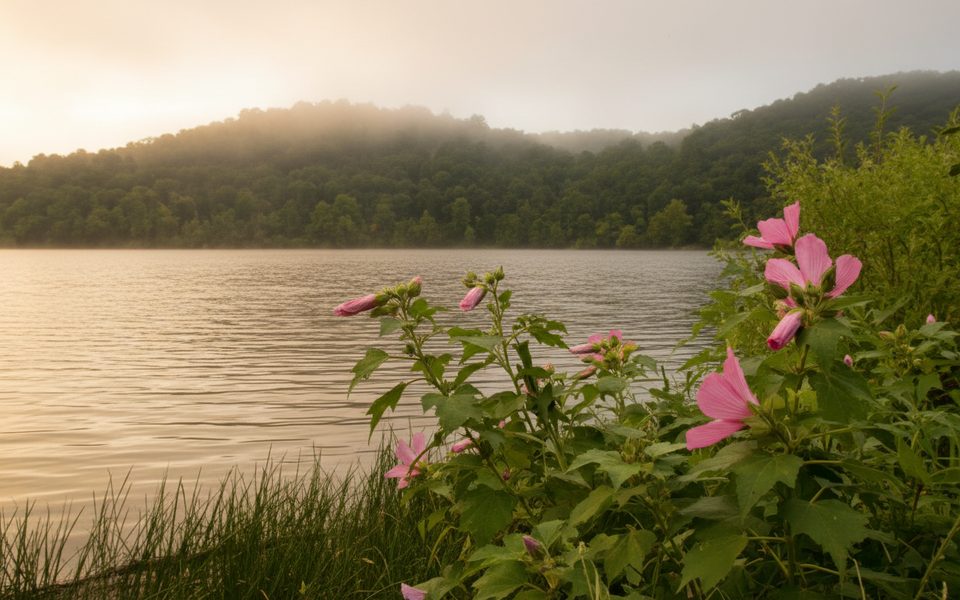
Challenging · 1.8 mi away
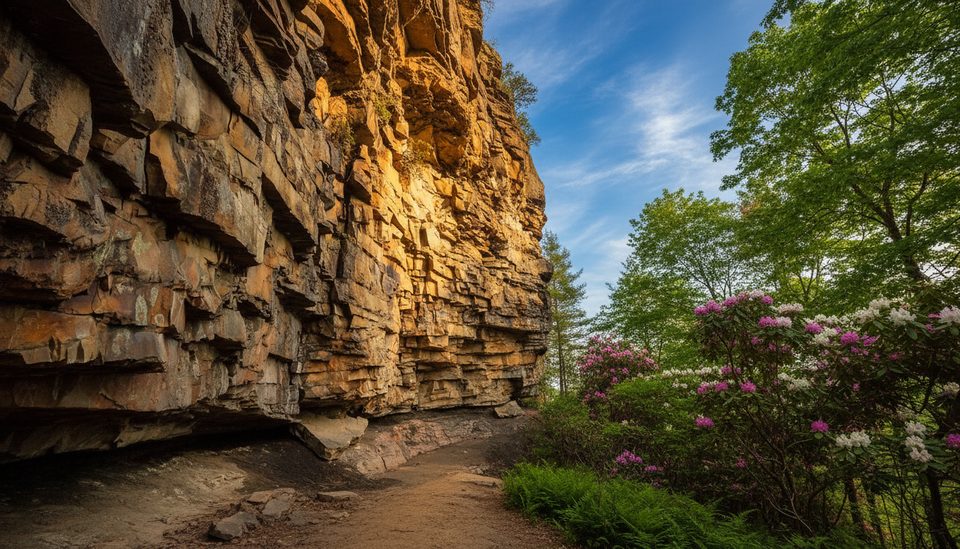
Moderate · 1.9 mi away
Moderate · 1.9 mi away

Parkwolf Tour Guide
