
Place · 1.1 mi away
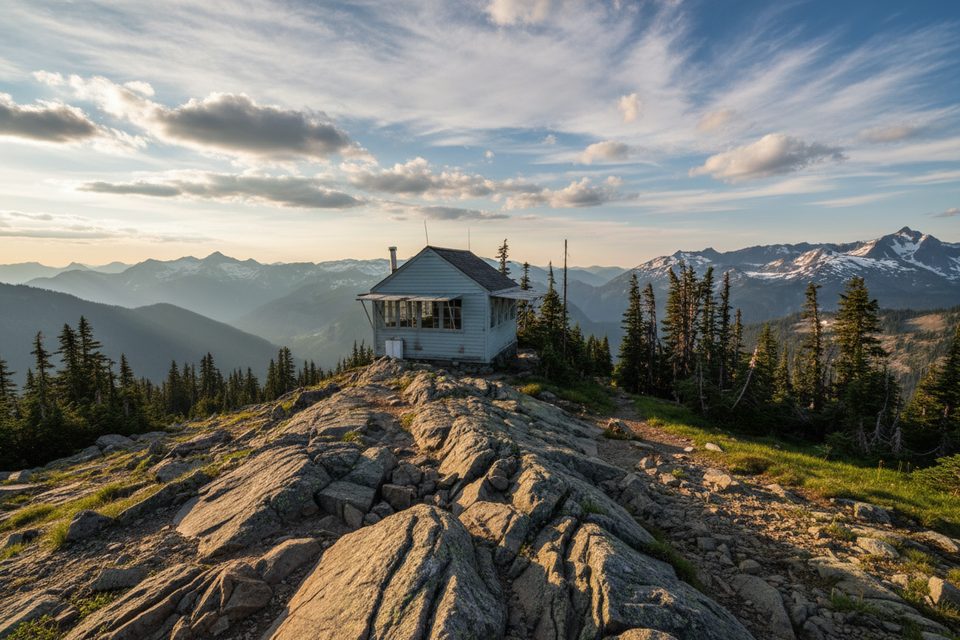
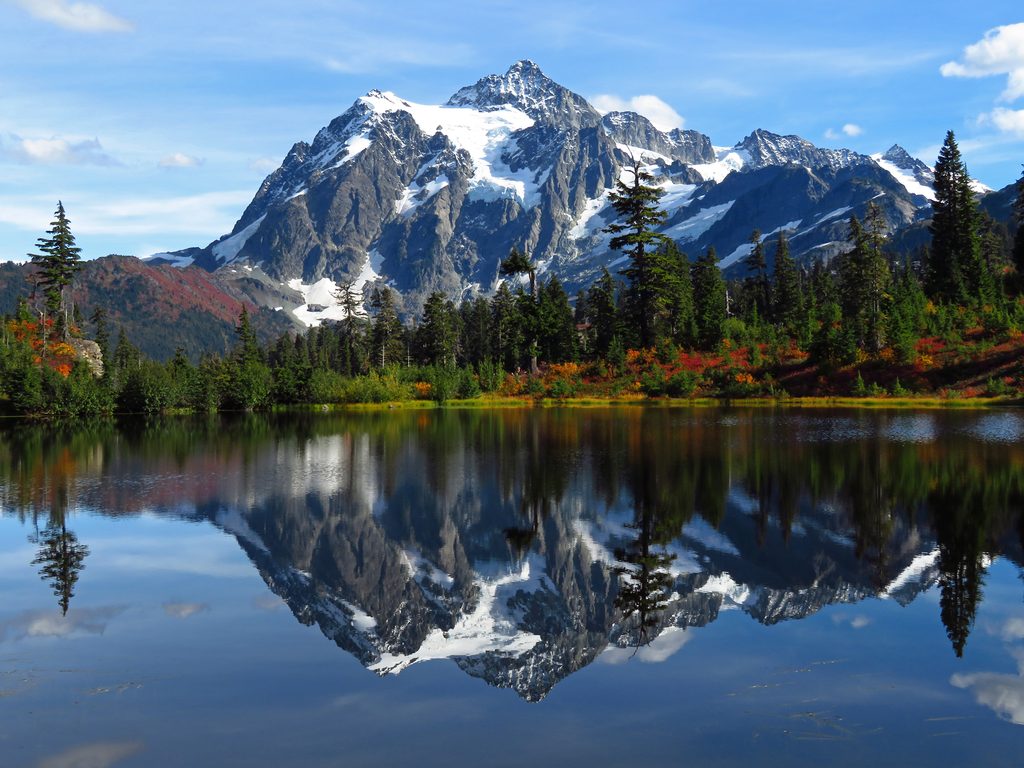
Perched around 6,260–6,280 feet on a knife-edge ridge, Copper Ridge Lookout delivers the kind of all-directions panorama you earn the hard way: Mount Baker and Shuksan dominate to the west, while Challenger and the Pickets serrate the skyline to the east. It’s one of the park’s most remote, spectacular lookouts and a worthy goal whether you tackle it as a very big day or as part of the classic Copper Ridge–Chilliwack loop.
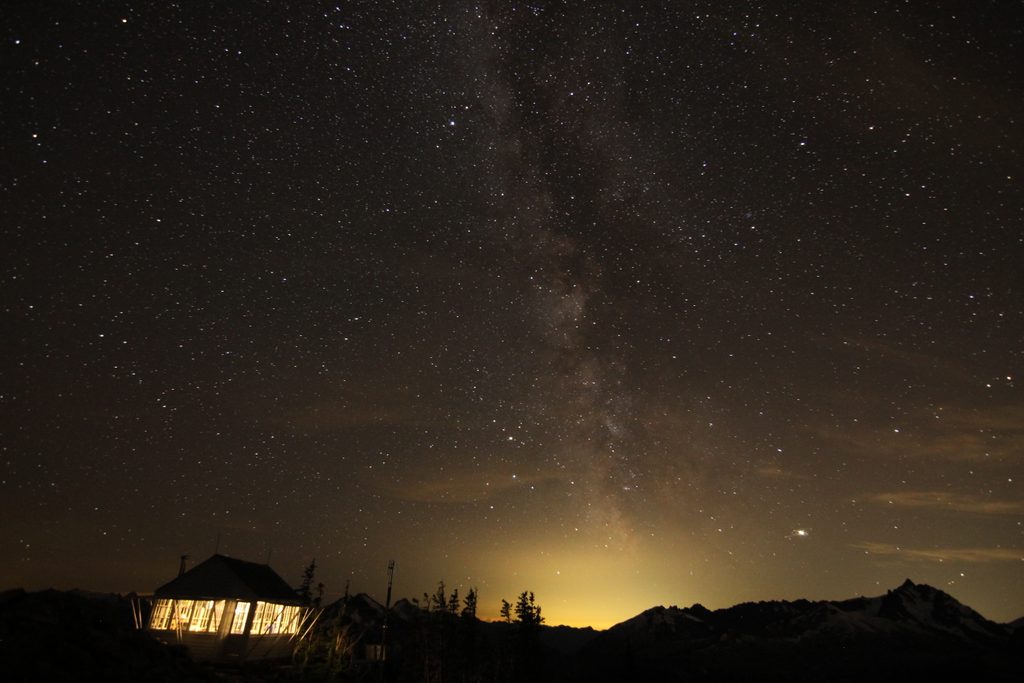
Built in 1932 as a gable-roofed L-4, the lookout was listed on the National Historic Lookout Register in 1989. It even served as an Aircraft Warning Service post in 1942. Today it’s one of only a few surviving lookouts in the park and is typically staffed by wilderness rangers in summer and early fall.
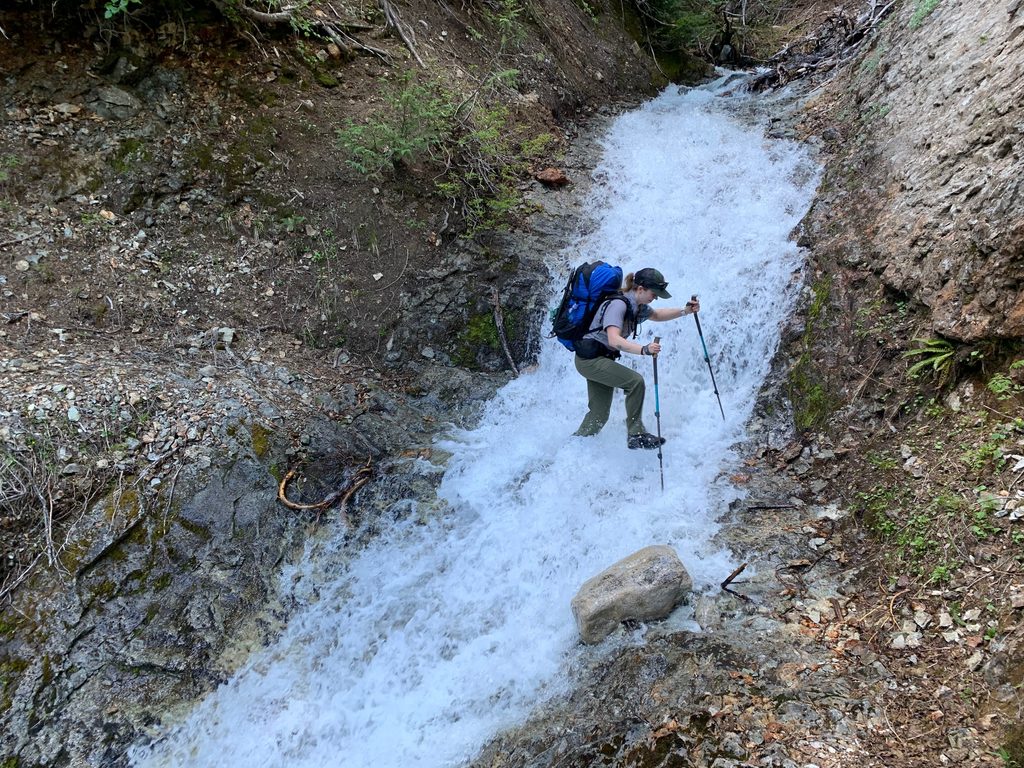
Most hikers start at Hannegan Pass Trailhead and climb over Hannegan Pass to gain Copper Ridge. Expect sustained elevation gain and a hefty day: it’s roughly 20 miles round-trip to the lookout and back with about 4,400 feet of climbing. On the full loop (about 34 miles and 8,600 feet of gain), the lookout sits roughly 9.9 miles from the trailhead, followed by a long descent to the Chilliwack River valley and a memorable hand-powered cable car crossing when water is high. Gloves help with the pull rope.
If you’re backpacking, you’ll use the designated ridge camps instead of the lookout itself. Silesia (dry), Egg Lake (reliable water 0.3 miles below the junction), and Copper Lake all have composting toilets and bear lockers. Fires aren’t permitted at any of these camps, nor at Boundary Camp. Backcountry permits are required for overnight trips and are highly competitive in peak season; plan early, go midweek or after Labor Day, and carry proper food storage. Parking at the trailhead requires a Northwest Forest Pass or equivalent federal pass.
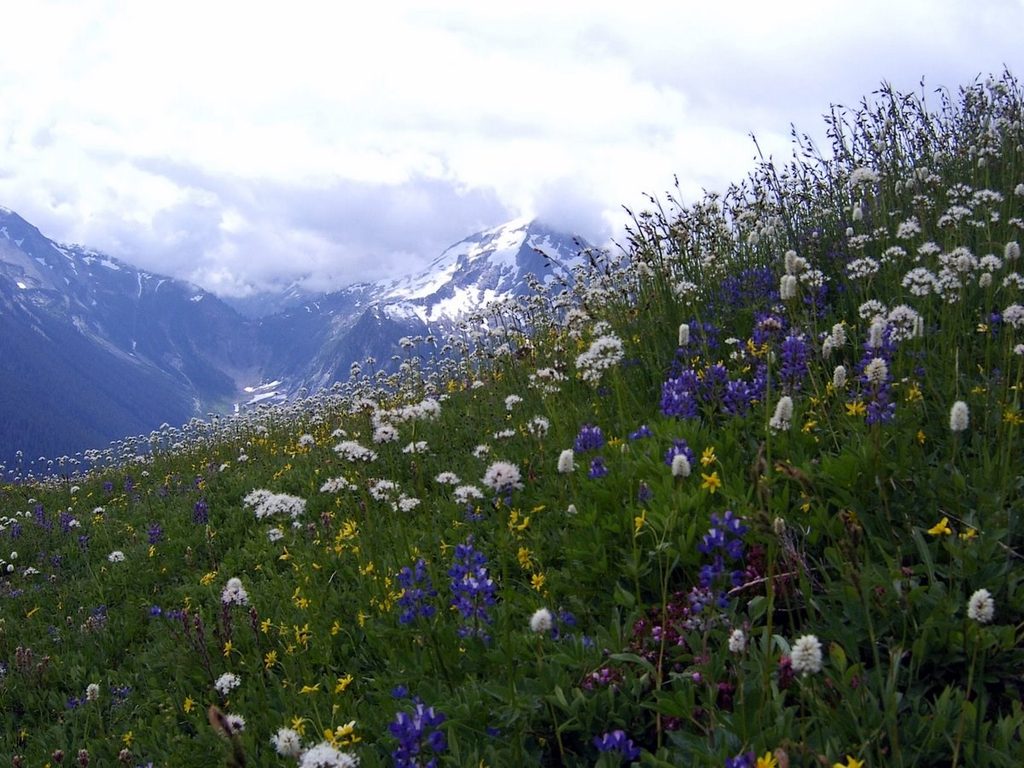
This is a short-window objective: mid/late July through September is typical. Steep snow can linger into July and may require an ice axe and the skills to use it. The ridge bakes in summer and water can be scarce after Copper Lake for many miles—carry extra. Subalpine meadows here are fragile; stay on durable surfaces and avoid restoration areas near Egg and Copper Lakes.
Black bears are commonly seen—especially when berries ripen later in the season. Make noise, give them space, and use the provided food lockers where available. Proper food storage is essential everywhere on this route.
Aim for clear days in late July through September. Sunrise and sunset paint the Pickets and Baker beautifully, but bring layers—wind is common on the ridge. Weekdays are best for solitude and permits; holiday weekends are the most competitive. Midday light is harsh for photography and the ridge is hotter, so start early.
Place · 1.1 mi away
Place · 4.4 mi away
Place · 4.9 mi away
Place · 9.4 mi away
Challenging · 6.6 mi away
Challenging · 6.6 mi away
Challenging · 6.6 mi away
Challenging · 10.2 mi away

Parkwolf Tour Guide
