
Place · 5.5 mi away
Challenging
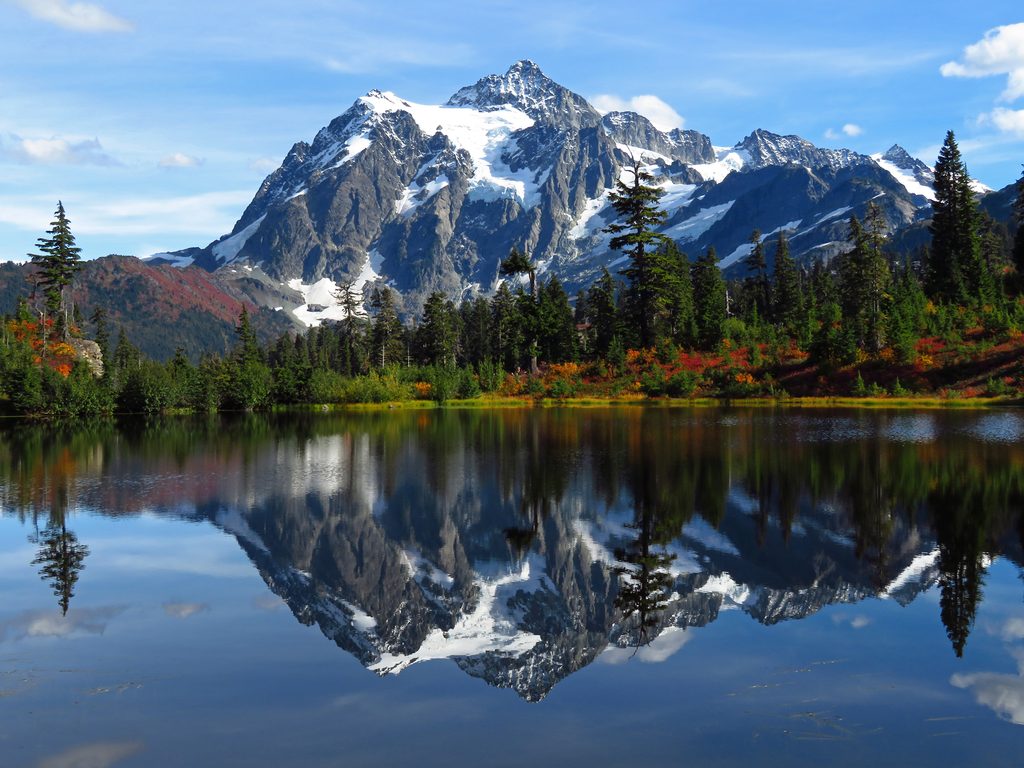
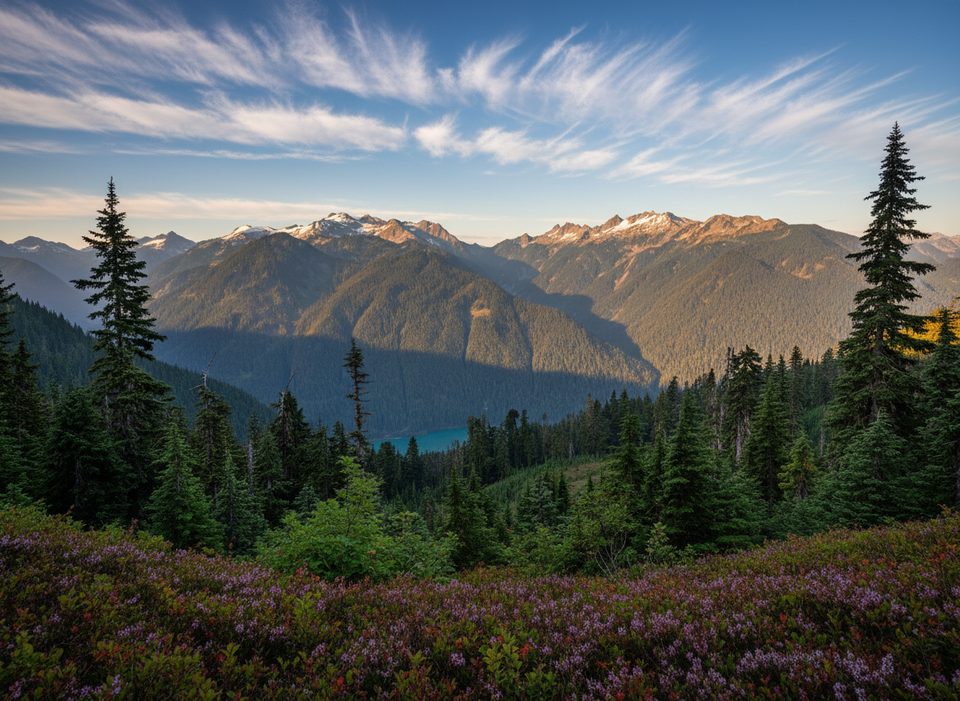
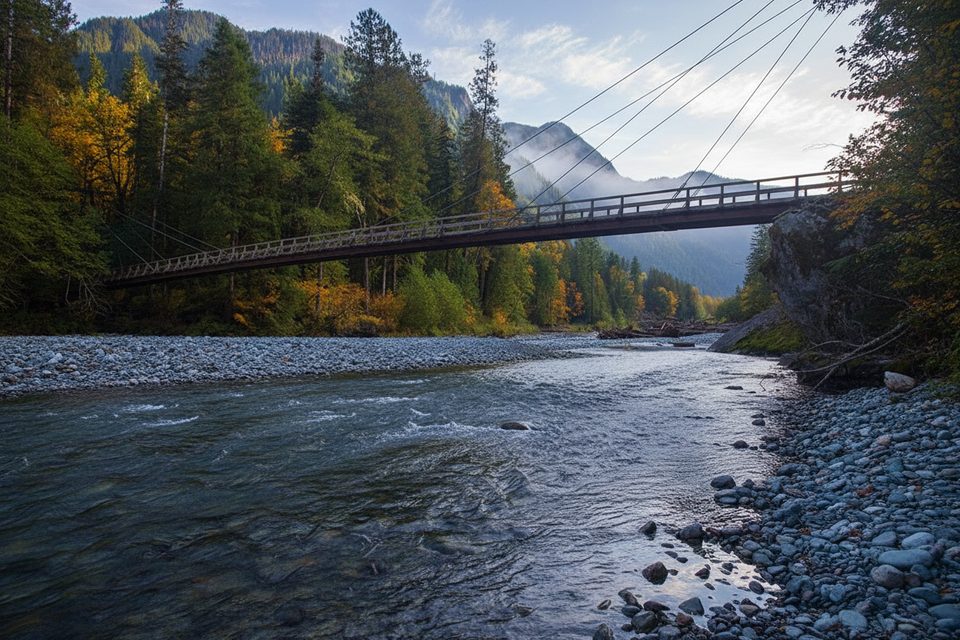
A North Cascades classic for strong backpackers, the Copper Ridge Loop is roughly 34 miles total with about 8,000 feet of elevation gain. Expect a grand tour of the range: airy ridge walking with glacier views, a historic fire lookout, sparkling alpine lakes, then a deep plunge to a remote river valley capped by a hand‑pull cable car over the Chilliwack. It’s strenuous, committing, and wildly rewarding.
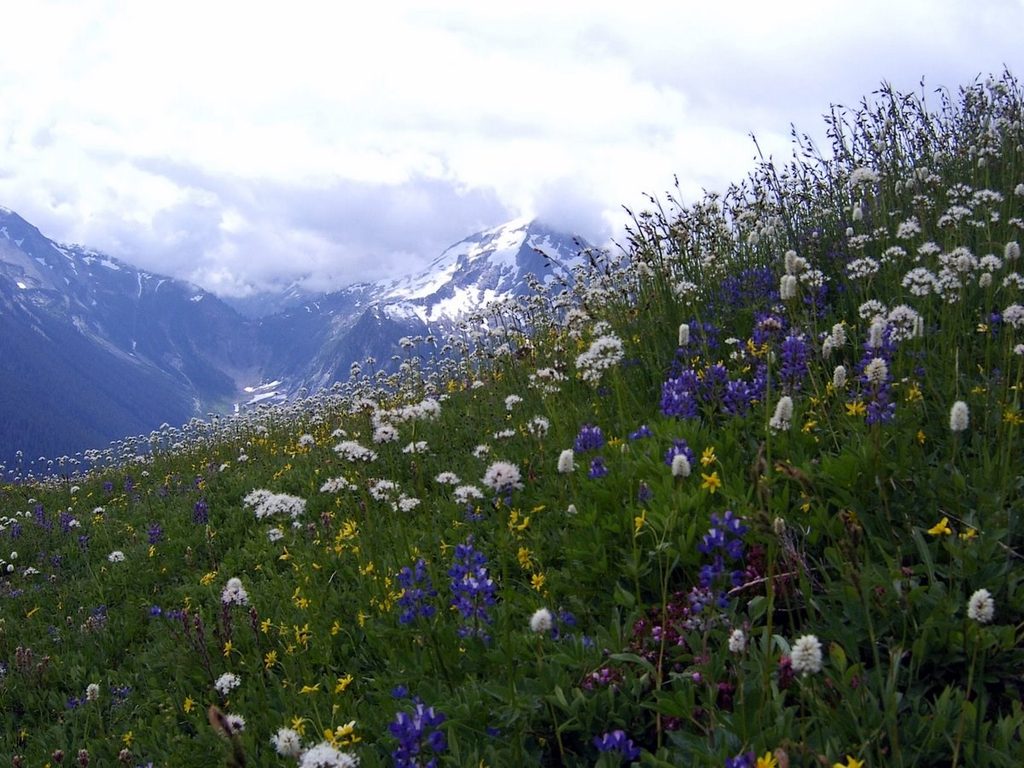
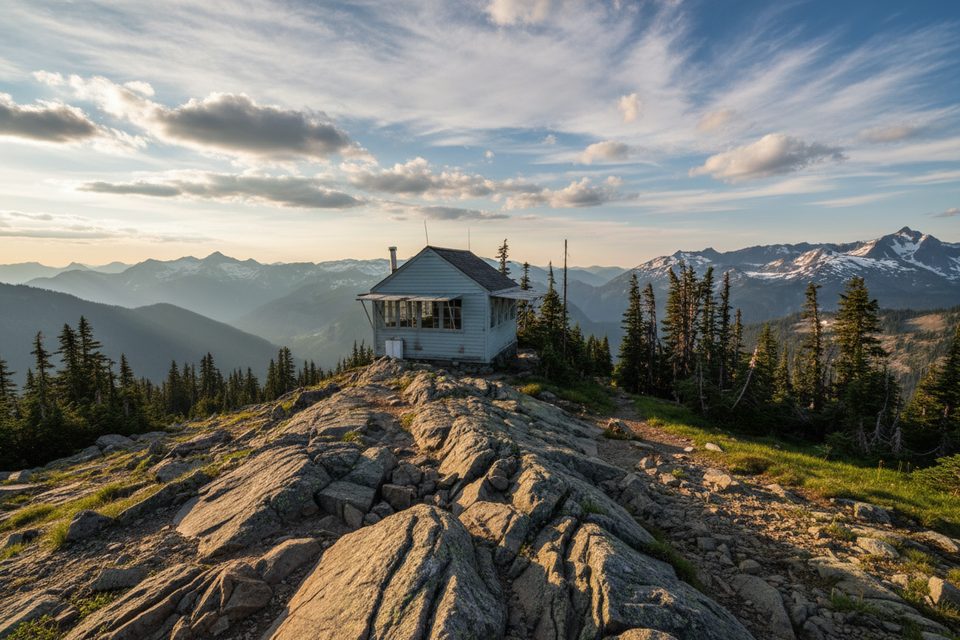
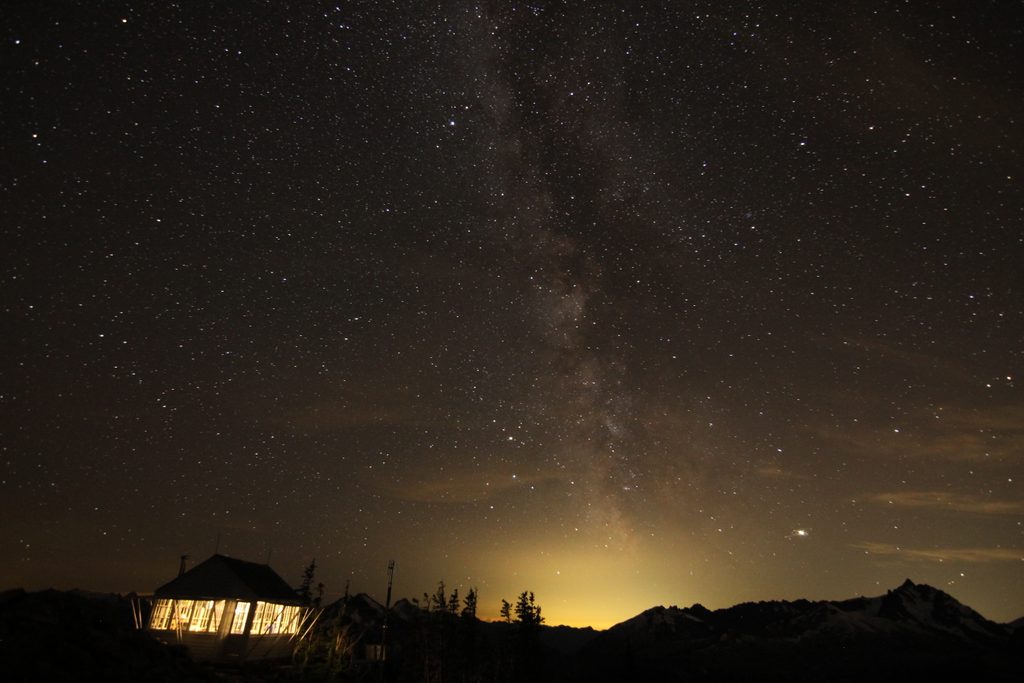
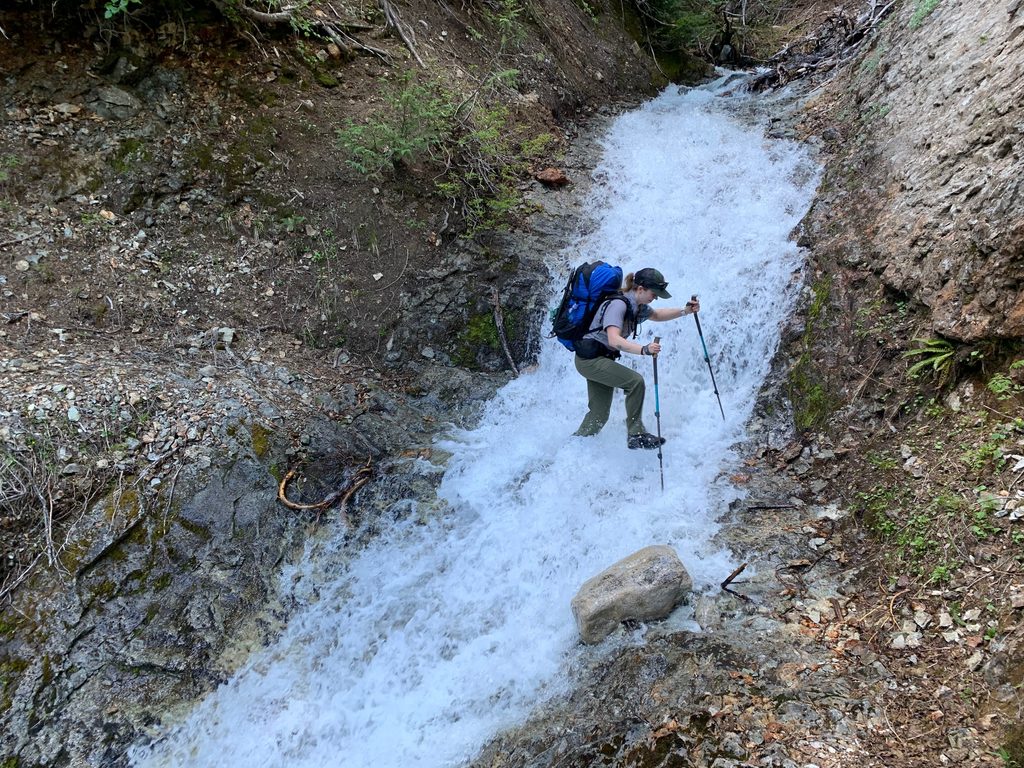
Starting from Hannegan Pass Trailhead, climb to Hannegan Pass and (time/energy permitting) tag Hannegan Peak as a short side trip. Continue along Copper Ridge past Silesia and Egg Lake camps to the Copper Mountain Lookout, then on to Copper Lake. From the ridge, descend steeply toward the Chilliwack River corridor. Down low, you’ll ford the Chilliwack and Indian Creek (conditions vary), then use a self‑propelled cable car to cross the Chilliwack later in the loop. Camps commonly used include Boundary, Silesia (dry), Egg Lake, Copper Lake up high, and Indian Creek, U.S. Cabin, and Copper Creek down low. Scenery swings from high, huckleberry‑lined ridges to old‑growth forest and roaring water.
This loop is hard—lots of climbing and descending, with brushy stretches that can soak you after rain and narrow tread in places. The ridge can be hot and dry in summer; carry ample water. Snow can linger into July on steep sections (early season travel may require traction/ice axe skills). Wasp nests have been reported near the boundary, and bears are regularly seen—manage food and stay alert.
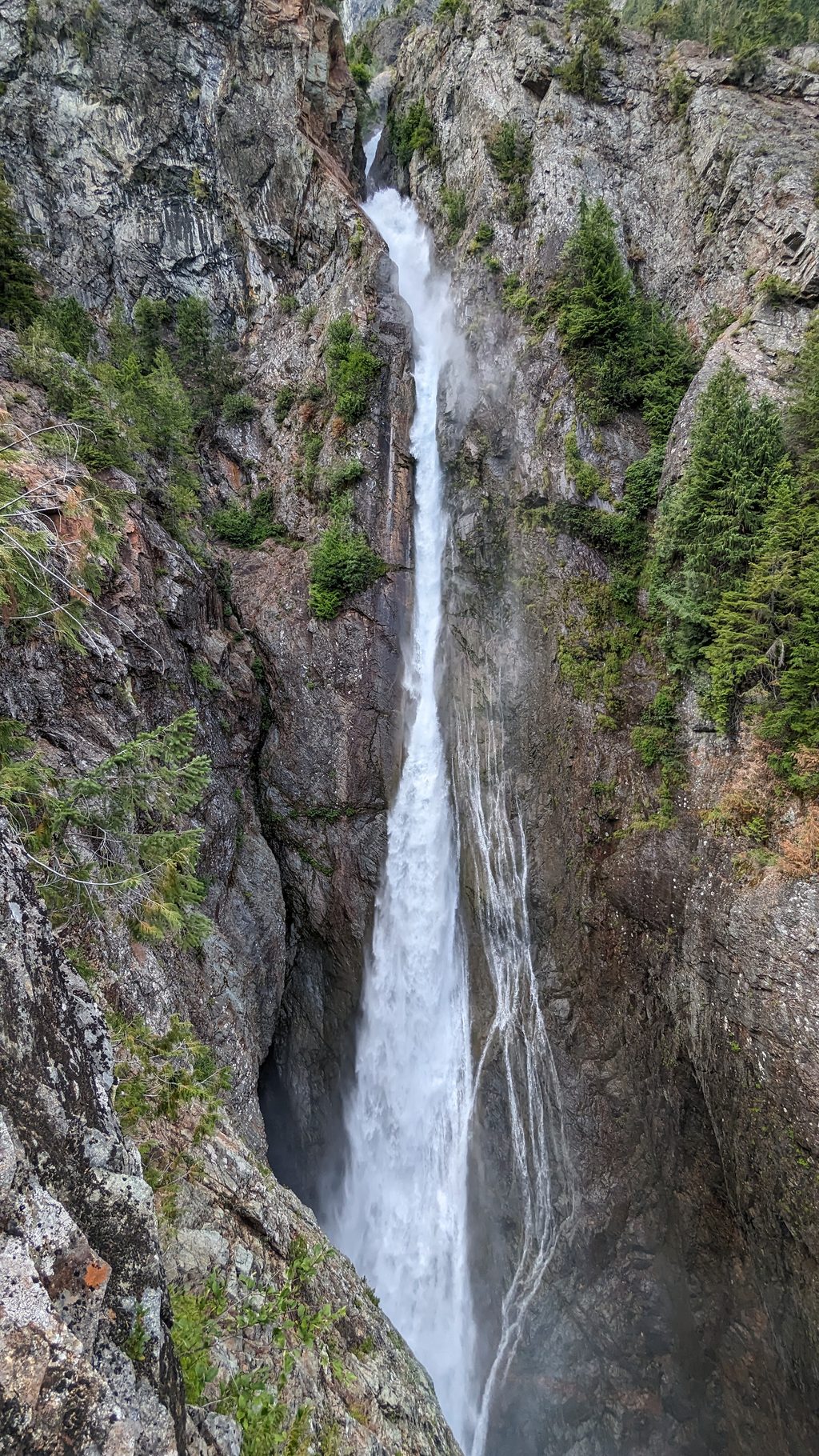
Water is generally available from creeks and lakes, but plan carefully: Silesia is a dry camp, Boundary’s water requires a steep side path, and after Copper Lake a small waterfall shortly beyond may be the last reliable source before you reach the lower valley—plan a significant carry. Late season can leave some spots dry, so confirm current conditions. Designated ridge camps (like Egg and Copper Lakes) have food storage and composting toilets; please stick to durable surfaces to protect fragile vegetation.
A backcountry permit is required for every overnight in the park’s designated sites, and this loop is popular—reserve early when possible. Reserved permits must be picked up by late morning on your start date (miss it and your itinerary can be canceled). Bear canisters are mandatory; rangers can loan them. No campfires. Pets are not allowed within the park on this loop (you can hike with a dog only up to the park boundary). Park at Hannegan Pass Trailhead via gravel Forest Road 32; a Northwest Forest Pass (or equivalent federal pass) is required.
Mid‑July through September is the sweet spot. Early season still holds snow on steep slopes; late season brings drier camps and longer water carries. Start days early for cooler temps on exposed ridge sections and to stay on schedule for permit pickup and big mileage days. This is a sought‑after itinerary—midweek starts help with both permits and solitude.
Add Hannegan Peak from the pass for a quick, high‑reward detour. From the Brush Creek junction, a long day trip to Whatcom Pass (and higher to Tapto Lakes via a steep climber’s path) delivers even bigger views if your permit and legs allow. If you want a shorter—but still strenuous—taste, many backpack just to the Copper Mountain Lookout/Copper Lake area and return the way they came.
Trekking poles shine on the steep, loose descents. Pack reliable rain gear and insulation for cold nights, plus extra water capacity for dry stretches. Carry a map/GPS—cell service is spotty—and gloves make the cable car pull more pleasant.
Hannegan Pass Trailhead via Forest Road 32 (gravel, generally passable). A Northwest Forest Pass or equivalent federal pass is required for parking.
Steep early‑season snow; long dry water carries (especially after Copper Lake); brushy tread; wasps near the boundary; river fords vary; cable car requires upper‑body pull—gloves recommended. Bear canisters mandatory; no pets in the park.
Place · 5.5 mi away
Place · 5.9 mi away
Place · 6.6 mi away
Place · 7.5 mi away
Challenging · 0 mi away
Challenging · 0 mi away
Challenging · 10 mi away
Moderate · 11.2 mi away

Parkwolf Tour Guide
