
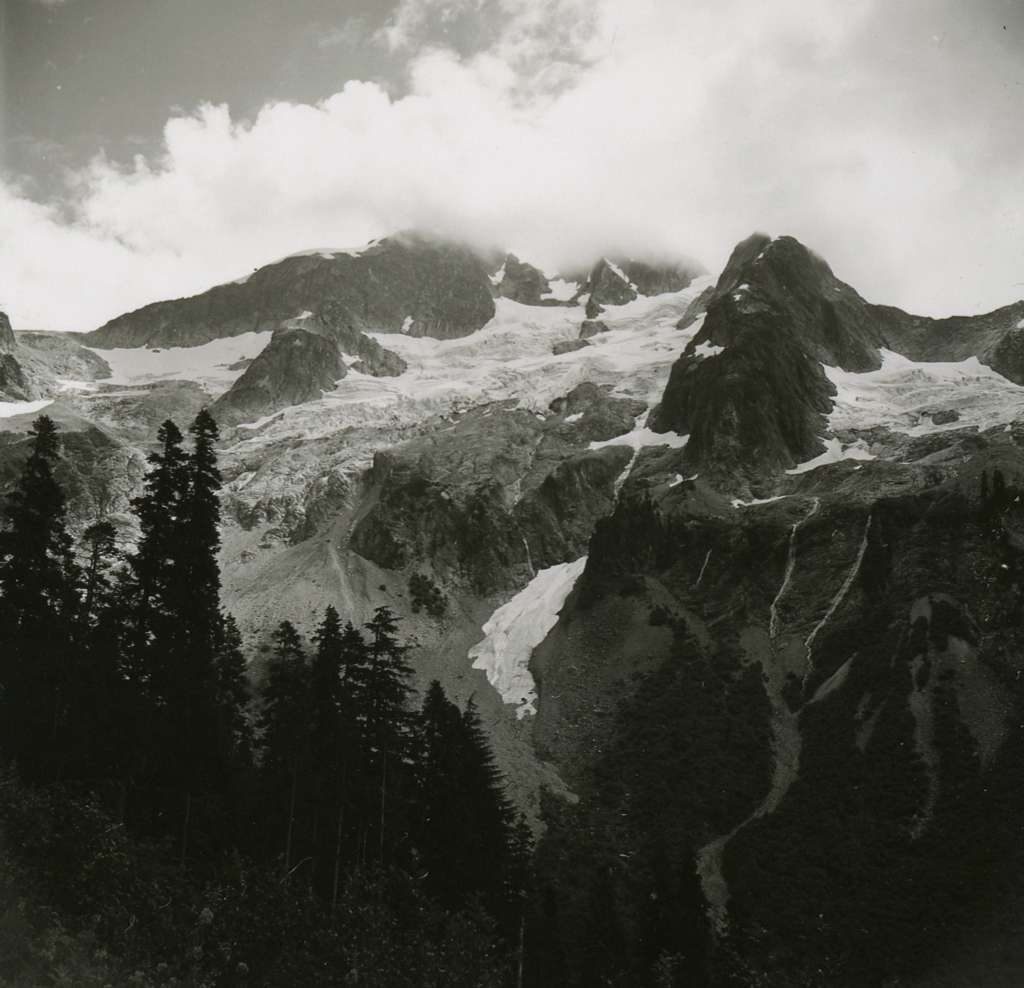
Place · 0.7 mi away
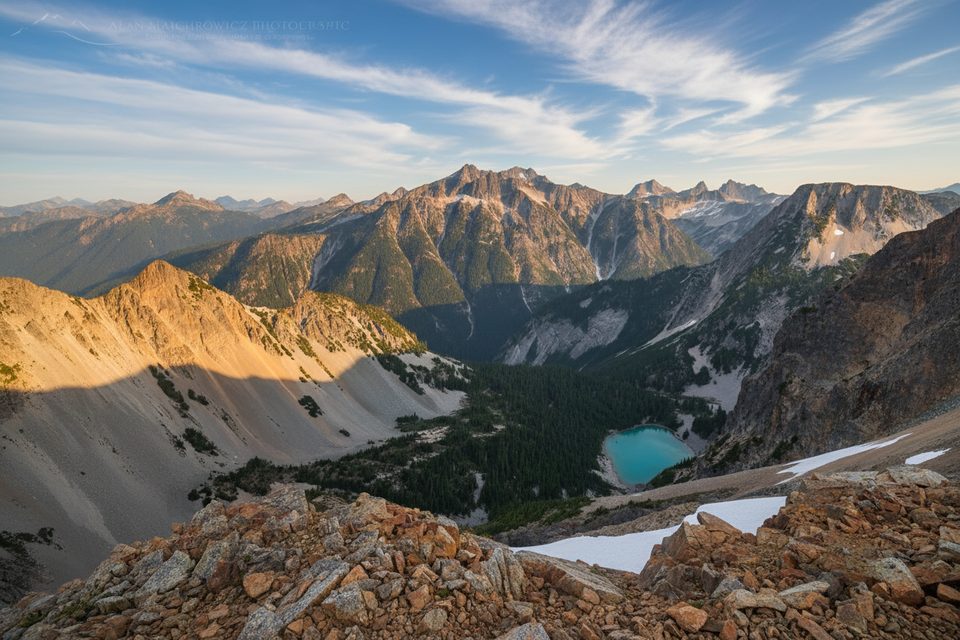
High above Whatcom Pass, Tapto Lakes spread across a heathered, subalpine basin dotted with tarns and “tree islands.” Expect sweeping views south to Mount Challenger and Whatcom Peak, with Red Face Mountain framing the scene. It’s remote, it’s wild, and it rewards the effort with classic North Cascades scenery.
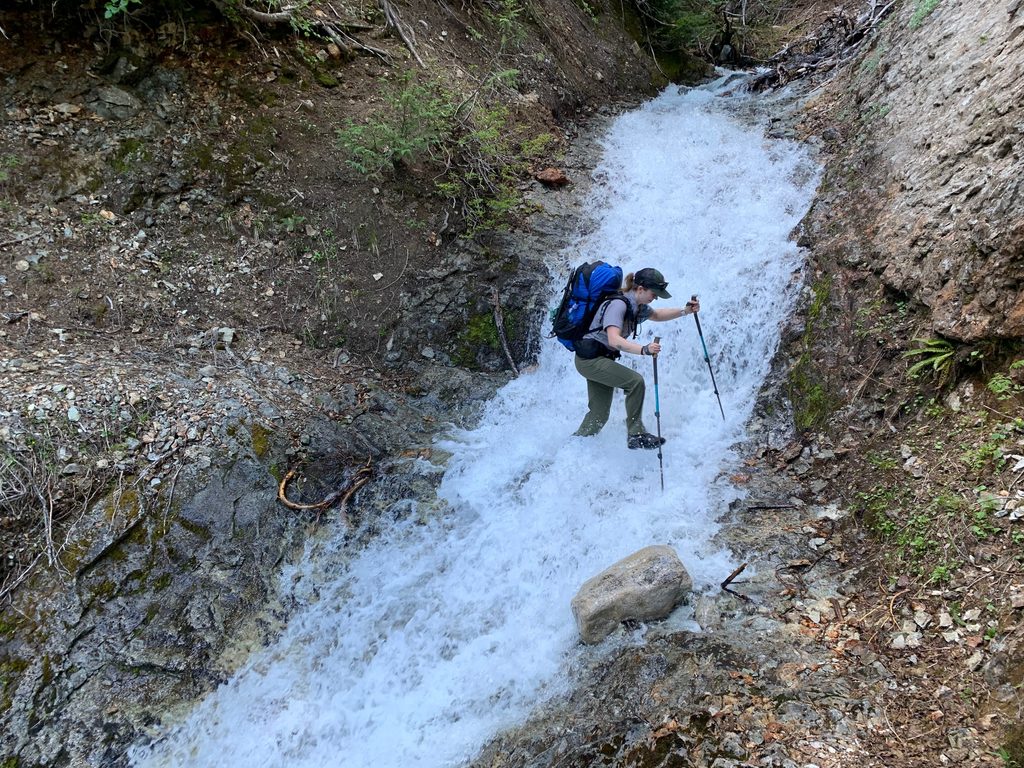
Most parties reach Tapto via Hannegan Pass, dropping into the Chilliwack valley, crossing the hand-powered cable car, climbing to Whatcom Pass, then tackling a final, steep user path about 800 feet up to the basin. The approach can be brushy with occasional washouts, and that last spur is steep and sometimes hands-on. Trail and fire-related closures have periodically affected the Brush Creek/Copper Ridge area, so verify current conditions before you commit dates.
Tapto sits in a backcountry setting with no toilets, bear boxes, or developed facilities—treat all water from the lakes and tarns and follow Leave No Trace. Backcountry permits are required for overnight trips in the park; the basin is managed as cross-country camping, so plan your itinerary accordingly and pick up your permit as instructed by the park. Designated camps lower on the route generally have more infrastructure, but don’t count on it at Tapto itself.
Black bears are commonly seen around Whatcom Pass and the Tapto basin. Make noise, give wildlife plenty of space, and store food properly. Keep your camp clean and be bear-aware from the valley to the high country.
If you’ve got extra energy, climb to the saddle on the ridge northwest of the basin near Red Face Mountain for a 10/10 panorama that takes in Jack Mountain, Shuksan, and distant summits to the north. About an hour beyond Tapto, the Middle Lakes make a scenic detour (one may hold lingering ice), but they lack good campsites.
This is a strenuous multi-day outing with big elevation swings and a steep, rooty spur above Whatcom Pass. The prime window is typically mid to late summer into early fall, with lingering snow possible early season. Dogs aren’t allowed on most of this route once you’re inside the national park. Reports also note mice activity at the Hannegan area trailhead, so keep cars and food sealed.
Place · 0.7 mi away
Place · 4.4 mi away
Place · 4.6 mi away
Place · 11.1 mi away
Challenging · 6.7 mi away
Challenging · 10.3 mi away
Challenging · 10.3 mi away
Challenging · 10.3 mi away

Parkwolf Tour Guide
