Copper Mountain Fire Lookout

Remote historic lookout with huge North Cascades views
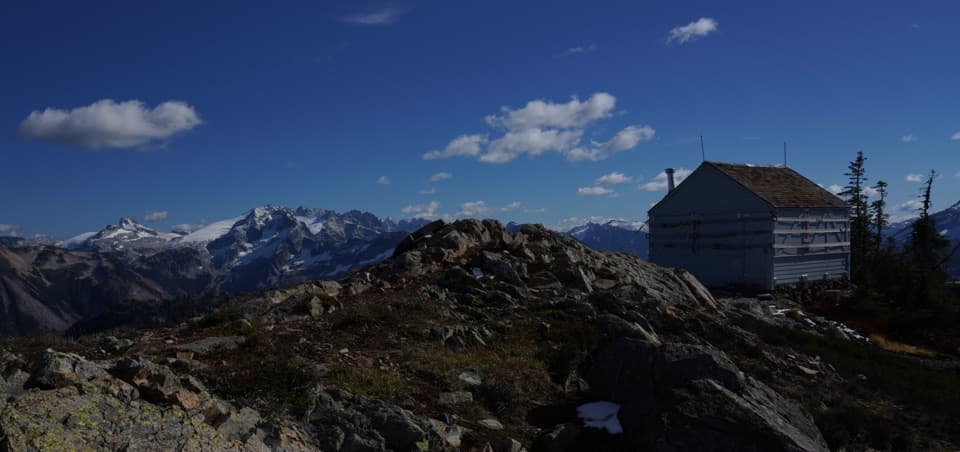
Copper Mountain Fire Lookout, North Cascades National Park
InsideNorth Cascades National Park

Overview

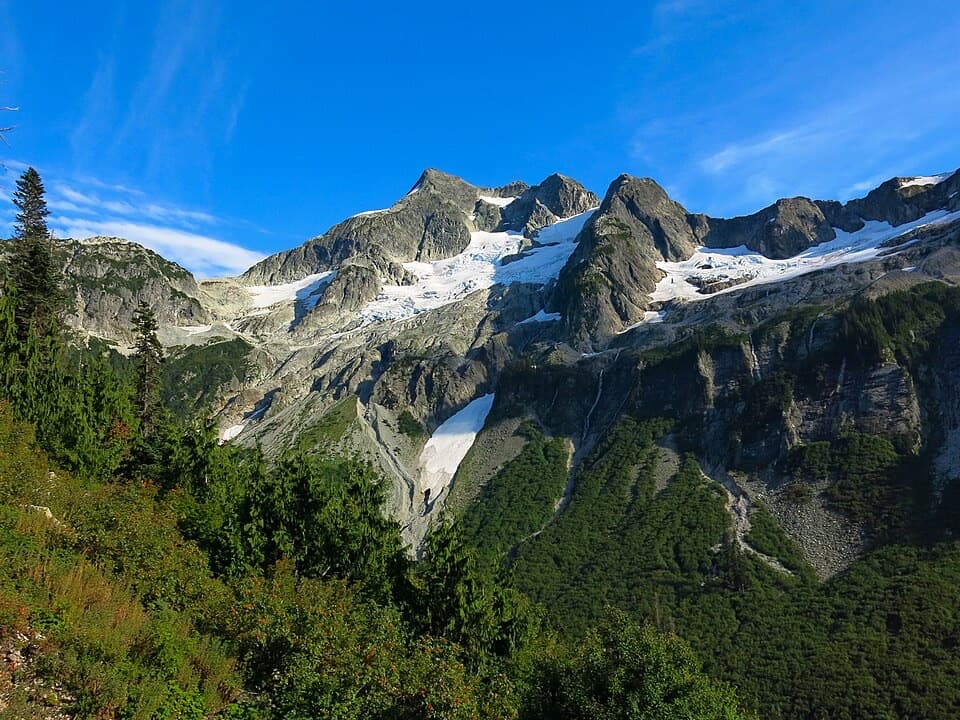
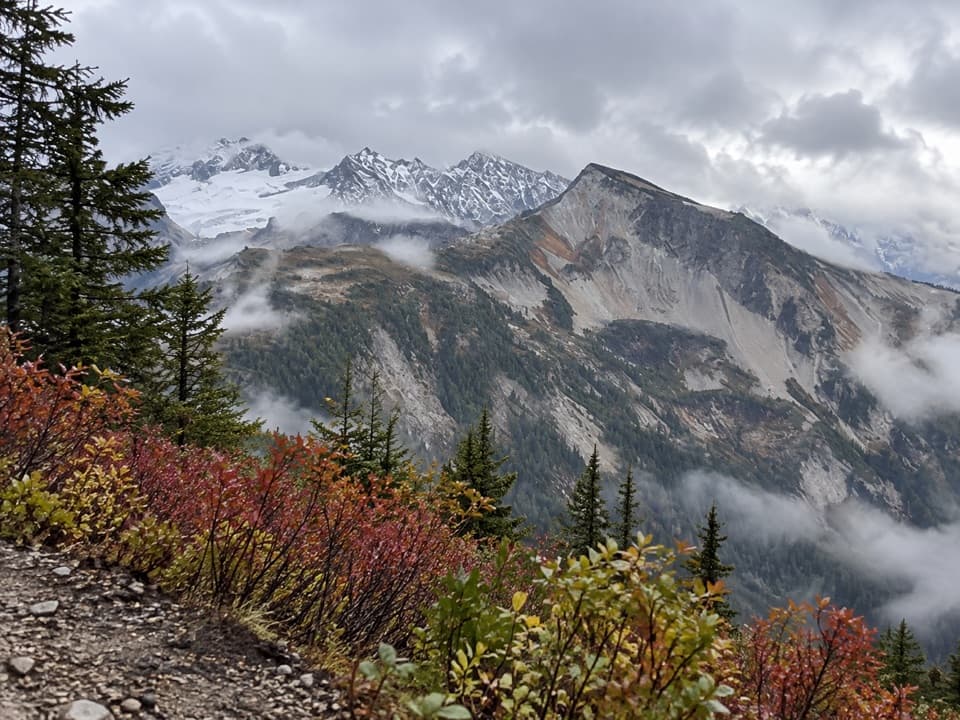
Perched at roughly 6,280 feet on Copper Ridge, this historic 1932 L-4 fire lookout delivers a sweeping, front-row panorama of the North Cascades—think Shuksan, Baker, the Pickets, and big, glaciated summits in every direction. It’s one of only three remaining lookouts in the park and is often staffed by wilderness rangers in summer, but the building itself is typically closed to the public unless a ranger invites you in.

Getting There

Most hikers reach the lookout from the Hannegan Pass Trailhead. You’ll climb to Hannegan Pass, descend to Boundary Camp at the park boundary, then follow Copper Ridge past Silesia and Egg Lake to the lookout. Expect about 20–21 miles round trip with 3,700–4,400 feet of cumulative gain thanks to the ridge’s ups and downs. Parking can be tight on summer weekends, and a federal recreation pass is required at the trailhead.

Camping and Permits

This is commonly done as a 1–2 night backpack. Overnight stays require a backcountry permit, and camping is only allowed at designated sites—Silesia, Egg Lake, and Copper Lake are the go-tos along the ridge. You’ll find simple composting/pit-style toilets and food storage lockers at designated camps. No camping at the lookout, and fires are not allowed at Copper Ridge camps (or at Boundary/Whatcom). If a ranger is staffing the lookout, entry is at their discretion.

Water, Terrain, and Safety

There’s no water on the crest or at the lookout. Plan to fill up at Egg Lake or Copper Lake; late summer is especially dry on the ridge. The route can hold steep snow into mid-summer—sections like the Hells Gorge traverse can be serious when firm—so early-season travelers should be comfortable with traction and an ice axe. In hot weather, the ridge bakes, so start early and carry more water than you think you need.

Wildlife

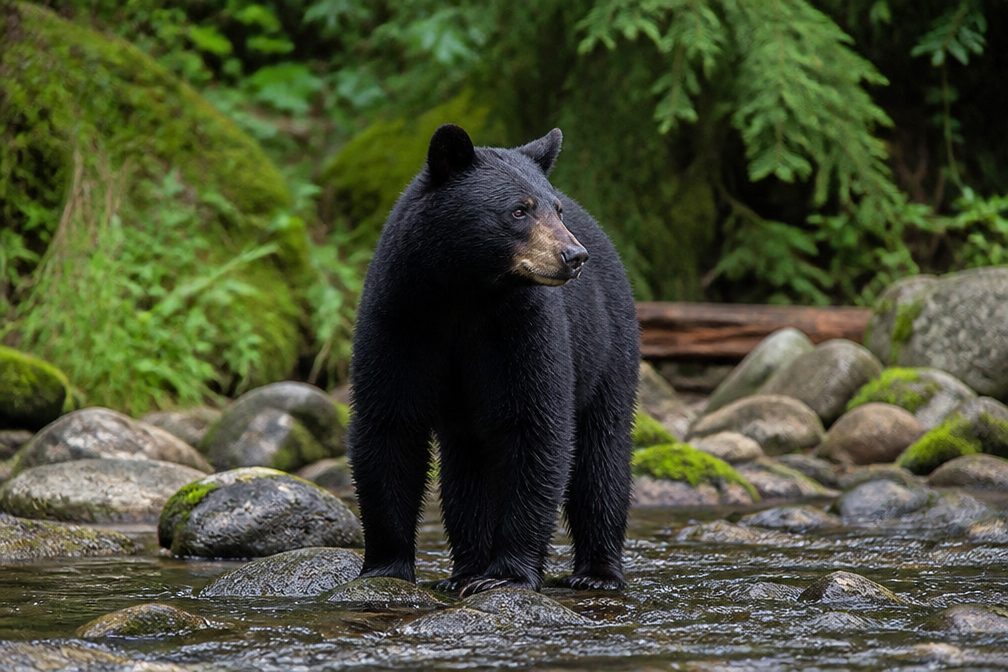
Black bears are frequently seen here, especially in late summer when berries ripen. Make noise, give them space, and use proper food storage at camp. Seeing a bear foraging on the slopes below the ridge is a real treat—just keep it a distant one.

History

Built in 1932, this gable-roofed L-4 once served as an Aircraft Warning Service post during WWII and was added to the National Historic Lookout Register in 1989. It’s a rare survivor and a living piece of backcountry history, still used by wilderness rangers in the high season.

Best Time to Visit

The window is short. Aim for late July through September (often into early October in a good year). Snow can linger into mid/late summer; check current conditions the week of your trip. For dayhikers, start pre-dawn to beat heat and secure parking. Photographers get the best light at golden hour—sunset is spectacular from the ridge, but plan your camp and water accordingly if you’re not hiking out in the dark.

Pros

  • Panoramic views of Shuksan, Baker, and the Pickets
  • Historic 1932 L-4 lookout, one of only three left in the park

Cons

  • Long, strenuous 20-mile round trip with significant elevation gain
  • No water or restrooms at the summit; entry usually closed

Tips

  • Start early for a day push or make it a 1–2 night backpack.
  • Pick up required backcountry permits in Glacier if camping on Copper Ridge.
  • Carry ample water and refill at Egg Lake or Copper Lake—none on the ridge.
  • Early season can require traction and an ice axe for steep snow traverses.
  • Expect black bears in late summer; store food properly and give them space.
The Parkwolf tour guide sitting on a phone mounted in a car

Parkwolf Tour Guide

Like a tour guide in your car.

Save the places you found around North Cascades, then let Parkwolf guide the drive between them.Download Parkwolf on the App Store