
Place · 5.5 mi away
Challenging
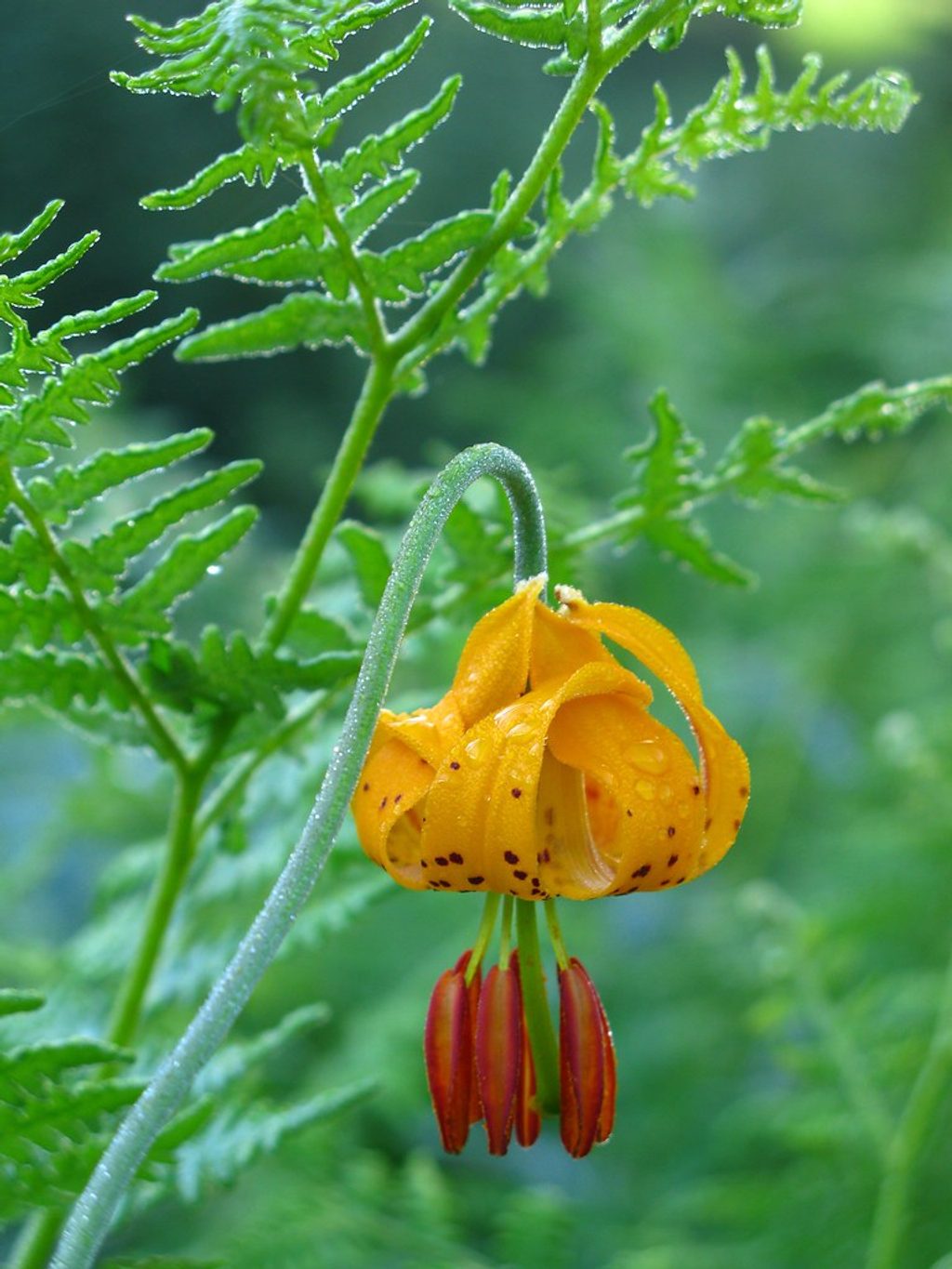
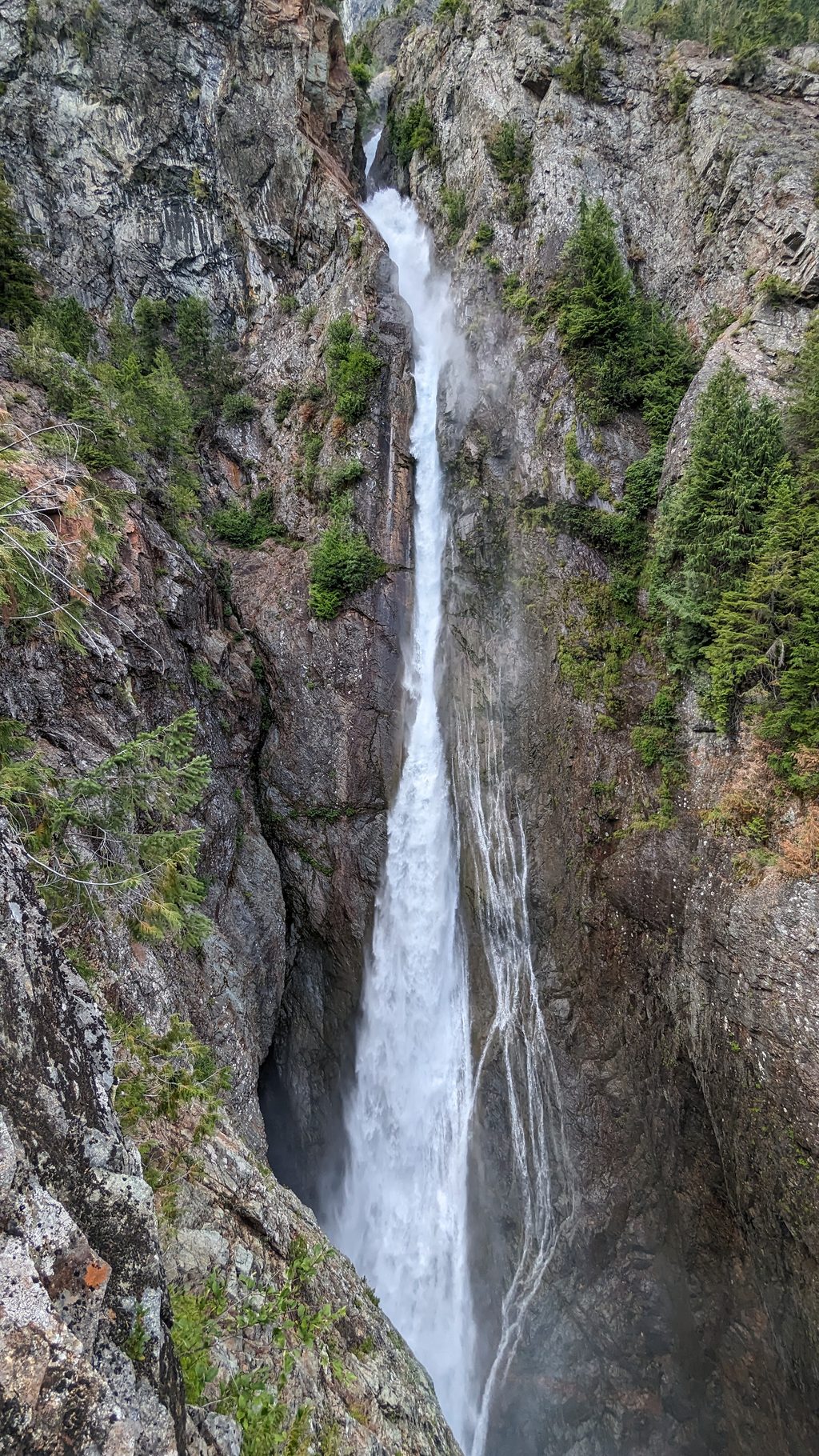
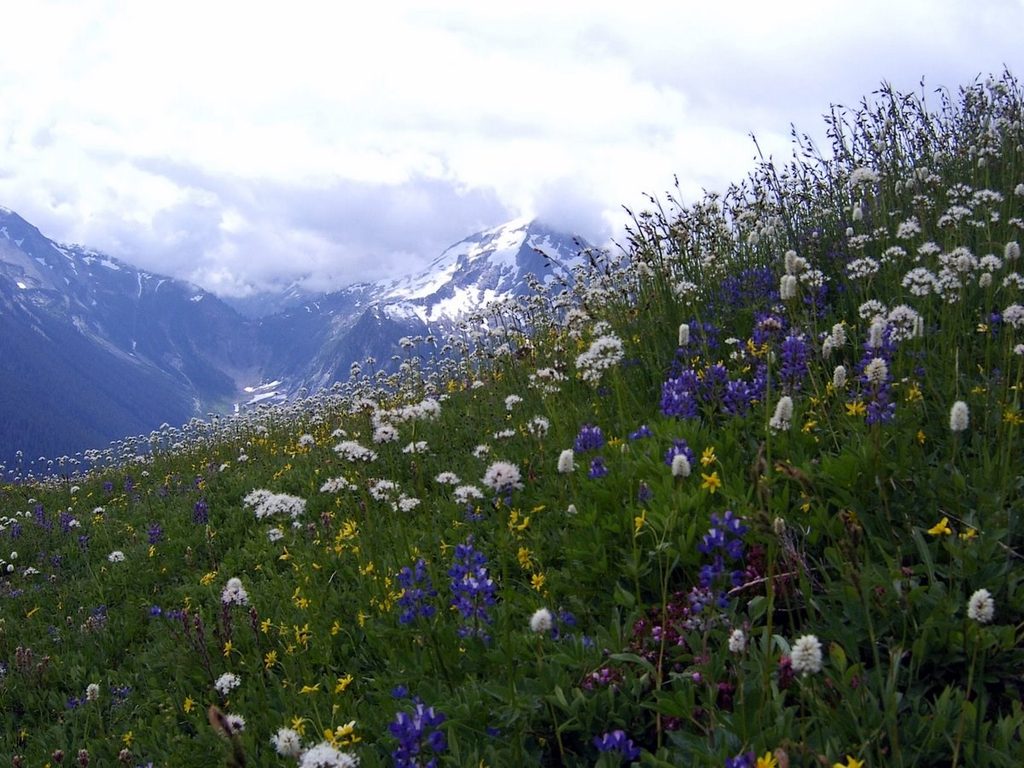
This classic North Cascades approach starts along Ruth Creek and climbs steadily to Hannegan Pass, opening the door to big country and bigger itineraries. Expect a gentle first couple miles with shady forest, small waterfalls, and views of Mount Sefrit and Nooksack Ridge, then steeper switchbacks to the pass. Wildflowers can be excellent—look for glacier lilies and pink mountain heather around early July—and the views only improve as you gain elevation.
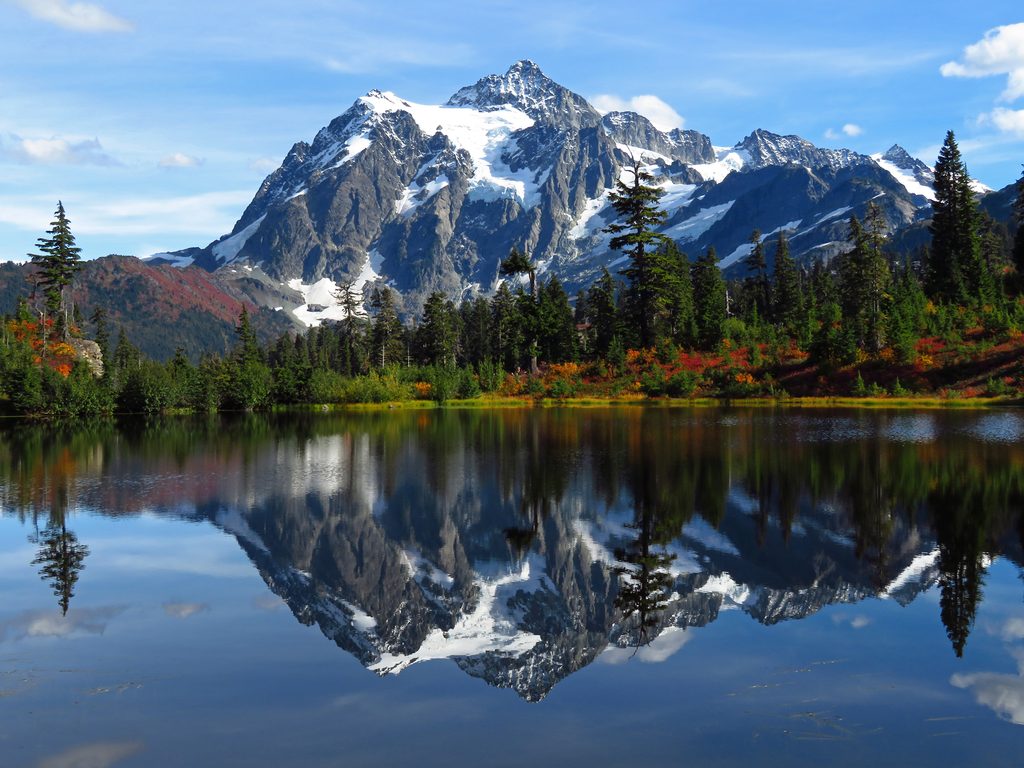
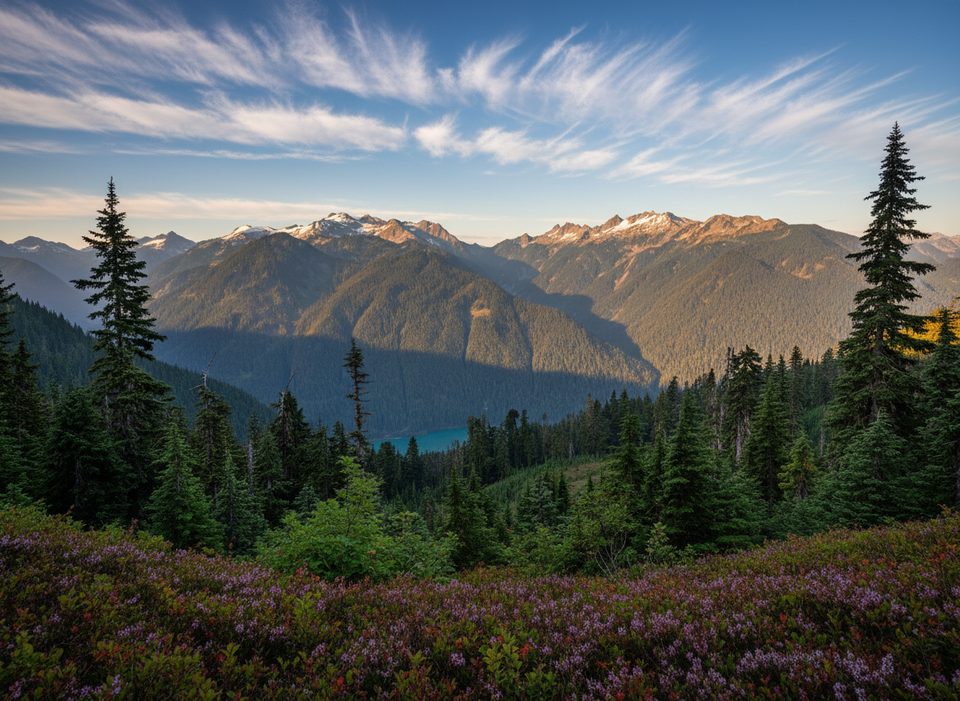
Most hikers treat the pass as the goal, but the real payoff sits just above: from Hannegan Pass, a steep 1.1-mile spur adds about 1,000 feet to reach Hannegan Peak (6,191 feet) with 360-degree vistas. On a clear day you’ll spot Mount Baker, Ruth Mountain, Mount Shuksan, the East Nooksack Glacier, Nooksack Tower, Goat Mountain, the High Divide, Nooksack Ridge, Copper Ridge to the east, and even peaks in British Columbia.
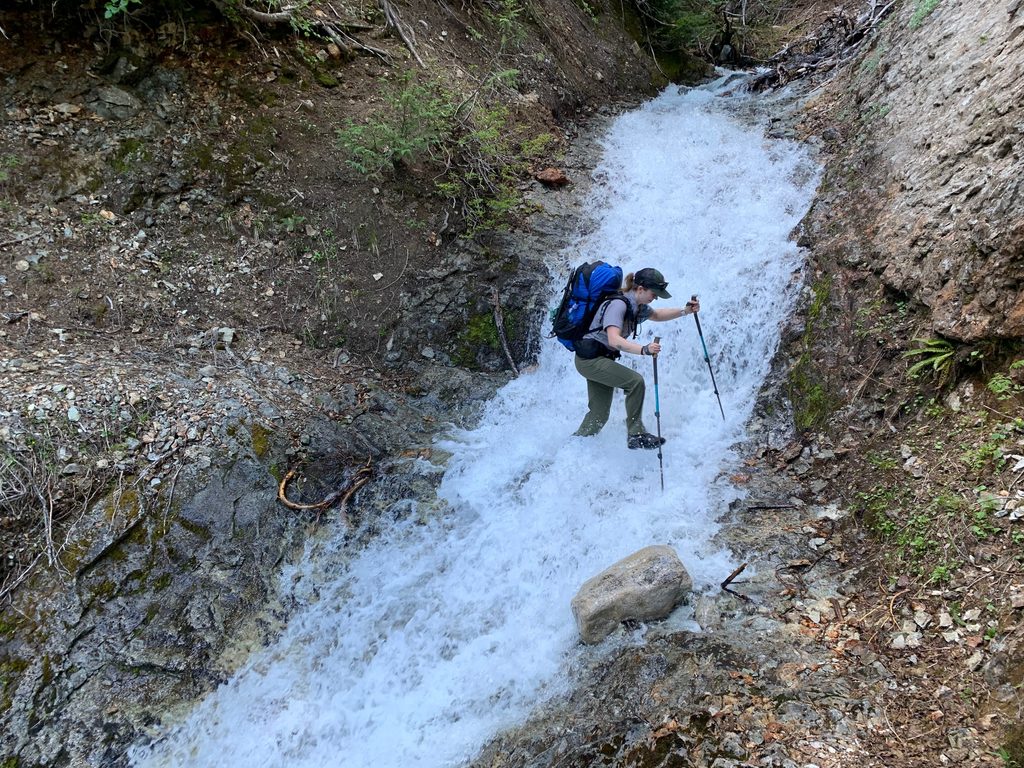
Snow often lingers into early–mid summer, especially around Hannegan Camp and on the peak spur; trekking poles help. The trail crosses avalanche paths—treat lingering snow with caution. Stream crossings are typically manageable but tend to swell in the afternoon; top off earlier in the day. Biting flies can be intense in the lower forest in mid-summer—headnets and your preferred repellent make a big difference.
You’re walking through a landscape sculpted by Pleistocene glaciation—think U‑shaped valleys and steep, incised ridgelines. Above the pass, Hannegan Peak’s eroded southeast face preserves remnants of the Hannegan caldera, an eruptive center from about four million years ago that predates Mount Baker’s volcanism. Keep that in mind when you’re soaking in the summit views: these peaks are the products of deep time.
Trailhead parking sits at the end of Hannegan Pass Road (FS 32). It fills fast on sunny summer weekends. A Northwest Forest Pass is required to park. Camping spots are commonly used at/near Hannegan Camp and around the pass area early season (expect lingering snow). If you continue into North Cascades National Park for any overnight, a park backcountry permit is required year‑round. Dogs are not allowed inside the national park; if hiking with a dog, plan to turn around before the boundary beyond the pass.
June through October is the sweet spot. Early season can mean patchy snow and cooler temps; mid-summer brings peak wildflowers—and bugs. Start early for cooler travel, easier water crossings, and a parking spot. Weekdays are notably quieter than weekends.
If you want one trail that scales to your ambitions—family pass day, summit push, or a gateway to multi-day routes—this one delivers. If you’re allergic to bugs or steep finishers, the peak spur may test your patience. For a comparable big-view day within the same region, many hikers also look to Copper Ridge—but use current conditions; sections beyond the pass can be brushy or affected by fire and closures.
Trailhead lot at the end of Hannegan Pass Road (FS 32); arrives early on summer weekends. A Northwest Forest Pass is required for parking.
Lingering snow and avalanche paths into early–mid summer; stream crossings swell in afternoons; dogs are not allowed beyond the park boundary; biting flies can be intense.
Place · 5.5 mi away
Place · 5.9 mi away
Place · 6.6 mi away
Place · 7.5 mi away
Challenging · 0 mi away
Challenging · 0 mi away
Challenging · 10 mi away
Moderate · 11.2 mi away

Parkwolf Tour Guide
