
Place · 0.2 mi away
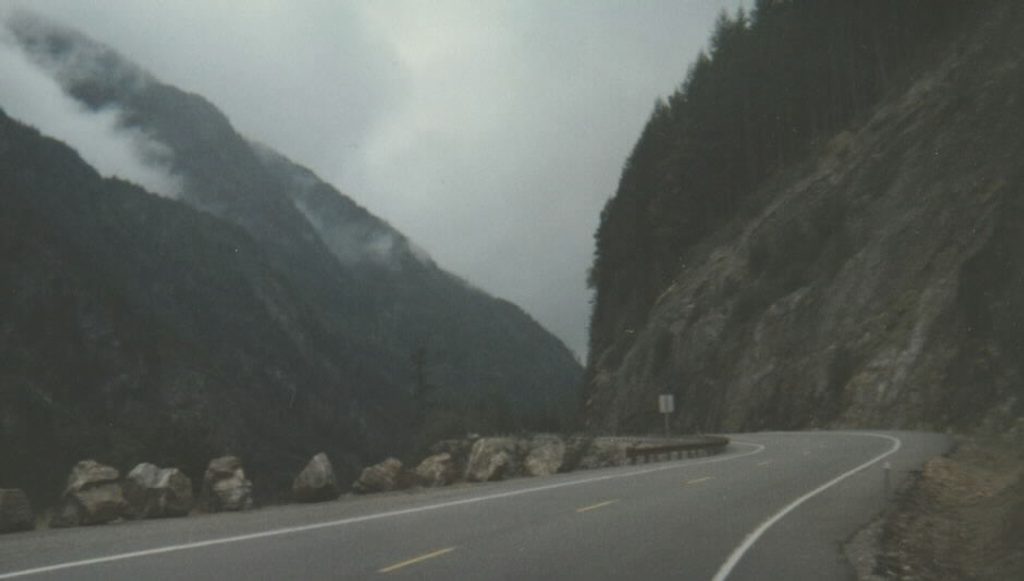
Rainy Pass is a high point on Highway 20 that functions as a hub for some of the North Cascades’ marquee day hikes and Pacific Crest Trail access. Two adjacent areas serve different adventures: the north-side lot links straight into the PCT, while the south-side picnic area is the jumping-off point for Rainy Lake, Lake Ann, and the Heather–Maple Pass Loop. Expect vault toilets, picnic tables, and trailhead kiosks—but no services or water.
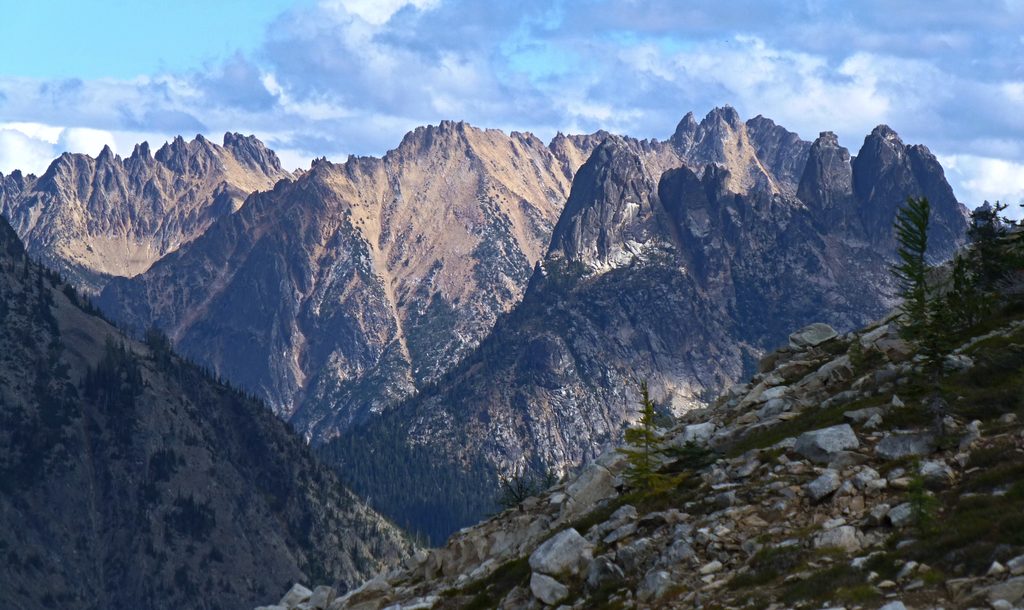
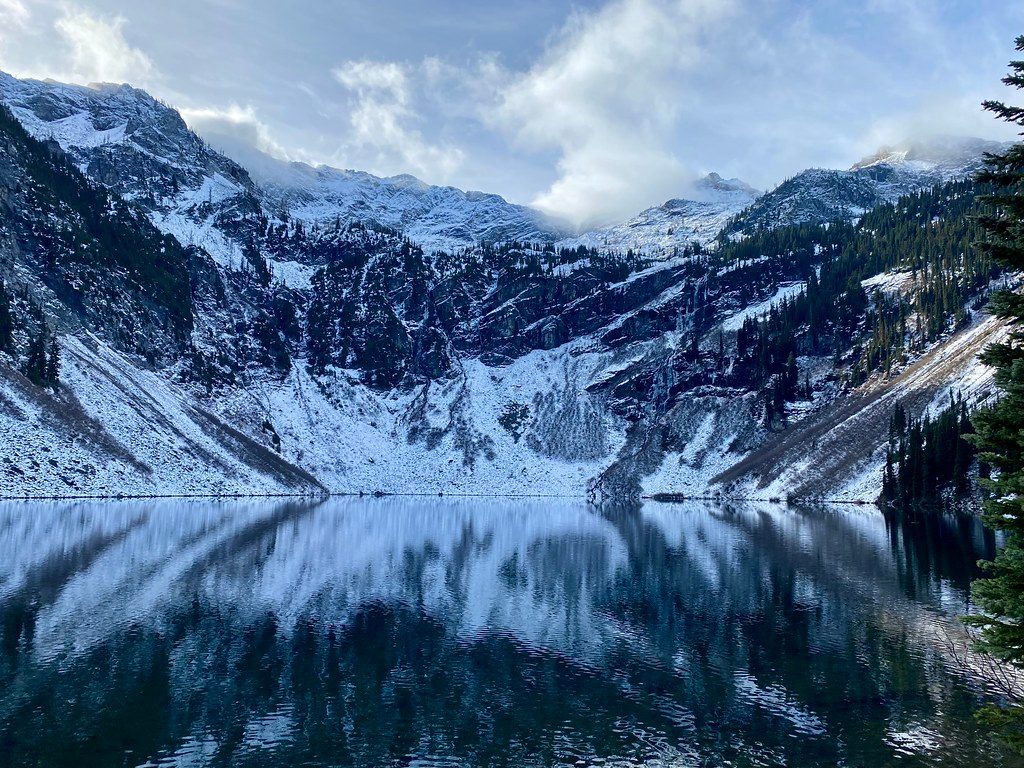
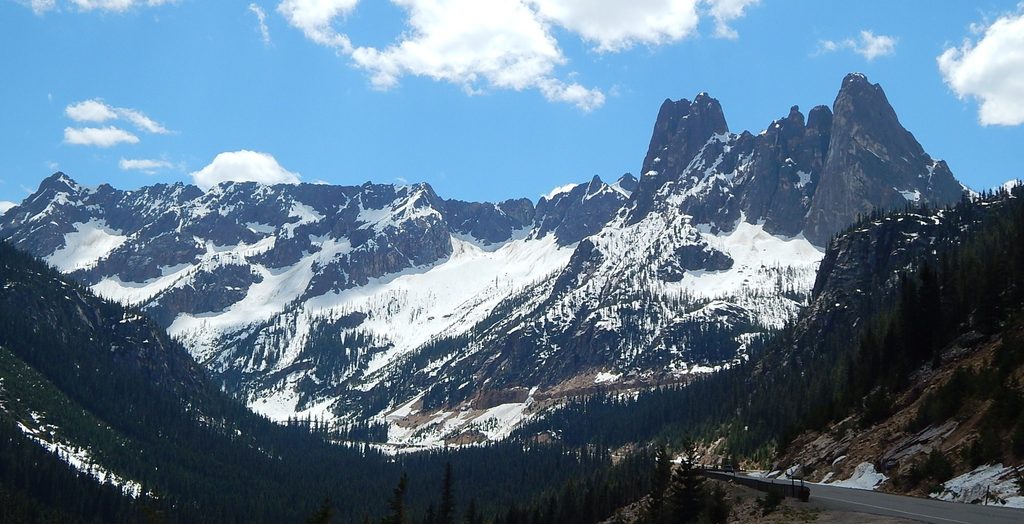
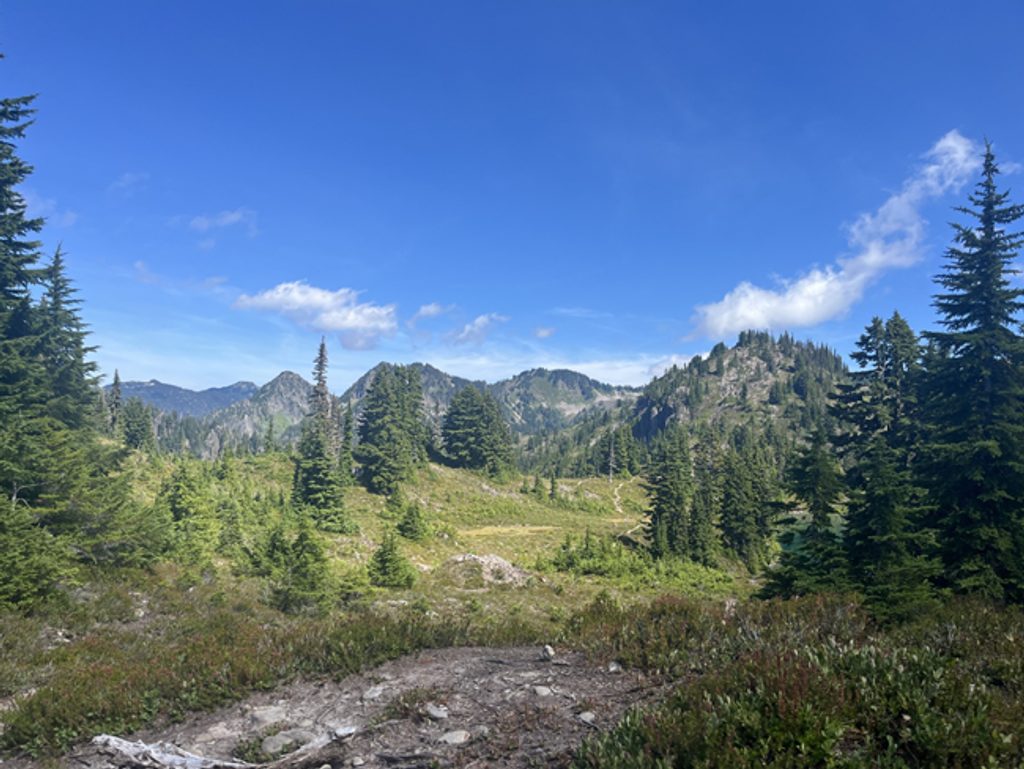
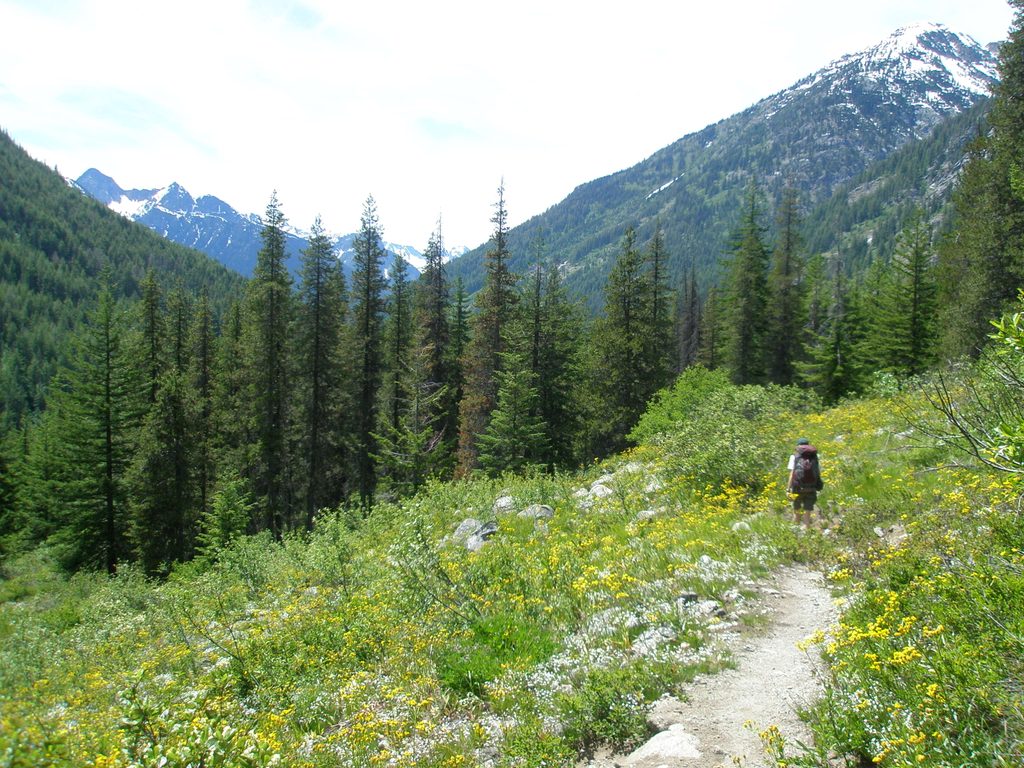
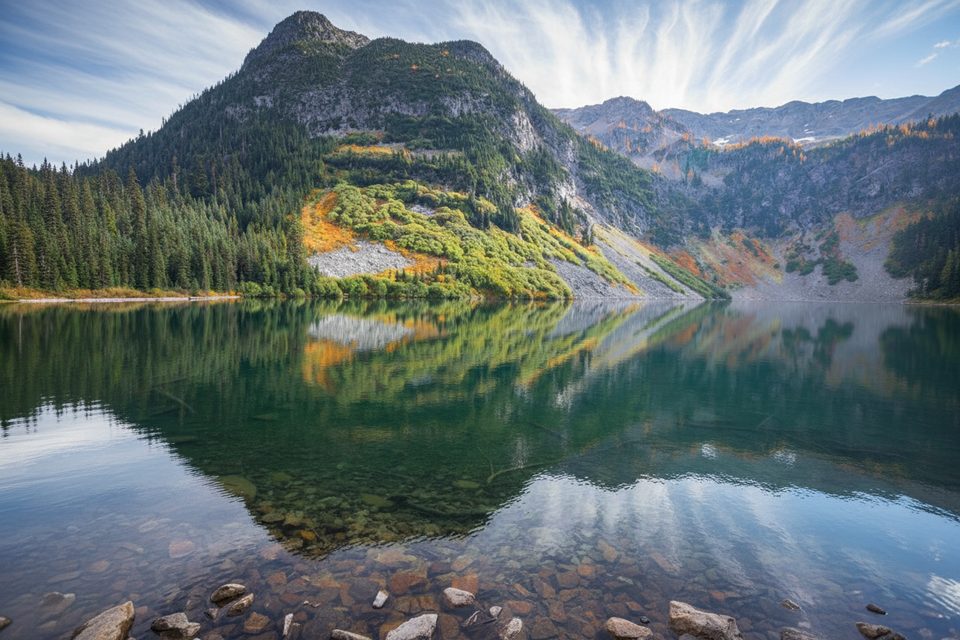
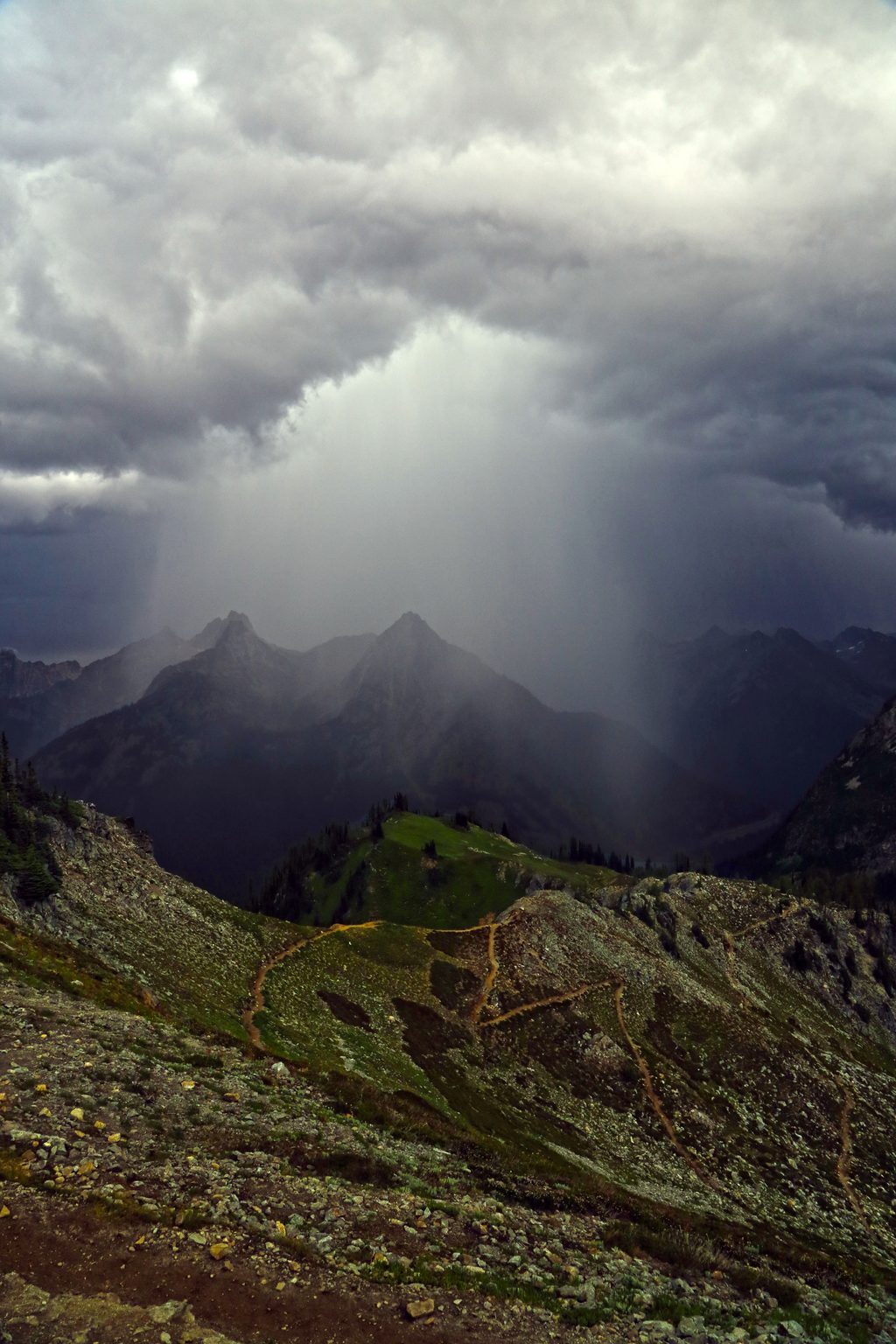
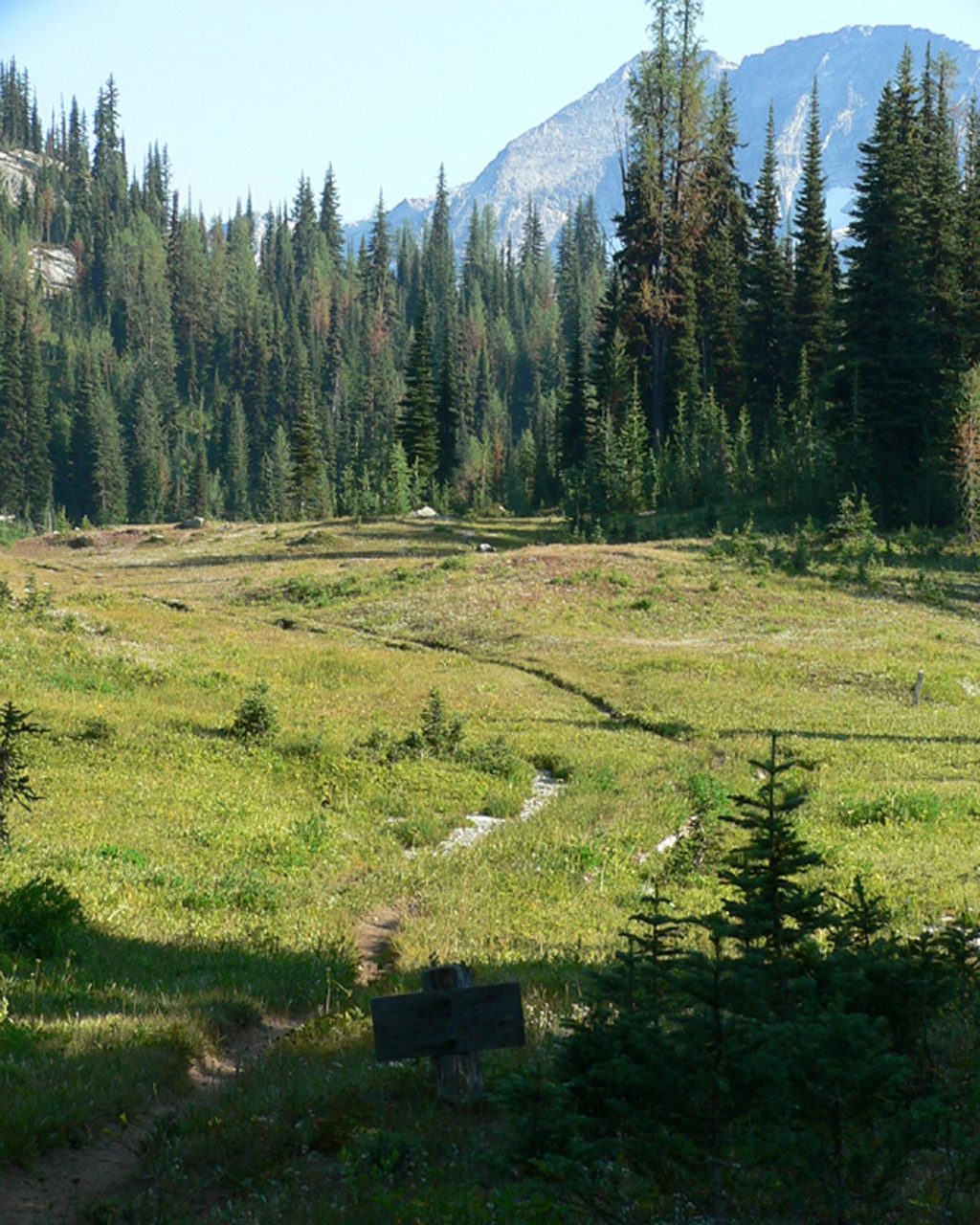
From one stop, you can sample everything the range is famous for: U-shaped glacial basins at Rainy Lake, big alpine views on the Maple–Heather Pass ridgeline, and classic forest-and-meadow wandering on the PCT. In late September and early October, subalpine larches light up the hillsides—spectacular, and accordingly crowded.
You’ll find two separate lots: a gravel/dirt lot on the north side for the PCT and a paved lot with a shaded picnic area on the south side for Rainy Lake and Maple–Heather Pass. Both have vault toilets. Bring your own water; no potable filling stations are listed. A recreation pass is required for parking—plan for the $5/vehicle/day option via self-pay at the trailhead, or use an applicable interagency/forest pass.
Highway 20 typically closes in winter due to deep snow and avalanche danger, with lingering snow on trails into early summer. Prime hiking runs July–October. July can still hold snow on higher switchbacks; late September to early October is peak larch season and the busiest period. Expect rapidly changing mountain weather and come prepared with layers and rain protection.
This is big-carnivore country with wide-ranging species on the landscape. Give all wildlife ample space, store food properly, and practice bear-smart travel. Agencies have moved forward with plans to restore grizzly bears to the ecosystem, so carrying bear spray and knowing how to use it is prudent.
A recreation pass is required to park at the trailheads; self-pay is available on site for day use.
Place · 0.2 mi away
Place · 1.2 mi away
Place · 3.7 mi away
Place · 5.5 mi away
Challenging · 0.1 mi away
Easy · 0.2 mi away
Challenging · 0.2 mi away
Challenging · 1.2 mi away

Parkwolf Tour Guide
