
Place · 3.9 mi away
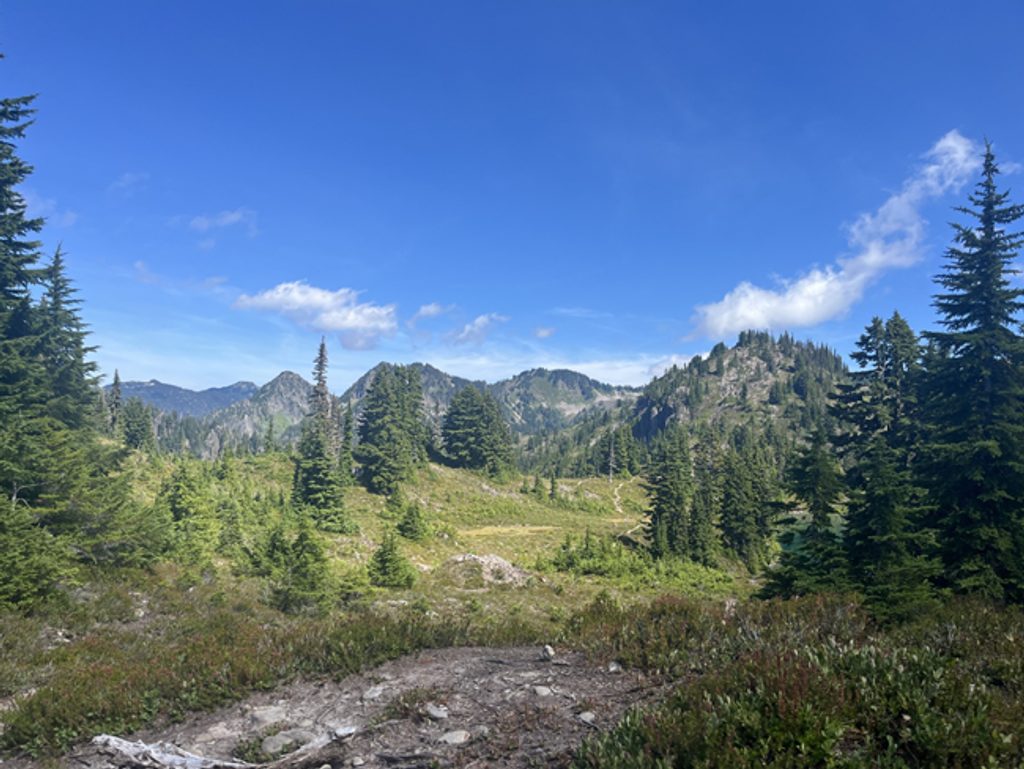
Twisp Pass is a broad, high saddle that feels like a secret back door into wilder country. The east-side approach starts mellow, then climbs through old road grades, granite slabs, and stunted hemlocks to a 6,000‑foot pass. It’s classic Methow-to-Cascades terrain with real solitude and a choose-your-own-adventure feel once you crest the ridge.
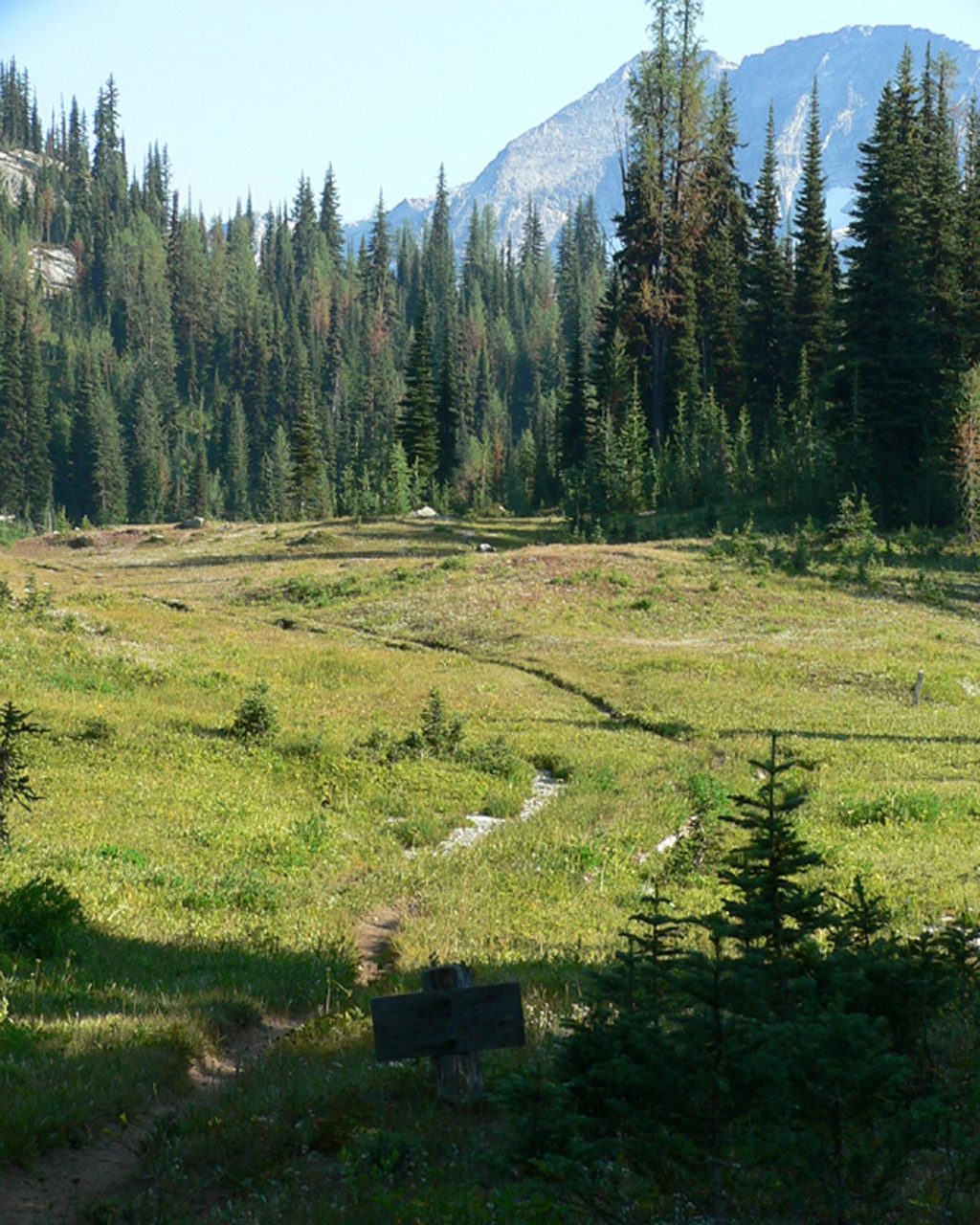
Expect a steady, view-filled ascent with the river far below and big peaks framing the valley. You’ll cross the North Fork of the Twisp River on a sturdy log bridge (use care in peak runoff), wrap around Lincoln Butte, and pass dry, domed rock camps above the South Fork. At the pass itself the trees still fringe the horizon, but a short wander onto nearby rocky outcrops unlocks wide views toward Twisp Mountain, Crescent Mountain, and the forested basins beyond.
This is mostly moderate, consistent grade—old mining road turned trail—with sections through an old burn. Lower miles can be brushy; after rain or morning dew, that means wet legs. Water is usually easy to find along the way: a large creek mid-route plus small seeps higher up. In late spring, expect lingering snow near and above ~5,500 feet.
Late summer brings ripe huckleberries and other trailside treats; fall often lights up the aspen and hillsides with color. Black bears are active in late summer—store food properly and give wildlife space. In midsummer, mosquitoes can be relentless around lakes like Dagger.
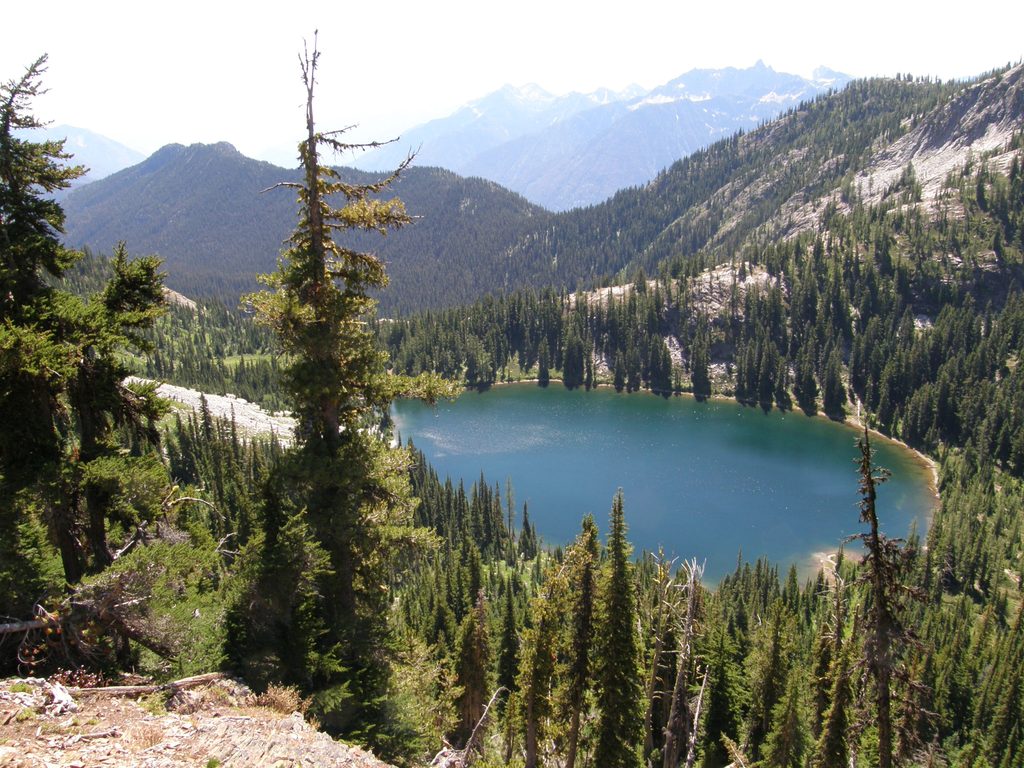
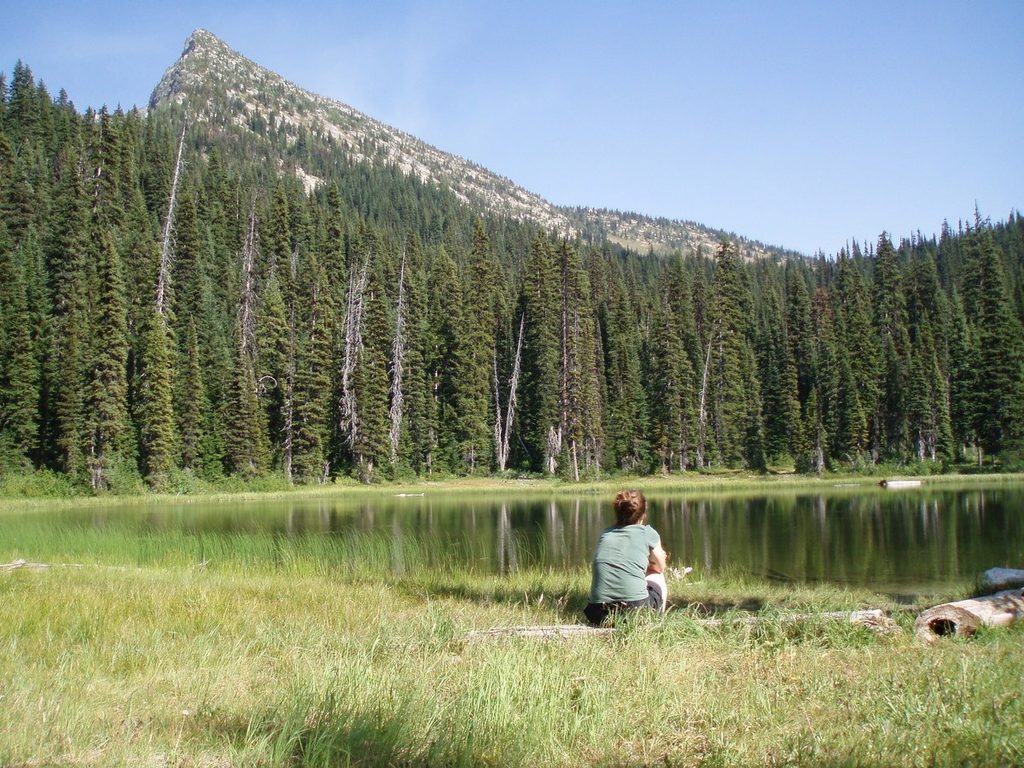
Most hikers approach from Twisp River Road for a roughly 9‑mile, ~2,400–2,460‑foot day. From the pass, it’s a straightforward continuation west into the park to shallow, pretty Dagger Lake; stronger parties can explore ridge rambles or cross‑country toward Stiletto Lake. There’s also a longer west‑side approach via the PCT/Bridge Creek corridor, typically used for backpacking.
Crossing into the national park just beyond the pass means no pets and no hunting. Overnight stays at Dagger Lake require a backcountry permit, with limited sites; cross‑country camping is allowed at Stiletto Lake (no campfires; stock prohibited there). A federal recreation pass (e.g., Northwest Forest Pass) is required at the USFS trailheads.
There’s a clean vault toilet at the Twisp River trailhead. Bring trekking poles for the log bridge and the rocky upper sections. Those dry rock camps are scenic but lack water—fill up before you climb. The road to the east‑side trailhead is typically in good condition. Expect park‑wide fire restrictions in dry seasons.
Late summer into fall is ideal: fewer snow issues, ripe berries, and great color. Mosquitoes peak mid‑summer, especially around lakes. On the west side (PCT/Bridge Creek), arrive early and favor weekdays to sidestep parking pressure and thru‑hiker waves. The east‑side approach is usually quieter.
Place · 3.9 mi away
Place · 4.9 mi away
Place · 5.4 mi away
Place · 5.5 mi away
Easy · 4.1 mi away
Challenging · 4.3 mi away
Challenging · 4.3 mi away
Challenging · 4.3 mi away

Parkwolf Tour Guide
