
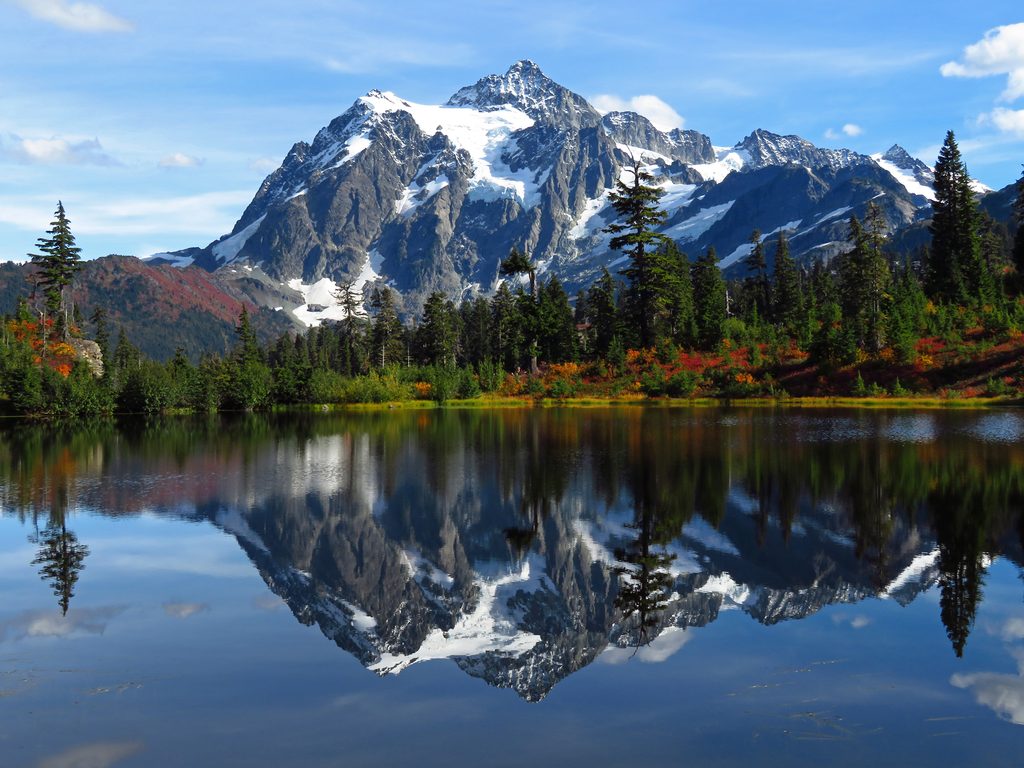
Place · 2.3 mi away
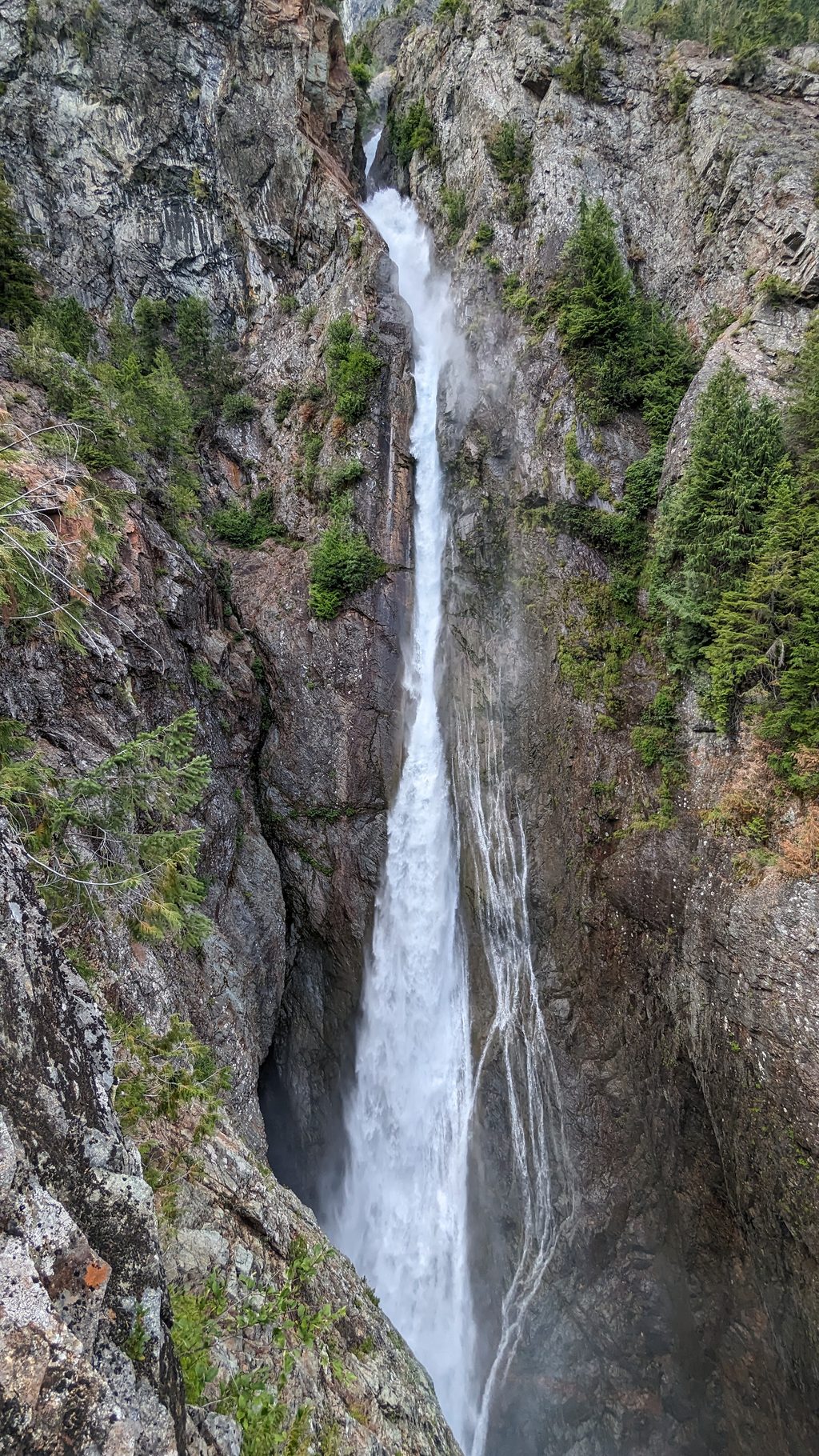
Sulphide Creek Falls is a massive, tiered cascade dropping out of Sulphide Lake into a narrow, twisting canyon. It’s often cited among the tallest waterfalls in North America, but here’s the catch: it hides in steep terrain and is notoriously difficult to see up close. For most visitors, the experience is about exploring the Baker River corridor to the confluence with Sulphide Creek and soaking up the deep-forest feel rather than bagging a classic waterfall view.
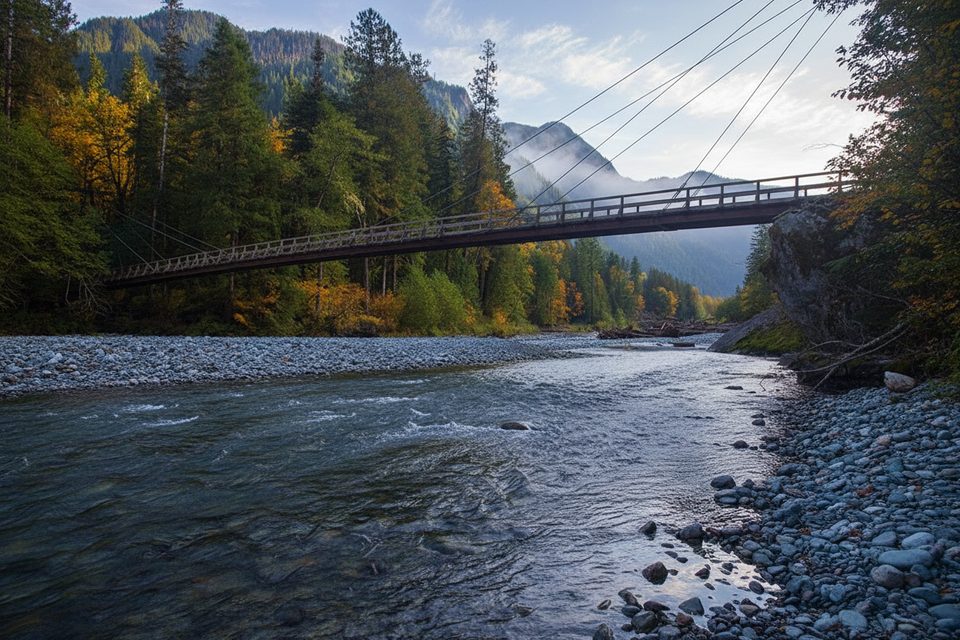
Start on the Baker River Trail at the north end of Baker Lake. The first stretch shares a path with the East Bank Baker Lake route; you’ll pass a suspension bridge but stay left to remain on the Baker River Trail. You’ll enter the national park after roughly a mile, and the maintained trail continues for about another mile to Sulphide Camp at the confluence. Expect gentle grades, big trees, and river glimpses. Stream crossings can be wet or sketchy during high runoff, and the river has nibbled away at banks in spots.
Think quiet old-growth, moss, and the constant voice of the river. Wildlife sightings are possible on calm days. At the confluence, you can poke around gravel bars and side channels to peer into the Sulphide Creek drainage—just don’t expect a postcard view of the big falls from the trail.
There’s no maintained trail to the base of Sulphide Creek Falls. Reaching closer views requires off-trail travel up the creek—roughly a couple of miles of bouldery riverbed, heavy brush, and potentially dangerous fords. The main channel is often too deep and fast to cross, and the final stretch is notorious for thick avalanche brush. This is serious terrain where turnaround decisions are common and prudent.
Sulphide Creek Camp sits at the trail’s end near the confluence. It’s primitive and secluded (no bear boxes), so plan to hang your food and keep a clean camp. Backcountry permits are required year-round for any overnight in the park, and overnighting at park trailheads is not allowed. Treat all water before drinking.
Late summer typically brings lower, clearer water—better for safe poking around gravel bars near the confluence. Weekdays are quieter. Aim for early or late light under the trees for moodier photos. In fire season, expect potential restrictions and some regional haze. If water is high, don’t push stream crossings—turn around and enjoy the forest walk instead.
Conditions change fast: undercut banks, slick logs, and shifting channels are normal here. Check current road and trail updates before you go. Store all scented items carefully—black bears are active when berries ripen. Pets are not allowed inside the national park; if you brought a dog, turn around at the boundary.
Place · 2.3 mi away
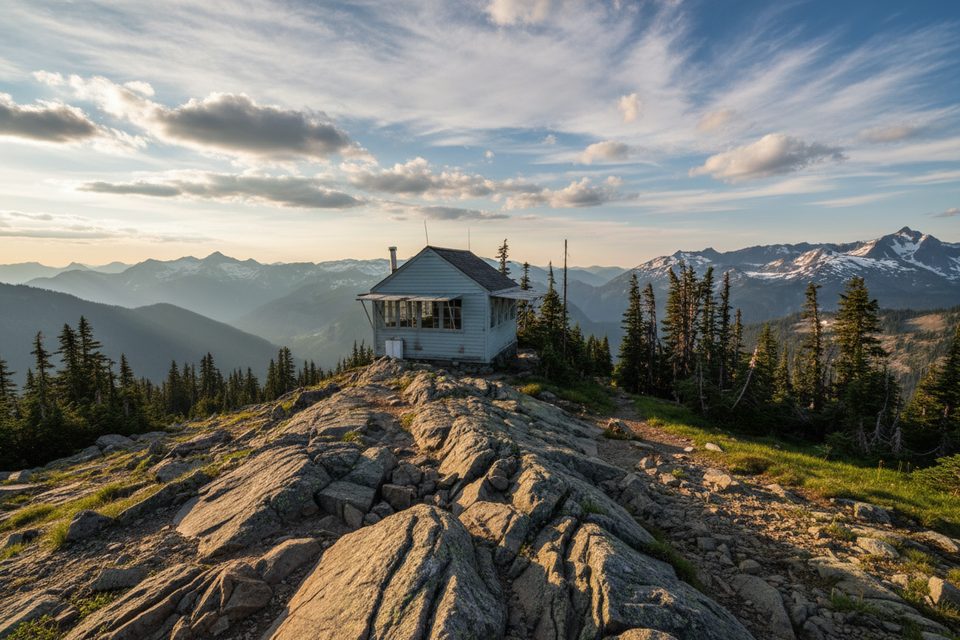
Place · 9.1 mi away
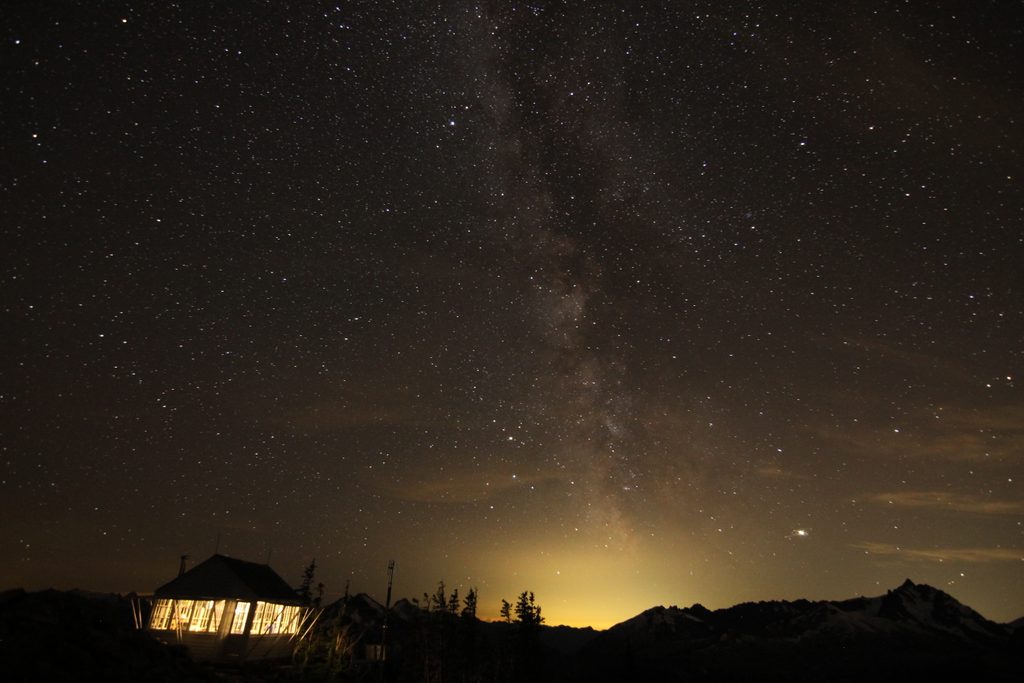
Place · 10.2 mi away
Place · 11 mi away
Challenging · 3 mi away
Moderate · 3.7 mi away
Challenging · 7.5 mi away
Challenging · 7.5 mi away

Parkwolf Tour Guide
