
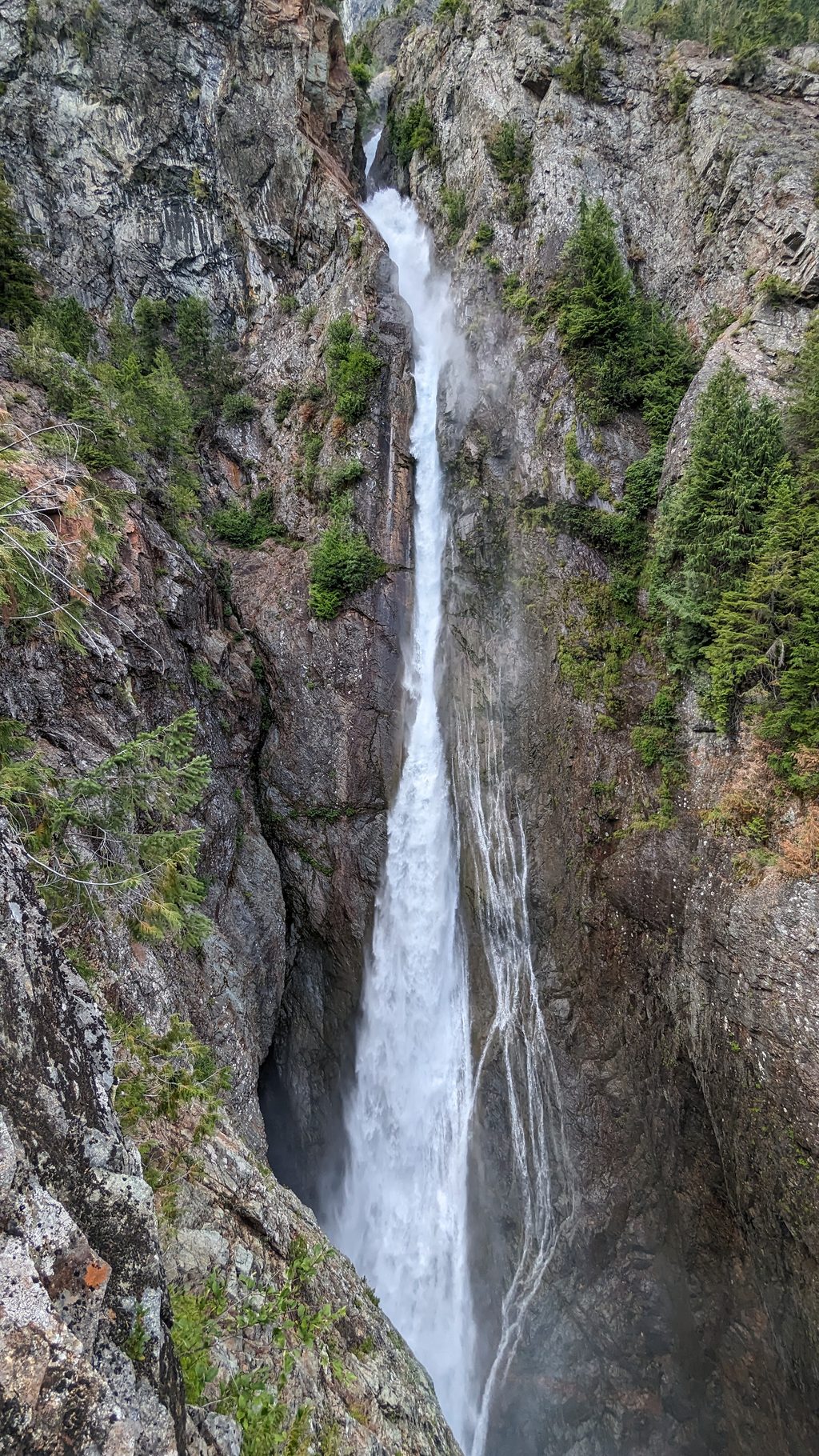
Place · 3.7 mi away
Moderate
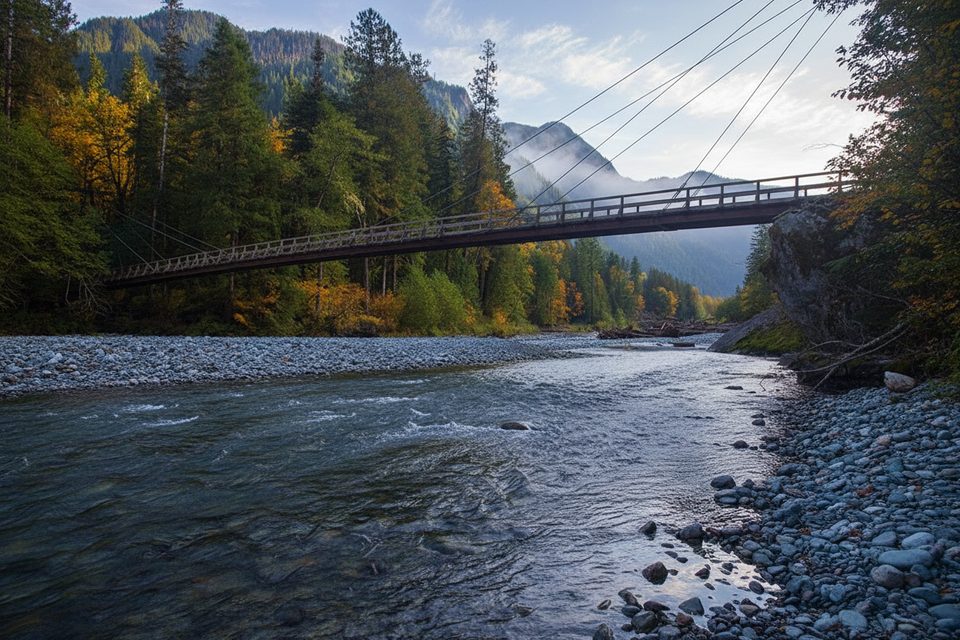
A low-elevation classic at the head of Baker Lake, the Baker River Trail is an easy-to-moderate 5.0–5.2 miles round-trip with about 300–350 feet of total gain. It’s an out-and-back stroll that trades big alpine vistas for an immersive old-growth rainforest vibe: giant cedars, moss-glazed boulders, and the clear blue-green Baker River keeping you company. Most hikers take 2–3 hours; steady walkers can do it closer to 2.
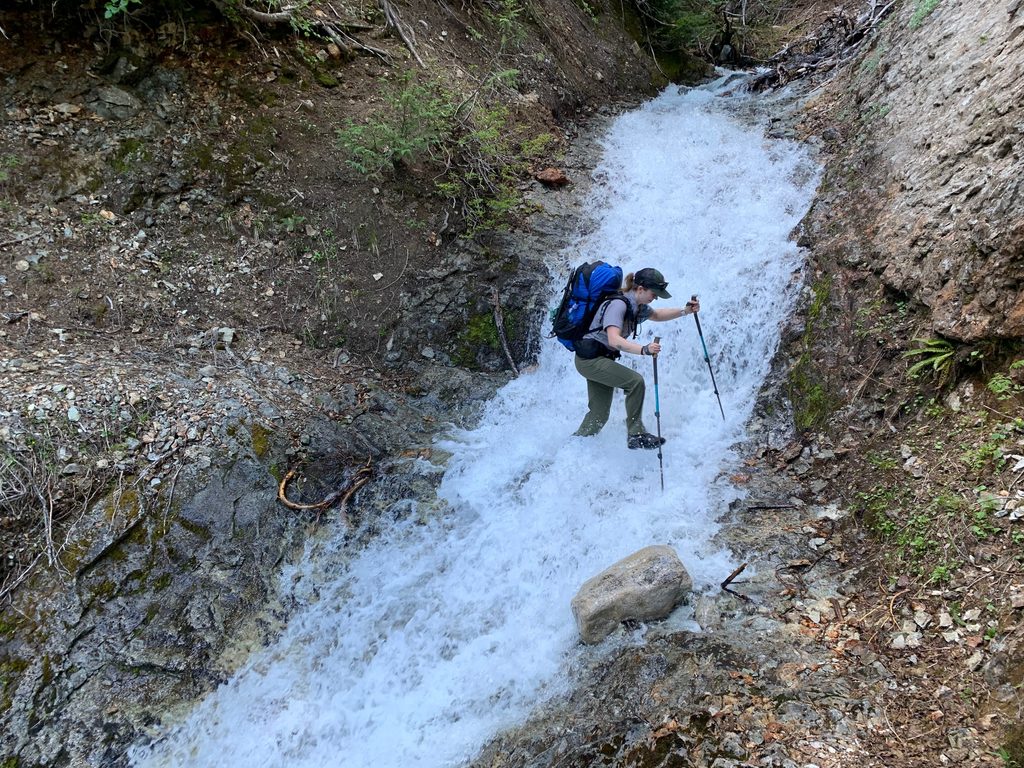
From the trailhead, the first 0.5–0.6 mile is wide, flat, and fully accessible to a large suspension bridge—worth a quick detour for views. Don’t cross the bridge if your goal is the Baker River Trail; continue on the same (near) side of the river. Past here, expect gentle rollers over rooty/rocky tread through towering cedars and house-sized boulders. About a mile in, you hit the day’s crux: Lake Creek. The old footbridge is gone, so crossing is via logs or a ford. In snowmelt or after heavy rain, this can be deep, fast, and flat-out unsafe—turn around if it’s beyond your comfort level.
Beyond Lake Creek, the trail leaves the river for a bit, passes a beaver-made pond (mosquito HQ in warmer months), crosses into North Cascades National Park (no dogs beyond this point), and ends at Sulphide Camp where Sulphide Creek meets the Baker River. It’s a peaceful lunch spot; on clear days you might even catch a peek of Mount Shuksan.
This one is generally accessible most of the year thanks to its low elevation. Expect wet tread, slick roots, and muddy spots after rain; trekking poles and waterproof footwear make it more pleasant. The Lake Creek crossing is the variable that can make or break your day—flows and log configurations change with the season. In late spring and summer, that beaver pond zone can be buggy; repellent helps.
You’re walking a river valley shaped by ice and water. Watch for water-smoothed greenish bedrock near the bridge (a metamorphic mix often called Shuksan greenschist), braided river channels with gravel bars and driftwood stacks, and high cut banks near Lake Creek that hint at shifting sediments over time. Under the canopy, look for “double-trunk” bases on ancient cedars, carpets of moss, and berries (huckleberries and salmonberries) that draw wildlife—including black bears. Give wildlife space and keep food secured.
Park at the end of Baker Lake Highway (FS 11) at the road’s end; the final miles are gravel and can be rough—reports often say it’s not sedan-friendly. A Northwest Forest Pass is typically required at the trailhead—check posted signs. Sulphide Camp lies inside North Cascades National Park; a park backcountry permit is required to camp there, and campfires are banned within the park. Dogs are allowed on the national forest portion only; they’re not permitted once you cross into the park boundary.
If you’re chasing big alpine panoramas, this isn’t the knockout punch—consider saving a clear day for view-heavy classics like Cascade Pass to Sahale Glacier or Hidden Lake Lookout. But if you want a serene, family-friendly forest-and-river walk with gigantic trees and a wild, choose-your-adventure creek crossing, Baker River is a gem. Mixed groups will appreciate the fully accessible first 0.6 mile to the suspension bridge.
Shoulder seasons shine here when higher routes are snowed in. Go mornings or weekdays for quiet. Late spring and early summer bring more bugs near the beaver ponds and higher creek flows; mid-to-late summer is typically drier underfoot. In the deep woods, softer light early and late in the day flatters the scenery and reduces glare off the water.
Trailhead at the end of Baker Lake Highway (FS 11) at the road’s end. Last miles are gravel and can be rough; arrive early on busy weekends. Pit toilet at the trailhead. A Northwest Forest Pass is typically required—confirm at posted signage.
Lake Creek crossing (~1 mile in) has no bridge and can be swift or deep during snowmelt or after storms—logs shift year to year; turn around if unsafe. Expect slick roots and wet tread, plus mosquitoes near beaver ponds. Dogs not allowed past the park boundary.
Place · 3.7 mi away
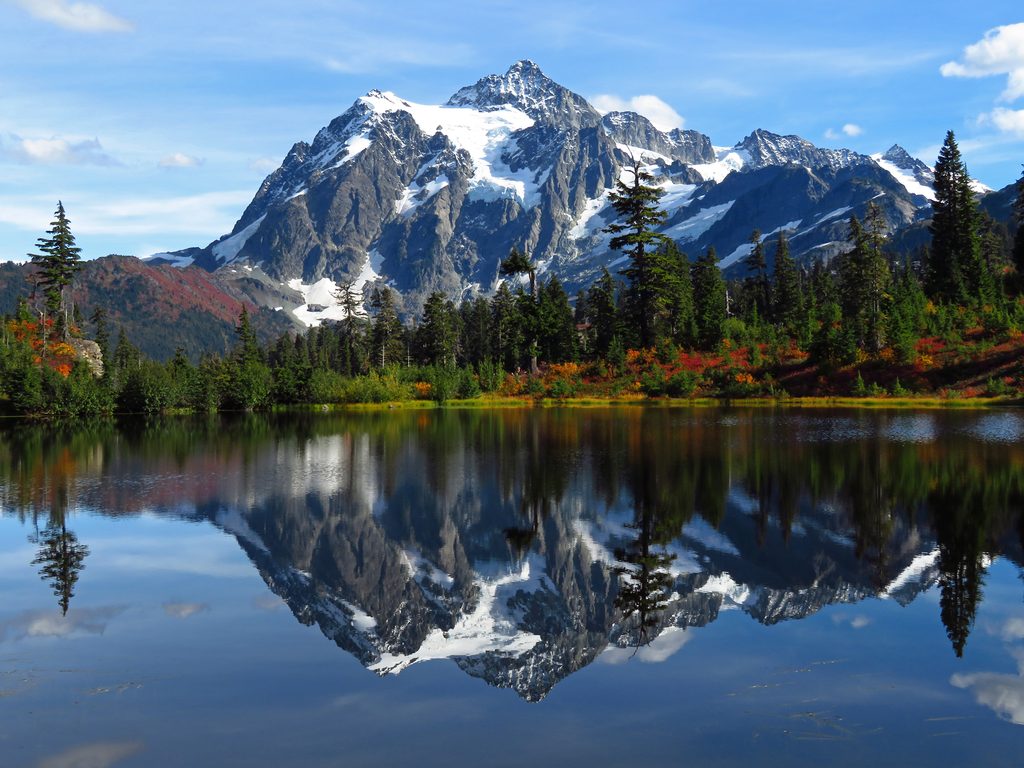
Place · 6 mi away
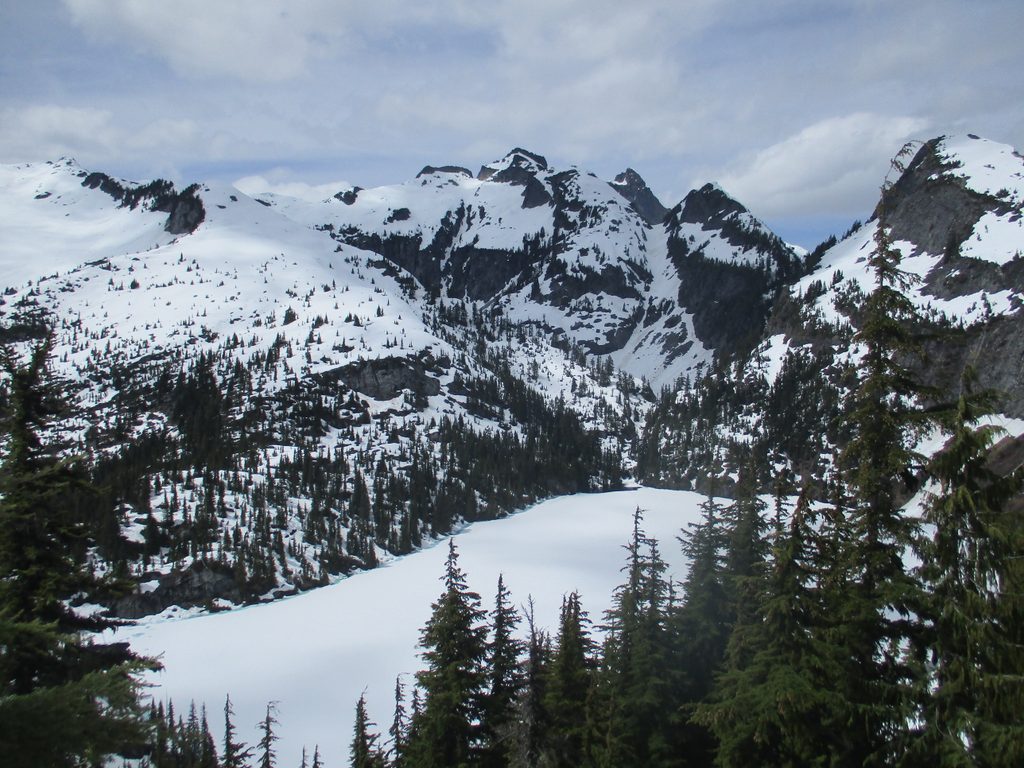
Place · 11.3 mi away
Place · 11.7 mi away
Challenging · 3.1 mi away
Challenging · 11.2 mi away
Challenging · 11.2 mi away
Challenging · 11.2 mi away

Parkwolf Tour Guide
