
Place · 0.3 mi away
Challenging
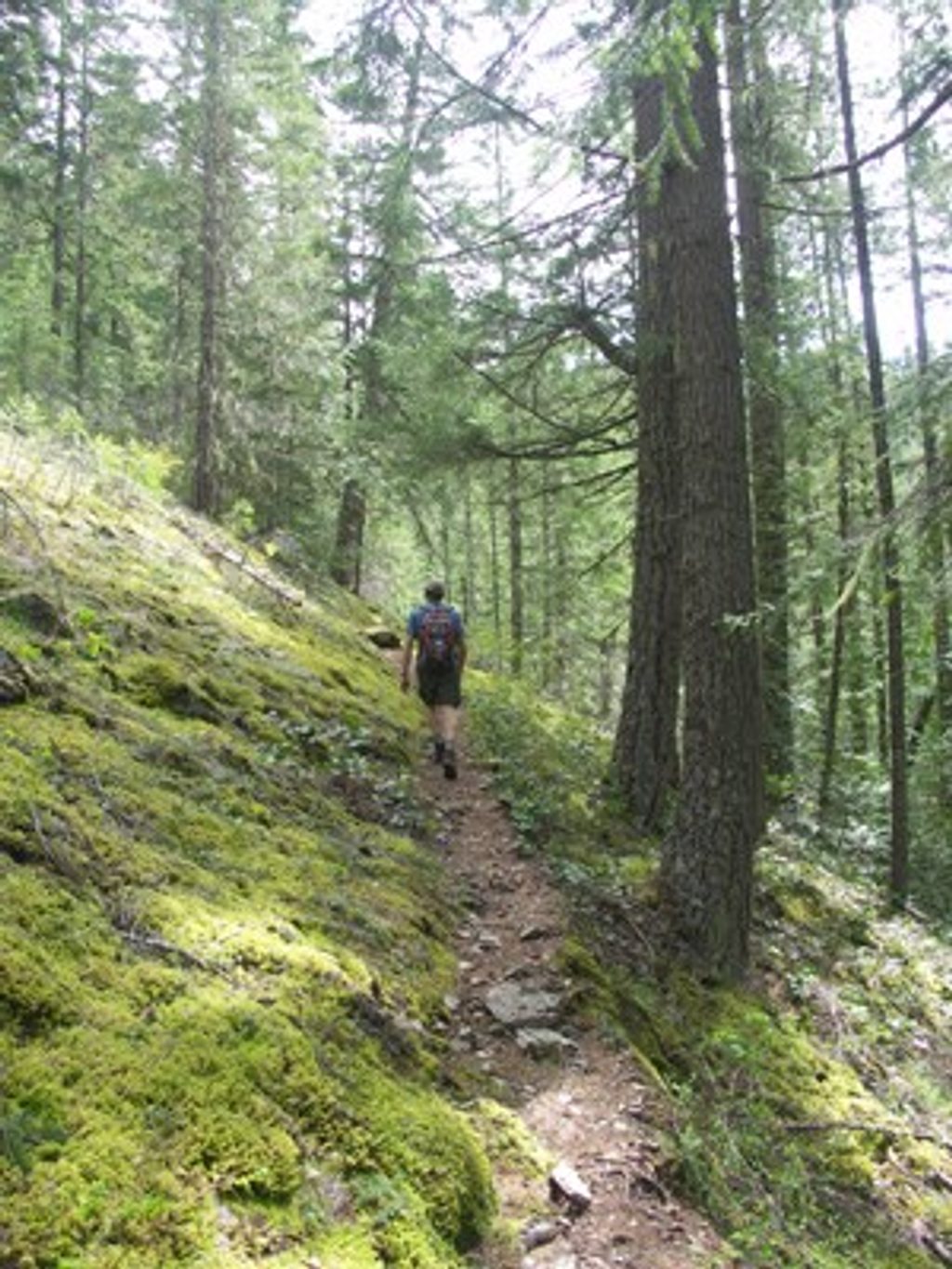
Fourth of July Pass is a classic North Cascades forest climb with a twist: the pass itself is indistinct and viewless, but the overlooks right before it—especially near Fourth of July Camp—deliver the goods. Most hikers tackle it as a day hike from the Thunder Creek side for about 9.7 miles total and roughly 2,400–2,500 feet of gain. A through-hike shuttle between Thunder Creek (Colonial Creek Campground) and Panther Creek creates an ~11.7‑mile traverse that shows off two very different approaches.
Small seasonal streams cross the Thunder Creek switchbacks—bring a filter. For overnights, you’ll need a backcountry permit from the park. Designated sites include cliffy, view-forward Fourth of July Camp (no campfires; bring a stove) and creekside Panther Camp. Limited quotas mean permits can be competitive in peak season.
Leashed pets are allowed on this route to (and at) the pass—rules change beyond certain boundaries, so turn around near the pass if you’ve brought a dog and always verify current regulations.
This is an early-season friendly objective that often melts out sooner than higher alpine passes. Spring through fall works well; start early on warm days for cooler temps on the steep west-side climb. Weekdays are quieter; the Thunder Creek flats can attract casual strollers, but traffic thins as the grade steepens. Morning light can be lovely at the overlooks near Fourth of July Camp.
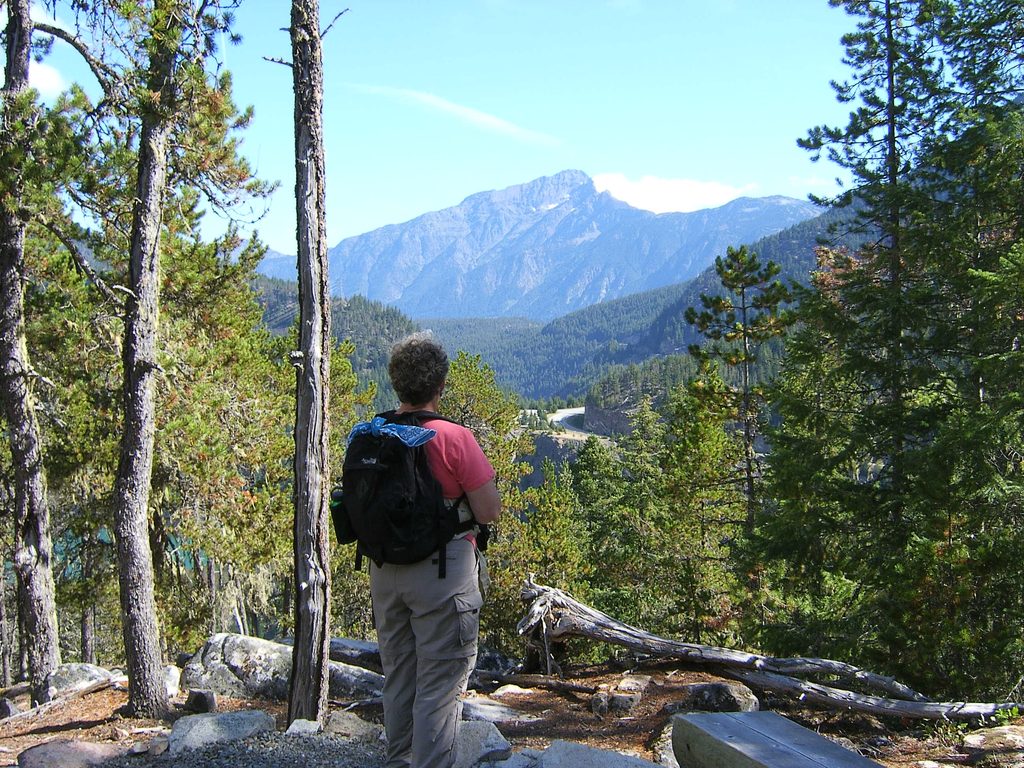
Expect big old-growth forest, vibrant creeks, and occasional high-country glimpses toward Colonial and Snowfield near the camp. The broader North Cascades story is written in stacked, accreted terranes, later draped by volcanism and then carved by ice—glaciers bulldozed U-shaped valleys and left today’s dramatic relief. Down in these woods, you feel the erosional work more than you see it: deep-cut drainages, steep valley walls, and a pass that’s more a gentle saddle than a summit moment.
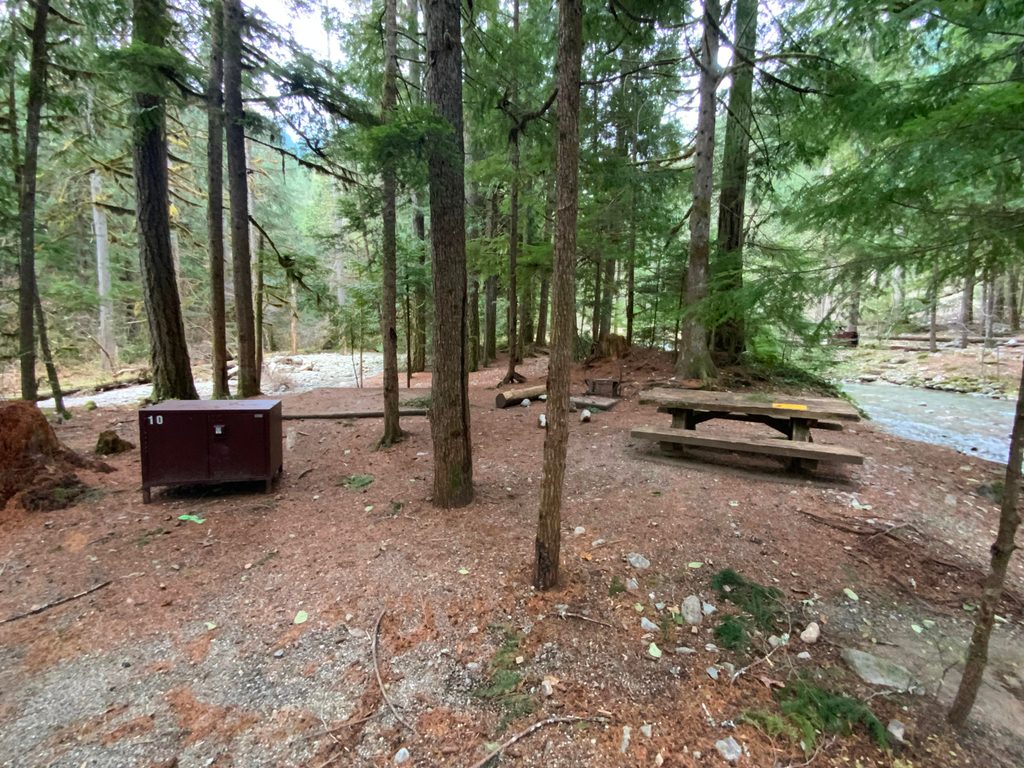
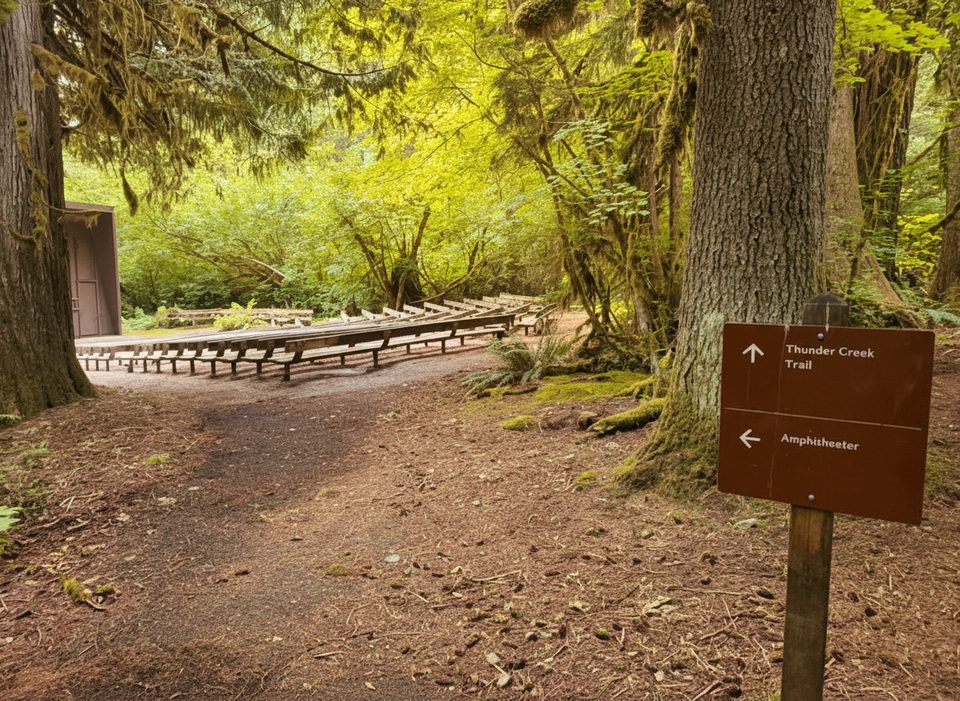
Thunder Creek start: park at Colonial Creek Campground area (large boat ramp lot) and walk through the campground to the trailhead. Panther Creek start: use the East Bank Trailhead area near SR 20 mile 139 and a short road walk to the Panther Creek trail sign.
Brush and stinging nettles on the Panther side, steep sustained switchbacks on the Thunder Creek climb, seasonal stream crossings, bugs in summer, brief road walk along SR 20 if traversing.
Place · 0.3 mi away

Place · 1.7 mi away

Place · 2.1 mi away
Place · 2.7 mi away
Easy · 0 mi away
Easy · 0.2 mi away
Easy · 0.5 mi away

Moderate · 2.7 mi away

Parkwolf Tour Guide
