
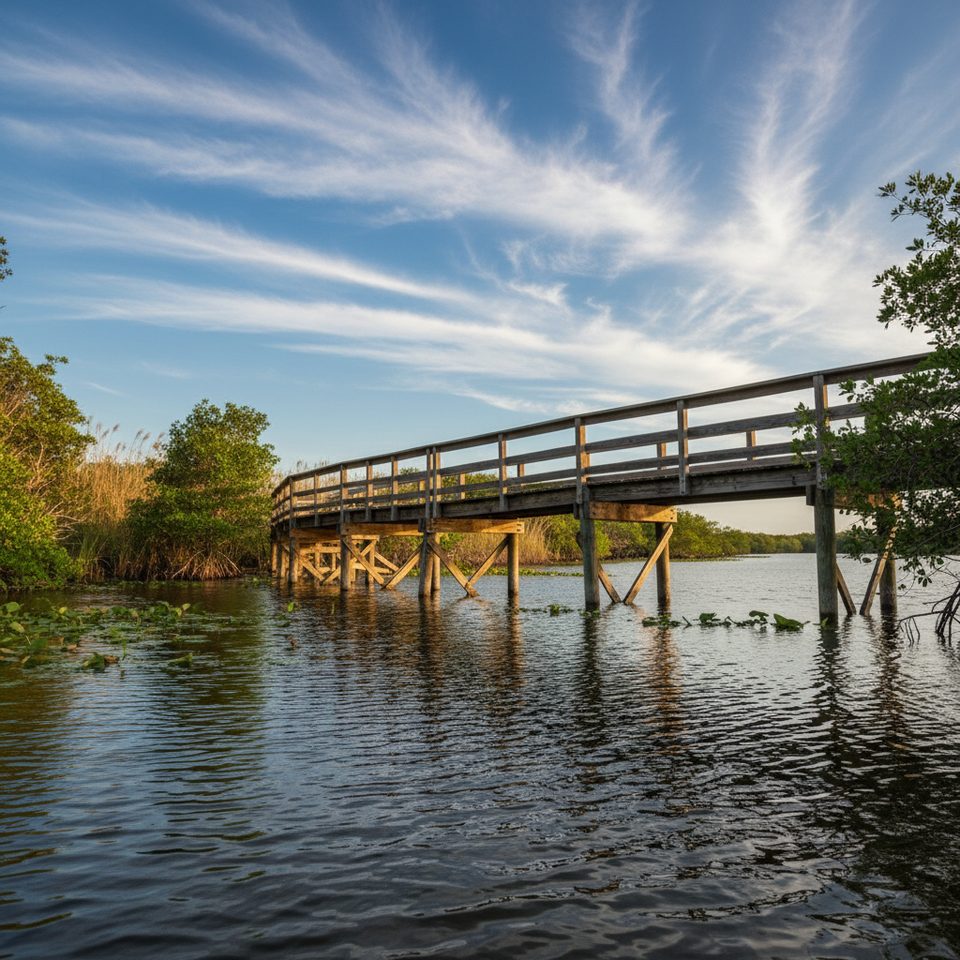
Place · 0 mi away
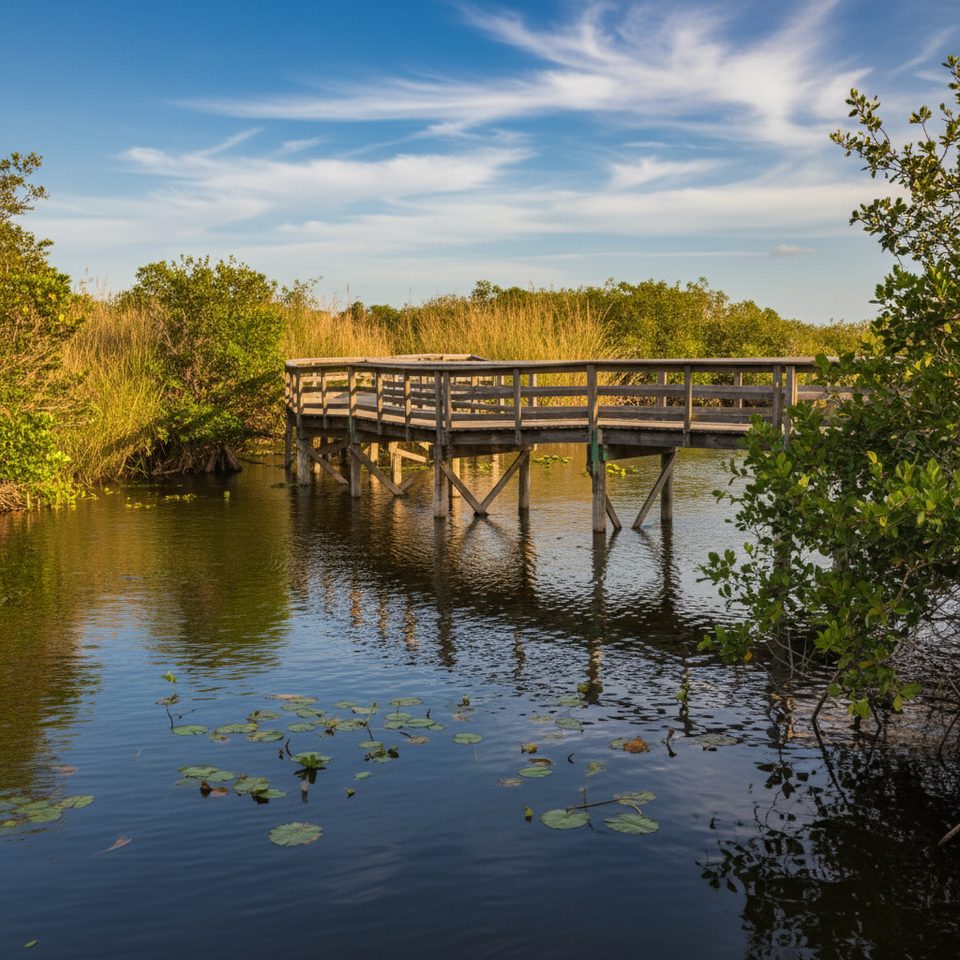
This refuge in north Key Largo exists for the wildlife first, visitors second. Established in 1980 to protect American crocodile nesting habitat and rare Keys species, it spans roughly 6,700 acres with mangroves, salt marsh, and tropical hardwood hammock. Most of it is intentionally closed to protect sensitive habitats, but you can pop into the small Community Butterfly Garden and kiosk area during daylight hours.
Crocodile Lake protects one of only a few American crocodile breeding areas in the U.S. It also shelters Keys endemics and rarities tied to the tropical hardwood hammock—think Key Largo woodrat and cotton mouse, the Schaus’ swallowtail butterfly, Stock Island tree snail, Eastern indigo snake, and Florida semaphore cactus. You won’t roam the habitat here, but the garden and kiosk explain the work being done behind the scenes.
Much of North Key Largo was once platted for development. Dredge-spoil berms from those plans became prime crocodile nesting sites, which helped spur protection. The area also saw past limestone mining for fossilized coral; the resulting “Keystone Pit” is slated for restoration to native hammock.
You can sometimes go deeper via seasonal special events or by volunteering (habitat restoration, python patrols, cleanups). Research access requires a special permit.
Daylight hours any time of year for a short stop at the butterfly garden. Winter typically brings more guided events and volunteer opportunities; that’s the time to watch the calendar if you want more than the kiosk-and-garden experience.
If you’re craving actual trails, plan your hike at nearby Dagny Johnson Key Largo Hammock Botanical State Park and use Crocodile Lake as a quick educational add-on on your Overseas Highway day.
Place · 0 mi away
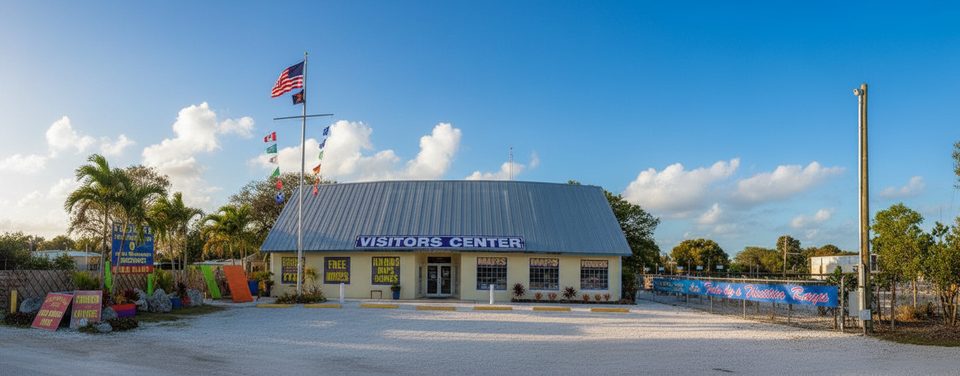
Place · 2 mi away
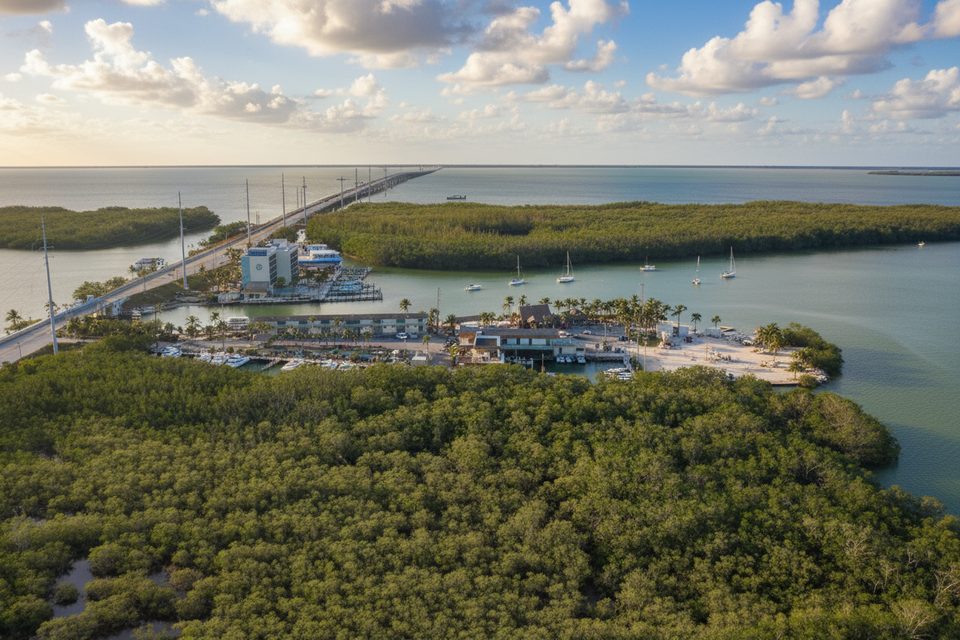
Place · 2.1 mi away
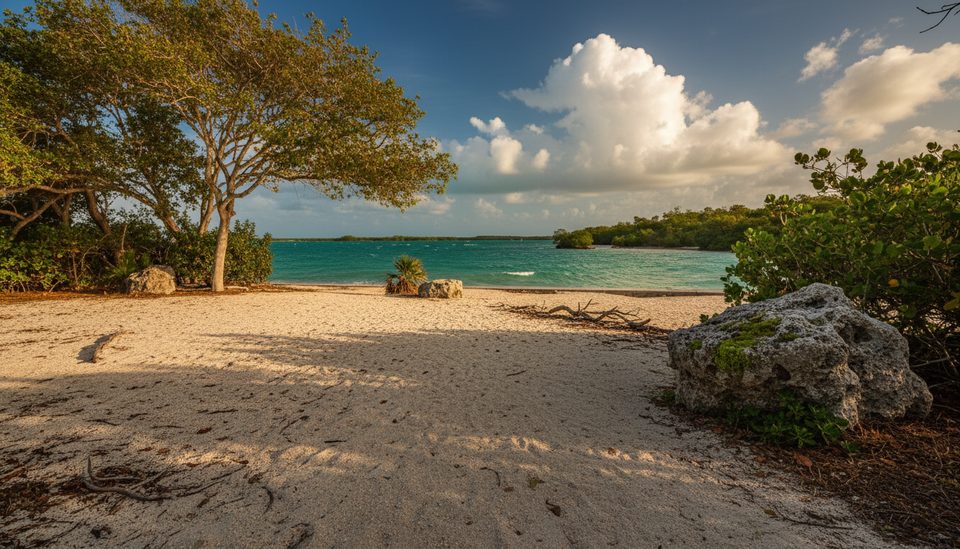
Place · 2.7 mi away

Moderate · 2.3 mi away
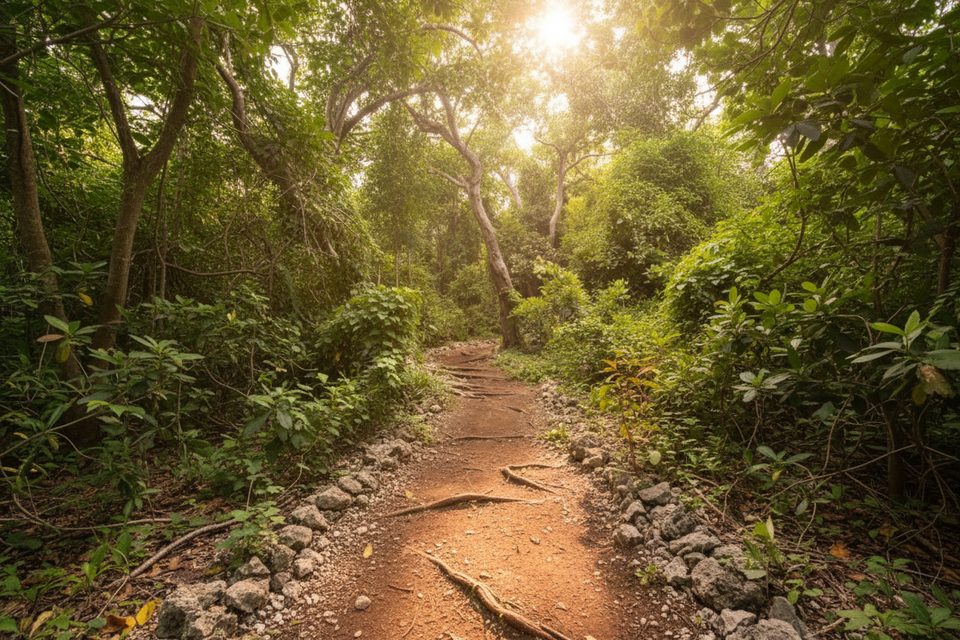
Easy · 5.5 mi away
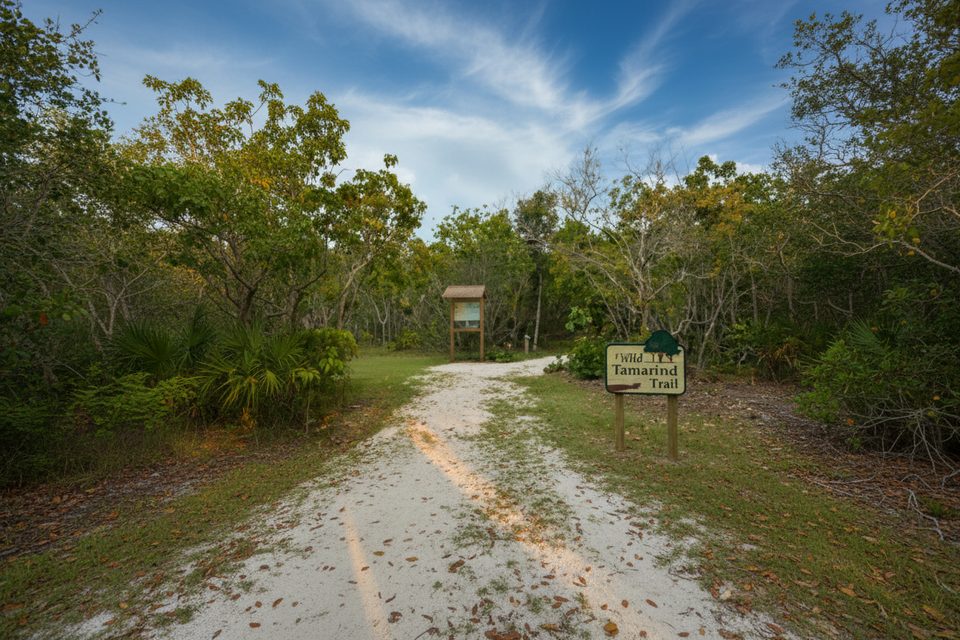
Easy · 5.6 mi away
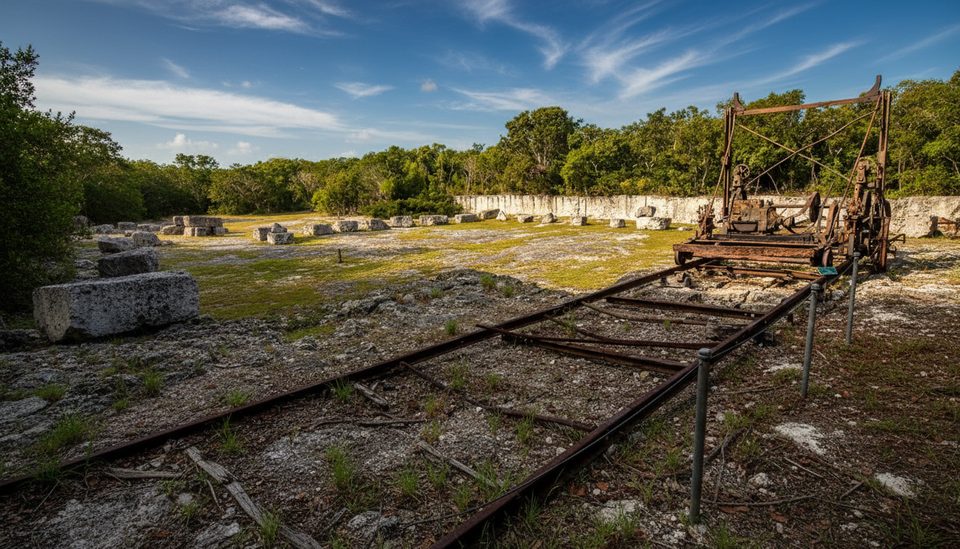
Easy · 22.1 mi away

Parkwolf Tour Guide
