
Place · 1.5 mi away

Tucked around mile marker 56.2, this low-key Keys stop protects the largest undeveloped stretch between Key Largo and Big Pine. Expect mangroves, rockland hammocks, and broad seagrass flats rather than a big, surfy beach. It’s a mellow, nature-first park—great for paddling, picnicking, and watching the sky fill with raptors in fall.
If you like kayaks more than beach clubs, this is your spot. The waters are shallow and usually calm, the vibe is unhurried, and the crowd skews toward birders, paddlers, and campers. It’s underrated as a quick leg-stretcher right off US‑1 and deservedly popular on breezy kiteboarding days.
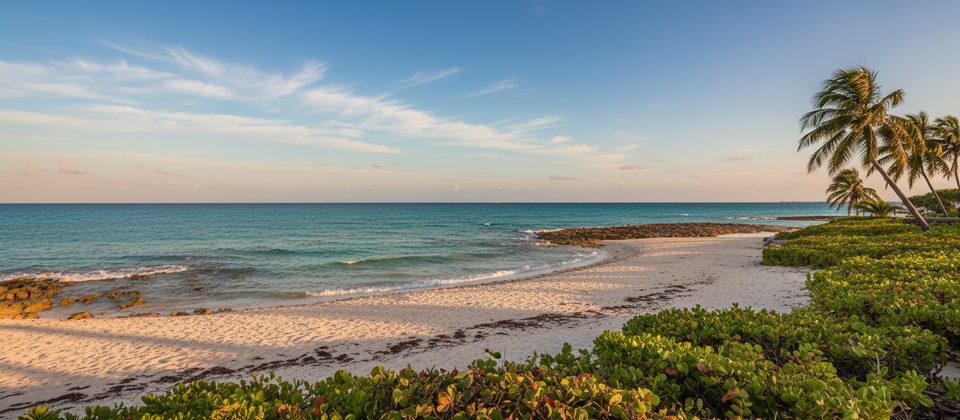
A compact, sandy strand fronts the Atlantic with shaded pavilions, grills, and a small playground just off the sand. It’s best for wading and casual swims at higher tide rather than long, sandy-bottom swims. Pavilions can be reserved or used first‑come when open.
A short nature trail wanders through tropical hardwood hammock over fossilized coral—wear sturdy shoes for the uneven rock. The park also ties directly into the 90‑mile Florida Keys Overseas Heritage Trail for easy bike outings or runs.
This is a stop on the Great Florida Birding and Wildlife Trail and home base for Florida Keys Hawkwatch (August–November), when migrating raptors—especially peregrine falcons—stream past. Year‑round you might spot egrets, herons, ospreys, rays, tarpon, nurse sharks, manatees, and even upside‑down jellyfish in calm bays.
The campground is small (28 sites) and coveted. Sites have water and electric, picnic table, grill, and hammock posts; some look to the ocean. There’s a modern bathhouse with hot showers and a dump station, but no laundry. No private campfires at sites—use the communal fire ring on the beach instead. Reservations book out far ahead.
If you’ve got extra time, spin a few miles on the Overseas Heritage Trail or pair a paddle with a hammock‑forest stroll—trailhead access sits about a mile south along US‑1.
Place · 1.5 mi away
Place · 1.5 mi away
Place · 2.6 mi away
Place · 2.8 mi away
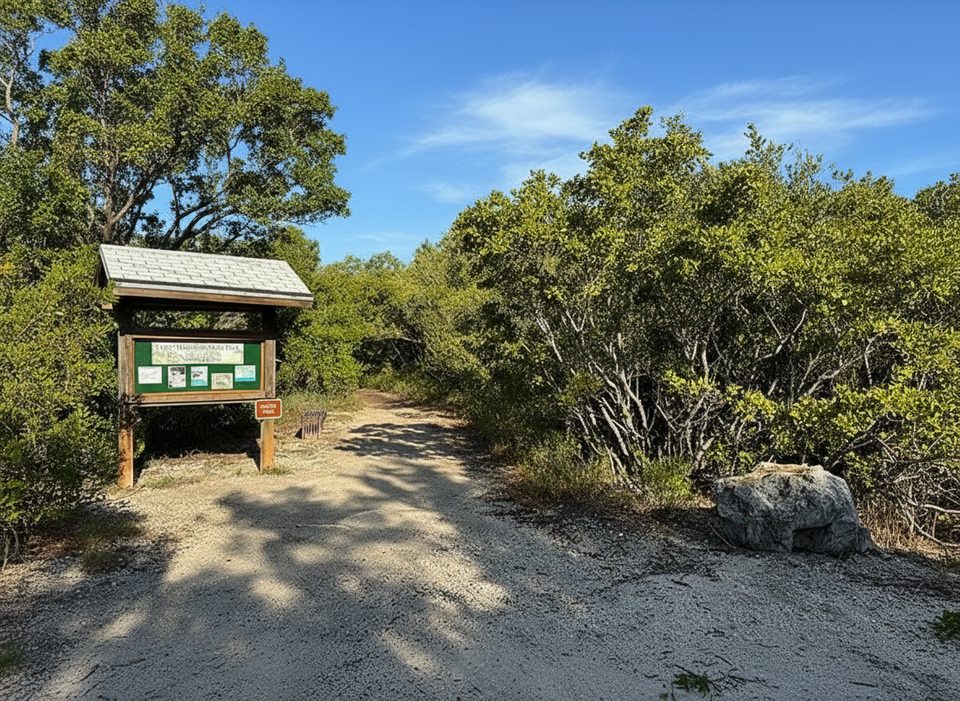
Easy · 1 mi away
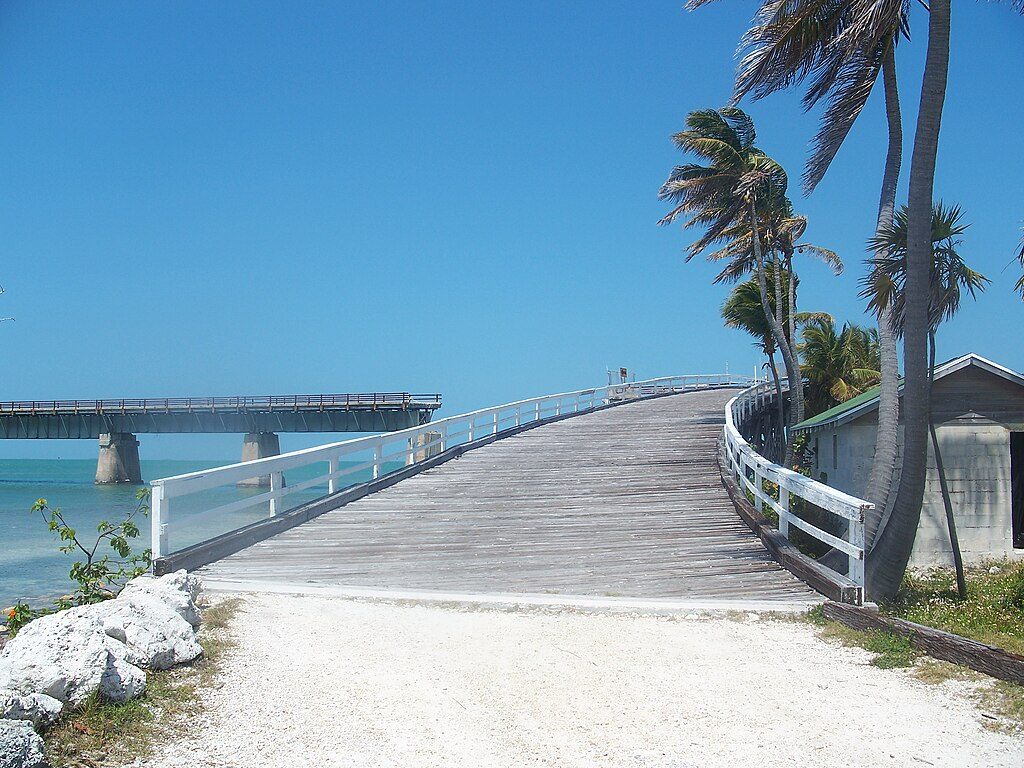
Easy · 9.2 mi away
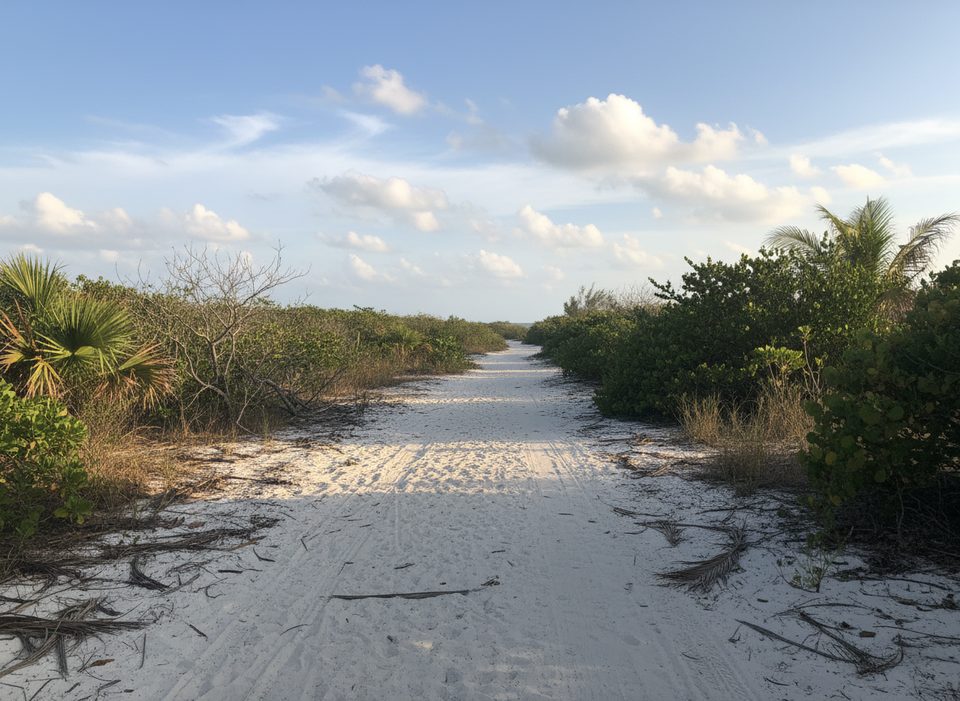
Easy · 11.2 mi away
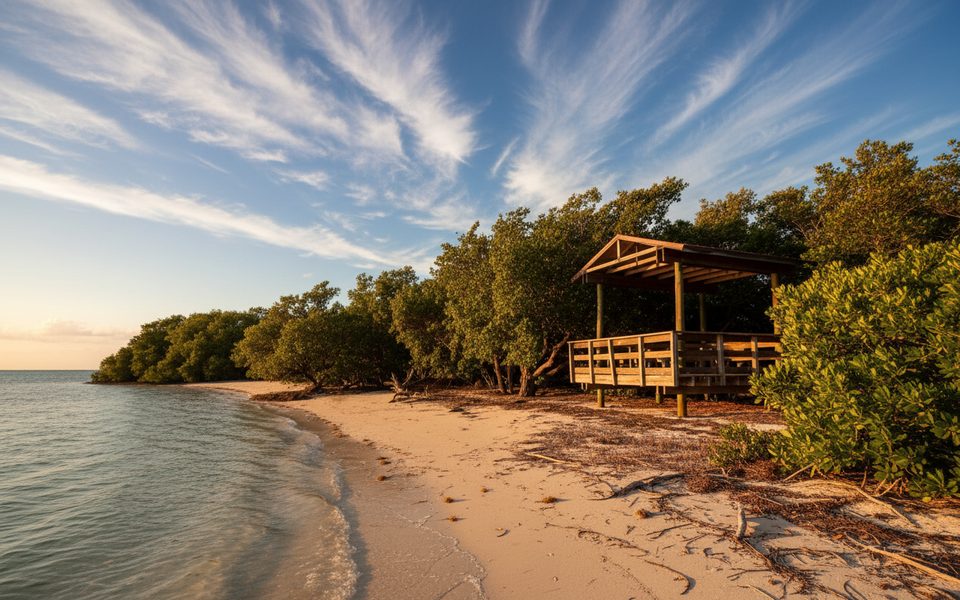
Easy · 16.8 mi away

Parkwolf Tour Guide
