

Place · 1 mi away
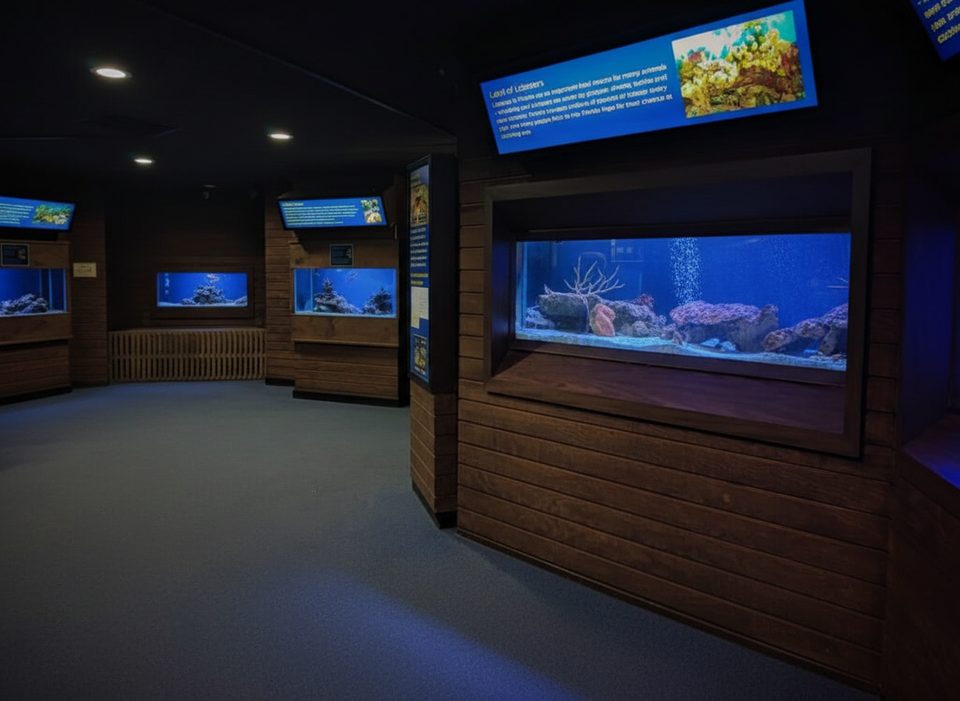
This is the park’s brain—where you get your bearings before getting wet. Inside, a 30,000‑gallon saltwater aquarium and additional smaller tanks bring the reef to you, while exhibits unpack the Keys’ coral reefs, seagrass beds, and mangrove swamps. The auditorium runs nature films that make sense of what you’ll see offshore.
Expect close‑up looks at reef fish, corals, and other marine life in well‑kept aquaria, plus natural‑history displays that cover topics like reef ecology, conservation, and human impacts. It’s a solid, family‑friendly intro—especially handy if seas are rough or you’re between tours.
Use the exhibits and film to learn reef etiquette and set expectations for snorkeling, diving, or glass‑bottom boat trips. Staff and signage help you plan around current marine conditions; if offshore trips are canceled or choppy, pivot to trails, paddling sheltered mangroves, or the beaches without feeling like you missed out.
You’ll find indoor restrooms and a bottle‑refill station in the building, with additional day‑use restrooms and showers nearby. Food and shops sit just steps away, and free Wi‑Fi is available at the concession and dive shop buildings.
Aim for weekday mornings (Monday–Thursday) for the mellowest experience and easiest parking. Midday sees the biggest crowds, and the center closes at 5 pm—so don’t show up late expecting a long linger. It’s also a great wind/rain day backup when offshore visibility isn’t cooperating.
Book your snorkeling or glass‑bottom boat in advance; departures depend on wind and seas, and plans often change day‑to‑day. Wear a rash guard and mineral‑based, reef‑safe sunscreen, and remember the park’s core ethic: look, don’t touch or collect.
The push to protect these reefs kicked off in 1957, leading to the Key Largo Coral Reef Preserve in spring 1960 and the park’s dedication on December 10, 1960. Opening in 1963 as the nation’s first undersea park—and added to the National Register of Historic Places in 1972—it’s been educating visitors ever since.
Place · 1 mi away
Place · 1.5 mi away
Place · 1.5 mi away
Place · 1.8 mi away
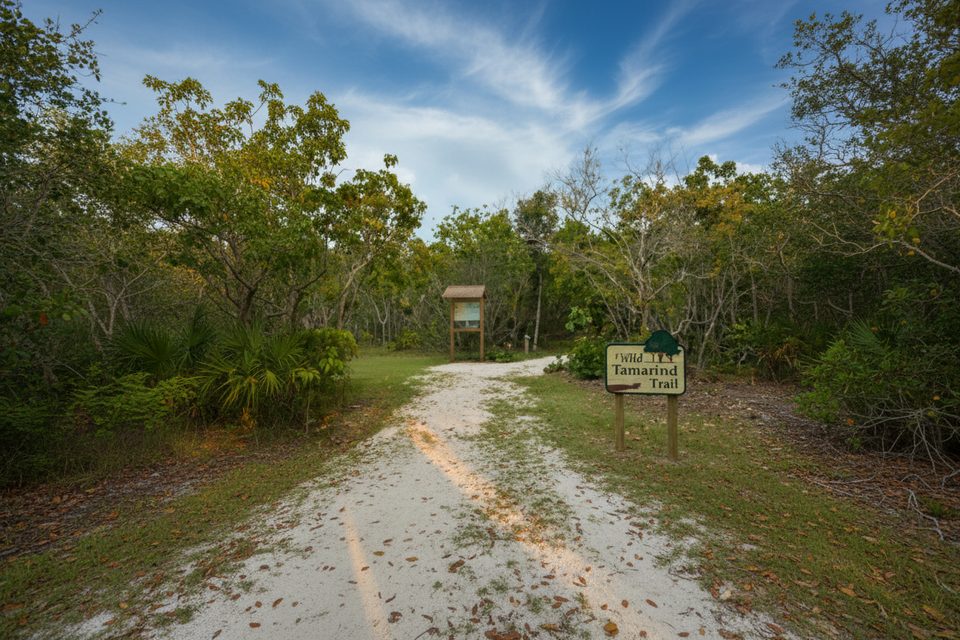
Easy · 0.1 mi away
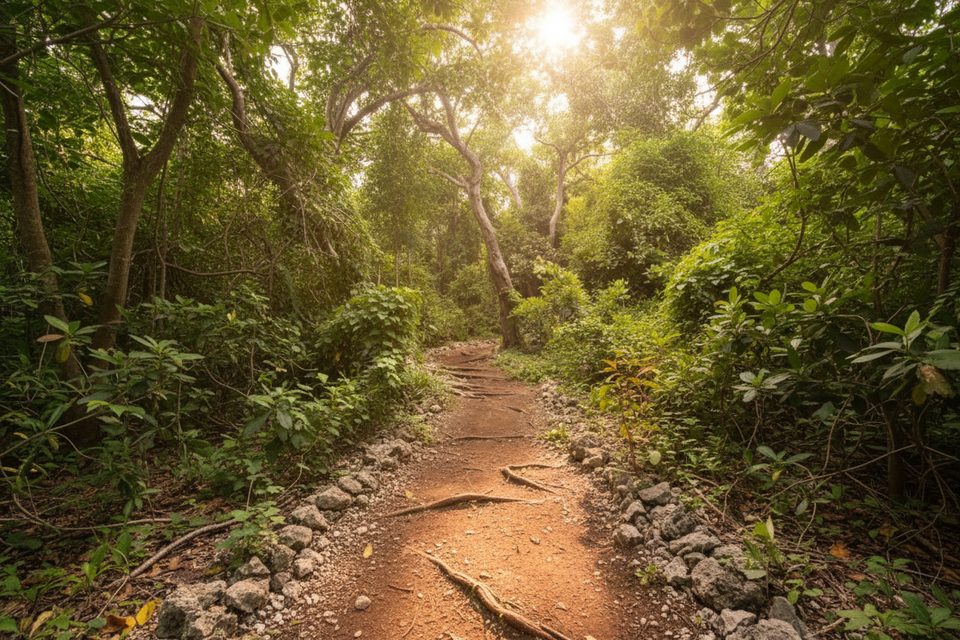
Easy · 0.1 mi away

Moderate · 3.3 mi away
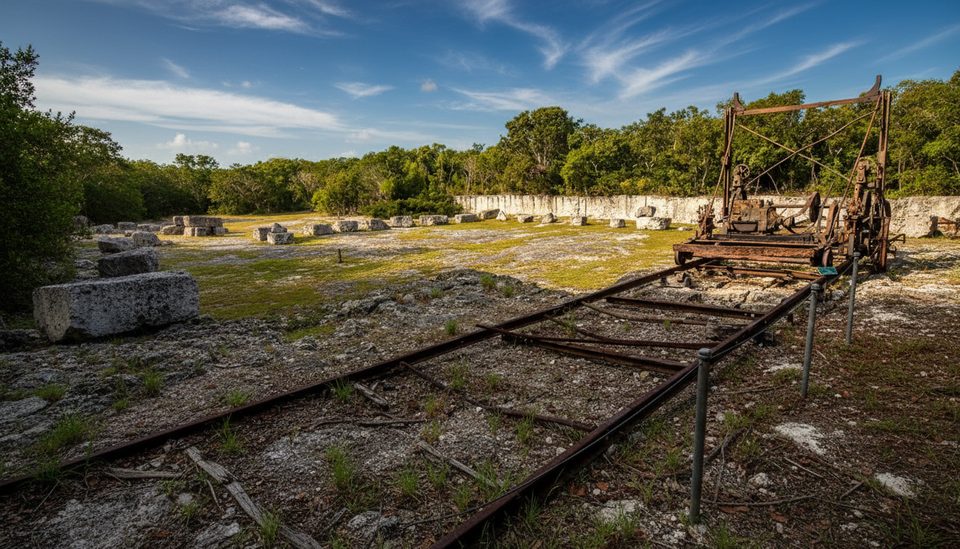
Easy · 16.6 mi away

Parkwolf Tour Guide
