
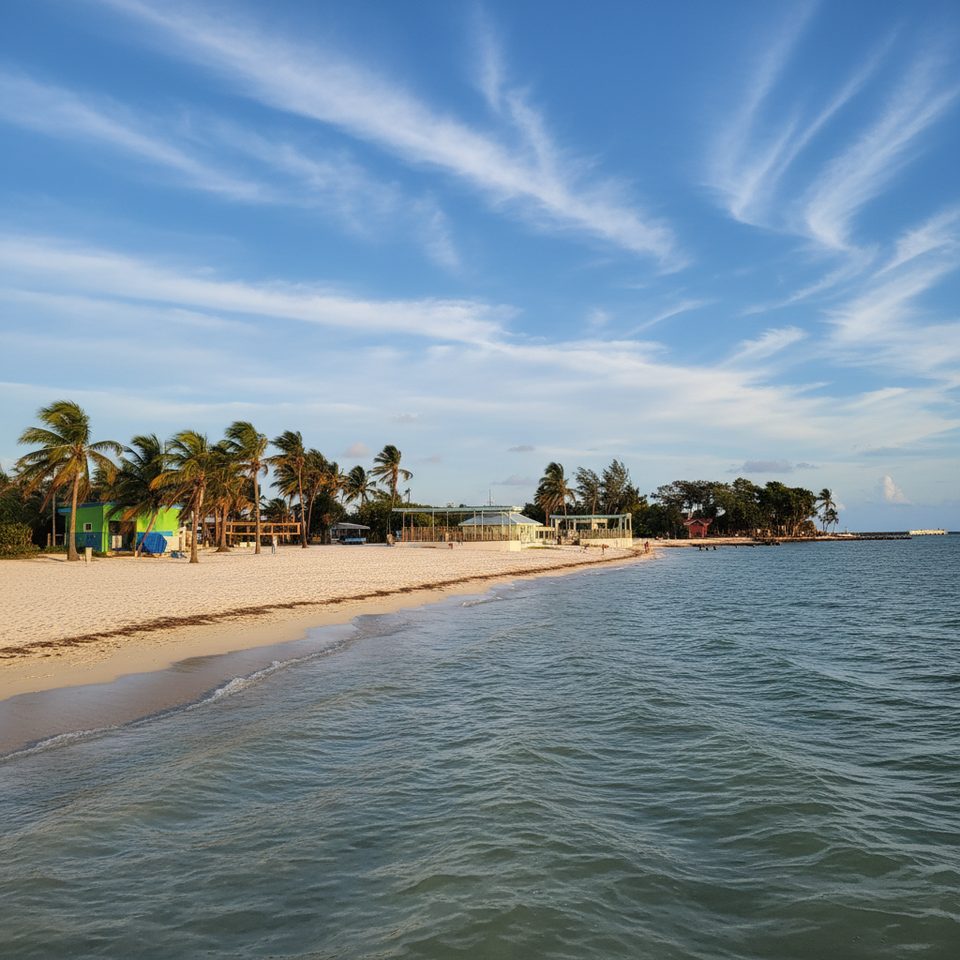
Place · 0 mi away
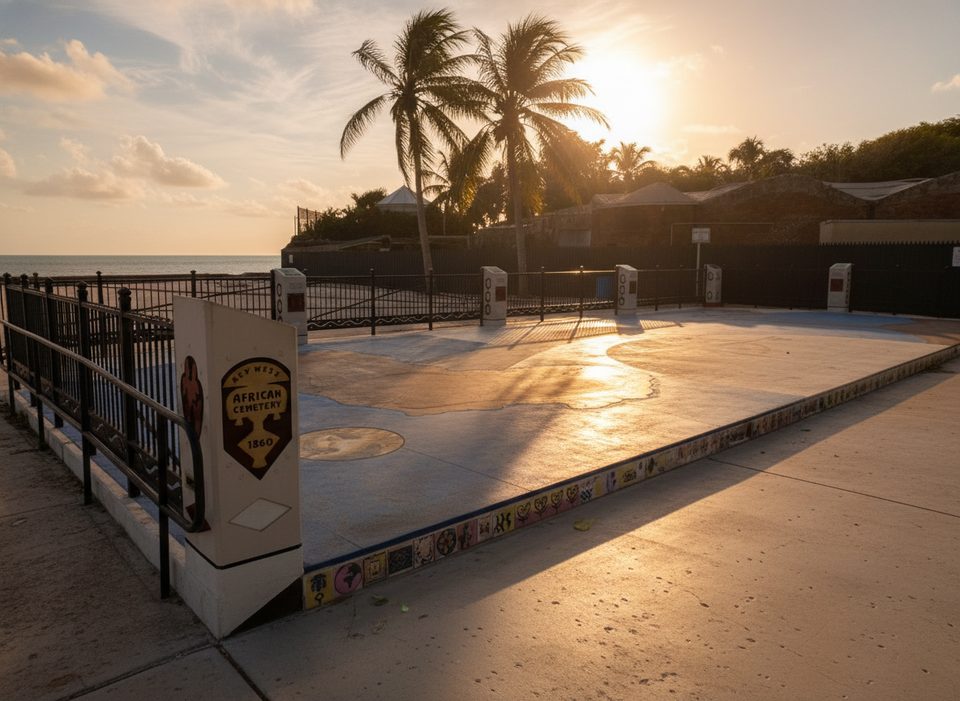
A solemn, beautifully designed memorial on Higgs Beach marks the resting place of about 294 Africans who died in Key West in 1860 after the U.S. Navy intercepted three illegal slave ships. It’s quiet, moving, and easy to visit—an important counterpoint to a carefree beach day.
Expect a compact, fenced memorial with pedestals bearing West African Adinkra symbols, bronze plaques, and a concrete platform that maps Atlantic slave‑trade routes. The oceanfront setting adds gravity and calm; plan on a short, reflective stop.
In spring–summer 1860, the Navy seized the Wildfire, William, and Bogota near Cuba and brought 1,432 survivors to Key West for care. Rough conditions aboard led to nearly 300 deaths; the dead were buried along the island’s south shore—today’s Higgs Beach. The cemetery faded from memory until ground‑penetrating radar confirmed graves in 2002 (and many more in 2010). The site was listed on the National Register of Historic Places in 2012.
Go early morning for solitude and cooler temps, or late afternoon for softer, golden light. Weekends see more beach traffic, so plan accordingly.
The memorial intentionally honors the dead as “refugees,” recognizing they were rescued from traffickers. Most survivors ultimately sailed to West Africa, and today’s memorial—with its Adinkra symbolism and interpretive text—invites a thoughtful pause before you continue along the shoreline.
Place · 0 mi away
Place · 0.2 mi away
Place · 0.8 mi away
Place · 0.9 mi away
Easy · 27.7 mi away
Easy · 27.7 mi away
Easy · 27.7 mi away
Easy · 32.1 mi away

Parkwolf Tour Guide
