
Place · 0.5 mi away
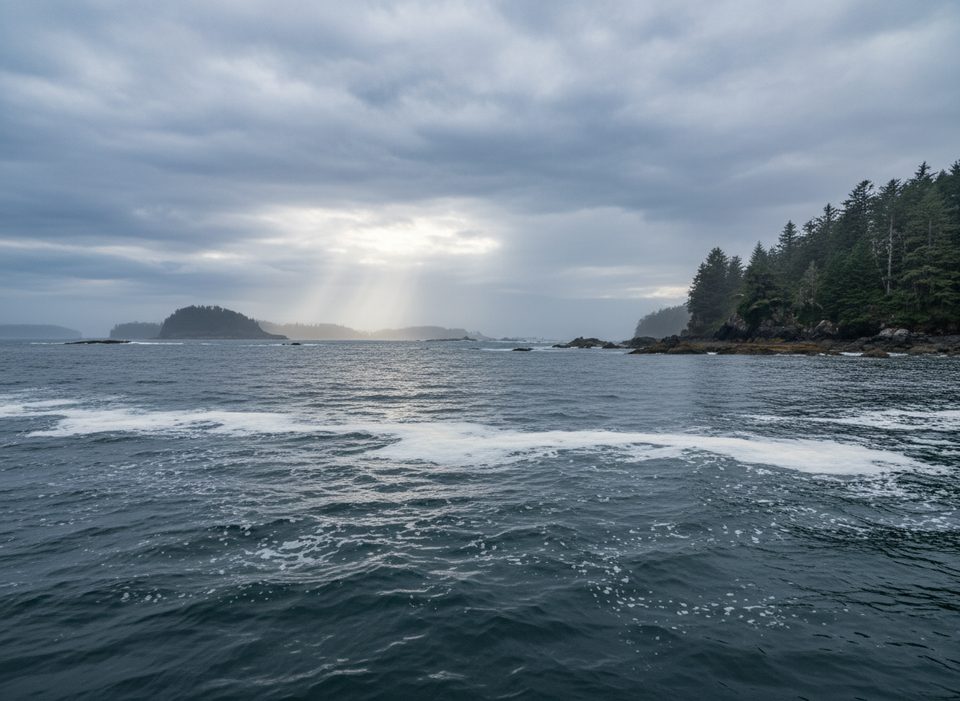
Benson Island (also known as C’isaa/Ts’ishaa) sits on the northwestern edge of the Broken Group Islands unit. It’s one of the most culturally significant places on the coast, recognized by the Tseshaht First Nation as their place of origin. Today it’s managed as a day‑use only site—quiet, contemplative, and free of amenities—best visited by paddlers and boaters who want to connect with the island’s story rather than camp or linger overnight.
This island is central to Tseshaht identity and spirituality. Camping was formally prohibited to respect cultural values and protect archaeological features, and the site is intentionally kept simple—come to learn and reflect, not to check off amenities.
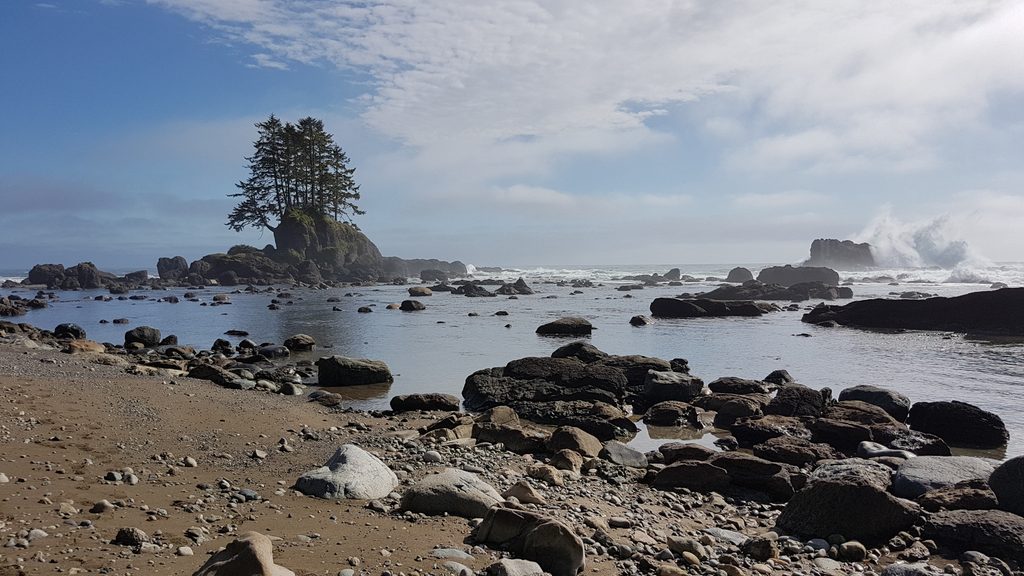
Around the island, watch for seals and sea lions, seabirds and eagles, and rich intertidal life along the rocks and tide pools. The broader park reserve is wolf, cougar, and black bear country—treat food and smellables with care even on day trips and follow all wildlife guidance.
This is an exposed outer‑coast environment. Plan your approach and time ashore around tides, swell, and wind. Unexpected waves, rip currents, and high tides are real hazards on rocky shorelines—choose landing spots conservatively and be prepared to back off if conditions don’t feel right.
Aim for calm, clear days during daylight hours. Build your plan around the marine forecast and tide/swell windows for safer landings and easier paddling. Midweek typically feels quieter than peak weekends across the island group.
If you’re paddling the Broken Group and care about the coast’s deep human story, this stop is essential. If you’re looking for a picnic spot with facilities or an easy beach to hang out all day, choose one of the designated camping islands instead.
Place · 0.5 mi away
Place · 3.5 mi away
Place · 5.5 mi away
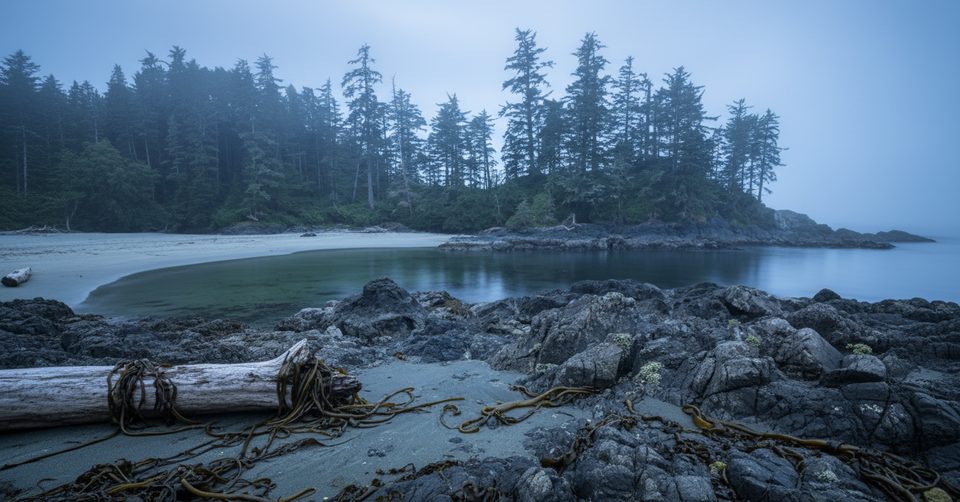
Place · 12 mi away
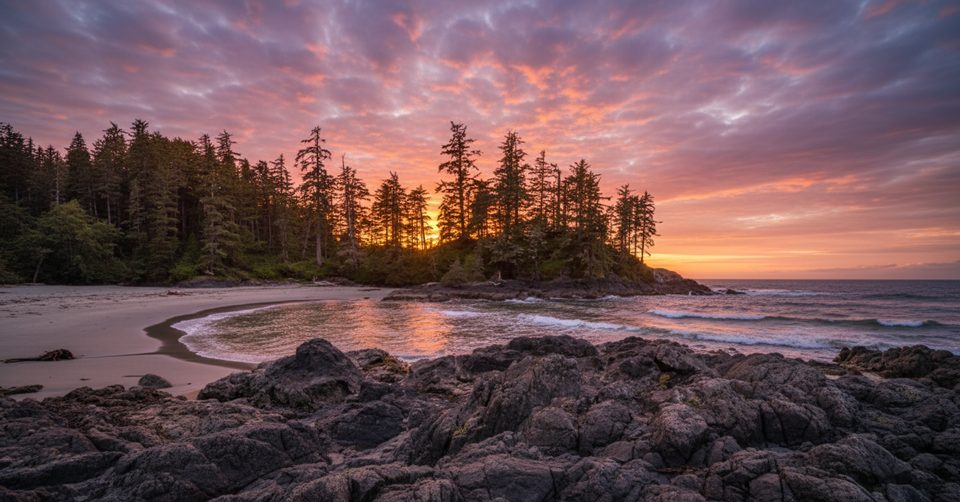
Easy · 11.5 mi away
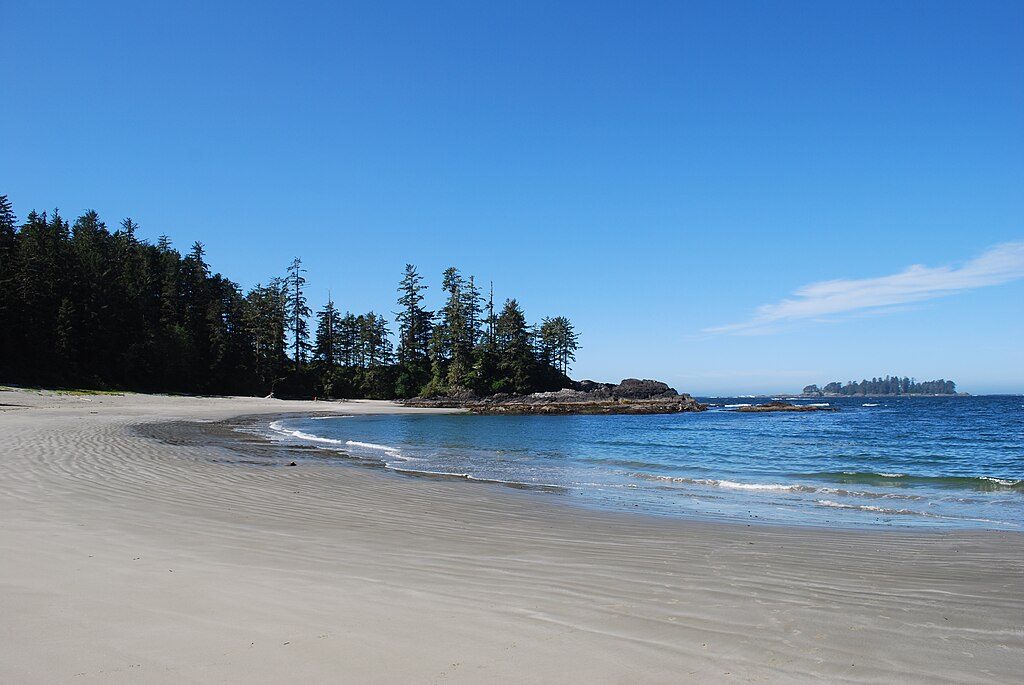
Moderate · 11.5 mi away
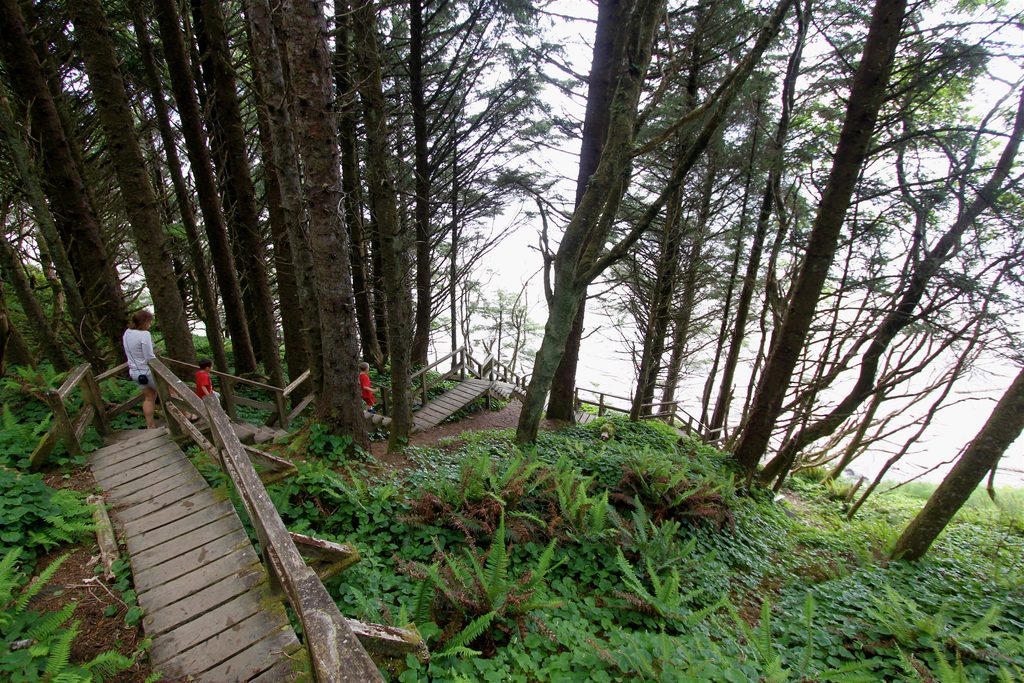
Moderate · 11.5 mi away
Challenging · 13.7 mi away

Parkwolf Tour Guide
