
Place · 0.5 mi away
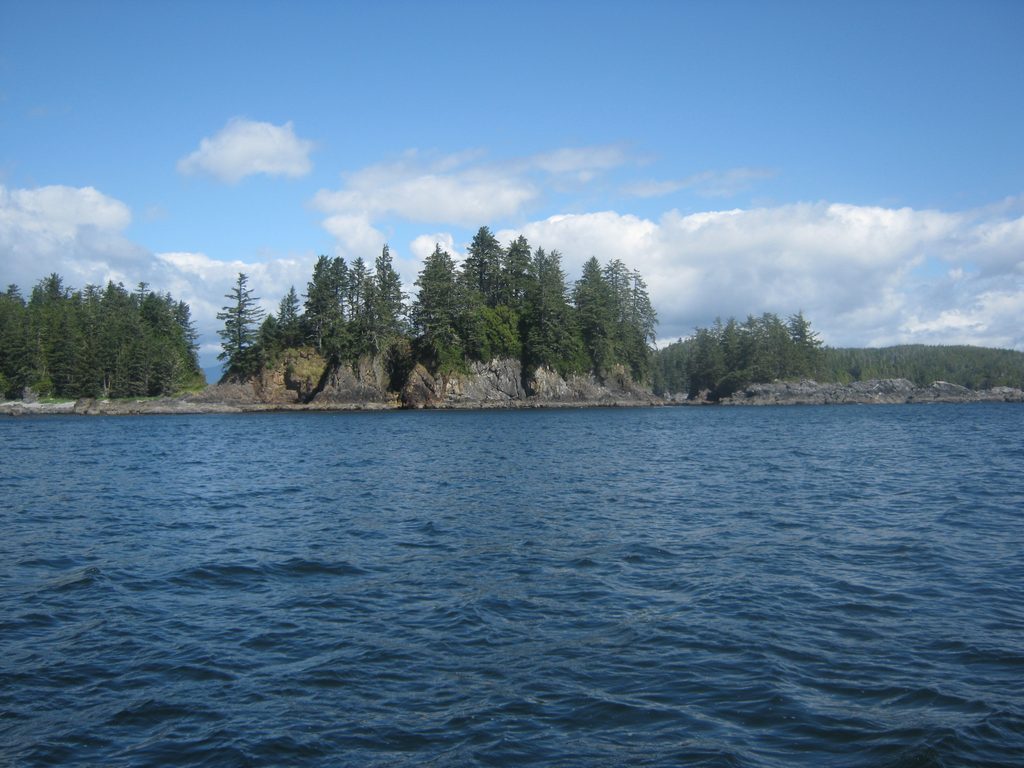
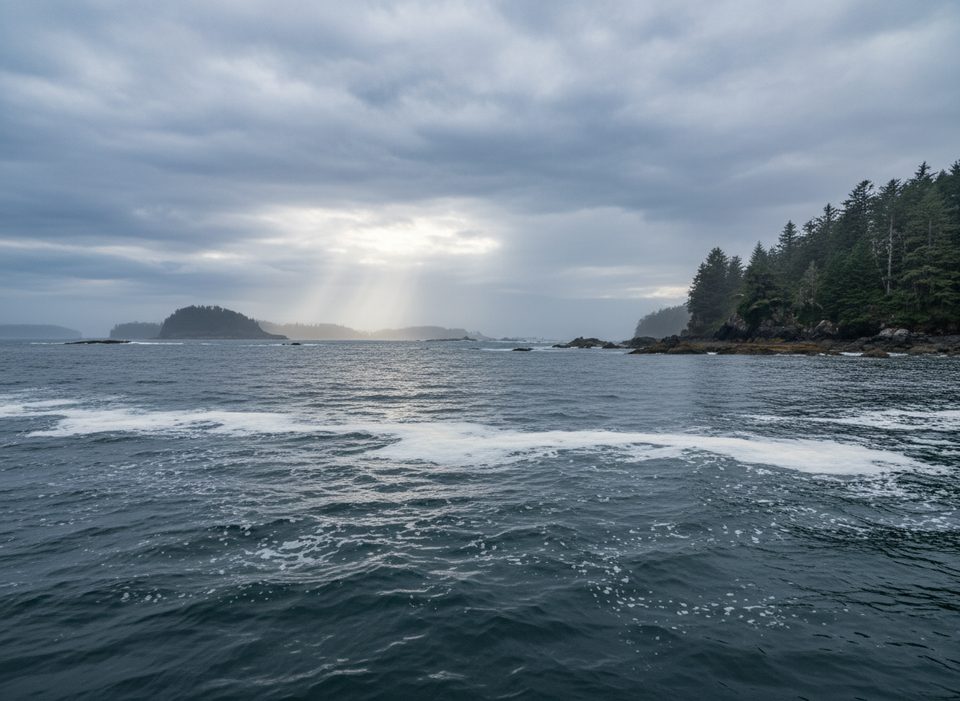
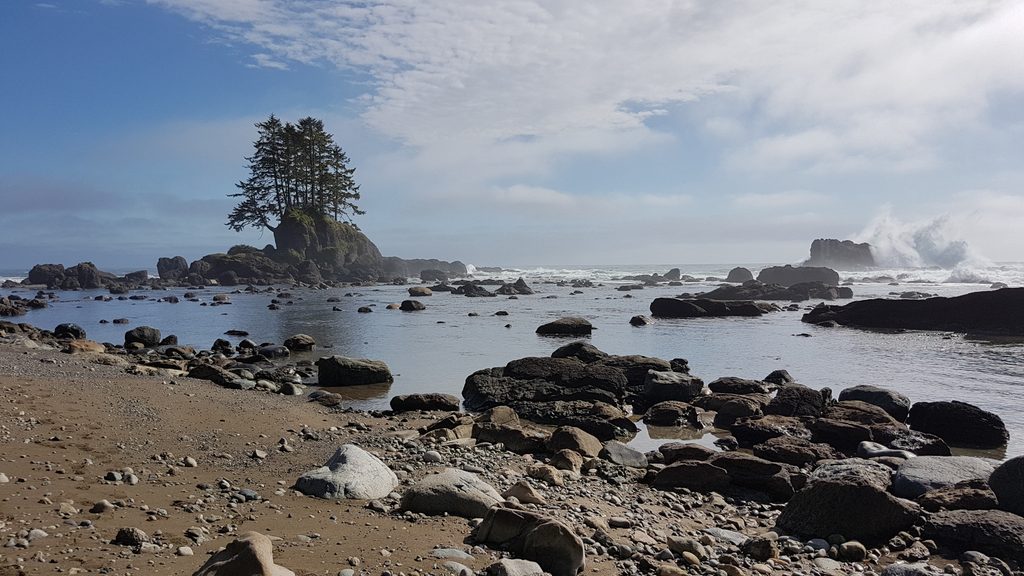
The Broken Group Islands are a maze of 100+ islands, islets, and rocky outcrops in the middle of Barkley Sound. Within the national park reserve, this island-only unit spans roughly 10,607 hectares (most of it water). Expect turquoise lagoons, white-sand pocket beaches, blowholes, sea arches, and calm, protected channels that make this stretch of coast surprisingly approachable.
Unlike the more exposed outer coast, the islands’ sheltered waters are tailor-made for paddlers—including newer sea kayakers. Layer that with rich cultural depth: this is Tseshaht First Nation territory with 350+ archaeological sites dating back thousands of years. Benson Island is especially significant and has on-site interpretation.
Most visitors arrive by kayak, water taxi, or the MV Frances Barkley passenger vessel out of nearby coastal towns. Navigation matters—carry a map and know your channels. There are no stores, restaurants, or WiFi out here. Bring all food, fuel, and a plan for water; weather shifts and fog are common, so build in buffer time.
Designated island campsites come with composting outhouses. There’s no potable water on the islands, and no other services—plan to be entirely self-sufficient. Camps can fill in peak season.
A National Park Entry Pass and a Broken Group Islands backcountry camping permit are required. Dogs aren’t allowed (service animals excepted). Groups larger than 12 must split and camp on different islands. Park wardens enforce the rules, and Tseshaht and Parks Canada Beach Keepers provide on-the-ground guidance and cultural context.
This is wolf, cougar, and black bear country—follow park advisories. On the water, respect high tides, rip currents, and the risk of unexpected waves. Protect cultural sites and leave no trace.
Summer brings the most reliable paddling and long daylight—but also the biggest crowds at camps. Outside mid-summer you’ll trade quieter beaches for more rain, fog, and rapidly changing conditions. Start early to make the most of calmer water windows.
Place · 0.5 mi away
Place · 3.4 mi away
Place · 5 mi away
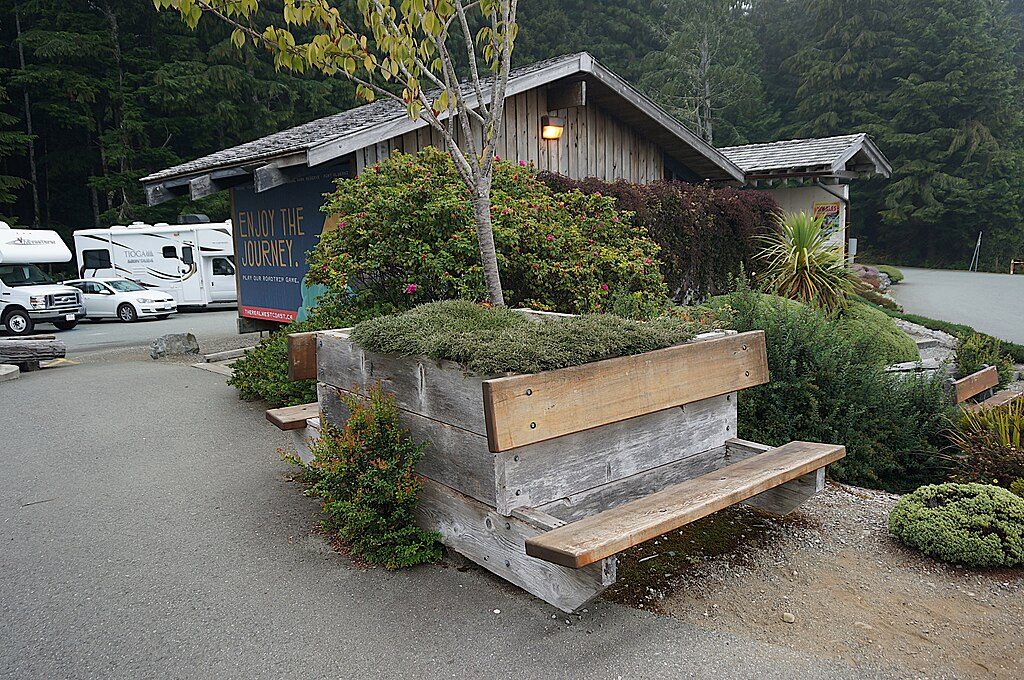
Place · 11.9 mi away
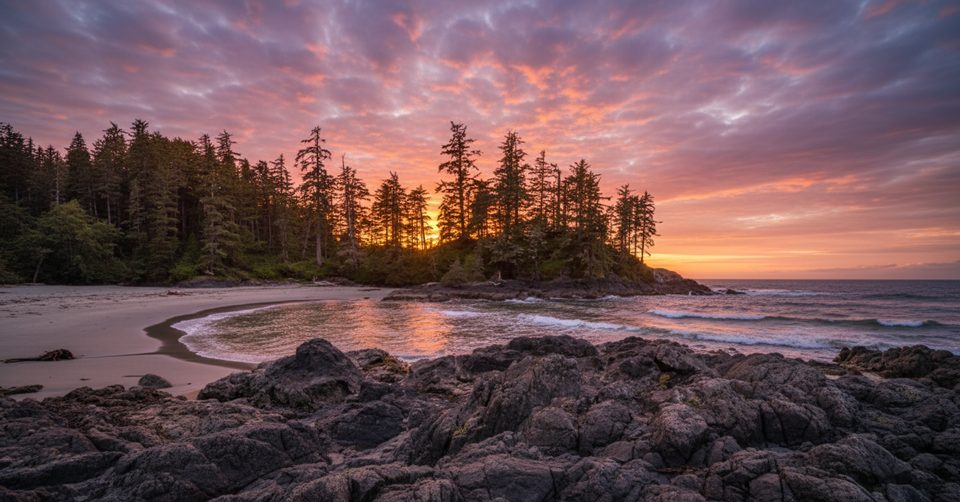
Easy · 11.5 mi away
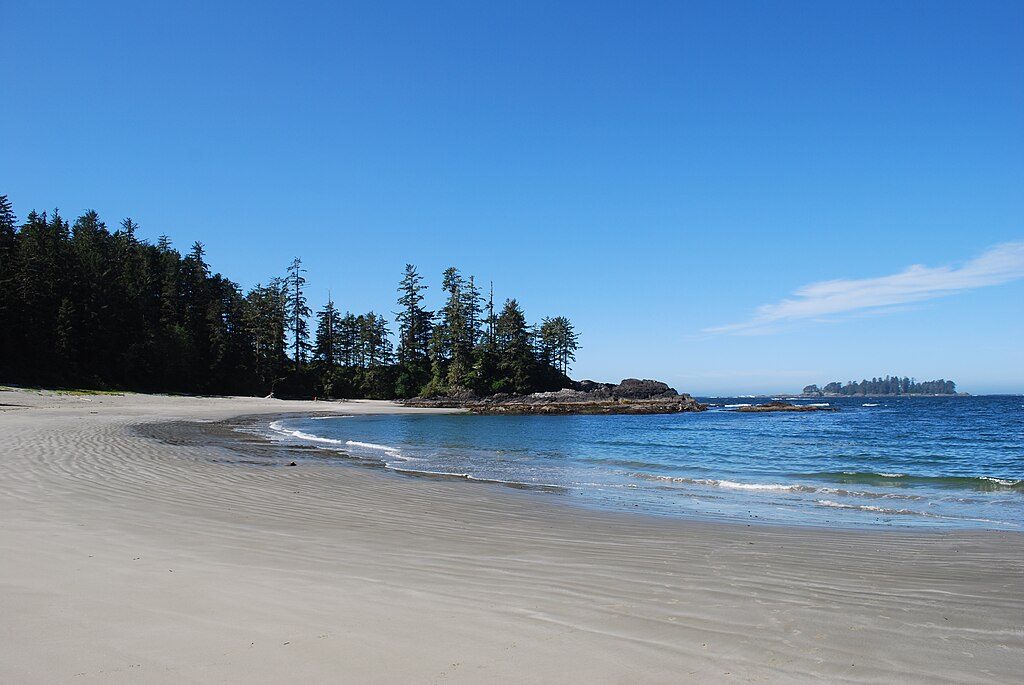
Moderate · 11.5 mi away
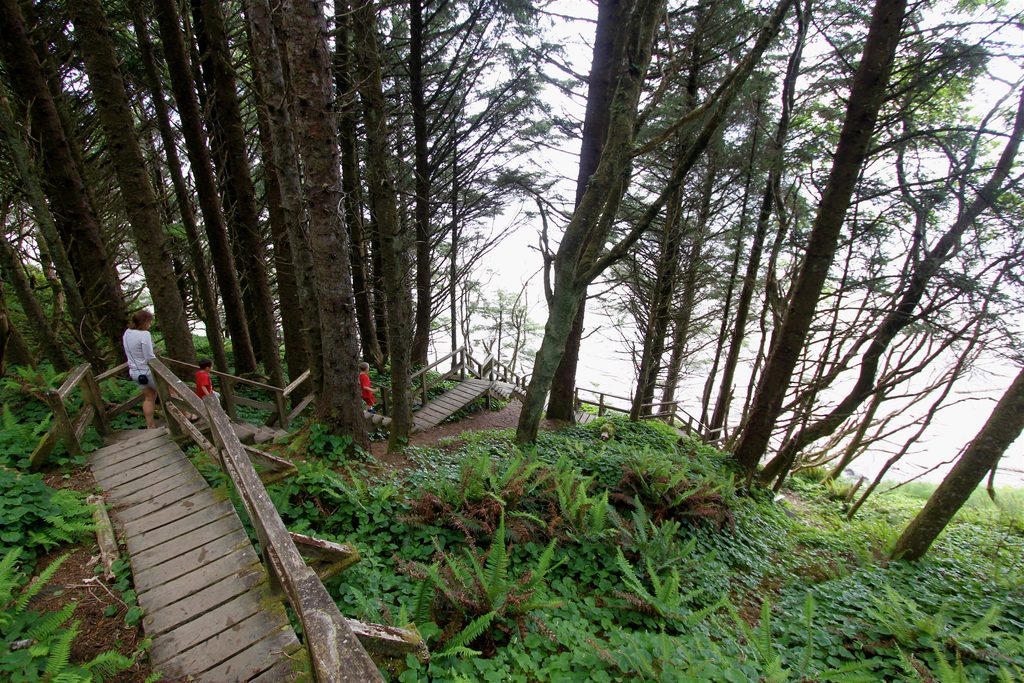
Moderate · 11.5 mi away
Challenging · 13.6 mi away

Parkwolf Tour Guide
