
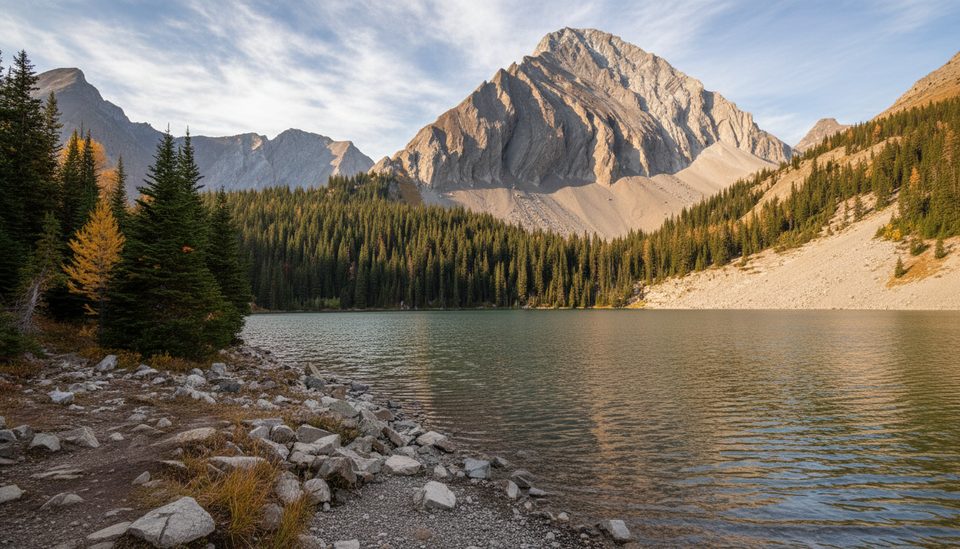
Place · 3.9 mi away
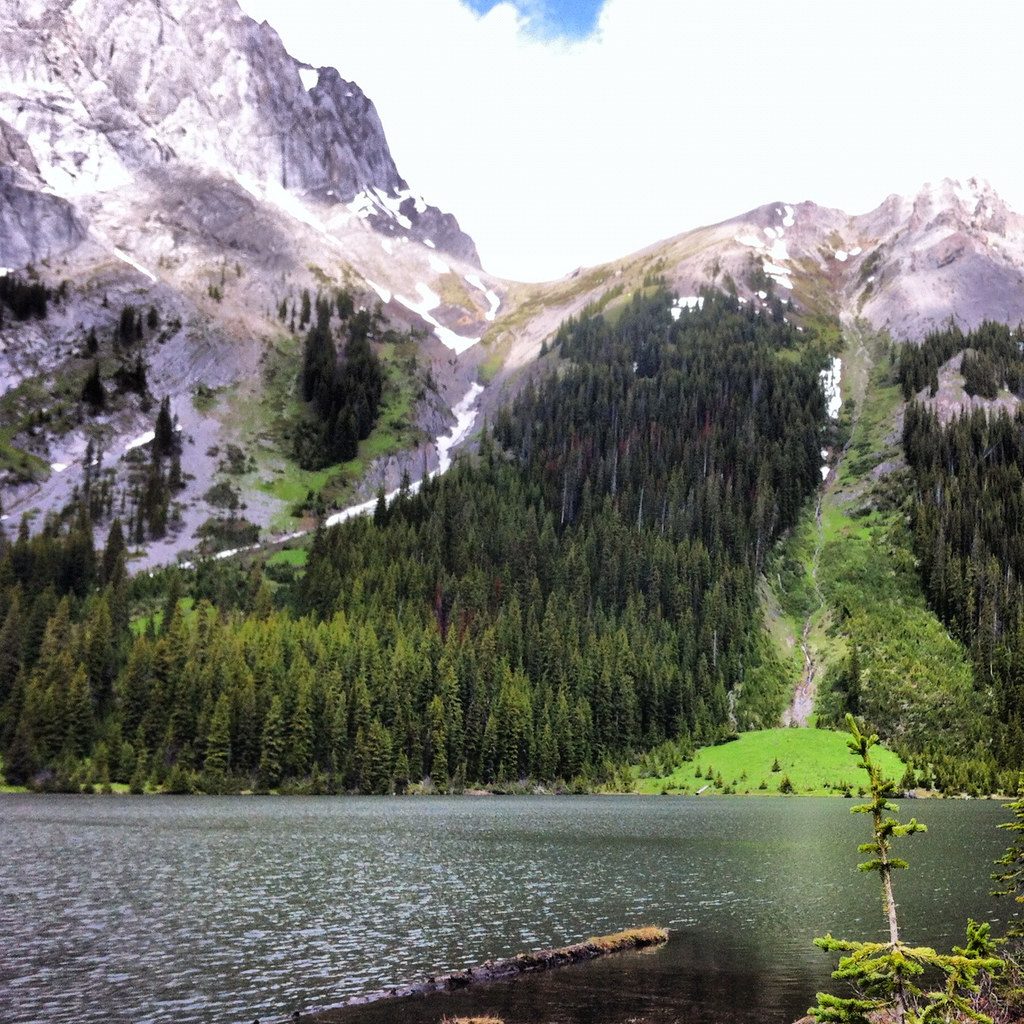
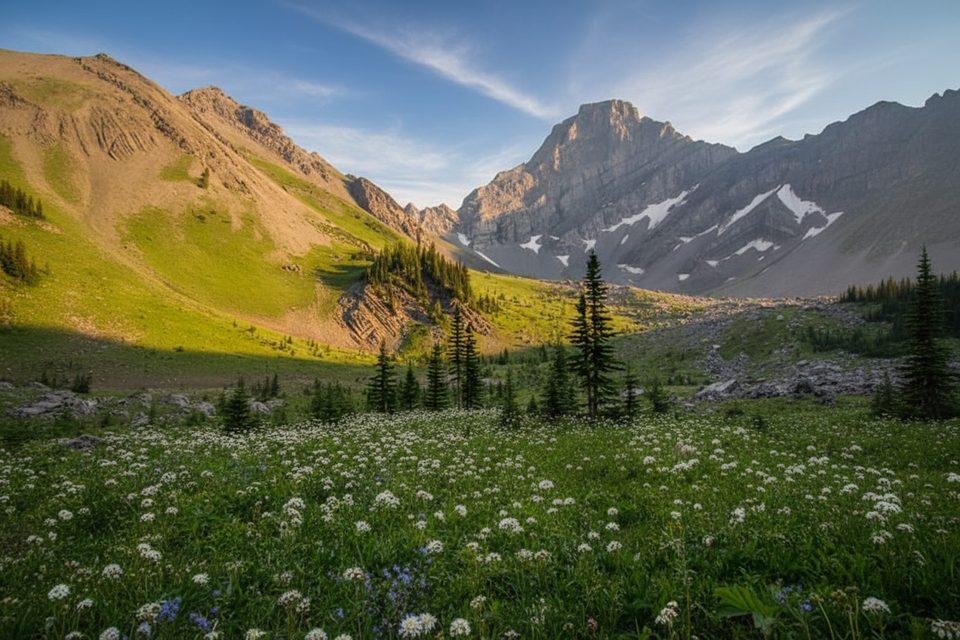
Burstall Pass is the kind of Kananaskis classic that earns its reputation the moment you clear the trees—broad meadows, golden larches in fall, and a skyline stacked with jagged peaks. It’s a straightforward day out for strong hikers, with an optional tag of Snow Peak if you’re keen for bigger views. Expect basic facilities at the day-use lot and limited cell service.
From Burstall Pass Day Use on the Smith–Dorrien/Spray Lakes Road, the trail follows a wide former logging road to Burstall Lakes. After that, you’ll cross willow flats threaded with shallow, braided creeks before climbing steadily through forest and into open alpine to the pass. Views sweep to Commonwealth Peak, Snow Peak, Mount Sir Douglas, and glaciated summits to the south. The path continues beyond the pass toward Banff National Park if you’re prepared and conditions cooperate.
Plan on roughly 14.8–16 km round-trip to the pass, with about 470–650 m of total gain. Most hikers take 5.5–6 hours. If you extend to Snow Peak, budget a full day and more elevation.
Those soggy willow flats aren’t a nuisance—they’re the signature of the Robertson Glacier’s meltwater shaping an outwash plain. Moraines and other glacial leftovers frame the valley, a landscape sculpted by advances during the Younger Dryas and Little Ice Age and then by modern retreat. You’re literally walking through a living geology lesson.
Bikes are permitted only on the initial old-road segment (roughly the first 2.7–3.5 km); there’s a rack before the singletrack enters the forest. It’s a handy way to breeze through the flat approach—just follow the on-site signage.
You’re in prime bear country—carry bear spray and know how to use it, and hiking with others is smart. Check official trail reports and any closures before you go, and pack out everything you bring.
The day-use area has pit/vault toilets, picnic tables, and signed parking, but no potable water or food services. A Kananaskis Conservation Pass is required to park. Cell service is limited, so download maps and plan accordingly.
For color and drama, aim for the last week of September into early October when the larches go gold. Start early during larch season to beat the parking crunch and enjoy calmer trails. In shoulder or winter seasons, time your day around conditions and daylight rather than views alone.
Place · 3.9 mi away
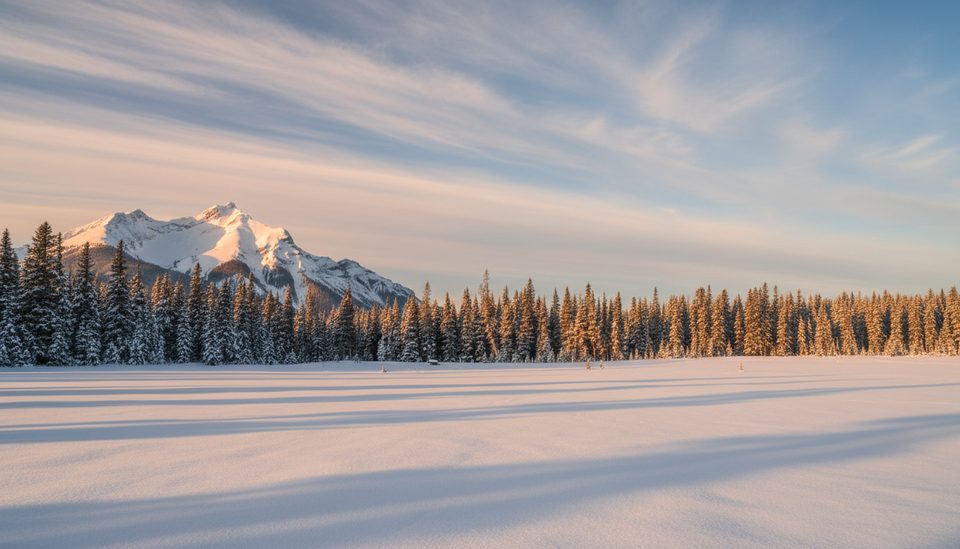
Place · 4.6 mi away
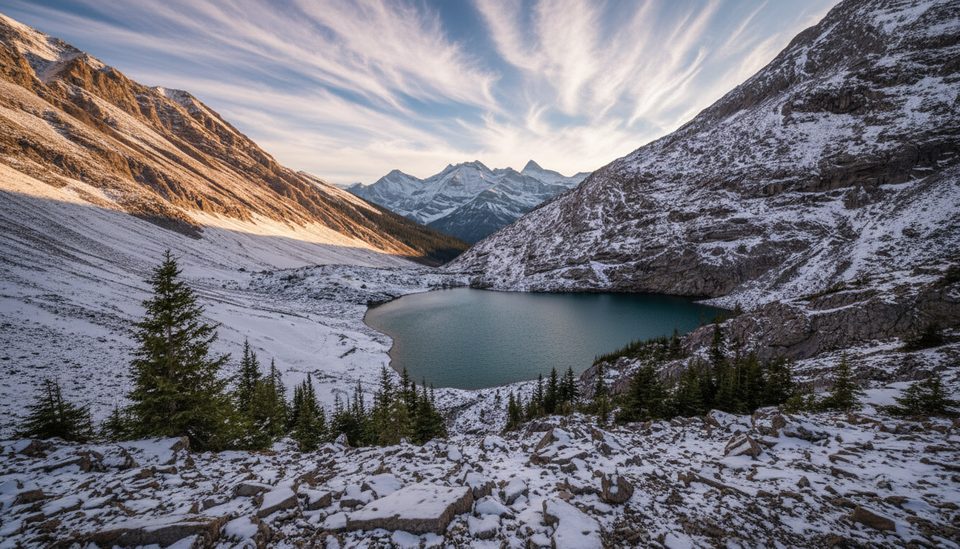
Place · 4.7 mi away
Place · 6.5 mi away
Challenging · 1.9 mi away
Easy · 1.9 mi away
Moderate · 2 mi away
Moderate · 7.9 mi away

Parkwolf Tour Guide
